Post-Construction Cleaning Checklist: Steps, Safety, and Best Practices
After the dust settles on a renovation or new build, the work still isn’t over—true transformation begins with a meticulous post-construction cleaning routine. Whether you are a homeowner, property manager, business owner, or Airbnb host in Chicago or nearby regions, understanding the Post-Construction Cleaning Checklist ensures your space is safe, livable, and presentable. This definitive guide explains what professional post-construction cleaning includes, room-by-room checklists, safety priorities, and how to evaluate cleaning companies for your project’s unique needs. Quick Cleaning’s expertise shines through with a focus on detailed processes, hygiene, and long-term maintenance benefits.
What Qualifies as Post-Construction Cleaning?
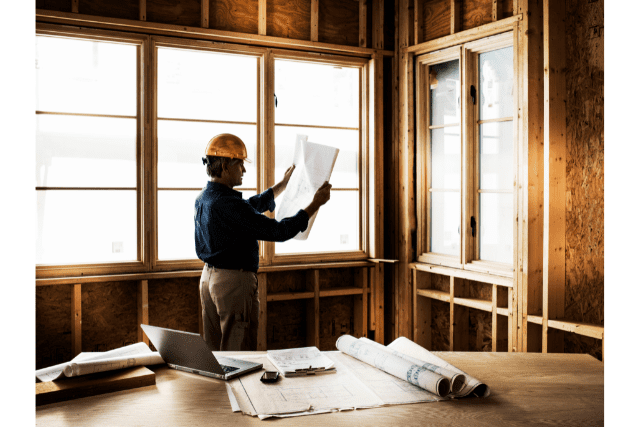
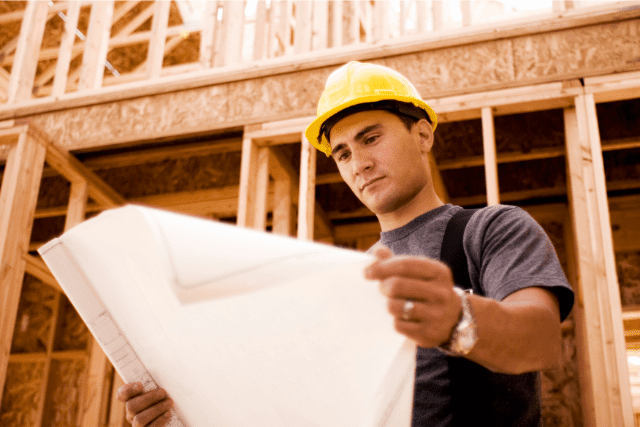
Post-construction cleaning goes beyond ordinary dusting or sweeping. It’s the systematic removal of construction debris, fine dust, adhesive residues, paint splatters, and hazardous materials left after building or renovating. This phase ensures the property is safe for occupancy and use. The Post-Construction Cleaning Checklist is designed to address structural dust, remove trip hazards, and create a pristine first impression.
- Includes deep dusting (floors, ceilings, vents)
- Removal of stickers from appliances and windows
- Disposal of excess materials and packaging
- Addressing construction-specific residues, like grout haze and paint spots
Three Phases of Professional Post-Construction Cleaning
Professional companies structure post-construction cleaning into three systematic phases, each with its checklist:
- Rough Cleaning – Removes heavy debris and prepares the space for detailed cleaning. Focus is on major waste, sweeping, and removing bulky obstacles.
- Deep or Light Cleaning – Targets fine dust on all surfaces, scrubbing grime, cleaning fixtures and detailing spaces room by room.
- Final (Touch-Up) Cleaning – Double-checks high-touch and high-visibility areas for lingering dust, smudges, or streaks. Ensures the space is move-in ready.
Each phase requires a different approach and set of tools, as construction dust can settle repeatedly over several days.
Key Materials and Equipment for Post-Construction Cleaning
Professional-grade results depend on the right tools and products. Here’s what experienced teams like Quick Cleaning use:
- HEPA-filter vacuums and air scrubbers for minimizing airborne dust risks
- Microfiber cloths, industrial-grade mops, and extension dusters
- Nonabrasive cleaners tailored for glass, tile, wood, and metal
- Personal protective equipment (PPE): gloves, masks, shoe covers
Recommended by Infection Prevention Experts
Trusted organizations recommend air filtration, surface disinfection, and compliance with safety standards—see the APIC Infection Prevention Guide for more on health-centric cleaning protocols.
Detailed Room-by-Room Post-Construction Cleaning Checklist
Your property deserves a systematic sweep. Here’s how professional teams break down their checklists for major areas:
| Area | Checklist Highlights |
|---|---|
| Living Areas & Bedrooms |
|
| Kitchens |
|
| Bathrooms |
|
| Entryways & Hallways |
|
| Utility/Mechanical Rooms |
|
Addressing Hidden Hazards: Where Most Dust Hides
Even once floors look spotless, construction dust lingers in:
- HVAC vents and registers—causing poor air quality if not cleaned
- Above window frames, on curtain rods, behind appliances
- Inside drawers, closet shelves, and inside cabinetry
- Electrical outlet covers and light switch plates
Professional checklists include precise steps for each area to mitigate respiratory risks, an approach supported by perioperative cleaning best practices referenced by AORN perioperative guidelines.
Main Differences: Post-Construction Vs. Standard Deep Cleaning
- Scope & Intensity: Construction cleaning must remove fine dust and adhesives that standard deep cleaning doesn’t address.
- Safety Concerns: More use of PPE, careful waste disposal, and ventilation.
- Multiple Phases: Post-construction often takes several rounds as dust resettles.
- Special Surfaces: Attention to brand-new fixtures that can scratch or stain easily.
Customizing the Checklist for Different Property Types
Each setting, from residential homes to commercial facilities, demands tailored cleaning priorities:
Residential Projects
- Extra care for soft furnishings and flooring
- Detailed cleaning to family and pet safety standards
Commercial Spaces & Offices
- Larger square footage requires zoning and phased work
- Regulatory compliance for workspace hygiene
Short-Term Rentals & Airbnb Units
- Sanitization for frequent guest turnover
- Emphasis on fast turnaround and presentation
Quick Cleaning’s flexible approach fits homes, offices, and specialized facilities with unique checklists.
What To Do Before Booking: Preparing for Post-Construction Cleaning
- Confirm all construction is fully completed (no wet paint, no open walls)
- Arrange for final inspections to occur before cleaning, if possible
- Remove valuables or fragile items, and communicate special cleaning requests to your provider
- Have utilities (heat, water, electricity) active for best results
Checklist Comparison: DIY vs. Professional Service
Choosing between tackling cleanup yourself or hiring a professional impacts both safety and results. Consider this structured comparison:
- DIY: Good for minor renovations and small spaces; may lack necessary equipment for deep dust, advanced debris removal, or specialist surface care. Risk of missing hidden dust or handling hazardous waste incorrectly.
- Professional: Includes thorough site evaluation, advanced dust removal (HEPA vacuums), compliance with disposal standards, tailored products for new installations, and time efficiency. Reduces liability, delivers move-in readiness.
For multi-room projects or commercial spaces, expert help is strongly recommended to ensure safety and hygiene.
Prioritizing Hygiene and Air Quality During Cleanup
Health isn’t just about appearances. Construction dust can trigger asthma, allergies, or irritate skin and eyes. Professional checklists address:
- Air scrubbing and open-window ventilation
- HEPA vacuuming of upholstery, rugs, drapes
- Disinfection of frequent-touch surfaces (doorknobs, light switches)
- Prompt removal of all waste and dust-bags outside the building
Safety First: PPE and Hazardous Material Handling
Post-construction cleaning isn’t risk-free. Best practices include:
- Use of gloves, masks, goggles, and shoe covers
- Bagging and labeling sharp materials or hazardous debris
- Following OSHA and local disposal guidelines for construction waste
- Installing caution signs in freshly cleaned, wet, or hazardous zones
Signs of a Trusted Post-Construction Cleaning Company
How do you pick a reputable provider for your property?
- Trained cleaning teams with checklist-driven processes
- Clear scope and transparent pricing
- References or project experience in your property type (residential, office, special-use)
- Use of professional equipment (HEPA, specialized surface cleaners)
- Flexible scheduling and quality guarantees
Quick Cleaning’s approach is designed for safety, consistency, and detail—helping you open your new space with confidence.
What to Communicate With Your Cleaning Provider
Before cleanup begins, clarify with your cleaning team:
- Areas or surfaces requiring extra care (brand-new hardwood, designer tile, etc.)
- Allergies, pets, or other household specifics
- Site access details—parking, hours, building security
This ensures a checklist tailored exactly to your needs.
Touch-Up Cleaning: Why Residual Dust May Persist
Even after careful cleaning, ultra-fine dust can settle again as air currents move through your home or office. Anticipate one or two follow-up visits, especially in larger projects or high-traffic buildings. This is standard practice within professional Post-Construction Cleaning Checklists and guarantees a polished final result.
Maintaining Results After Post-Construction Cleaning
- Plan light daily cleaning for the first week post-service
- Change HVAC filters to extend air quality gains
- Check for areas where dust might settle again, like window sills or behind doors
- Schedule recurring cleaning for high-use spaces (see deep cleaning options)
Consistent upkeep keeps your newly finished space shining.
How Quick Cleaning Approaches Post-Construction Projects
As a Chicago-area specialist, Quick Cleaning brings:
- Trained, checklist-driven teams for residential and commercial jobs
- Adaptable methods for apartments, offices, Airbnbs, and specialty facilities
- Safety protocols for debris disposal and surface protection
- Transparent communication so you always know what’s included
For projects requiring ongoing upkeep or additional specialty cleaning—for example, Airbnb cleaning or move-out cleaning—comprehensive, room-by-room checklists lay the groundwork for each unique cleanup.
Your Post-Construction Cleaning FAQ
Q: How soon after construction should cleaning be scheduled?
A: As soon as all construction work is complete and debris has been removed, post-construction cleaning should be scheduled. Ensure no touch-up work or wet paint remains.
Q: Can I stay in my home or use my commercial space during cleaning?
A: It’s best to stay out of the space during heavy cleaning phases, especially when high-powered vacuums and cleaning agents are in use.
Q: Are HEPA filters important in post-construction cleaning?
A: Yes. HEPA filters trap tiny dust particles that could harm your air quality or irritate allergies and asthma.
Q: What safety measures do professionals follow?
A: Use of PPE, proper waste handling, signage for wet or hazardous zones, and compliance with relevant safety guidelines as detailed in authoritative sources like the AORN perioperative guidelines.
Q: What surfaces need special treatment?
A: New hardwood, designer tile, marble, and stainless steel fixtures often need nonabrasive, pH-balanced cleaners to avoid scratching or dullness.
Q: Should HVAC systems be cleaned after construction?
A: Absolutely. Ductwork and vents collect fine particles, and cleaning them improves overall air quality significantly.
Q: How long does post-construction cleaning take?
A: Timing varies—small apartments may take a few hours; large homes, offices, or facilities can require several days with multiple visits for touch-ups.
Q: Is post-construction cleaning different for commercial spaces?
A: Yes. Commercial projects are larger, involve stricter hygiene standards, zoning work, and more robust debris removal processes.
Q: Will a professional cleaning service move my furniture?
A: Typically, cleaning teams work around installed items. Moving heavy or delicate furniture often requires special arrangements.
Q: Can post-construction cleaning remove all dust?
A: Professional cleaning dramatically reduces dust, but a small amount may resettle after initial cleaning. One or two follow-ups are common, especially for allergy-sensitive clients.
Wrap-Up: Best Practices for a Flawless Post-Construction Finish
With construction complete, don’t let hidden dust or debris dampen your accomplishment. Following a professional Post-Construction Cleaning Checklist ensures your property is not just clean, but truly ready for living, renting, or work. If your project requires specialized attention, consider professional help for consistent, health-conscious results. Commercial cleaning and residential deep cleaning both build on detailed checklists for the safest, most thorough job possible.
About Quick Cleaning
Quick Cleaning helps households and businesses in Chicago, Illinois and nearby areas keep their spaces clean and healthy. With teams trained in recurring house cleaning, deep cleaning, move out cleaning, office cleaning and specialized facility projects, Quick Cleaning follows rigorous quality checklists and uses professional-grade products and equipment for every job. The focus is always on clear communication, flexible scheduling, attention to detail, and long-term client satisfaction.

recycled, professional cleaning services, renovation cleaning chicago, builders cleaning chicago, after construction cleaning Alsip, construction cleaning Lincoln Park, dust removal cleaning Albany Park, post construction cleaning Skokie, after renovation cleaning Niles, builders cleaning Western Springs IL, renovation cleaning Markham IL