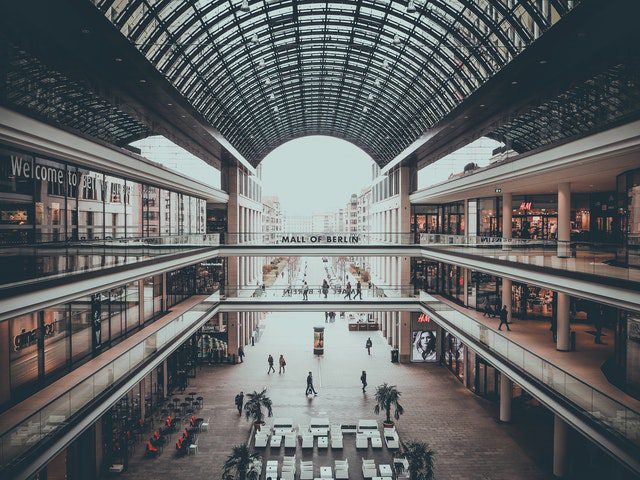
Best Practices for Cleaning in a Retail Store: A Comprehensive Guide
For retail stores, cleanliness is more than appearance; it’s about creating a safe, inviting, and healthy shopping experience. Whether you manage a boutique, chain store, or specialty outlet, following best practices for cleaning in a retail store directly impacts customer satisfaction, safety, and your store’s reputation. This in-depth guide covers everything you need to know—checklists, frequency guidelines, cleaning vs. disinfecting, and proven procedures—so your retail business can operate at its best. The following content is based on industry standards and tailored expertise from Quick Cleaning for retail spaces in Chicago, Illinois.
Understanding the Unique Cleaning Needs of Retail Stores
Retail environments differ widely from homes, offices, or medical settings. High foot traffic, varied surfaces, display setups, and frequent product handling require a tailored cleaning strategy.
- High-traffic flooring: Requires daily sweeping, mopping, and periodic deep cleaning to prevent buildup.
- Display fixtures & counters: Need frequent wipe-downs to remove fingerprints, dust, and spills.
- Changing rooms & restrooms: Mandate frequent sanitation for touchpoints, handles, and surfaces.
- Entryways & windows: Tend to show dirt and fingerprints quickly due to constant use.
- POS and electronics: Deserve special care for hygiene without damaging delicate surfaces.
Tailoring your retail store cleaning best practices to these areas ensures health and brand appeal.
Core Principles Guiding Retail Store Cleaning Practices
Defining the foundation for effective cleaning guides every process, checklist, and protocol your team will use.
- Consistency: Set and uphold a regular schedule to ensure cleanliness across all zones.
- Transparency: Communicate cleaning standards to staff and (visibly) to customers.
- Detail-oriented: Focus on overlooked areas—light switches, handles, under fixtures.
- Safety First: Use appropriate PPE and cleaning agents for each zone and surface.
- Training: Educate staff or cleaning teams on procedures and expected outcomes.
Aligning daily tasks with these principles ensures reliable, quality outcomes for your store and its visitors.
Creating a Retail Store Cleaning Plan: Steps & Stakeholders
Building a customized cleaning plan clarifies roles, schedules, and priorities. Here’s how to get started:
- Assess your space: Map out high-touch areas, customer zones, stockrooms, offices, and restrooms.
- Set cleaning frequency: Determine what requires daily, weekly, and monthly attention (see table below).
- Assign responsibilities: Delegate tasks to trained in-house staff or professional cleaners.
- Select proper products: Use solutions appropriate for materials and surfaces.
- Document protocols: Develop checklists and logs to track completion and accountability.
A robust plan reduces gaps, improves efficiency, and assures customers of your high standards.
Retail Store Cleaning Frequency: Quick Reference Table
| Area | Daily | Weekly | Monthly |
|---|---|---|---|
| Floors | Sweep, mop, spot clean | Buff/polish | Deep clean/shampoo |
| Entryways/Doors | Wipe glass, disinfect handles | Inspect fixtures | Clean mats, detail frames |
| Restrooms | Sanitize all touchpoints | Inventory supplies | Descale fixtures |
| Display Shelves | Dust/wipe down | Organize | Deep clean |
| POS/Registers | Disinfect surfaces | Inspect electronics | Detailed clean under devices |
| Changing Rooms | Disinfect handles, benches | Clean mirrors | Detail clean curtains/floors |
These intervals may adjust based on store traffic, product type, and local health recommendations.
Key Checklists for Retail Store Cleaning
Structured checklists help avoid missed tasks and keep routines efficient.
Daily Cleaning Checklist
- Entry doors and handles wiped/disinfected
- Floors swept and visibly soiled areas mopped
- Restocks of hand soap, sanitizer, and paper products
- All display counters, light switches, and touch screens wiped
- Restroom surfaces and fixtures sanitized
- Bins emptied and relined
- Mirrors, glass, and windows spot-cleaned
Weekly/Major Cleaning Checklist
- Under-fixture and behind-display dusting
- Deep clean of entry mats and baseboards
- Furniture and fabric cleaning (where applicable)
- Empty and sanitize storage and break rooms
- Review stockroom for spills, debris, and pest risks
Distinguishing Cleaning from Disinfecting in Retail Environments
Many mix up basic cleaning with true disinfection. Both are critical, but they serve different purposes.
- Cleaning: Removes dust, dirt, and debris from surfaces. Visibly improves appearance but does not eliminate all germs.
- Disinfecting: Uses EPA-approved agents to kill bacteria and viruses on surfaces, especially high-touch zones like counters and restroom fixtures.
Refer to external resources, like the Association for Professionals in Infection Control’s educational materials, for guidance on proper disinfection protocols for retail.
Appropriate Cleaning Products and Equipment for Retail Stores
Matching the right supplies to the right surfaces improves both results and safety.
- Glass & mirrors: Use streak-free, ammonia-free cleaners for clarity.
- Floors: Select pH-neutral solutions for tile/vinyl; use gentle options for wood or laminate.
- Electronics: Choose alcohol-based wipes approved for devices.
- Fixtures & seating: Use disinfecting sprays compatible with upholstery or plastics.
- PPE: Provide gloves, masks, and eye protection for all team members handling chemicals.
Review industry standards and testing protocols by ASTM International for recommendations on effective cleaning and disinfecting agents.
Staff Training and Education: Building Cleaning Expertise
Consistent training ensures employees or hired cleaners follow correct protocols, reducing risks of cross-contamination and missed steps.
- Provide written guides and easy-to-follow signage for all standard procedures.
- Schedule hands-on demonstrations for using cleaning equipment and products safely.
- Hold regular refresher sessions, especially when product lines or store layouts change.
- Develop a method for reporting cleaning issues or missed tasks.
Investment in staff knowledge results in safer, more efficient cleaning outcomes for your retail store.
Hygiene Protocols for High-Traffic and High-Touch Areas
Some retail zones demand special vigilance for cleaning and hygiene:
- Door handles, payment terminals, shopping baskets
- Interactive displays and sample stations
- Restrooms and changing rooms
- Break areas (for staff)
Recommended Steps:
- Increase cleaning frequency during peak hours or outbreaks
- Apply disinfectants per manufacturer’s dwell time instructions
- Monitor supply of hand sanitizer for customers and staff
- Post hygiene reminders and cleaning schedules for visibility
Regular, visible cleaning boosts customer confidence and complies with public health guidance.
Managing Cleaning for Special Areas and Occasions
Events, seasonal changes, or high-traffic periods can add complexity to retail store cleaning routines:
- After-hour events: Schedule extra post-event cleaning, focusing on floors, restrooms, and entryways.
- Product launches or samples: Increase cleaning of displays and demo stations.
- Seasonal store layout changes: Coordinate deep cleaning during restocking or remodel days.
If your store hosts frequent events or faces unique cleaning challenges, consider professional event cleaning support for thorough results without lifting a finger.
Enhancing Retail Image Through Cleanliness and Order
Visible cleanliness builds customer trust and brand reputation. Customers gravitate toward stores where:
- Displays are organized, free from dust and fingerprints
- Restrooms are spotless and well-stocked
- The air feels fresh and pleasant
- Floors shine without residue or tracked-in dirt
Orderly, clean spaces invite shoppers to stay longer and return often. Managers can learn more from resources like the cleanliness and order at the point of sale hub.
Professional Cleaning vs. In-House Approach: Decision Framework
Many retail owners weigh in-house cleaning staff versus hiring external cleaning professionals. Consider the following factors:
- Store size and complexity: Large or multi-floor retail spaces benefit from external cleaning expertise and equipment.
- Staff bandwidth: In-house staff may lack time or training for deep cleaning or specialty tasks.
- Health & Safety Requirements: Professionals often exceed basic compliance and provide documentation.
- Cost analysis: External teams can be more efficient, saving money on supplies, repairs, and downtime over time.
Professional cleaners like retail store cleaning professionals provide tailored solutions—from routine cleaning to specialty requests—so your team can focus on serving customers.
Evaluating the Quality of Your Retail Store Cleaning
How do you measure whether your cleaning practices are truly effective?
- Set clear, visible cleaning logs for accountability and transparency
- Perform unannounced spot-checks after peak hours
- Solicit feedback from shoppers and staff regularly
- Track incidents, complaints, or health concerns for patterns
Use resources like the retail store cleaning strategies page for more practical ideas to monitor and improve outcomes.
Checklist for Selecting a Retail Store Cleaning Company
If outsourcing, look for these essential qualities and ask these questions:
- Does the company have experience with retail or similar environments?
- Can they provide references and a written scope of work?
- Are cleaners background-checked and trained in safety protocols?
- Do they use EPA-approved, store-safe products?
- Will you receive cleaning logs or reporting?
- Are schedules flexible for after-hours or emergency cleaning?
- How do they prevent cross-contamination between spaces?
- Are their services insured and bonded?
Review the cleaning and disinfection guide for stores to supplement your criteria.
Legal, Regulatory, and Safety Considerations in Retail Cleaning
Stay informed about health codes, labor safety laws, and documentation. Critical focus areas include:
- Clear OSHA-aligned safety signage for staff
- Proper storage and labeling of cleaning chemicals
- Required supply and log maintenance (especially for food-adjacent retail)
- Compliance with local health department protocols and regular inspection readiness
Consult trusted sources and local authorities as requirements evolve.
Integrating Sustainability into Retail Store Cleaning
Eco-conscious shoppers expect stores to adopt environmentally responsible practices. This can include:
- Choosing biodegradable or low-VOC cleaning products
- Switching to reusable supplies where hygiene allows
- Recycling packaging and properly disposing of hazardous materials
- Upgrading to energy-efficient cleaning equipment
These practices not only help the planet; they also position your brand as progressive and responsible.
FAQ: Best Practices for Cleaning in a Retail Store
- How often should high-touch areas in a retail store be cleaned?
High-touch areas such as doors, payment terminals, and counters should be cleaned and disinfected several times per day, particularly during busy hours. - Can the same products be used on all store surfaces?
No, it’s important to use products specifically designed for each surface—such as glass, electronics, or fabric—to ensure safety and effectiveness. - What’s the difference between cleaning and disinfecting?
Cleaning removes visible dirt and debris, while disinfecting kills germs; both are required for comprehensive hygiene in retail environments. - How can I tell if my store’s cleaning practices are effective?
Visible cleanliness, odor control, and regular customer and staff feedback are key indicators. Maintain cleaning logs and inspections for accountability. - When should a retail store use professional cleaning services?
If you require deep cleaning, have high-traffic events, or lack in-house resources, hiring professionals is recommended for consistent results. - Are there industry standards for cleaning in retail?
Yes, resources from APIC and ASTM International provide guidelines applicable to retail stores. - How should stores document cleaning activities?
Use daily checklists, logs, and visible postings to record routines and assign accountability. - What PPE is needed for retail cleaning?
Gloves and masks are standard for most cleaning tasks. Eye protection and additional PPE may be required for chemical handling or special circumstances. - What should be included in a retail restroom cleaning routine?
Include cleaning and disinfecting toilets, sinks, floors, dispensers, and all touchpoints. Restock supplies and inspect for repairs daily.
Conclusion: Elevate Customer Experience With Cleanliness
Implementing best practices for cleaning in a retail store is crucial for health, safety, and customer satisfaction. By developing structured routines, using proper products, ensuring staff training, and considering professional assistance for complex needs, you protect your business and enhance your brand. Consistency and attention to detail set your store apart and foster trust with every visitor.
For retail business owners seeking extra support, explore professional retail cleaning options or book commercial cleaning service with experts who understand your unique needs.
About Quick Cleaning
Quick Cleaning helps households and businesses in Chicago, Illinois and nearby areas keep their spaces clean and healthy. Our trained teams specialize in recurring house cleaning, deep cleaning, move out cleaning, office cleaning, and special facility services for retail, gym, and medical spaces. We follow strict quality standards, use professional products, and focus on delivering reliable results and transparent communication for long-term client relationships.

best cleaning services chicago, Retail Store Cleaning Services Chicago, Retail Store Cleaning Chicago, shop cleaning Willowbrook, retail cleaning Franklin Park, store cleaning Elmhurst, retail store cleaning Wheeling, store cleaning Crystal Lake, boutique cleaning Hammond, retail floor cleaning West Loop