Retail Store Cleaning Strategies: Building a Daily, Weekly, and Deep Cleaning Framework
For retailers, first impressions truly matter. A clean, well-maintained store directly influences customer trust, staff morale, and even sales conversions. But what does it really take to build effective Retail Store Cleaning Strategies? In this comprehensive guide, you’ll discover how to approach retail cleaning like a pro – including daily protocols, deep cleaning insights, professional checklists, high-touch area priorities, decision frameworks for hiring experts, and what separates good cleaning from exceptional results. Whether you’re a store manager, owner, or considering outsourcing to the professionals at Quick Cleaning, you’ll find everything needed to maintain a consistently spotless space while meeting the highest standards of hygiene and safety.
Understanding the Unique Cleaning Demands of Retail Environments
Retail spaces face a continual influx of customers and staff, making them hotspots for dirt, dust, and germs. Unlike homes or office environments, stores need cleaning protocols tailored to:
- High foot traffic patterns
- Hands-on browsing of merchandise
- Frequent contact with shared surfaces (counters, fitting rooms, doors)
- Changing product displays and seasonal themes
- Food or restroom areas (where applicable)
A tailored strategy ensures cleanliness, safety, and a positive brand impression – all vital in Chicago’s competitive retail landscape.
Core Components of an Effective Retail Store Cleaning Strategy
Designing a strategy means laying out clear expectations for:
- Daily cleaning routines – remove visible dirt, dust, and litter
- High-touch surface disinfection
- Weekly and monthly deep cleaning
- Staff and customer hygiene support
- Seasonal or event-specific protocols
Each of these plays a distinct role in maintaining an inviting retail environment.
Step-by-Step Daily and Weekly Retail Cleaning Checklist
A structured approach ensures all critical zones are addressed. Here’s a practical breakdown:
- Entryways & Lobbies: Sweep/mop floors, clean glass doors, sanitize handles
- Display Areas: Dust shelves, wipe product displays, spot-clean signage
- Countertops & Checkout Desks: Disinfect POS devices, clean countertops, organize clutter
- Fitting Rooms: Sanitize door handles, seat surfaces, vacuum carpets
- Restrooms: Clean toilets, sinks, refill soaps and paper products, mop floors with disinfectant
- Stock Room/Back Office: Remove trash, sweep/mop floors, check for supply spills
- Break Areas: Clean tables, appliances, sinks, dispose of food waste
- Floors Throughout: Sweep and mop hard surfaces, vacuum carpets/mats, spot-treat stains
This routine forms the foundational hygiene layer. For a printable, detailed version, see Best Practices for Cleaning in a Retail Store.
Prioritizing High-Touch Surfaces in Store Protocols
Consistent attention to high-touch points—those frequently handled by customers and staff—minimizes cross-contamination risks. Most critical areas include:
- Door handles and push plates
- Checkout counters and card machines
- Shopping baskets/carts
- Restroom fixtures
- Fitting room surfaces
- Light switches and elevator buttons (if applicable)
Use disinfectants proven effective against common pathogens as recommended by the Centers for Disease Control and Prevention (CDC). Frequent attention to these areas sets the foundation for customer safety and peace of mind.
Main Differences Between Routine and Deep Store Cleaning
| Aspect | Routine Cleaning | Deep Cleaning |
|---|---|---|
| Frequency | Daily/weekly | Monthly/quarterly/as needed |
| Scope | Surfaces, obvious dirt, restrooms, trash | Behind fixtures, vents, walls, baseboards, all equipment |
| Products | Multipurpose cleaners | Specialty chemicals, equipment |
| Outcomes | Visible cleanliness | Sanitary deep hygiene, stain removal |
Deep cleaning uncovers hidden grime and addresses stubborn issues. Professional services often perform these more thoroughly using specialized tools and protocols.
Retail Cleaning Solutions: DIY Versus Professional Support
While in-house staff can handle most daily tasks, certain situations warrant calling in trained professionals:
- Large square footage or complex layouts
- Recurring stubborn stains, odors, mold, or pest concerns
- Special events, high-volume periods (holidays, promotions)
- Strict regulatory standards (food sales, health products, etc.)
Professional cleaners like Quick Cleaning use industrial-grade tools, checklists, and safe, effective products for lasting results. For stores in Chicago, partnering with experts ensures health code compliance and turns cleaning into a strategic asset.
Hygiene Protocols for Hygiene-Sensitive Store Sections
Sections such as restrooms, break rooms, and food prep corners demand special protocols. Steps include:
- Use of hospital-grade disinfectants where possible
- Single-use cleaning cloths and mop heads
- Scheduled spot checks throughout the day
- Hand hygiene reminders for staff and customers (signage, sanitizer stations)
- Safe waste disposal practices
See the Cleaning And Disinfection Guide For Stores for tailored advice on each store area and step.
Green and Safe Cleaning Products for Retail Environments
Consumers increasingly expect sustainable, non-toxic cleaning. Use EPA-reviewed cleaning solutions suitable for busy retail spaces while maintaining air quality and reducing harsh residues. To compare product certifications and safer options, consult the EPA’s Safer Choice Database.
Staff Training: Equipping Your Team to Meet Hygiene Standards
Consistent cleaning results depend on effective staff training:
- Build orientation modules on daily/weekly checklists
- Regularly review high-touch and specialty protocols
- Teach proper dilution and use of cleaning chemicals
- Offer refresher sessions on safety and spill response
Professional services like Quick Cleaning ensure all staff follow consistent, well-documented checklists and quality protocols, taking the guesswork out for managers.
Comparing Retail Store Cleaning Strategies by Store Type
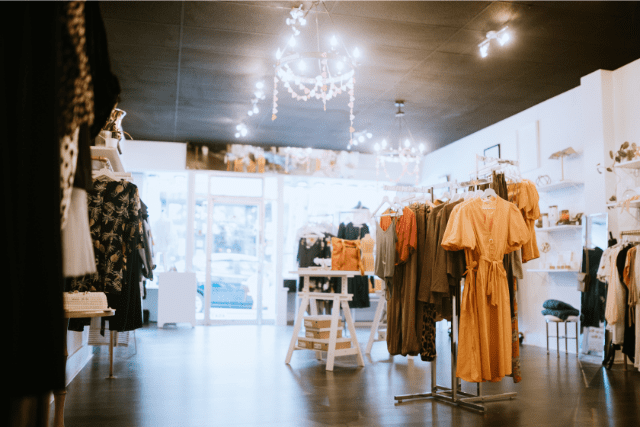
- Apparel/Footwear: prioritize fitting rooms, displays, dust control
- Electronics: extra care for device surfaces and displays
- Grocery: food safety protocols, refrigerator/freezer cleaning, pest control
- Specialty shops: tailor checklist to product risks (fragile, high-value, or perishable items)
Customize frequency and depth to fit risk factors and traffic volume in each segment.
Customer Experience: Cleanliness as Part of Your Brand Promise
Today’s customers notice—and judge—cleanliness more than ever. Key benefits of consistent retail cleaning include:
- Enhanced trust and loyalty
- Better online reviews and word-of-mouth
- Reduced product damage and spoilage
- Lower risk of illness transmission
For additional insights, review the Benefits of Cleaning Services for Retail Stores.
Store-Specific Cleaning Decision Guide: In-House, Hybrid, or Professional?
Which retail cleaning strategy best fits your situation? Use the following framework:
- Small store, low traffic: In-house staff; outside help for deep cleans or events
- Medium store, mixed traffic: Hybrid (staff for daily maintenance, professionals for scheduled or specialty jobs)
- Large, high-traffic, or regulated: Dedicated professional team with flexible scheduling and specialized equipment
If you value consistent quality, scheduling flexibility, and access to professional equipment, outsourcing to a reputable Chicago cleaning company can save time and protect your investment. Retail store cleaning booking makes this step seamless.
Creating a Cleaning Schedule that Matches Store Hours and Fluctuations
Align cleaning times with customer traffic patterns:
- Before opening: Deep clean high-visibility zones, restock hygiene supplies
- During slow hours: Spot-clean restrooms and displays
- After closing: Detailed floor care, window/glass polishing, trash removal
- Weekly/monthly: Rotate deep cleaning to storage rooms, behind fixtures, lighting, vents
Tracking and documenting cleaning routines ensures accountability and helps meet safety inspections and company standards.
Seasonal and Event-Driven Cleaning Strategies
Chicago’s seasons and retail events (back-to-school sales, holidays) bring spikes in dirt and foot traffic:
- Increase floor care and entry mat cleaning during wet or snowy periods
- Schedule pre-event and post-event deep cleans
- Address decor items and temporary fixtures
- Monitor waste bins and restroom supplies more closely during high-traffic days
A proactive approach minimizes disruption and keeps your brand presentation sharp year-round.
Safe Cleaning Chemical Use: Protocols and Precautions
Improper chemical use risks health, customer comfort, and inventory damage. Key protocols include:
- Using manufacturer-recommended dilution rates
- Storing chemicals securely, away from customer areas and stock
- Labeling all cleaning agents clearly
- Providing personal protective equipment (PPE) to staff handling concentrated products
For more, consult the EPA’s green product guidelines to choose the safest options for your staff and customers.
Legal and Safety Compliance in Retail Store Cleaning
Retailers must comply with both local Chicago regulations and federal guidelines regarding workplace safety, product storage, and health standards. Maintain documentation on:
- Cleaning and disinfection protocols
- Material Safety Data Sheets (MSDS)
- Training logs for all cleaning staff
- Proper signage during wet cleaning or chemical use
Professional cleaning partners often supply compliance documentation for inspections and audits, further easing operational burdens for store managers.
Comparing the Roles of Cleaning, Sanitizing, and Disinfecting
Not all cleaning tasks are equal—understanding these differences matters for SOPs:
- Cleaning removes visible dirt and debris
- Sanitizing reduces germs to safe levels (especially for surfaces like counters or restrooms)
- Disinfecting uses chemicals to kill a broader range of bacteria and viruses (essential for outbreaks or sensitive areas)
See more about this distinction at Cleaning vs. Disinfecting: Know the Difference.
FAQs: Expert Answers on Retail Store Cleaning Strategies
- How often should a retail store be cleaned?
- Daily cleaning is essential for customer-facing areas. Deep cleaning should be scheduled monthly or more frequently during high-traffic seasons. High-touch surfaces and restrooms often require multiple cleanings per day.
- What’s the difference between regular, deep, and specialty cleaning?
- Regular cleaning covers visible dirt and restrooms; deep cleaning includes hidden surfaces and tough stains; specialty cleaning handles unique needs like upholstery, odor removal, or compliance requirements.
- Are green cleaning products effective in retail settings?
- Yes. Many eco-certified solutions provide excellent cleaning results without harsh chemical residues. Reference the EPA’s Safer Choice program for approved product lists.
- How do I know if my store needs professional cleaning?
- If your in-house team struggles with stubborn stains, odors, recurring mess, or compliance, professional support can offer superior results and consistency.
- Should cleaning be scheduled during open or closed hours?
- Both! Major tasks are best during closed hours, but periodic touch-ups should occur during lulls to maintain restrooms and display cleanliness throughout business hours.
- What documentation should I keep for cleaning compliance?
- Maintain cleaning schedules, MSDS sheets, staff training logs, and documented disinfection protocols. Professional providers often help with compliance needs.
- Do all store types require the same cleaning frequency?
- No. Grocers and high-touch environments need more frequent cleaning, while low-traffic boutiques may have a lighter schedule but still require thorough routines and regular deep cleans.
- What is the most overlooked area in retail cleaning?
- Behind fixtures, vents, and floor edges are common blind spots. Rotating deep cleaning schedules ensure these don’t accumulate dirt or harbor pests.
- How can I evaluate a cleaning provider’s credentials?
- Ask for documented checklists, product details, staff training protocols, insurance status, and client references.
- Where can I learn more about professional cleaning approaches?
- Check resources like Best Practices for Cleaning in a Retail Store or consult with expert providers for tailored solutions.
Final Thoughts: Building a Lasting Retail Cleaning Culture
Retail store cleaning strategies are about more than daily tidying—they reinforce your brand’s promise of safety, comfort, and professionalism. By equipping staff, using proven protocols, investing in quality products, and knowing when to call experts like Quick Cleaning, you’ll create an environment that attracts customers and ensures long-term business success. If you need a partner for retail, book a commercial cleaning service that fits your store’s needs.
About Quick Cleaning
Quick Cleaning is dedicated to professional cleaning solutions for homes, offices, and commercial facilities throughout Chicago, Illinois and neighboring locations. Specializing in recurring house cleaning, deep cleaning, move out cleaning, office cleaning, and unique facility care, our team is trained to meet the strictest industry standards. We prioritize transparent communication, thorough checklists, and proven protocols to ensure every job exceeds expectations for cleanliness and customer satisfaction.

cleaning companies in chicago, Retail Store Cleaning Services Chicago, Retail Store Cleaning Services in Chicago, boutique cleaning Fort Sheridan IL, retail janitorial services Elgin, shop cleaning Bucktown, retail cleaning Evanston, boutique cleaning Morton Grove IL, storefront cleaning Libertyville IL, shop cleaning Forest Park IL