Where Germs Hide: Uncovering the Common Spots for Germs in a Medical Office
Medical offices are supposed to be sanctuaries of health, yet they can unwittingly become breeding grounds for germs if high-touch areas are overlooked. Whether you manage a clinic, oversee a dental practice, or work in a busy outpatient setting, understanding the common spots for germs in a medical office is foundational to hygiene and safety. In this comprehensive guide, we’ll spotlight these hidden germ hotspots, explain why they pose stubborn risks, and share the exact strategies trusted by professionals (including QUICK CLEANING) to address them. Read on to learn the facts, hone your cleaning plan, and help protect everyone who walks through your doors.
High-Touch Surfaces: Why They’re Germ Magnets
It’s no mystery why certain areas in medical offices become reservoirs for microbes. The combination of frequent contact, constant foot traffic, and the nature of healthcare environments makes disinfection absolutely critical.
- Doorknobs, handles, and push plates—Constantly touched before and after handwashing, often between patients, increasing risk of cross-contamination.
- Light switches and elevator buttons—Tough to clean without disrupting workflow but frequently handled by staff, patients, and visitors alike.
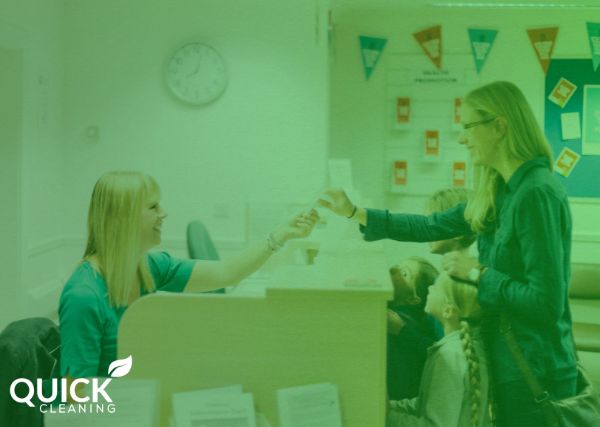
- Reception desks and check-in counters—Serve as the interface for exchanging documents, IDs, pens, and paperwork, all potential carriers of germs.
Several studies highlight these as top offenders—proven by microbial swab tests in clinical settings as referenced by the Association for Professionals in Infection Control and Epidemiology (see this summary on healthcare infection risks).
Forgotten but Vital: Patient Care Equipment as Hidden Hotspots
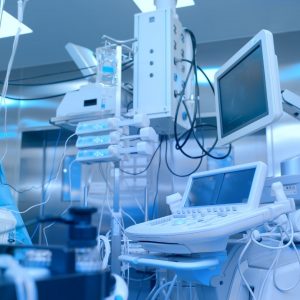
From reusable blood pressure cuffs to examination tables, medical equipment comes into direct—or indirect—contact with bodily fluids and skin. These surfaces can invisibly harbor pathogens if protocols slip or equipment is not thoroughly cleaned between uses.
- Stethoscopes, thermometers, and pulse oximeters
- Exam room chairs and tables
- Reusable diagnostic tools
Meticulous cleaning and immediate disinfection after each use are essential—a core principle in all cleaning and disinfection protocols for medical offices.
Waiting Areas: Comfort Zones for Patients (And Germs)
Waiting rooms are meant to soothe patients, but soft furnishings, shared magazines, and children’s play areas offer multiple surfaces for germs to linger.
- Armrests and tabletops
- Fabric chairs and couches
- Children’s toys and play surfaces
- Shared touchscreen check-in stations
Some of these items are more difficult to disinfect, requiring either a schedule for deep cleaning or disposable alternatives.
Restrooms: Persistent Risks Beyond the Obvious
Bathrooms in medical offices face heavy use from both staff and patients. Attention to cleanliness must extend well beyond daily cleaning of obvious fixtures.
- Faucet handles and soap dispensers
- Toilet flush levers and door locks
- Paper towel dispensers and hand dryers
- Light switches and trash can lids
These points are significant vectors for germ transfer, as documented by CDC and APIC reports on public restroom hygiene.
Behind the Counter: Staff Workspaces Need Just as Much Vigilance
It’s easy to focus cleaning efforts on patient-facing spaces, but staff areas—break rooms, nurses’ stations, and supply closets—should receive equal attention.
- Computer keyboards and mice
- Phones, pagers, and headsets
- Coffee machines and water coolers
- Shared writing utensils
Staff may neglect cleaning in these semi-private areas, which can lead to internal outbreaks impacting both personnel and patients.
Hand Hygiene Compliance: Handrails, Elevator Buttons, and More
Anywhere hands go, germs follow—especially in medical office corridors, elevators, and stairwells.
- Handrails (hallways, stairs)
- Elevator buttons
- Waiting area kiosks
Daily cleaning is a must; increased frequency during outbreaks or flu season is recommended, as detailed in guidance on cleaning frequency in medical offices.
Biohazard and Sharps Disposal: Containing the Unseen Risks
Proper disposal of needles, bandages, and biological waste is not only a regulatory requirement but a health imperative.
- Biohazard bins and lids
- Sharps containers (tops and surrounding shelf)
Oversights here can lead to localized contamination and increased risk of bloodborne pathogen exposure.
Comparison Table: Germ Hotspots, Reasons, and Cleaning Tactics
| Location | Why at Risk | Essential Cleaning Step |
|---|---|---|
| Door handles | Hundreds of touches daily by all visitors | Disinfect multiple times throughout the day |
| Exam tables | Direct skin and bodily fluid contact | Disinfect after every patient use |
| Reception desks | Exchange of paperwork, ID cards, pens | Wipe frequently, especially before/after shifts |
| Restroom fixtures | Shared by staff/patients, high moisture | Thorough cleaning multiple times daily |
| Waiting room seats/toys | Multiple users, materials absorb germs | Routine disinfection or remove soft toys |
| Biohazard bins | Exposed to infectious materials | Disinfect exterior, careful liner change |
| Computer equipment | Shared by all staff, often neglected | Use approved wipes; keep cleaning logs |
Checklists That Make a Difference: High-Risk Areas by Room
Exam Room Checklist
- Exam table (entire surface, under edges)
- Stool and chair arms
- Drawer and cabinet pulls
- Sinks, faucets, and soap dispensers
- Countertops and any reusable diagnostic tools
Waiting Room Checklist
- All chair arms and seat surfaces
- Children’s play items (substitute or rotate regularly)
- Touch electronic check-ins and pens
- Magazines or remove entirely
Restroom Checklist
- Toilet handles, seats, locks
- Faucets, soap, towel dispensers
- All door handles and light switches
- Trash bin lids and floors around base
Staff Areas Checklist
- Shared phones/headsets
- Coffee pots, water dispensers
- Computer keyboards/mice
- Cabinet pulls and light switches
How Professional Cleaning Services Tackle Medical Germ Hotspots
Cleaning a medical office requires targeted methods, not standard janitorial routines. Advanced training, medical-grade cleaning products, and documented protocols keep infection risk in check.
- Color-coded cleaning tools—Prevents cross-contamination by reserving mops/wipes for specific zones.
- EPA-registered disinfectants—Tested and proven to kill bacteria, viruses, fungi relevant to healthcare.
- Routine, documented cleaning schedules—Includes additional checks for outbreak periods (flu, pandemic, etc.).
- Special focus on high-touch and high-traffic zones
Find more about structured cleaning in medical environments in the National Center for Complementary and Integrative Health’s risk management training.
Beyond the Surface: Why Germs Persist in These Areas
It’s not just about what gets touched; it’s also about where cleaning shortcuts happen. Some surfaces are porous, allowing germs to hide. Others (like computer equipment) are perceived as ‘clean’ but are often handled with unwashed hands—spreading biofilms invisible to the naked eye.
- Irregular cleaning intervals can allow colonies to multiply fast.
- Lack of standardized procedure (such as using the wrong cleaner) can render disinfection ineffective.
- Missed spots tend to be vertical or hidden from direct sight (door edges, under chair arms).
Protocols, Regulations, and Compliance in Medical Office Cleaning
Healthcare offices are obligated to meet specific local, state, and federal regulations on cleanliness. Cross-checking your cleaning plan with applicable regulations can reduce risk and increase peace of mind for your organization.
- OSHA and local health department guidelines
- Proper disposal protocols for biohazards
- Regular documentation and records for cleaning frequency
Reputable companies like QUICK CLEANING ensure strict procedure adherence for both staff and patients’ protection.
Decision Criteria: Choosing a Cleaning Partner for Medical Germ Control
Not all cleaning services are prepared for the challenges of medical environments. When evaluating a potential cleaning partner, use the following:
- Ask about staff training specific to healthcare settings
- Require proof of medical-grade disinfectants and safe handling of infectious waste
- Request cleaning checklists for all critical areas (use the lists above as your baseline)
- Confirm maintenance of MSDS (Material Safety Data Sheets) for all cleaning chemicals used
- Insist on clear communication and documentation
If you’re considering a transition to a professional service, medical office cleaning service options like those offered by QUICK CLEANING deliver consistent, evidence-based results.
Staff and Visitor Best Practices to Minimize Germ Spread
- Post signage encouraging frequent handwashing at all entrances and restrooms
- Set up hand sanitizer stations at reception and in hallways
- Remove unnecessary items (magazines, soft toys) from waiting areas during outbreaks
- Encourage staff to wipe down personal workspaces at each shift change
Integrating Professional Cleaning with In-House Protocols
A collaborative approach multiplies effectiveness: regular janitorial tasks plus scheduled professional deep cleans create safer environments for all.
- Coordinate checklists so nothing is missed
- Log cleanings and report areas needing more frequent attention
- Encourage team communication to identify new high-traffic or ‘problem’ areas
For further clarification, reference our guide: What Is Medical Office Cleaning And Why Is It Important?
Frequently Asked Questions About Common Germ Spots in Medical Offices
What are the most overlooked germ hotspots in a medical office?
Beyond doorknobs and exam tables, common overlooked hotspots include computer keyboards, drawer handles, staff breakroom appliances, and elevator buttons. These areas require intentional cleaning and documentation.
How often should high-touch surfaces be cleaned?
Ideally, high-touch surfaces in clinical zones should be disinfected several times daily, especially during high-traffic or peak illness seasons. Some items require cleaning after every patient (exam tables, equipment).
Are waiting room toys and magazines safe?
These items can harbor germs for long periods. During outbreaks, it’s best to remove or substitute them with easily cleaned items, and disinfect those remaining daily.
What cleaning products are effective against pathogens in medical offices?
EPA-registered hospital-grade disinfectants are recommended. These products are proven effective against a range of bacteria, viruses, and fungi relevant to healthcare settings.
Is it necessary to hire specialized cleaning for a small medical office?
Yes, even small clinics benefit from professional cleaning professionals trained in healthcare standards, since infection risks are present regardless of office size.
How can staff contribute to minimizing germs between professional cleanings?
Staff should wash hands routinely, clean shared equipment with approved wipes, and promptly report spills or contamination in any area.
Do regulatory agencies have specific cleaning protocols for medical offices?
Yes, OSHA, state, and local health departments set standards for cleaning, disinfection, and infection prevention. Aligning with official protocols protects staff and patients and ensures compliance.
Which areas need specialized deep cleaning?
Biohazard containment points, restrooms, upholstered waiting room furniture, and high-touch examination areas frequently require scheduled deep cleaning for maximum safety.
Summary: Turning Knowledge into Action
Understanding the common spots for germs in a medical office is the first step to creating a safer environment for staff, patients, and visitors. Prioritizing proven checklists, using professional-grade products, and enlisting trained cleaning partners ensures hidden risks are addressed daily. To take your action plan further, consider scheduling a specialized medical office cleaning service or consulting with the pros at QUICK CLEANING.
About QUICK CLEANING
QUICK CLEANING is a trusted leader in professional cleaning for homes and businesses in Chicago, Illinois and surrounding areas. Our trained teams use proven checklists, modern equipment, and industry-approved disinfectants for services including recurring house cleaning, deep cleaning, move out cleaning, office cleaning, and specialty facility hygiene. With flexible scheduling and a steadfast commitment to client satisfaction, QUICK CLEANING is dedicated to helping you maintain healthy, safe, and spotless spaces.


prevent the spread of germs, cleaning companies in chicago, Medical Office Cleaning In Chicago, Medical Office Cleaning Chicago, healthcare facility cleaning Lake Villa IL, medical building cleaning Vernon Hills, medical office cleaning La Grange, medical office cleaning Fort Sheridan, medical office cleaning Elgin, clinic cleaning Palos Hills IL, medical office cleaning in Rogers Park