Understanding Medical Office Cleaning: What It Is and Why It Matters
Medical office cleaning may seem straightforward, but its role in patient safety and daily healthcare is anything but simple. If you’re a healthcare provider, clinic manager, or someone researching professional cleaning before choosing a company, understanding what medical office cleaning is and why it is important is essential. In this in-depth guide, we’ll walk through exactly how medical office cleaning differs from regular janitorial routines, why strict standards are required, which areas need the most attention, and what steps you should expect from a reliable provider. You’ll leave equipped to make informed decisions that ensure both health and regulatory compliance for your facility in Chicago or beyond.
Defining Medical Office Cleaning: Beyond Standard Cleaning Services
Traditional cleaning focuses on visible dirt and tidiness. Medical office cleaning goes several steps further, targeting infectious agents and preventing disease transmission. It requires systematic procedures, approved disinfectants, and a deep knowledge of healthcare regulations.
- Surface disinfection: Targeting pathogens invisible to the naked eye.
- High-frequency protocols: Daily, between-patient, and emergency cleaning requirements.
- Specialized training: Staff must understand both cleaning and infection control procedures.
At its core, medical office cleaning means creating an environment that actively protects health—going far beyond what’s required for homes or offices.
Unique Risks and Challenges in Medical Facilities
Healthcare environments are high-risk for the spread of germs and infectious diseases. Medical offices face unique cleaning challenges:
- Pathogens: Bloodborne viruses, bacteria, and emerging threats such as MRSA and C. difficile
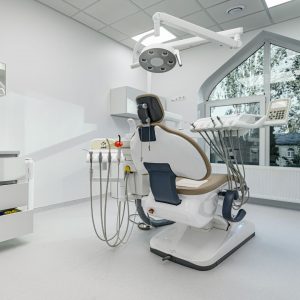
- Varied surfaces: Exam tables, electronic equipment, fabric chairs, waiting areas—all requiring different products/methods
- Vulnerable populations: Immunocompromised patients, elderly, and children require extra diligence
- Regulatory scrutiny: Healthcare cleaning is governed by unique protocols and oversight
These risks mean medical office cleaning is not just aesthetic—it’s mission critical for everyone entering the facility.
Comparing Medical vs. Non-Medical Office Cleaning: A Closer Look
| Aspect | Medical Office Cleaning | Standard Office Cleaning |
|---|---|---|
| Cleaning Solutions | EPA-registered disinfectants, hospital-grade products | General multipurpose cleaners |
| Staff Training | Trained in pathogen control, bloodborne precautions | General cleaning protocols |
| Frequency | Multiple daily cleanings, post-patient, event-driven | Usually once daily or less |
| Scope | Patient areas, equipment, high-touch surfaces, exam rooms | Desks, floors, restrooms, kitchen areas |
| Regulatory Standards | HIPAA, OSHA, CDC, local DPH | Minimal regulatory scrutiny |
This comparison highlights why medical offices demand more than a basic cleaning routine.
Core Principles of Effective Medical Office Cleaning
- Prevention of cross-contamination: Using color-coded tools and strict zone separation
- Proper product selection: Choosing safe, effective agents for every surface
- Detailed task checklists: Daily, weekly, and between-visit protocols
- Consistent staff training: Ensuring everyone follows infection control standards
- Documentation: Logging procedures for compliance and audits
Providers like QUICK CLEANING utilize proven workflows and regular oversight to guarantee these principles are met.
Critical Areas in Medical Offices: Where Germs Hide
Certain zones warrant extra attention—some of which may surprise you. According to common germ spot resources, high-risk areas include:
- Door handles, handrails, light switches
- Exam tables and chairs (especially upholstery)
- Waiting room armrests, counter tops, sign-in areas
- Bathroom faucets, flush handles, soap dispensers
- Medical equipment buttons and screens
Regular disinfection of these areas curbs the spread of infectious agents.
Medical Office Cleaning Protocols: A Step-by-Step Overview
True healthcare cleaning follows structured protocols, often reviewed by local health departments or regulatory agencies. Here’s what a typical process may include:
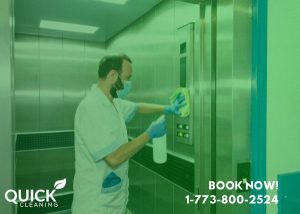
- Preparation: Staff don PPE (personal protective equipment), gather approved supplies.
- Removal of waste: Lined bins for sharps/biohazards; disposal by category.
- Surface cleaning: From least to most soiled, using separate cloths/mops per area.
- Disinfecting: Application of EPA-registered disinfectants with proper dwell times.
- Detailed focus on high-touch points: Waiting rooms, door hardware, medical gear.
- Restroom sanitation: Separate procedures and tools for restrooms vs. patient areas.
- Final walkthrough: Verification for untouched surfaces and documentation.
This multi-step flow minimizes overlooked areas and ensures compliance at every visit.
Sample Medical Office Cleaning Checklist Aligned to Chicago Needs
For practices in Chicago and similar urban centers, key checklist items include:
- Lobby and waiting rooms sanitized with approved solutions
- Door handles and public touch points wiped and disinfected multiple times daily
- Restrooms deep cleaned and restocked
- Exam tables disinfected and paper replaced after every patient
- Countertops, computer peripherals, and other electronics sanitized
- Sharps/biohazard containers checked and changed as needed
- Floors cleaned and mopped with the correct agents
Staff should follow a room-by-room, surface-by-surface approach, never assuming any area is low risk.
Required Cleaning Frequency: Key Factors and Local Guidance
The optimal frequency for each cleaning task depends on:
- Foot traffic and practice size
- Patient volume and visit types (routine vs. procedure-heavy)
- High-risk seasons (flu, COVID-19 spikes)
- CDC/Chicago Department of Public Health standards
Generally, daily cleaning of all areas and extra attention between patients are the baseline. Deep cleaning is recommended weekly or after viral outbreaks. Real emergencies (spills, high-risk contamination) call for immediate response protocols.
Healthcare Cleaning Products, Tools and PPE: What Sets Medical Aside?
Medical-grade cleaning requires special equipment:
- Disinfectants: EPA-registered, effective against HBV, HIV, MRSA (see Diversey’s disinfectant recommendations)
- PPE: Gloves, masks, eye protection, and specialty gowns for high-risk areas
- Color-coded tools: To prevent cross-contamination between zones
- Microfiber cloths: Capture more germs, reduce use of harsh chemicals
- Sharps containers: For safe needle and biohazard disposal
Medical cleaning tools are subject to stricter maintenance schedules and replacement protocols.
Regulatory Requirements and Compliance for Medical Office Cleaning in Chicago
Protocols for health care facility cleaning must align with:
- Centers for Disease Control and Prevention (CDC)
- Occupational Safety and Health Administration (OSHA)
- Chicago Department of Public Health
- Environmental Protection Agency (EPA) standards (notably for asbestos risks, see EPA asbestos guidelines)
Compliance failures can result in fines, loss of accreditation, or legal risks. Providers must document processes, use only approved products, and regularly audit cleaning quality.
How Medical Office Cleaning Supports Infection Control and Patient Trust
Cleanliness doesn’t just impact physical health—it also shapes patient confidence. Regular, well-documented cleaning protocols:
- Reduce healthcare-associated infections (HAIs)
- Reassure patients and families that safety is paramount
- Support staff morale and retention
- Enable compliance for audits and insurance requirements
Visible, consistent cleaning helps build a positive reputation for any Chicago medical practice.
Choosing a Medical Office Cleaning Provider: Decision Factors
Look for these factors when evaluating cleaning companies for healthcare settings:
- Experience: Does the team have a track record in medical office cleaning?
- Training: Staff certified in bloodborne pathogen standards?
- Transparent protocols: Do they provide documented checklists and flexible scheduling?
- Safe products: Are only EPA-approved disinfectants used?
- Reputation and references: Are other Chicago practices clients?
- Compliance assurance: Is there a guarantee of meeting or exceeding local regulations?
For flexible medical office, deep, or facility cleaning, consider scheduling with Medical Office Cleaning or Deep Cleaning Service for tailored support.
The Role of Staff Training and Supervision in Medical Cleaning Success
People—not just products—make the biggest difference. Effective healthcare cleaning crews receive:
- Routine infection-control education
- Supervision by experienced managers
- Updated protocols for emerging threats
- Regular performance audits and feedback
Professional services will openly discuss how they select, train, and review staff—an assurance you should expect each time.
Handling Special Hazards: Bloodborne Pathogens, Sharps, and Hazardous Waste
Medical office cleaning teams must manage:
- Blood spills: Immediate clean-up using high-level disinfectant and PPE
- Sharps: Safe collection and documentation (regulations require rigid, puncture-proof containers)
- Biohazard waste: Segregated and disposed per EPA and OSHA rules
Make sure your provider is well-versed in protocols to avoid exposures and regulatory violations.
Documenting Medical Office Cleaning for Compliance and Audits
Regulators may demand proof of your cleaning routines. Your provider should offer:
- Daily cleaning logs
- Checklists with initials/time stamps
- Product lists and SDSs
- Incident reports for spills or exposure events
This trail protects your facility from legal risk and demonstrates your commitment to safety.
Common Questions about Medical Office Cleaning
- How often should high-touch surfaces be cleaned in a medical office?
- High-touch surfaces such as door handles, exam tables, and electronic equipment should be disinfected multiple times a day—ideally between every patient and at various set intervals according to health department advice.
- Which cleaning agents are approved for medical settings?
- Only EPA-registered disinfectants effective against a broad range of pathogens should be used. Check with your provider for a full list of approved products for your surfaces.
- What is included in a typical medical office cleaning checklist?
- Cleaning tasks include all patient areas, restrooms, reception and waiting, medical equipment surfaces, floors, and disposal of medical waste, following strict protocols and using color-coded tools.
- Why is medical office cleaning more strict than standard office cleaning?
- The need to prevent infection spreads, protect vulnerable patients, and adhere to legal/clinical oversight makes medical cleaning far more detailed and regulated.
- Are there legal or regulatory requirements for cleaning medical offices in Chicago?
- Yes—facilities must comply with CDC, OSHA, and Chicago DPH rules, as well as EPA guidelines for safe handling of hazardous materials like asbestos or sharps.
- How can janitorial staff avoid cross-contamination?
- By using color-coded cleaning cloths, changing PPE between rooms, strictly following zone separation, and diligent hand hygiene.
- How does regular documented cleaning impact insurance and inspections?
- Thorough cleaning documentation helps prove compliance, avoids penalties, and supports positive outcomes during both surprise inspections and insurance audits.
- What is the consequence of poor cleaning in a medical office?
- Failure can result in patient/staff illness, legal penalties, reputation damage, and loss of licensure.
- Does medical office cleaning impact patient trust?
- Absolutely. Visible routines and a fresh, clean environment help reassure patients about your commitment to safety.
Summary and Practical Next Steps
Medical office cleaning is a rigorous, science-driven process critical to patient safety, regulatory compliance, and your facility’s reputation. By understanding why it is so important, you can ask the right questions, review checklists, and select a provider who meets Chicago’s demanding standards. Ready to take action? Schedule office cleaning services or request same-day support if your clinic faces an urgent cleaning challenge.
About QUICK CLEANING
QUICK CLEANING is a trusted local partner for healthcare cleaning in Chicago, Illinois and nearby areas. Our trained staff follow proven checklists, use appropriate equipment for every surface, and exceed standards for recurring house, deep, move out, and specialized facility cleaning. Whether you need ongoing support or a one-time project, QUICK CLEANING equips your space for a clean, healthy future.

germs and bacteria, chicago cleaning service, Medical office cleaning services Chicago, Chicago medical office cleaning, clinic cleaning Palos Hills, clinic cleaning North Riverside IL, healthcare facility cleaning Riverwoods, clinic cleaning Lincoln Park, medical office cleaning Dundee, medical office cleaning in Niles, medical building cleaning Brookfield IL