Essential Areas to Keep Clean in a Medical Office: A Comprehensive Guide
Every surface in a medical office tells a story—of care, health, and, if neglected, risk. A spotless appearance isn’t enough; maintaining strict hygiene across essential areas protects patients, staff, and reputations. In this guide, we’ll navigate the most essential areas to keep clean in a medical office, illustrate why every corner matters, and provide actionable frameworks and checklists inspired by top practices in Chicago healthcare environments. Whether you manage a bustling clinic, operate a small family practice, or are researching cleaning standards before hiring a provider like QUICK CLEANING, you’ll find practical steps, compliance pointers, and trusted resources inside. Let’s dive into what must be kept clean—and why it matters.
The Medical Reception Experience: First Impressions and Touchpoints
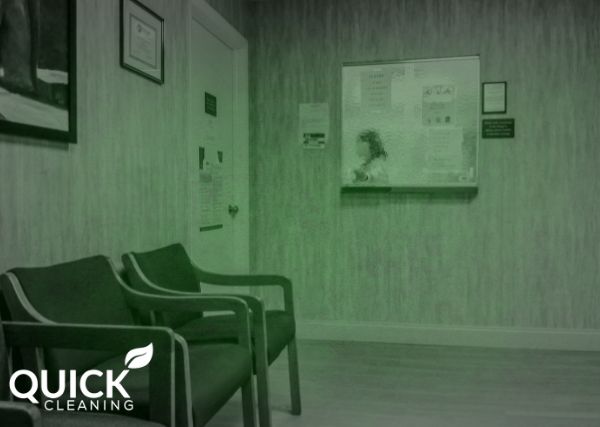
The reception and waiting area is the heart of your medical office’s first impression. High foot traffic and frequent direct contact with surfaces demand targeted cleaning protocols beyond simple tidiness.
Key Cleaning Focuses in Reception
- Desks and counters: Frequently disinfected to support infection control.
- Sign-in pads, pens, tablets: Wiped down between patients.
- Chairs and armrests: Include points patients and visitors touch most.
- Magazines, brochures: Reduce shared items or rotate replacements.
- Door handles and push plates: Clean multiple times daily.
Actionable Steps
- Use EPA-registered disinfectants specifically recommended for medical environments.
- Establish cleaning frequency based on visitor flow, not just routine schedules (read about schedule planning).
- Provide hand sanitizer stations at entry/exit points.
Patient Exam Rooms: Where Hygiene Cannot Be Compromised
Exam rooms see continuous turnover and are central to infection prevention. Properly cleaning every patient room—after each use and as part of a daily routine—prevents cross-contamination and ensures compliance.
Checklist for Exam Room Cleaning
- Exam tables: Clean and disinfect after every patient, paying extra attention to paper rolls and crevices.
- Stethoscopes, pulse oximeters, and shared diagnostic instruments: Wipe down per device protocol.
- Sinks, faucets, and soap dispensers: Disinfect regularly throughout the day.
- Light switches and drawer handles: High-touch, often overlooked; wipe frequently.
- Flooring: Spot clean spills and mop daily.
- Sharps disposal bins: Surface cleaned, checked for overfilling.
What Can Go Wrong?
- Missing corners or under-equipment areas.
- Shared computer keyboards and mice accumulating germs.
- Improper dwell times for disinfectant products.
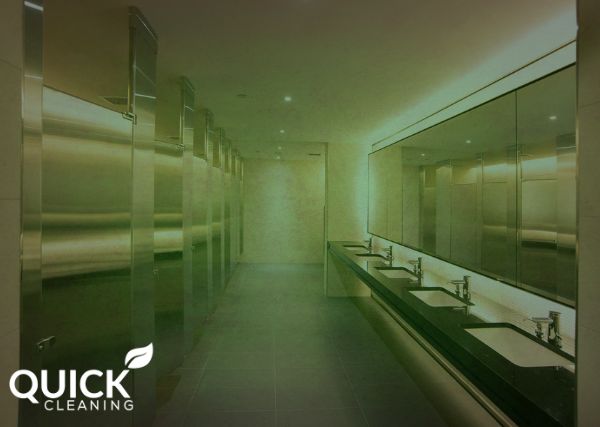
Restrooms and Staff Facilities: Infection Hotspots Needing Vigilance
Restrooms are hotspots for pathogens. Patients and staff rely on consistent, high-standard cleaning in these high-risk zones.
| Area | Ideal Cleaning Frequency | Risks If Neglected |
|---|---|---|
| Toilet handles & faucets | 3x daily minimum | Bacterial/viral transmission |
| Soap & towel dispensers | Daily & restock | Cross-contamination, low hand hygiene |
| Door handles & partitions | Multiple times/day | Spread by surface contact |
| Floors, walls | Daily/spot cleaning | Dirt buildup, slip hazards |
| Employee break rooms | After meals, end-of-day | Foodborne illness, pests |
Staff facilities also need daily attention—counters, sinks, appliances, and dining areas cleaned after each use with frequent disinfection of microwave/coffee maker handles and refrigerator doors.
High-Touch Surfaces: The Hidden Spreaders
Research has shown that the most common spots for germs in a medical office are not just in obvious places. Identifying and prioritizing high-touch surfaces is vital (explore germ hotspots).
- Door knobs/push bars
- Light switches
- Phone receivers
- Counter and chair arms
- Shared tablets and check-in devices
- Elevator buttons (in larger facilities)
CDC guidelines recommend matching disinfectant choice and frequency to touchpoint risk (see CDC cleaning guidance). A best practice is posting a cleaning log for staff visibility and accountability.
Medical Procedure Areas: Cleaning for Safety and Compliance
Minor surgery suites, treatment rooms, and dedicated procedure areas must follow more rigorous cleaning and disinfection protocols.
- Clean all horizontal surfaces between procedures, not just at end-of-day.
- Medical equipment: Use manufacturer-recommended agents. Avoid bleach on sensitive devices unless verified safe (infection prevention best practices).
- Air vents and light fixtures: Dust and wipe weekly to reduce airborne contamination.
- Flooring: Immediate spill cleanup required. Mop between procedures as needed.
- Sterile supply areas: Only trained staff allowed; cleaning limited to dusting/disinfecting surfaces without compromising sterility.
Tips for Reducing Infection Risk
- Color-coded cleaning tools to prevent cross-contamination.
- Protocols for donning/removing gloves, disposing wipes safely.
- Continuous training for cleaning staff on newest regulations (
review compliance here).
Administrative Workspaces: Clean for Productivity and Wellness
Administrative offices in a medical facility are often overlooked but contribute to overall infection prevention. Regular disinfection supports staff wellness and productivity.
- Desk surfaces and computer equipment: Disinfect daily, avoid aerosol sprays that can damage electronics.
- Shared office supplies: Limit sharing where possible and wipe between uses.
- Phones, headsets, staplers: Focus on hand and face contact points.
- Document trays and mail slots: Remove dust and reduce paper clutter.
Cleaning frequency should reflect office usage and shared space density. More frequent cleaning is needed during cold/flu season and heightened community illness periods.
Floors and Carpets: More Than Meets the Eye
Beneath the surface, flooring in medical offices gathers dust, allergens, and contaminants. Proper floor care is about more than aesthetics.
- Entry areas: Mats to capture dirt and regular vacuuming keep pathogens from spreading.
- Tile or vinyl floors: Daily mopping with medical-grade disinfectants.
- Carpeted areas: Scheduled deep cleaning and spot treatment for spills.
- Clinic corridors: Increased cleaning during wet or snowy Chicago weather.
Choose cleaning products according to surface type, avoiding abrasive materials. For specialized cleaning or to address difficult stains, request deep cleaning support.
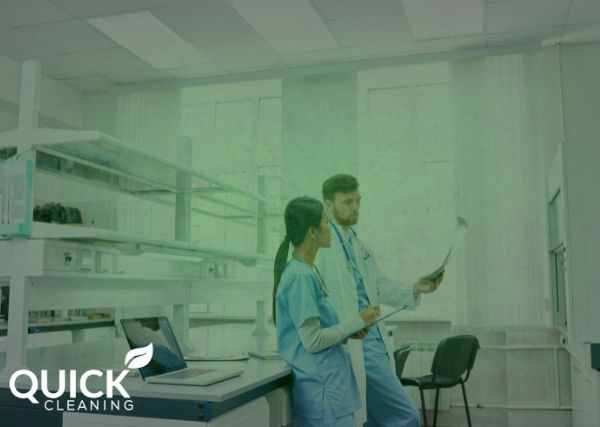
Specialty Spaces: Labs, Imaging, and Storage Areas
Special-purpose rooms like laboratories and storage areas have unique cleaning standards. Strict protocols prevent accidental cross-contamination of specimens, chemicals, or clean inventory.
Lab and Imaging Suites
- Counters and benches: Clean after each test or imaging procedure with appropriate cleansers.
- Equipment touchscreens, buttons, handles: Disinfect after each patient.
- Blood draw chairs and trays: Disinfect between uses.
- Biohazard disposal bins: Surface clean, replace liners as scheduled.
Storage and Utility Areas
- Restock shelves to allow easy access for dusting and disinfecting.
- Regularly check for expired or leaking supplies.
HVAC and Air Quality Areas: Invisible But Essential
Airborne risks in medical offices require regular cleaning of vents, ductwork, and filters.
- Air supply and return vents: Dust weekly, check for visible buildup.
- Change HVAC filters as scheduled; more often during heavy pollen or flu seasons.
- Consider air purifiers in high-risk zones.
- Clean ceiling fans and light fixtures monthly.
Waste Disposal Areas: Managing Hazards Effectively
Medical waste zones—sharps containers, biohazard bins, and soiled linen storage—require vigilant cleaning protocols to prevent exposure and regulatory infractions.
- Exterior surfaces of waste bins: Disinfect daily or after spills.
- Immediate removal of full containers.
- Staff training on safe waste handling and area decontamination.
- Signage to prevent accidental contamination.
Critical Cleaning Framework: Creating and Auditing Your Checklist
An actionable, area-based checklist brings consistency and compliance to your cleaning program. Break tasks down by frequency and risk level:
- After each use: Exam tables, medical instruments, patient chairs.
- Multiple times daily: Reception surfaces, restrooms, door handles.
- Daily: Floors, administrative desks, break rooms.
- Weekly: Air vents, storage and supply rooms.
- Monthly: Deep clean of carpets, air ducts, infrequently used spaces.
Maintain written logs for each essential area. Periodically audit using reference protocols (see cleaning protocol guidance).
Understanding Cleaning Products and Equipment for Medical Offices
Not all cleaning products are created equal. Selecting the right one is crucial for patient safety and compliance.
- Use EPA-registered disinfectants proven effective against healthcare pathogens.
- Avoid scented, non-medical products in patient care and procedure areas.
- Check dwell time (contact time) needed for each product; adjust protocols accordingly.
- Use color-coded cloths and mop heads for different rooms to prevent cross-contamination.
- Train staff on handling and PPE requirements for different cleaning chemicals.
Regulatory Requirements and Best Practices for Medical Office Cleaning
Medical office cleaning is governed by strict codes to ensure safety and compliance. Regulations from OSHA, CDC, and local health departments dictate protocols and documentation. In Chicago, it’s common to incorporate updates from evolving guidelines and best-practice recommendations (review medical cleaning regulations in detail).
- Maintain MSDS/SDS sheets for all chemicals on-site.
- Staff must wear appropriate personal protective equipment (PPE).
- Protocols for isolation rooms or specialty clinics may differ.
- Regular QA audits with corrective action documentation.
When to Bring in Professional Cleaning Support
Even with a dedicated internal team, periodic professional cleaning ensures high standards and regulatory compliance. Reasons to consider expert support from companies such as QUICK CLEANING:
- Specialty facility needs (pediatrics, diagnostic imaging, outpatient surgery).
- Managing staff absences, peak patient times, or post-construction cleaning (see construction cleaning).
- Meeting inspection and accreditation requirements.
- Access to advanced cleaning equipment and up-to-date protocols.
For regular office cleaning needs, request office cleaning service to supplement your in-house routines.
Choosing the Right Medical Office Cleaning Company: Decision Factors
When selecting a medical office cleaning partner, consider these criteria:
- Staff training in medical disinfection and regulatory compliance.
- Ability to customize cleaning schedules for patient flow and specific facility zones.
- Transparent pricing, insurance, and bonding.
- Experience with facilities of similar size and type in Chicago.
- Proven record of reliability and communication.
Book medical cleaning services to ensure every essential area is kept clean to the highest industry standards.
Frequently Asked Questions About Essential Area Cleaning in Medical Offices
- What are the most commonly missed essential areas in medical office cleaning?
High-touch objects like phone receivers, computer keyboards, and underneath sink fixtures are often missed. Regular audits and a robust checklist help prevent these oversights. - How often should staff restrooms and break rooms be cleaned?
Ideally, restrooms should be cleaned multiple times per day and break rooms sanitized after every meal period, with end-of-day cleaning focusing on appliances and high-contact surfaces. - What disinfectants are safest for use in patient care areas?
EPA-registered disinfectants specifically rated for healthcare are recommended. Avoid bleach unless approved for a specific application and follow all manufacturer guidelines. - Can regular office cleaning checklists be used in a medical office?
Medical offices require specialized checklists tailored for infection control, frequency, and compliance. Generic office checklists are not sufficient. - How can staff ensure cleaning protocols are always followed?
Train regularly, use visible cleaning logs, and hold scheduled audits. Encourage team feedback to identify process gaps. - What should be included in an exam room cleaning protocol?
Sanitize exam tables between patients, clean shared instruments, handle waste promptly, and wipe high-touch areas like drawer handles, light switches, and computer accessories. - How do medical office cleaning requirements differ from spa or gym facilities?
Medical offices have stricter infection control, regulatory standards, and documentation protocols. See comparative facility cleaning insights at gym cleaning services or spa cleaning options. - What steps can reduce dust and airborne pathogens in medical offices?
Routine HVAC vent cleaning, regular filter changes, and keeping floors dry/clean are essential. Consider additional air purification in high-risk or allergy-sensitive zones. - How does compliance with regulations impact cleaning routines?
Regulations determine chemical safety, PPE use, cleaning frequency, documentation, and staff training. Compliance protects your practice legally and clinically. - Are professional cleaning services required for every medical facility?
While smaller clinics may manage with in-house staff, regular professional deep cleaning ensures coverage of high-risk areas and regulatory updates, especially during inspections or post-event situations.
Conclusion: Raising Standards Across Every Area
Keeping essential areas clean in a medical office isn’t about checklist compliance alone—it’s about creating a healthier, more reassuring environment for all. By focusing on high-traffic and high-touch zones, customizing cleaning to patient flow, and following regulatory best practices, Chicago medical offices safeguard staff and patient wellbeing. For dedicated support or specialty cleaning, QUICK CLEANING is committed to maintaining your office’s highest level of cleanliness and hygiene.
About QUICK CLEANING
QUICK CLEANING is the trusted name for medical, residential, and specialized facility cleaning in Chicago, Illinois and surrounding areas. Our trained staff follow strict protocols and detailed checklists to consistently deliver superior hygiene. From recurring house cleaning and move out services to dedicated office and medical facility solutions, QUICK CLEANING uses professional products and attentive methods tailored to each client’s needs. We emphasize communication, flexible scheduling, and building long-term relationships. Ready to elevate your facility’s standards? QUICK CLEANING helps households and businesses in Chicago keep their environments healthy, safe, and welcoming.
cleaning companies in chicago, medical office cleaning Chicago., medical office cleaning in Lansing IL, medical office cleaning in Lockport, medical office cleaning in Harvey, doctor office cleaning Cicero, medical cleaning Algonquin, doctor office cleaning Lombard, medical office cleaning Bucktown IL, healthcare facility cleaning Burbank IL