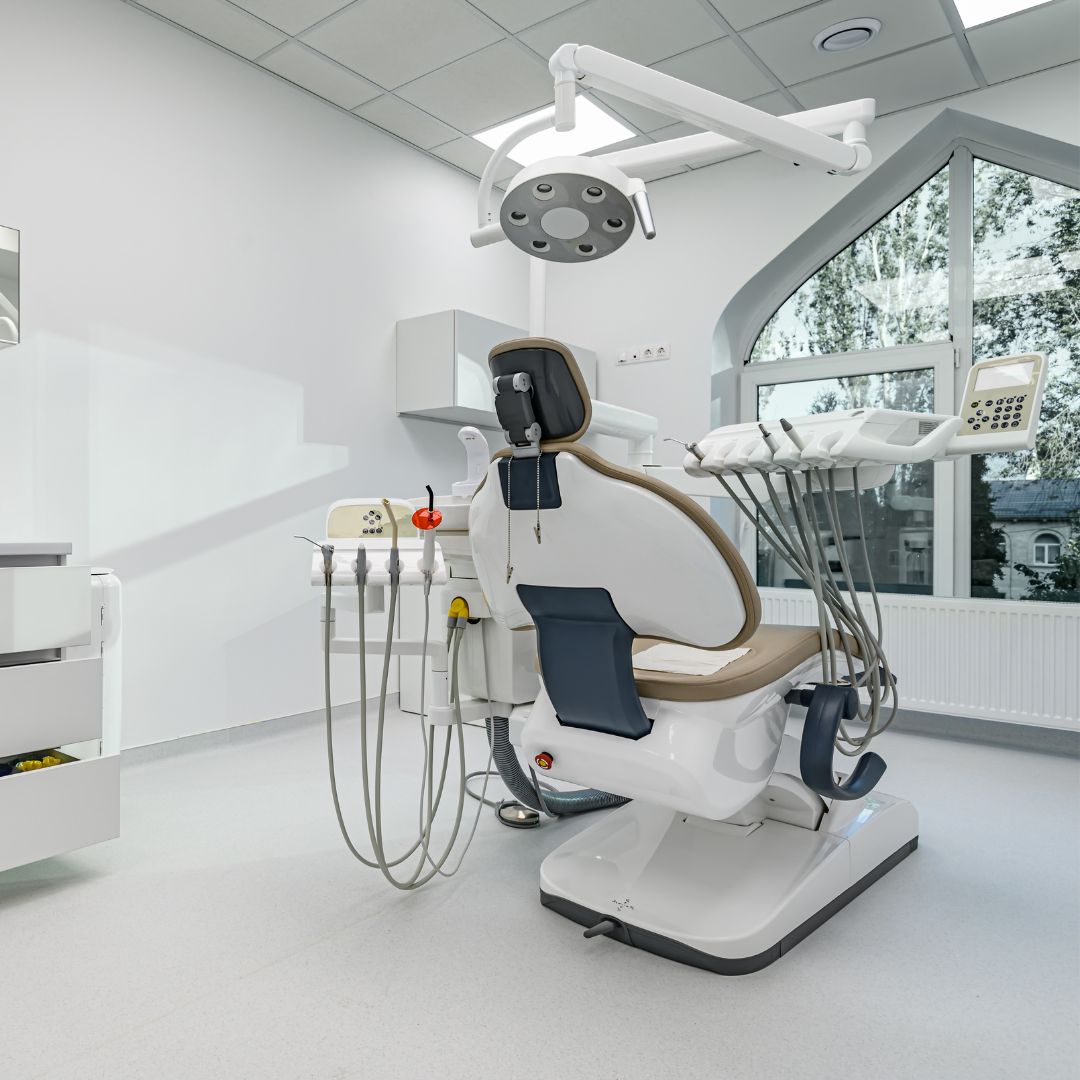
Understanding the Regulations for Medical Office Cleaning Services: A Complete Guide
For anyone responsible for managing or selecting a cleaning provider for a medical office, the question is critical: Are there any regulations that medical office cleaning services must adhere to? The answer is a resounding “yes”—medical offices are subject to a unique web of cleaning standards and laws that go far beyond basic janitorial work. In this comprehensive guide, QUICK CLEANING unpacks the full regulatory landscape, from federal mandates to daily protocols. Whether you oversee a clinic, dental suite, specialist practice, or facility in Chicago, this article will equip you to understand, verify, and demand compliance from any prospective cleaning partner.
Why Medical Office Cleaning Is Highly Regulated
Healthcare environments are held to stringent standards because patient health and safety are directly at stake. Unlike typical offices, medical practices are sites of potential disease transmission, biohazard exposure, and legally protected health information handling. Cleaning services must therefore comply with a complex mix of federal, state, and sometimes municipal regulations.
- Infection control: Cleaners reduce the risk of cross-contamination.
- Regulatory enforcement: Agencies conduct random and scheduled inspections.
- Legal liability: Non-compliance can lead to lawsuits or loss of accreditation.
Key Regulatory Authorities Overseeing Medical Office Cleaning
Understanding the main agencies ensures you know which legal frameworks professional cleaning companies must follow.
- OSHA (Occupational Safety and Health Administration): Sets worker safety standards for exposure to bloodborne pathogens and chemicals.
- CDC (Centers for Disease Control and Prevention): Issues infection control and disinfection guidelines for healthcare settings.
- EPA (Environmental Protection Agency): Regulates which as disinfectants must be used and maintains the List N for approved products.
- State health departments: Illinois Department of Public Health enforces specific state sanitary codes.
- Accrediting bodies: Clinics may also be covered by Joint Commission, AAAHC, or specific medical board regulations.
Foundational Cleaning and Disinfection Standards in Healthcare
Medical office cleaning services must follow rigorous cleaning protocols, not just visual cleanliness but also microbial disinfection.
- Use of appropriate EPA-registered disinfectants suitable for medical environments.
- Adherence to CDC-recommended cleaning frequencies for patient rooms, waiting areas, bathrooms, and high-touch surfaces.
- Implementation of standard operating procedures (SOPs) that guide cleaning sequences and log activities.
- For more on protocol creation, see cleaning and disinfection protocols in medical offices.
Regulatory Table: Who Regulates What in Medical Office Cleaning?
| Authority | Area of Regulation | Examples |
|---|---|---|
| OSHA | Worker Safety | Bloodborne Pathogens, PPE use, chemical labeling |
| CDC | Infection Control | Hand hygiene, disinfection steps, cleaning intervals |
| EPA | Product Approval | Disinfectant List N, chemical efficacy |
| Illinois Dept. of Public Health | Facility Hygiene | Sanitary codes, inspection schedules |
OSHA Standards Impacting Medical Office Cleaning
The Occupational Safety and Health Administration (OSHA) requires cleaning companies working in healthcare environments to:
- Train all staff on bloodborne pathogen protocols (e.g., handling potentially infectious materials).
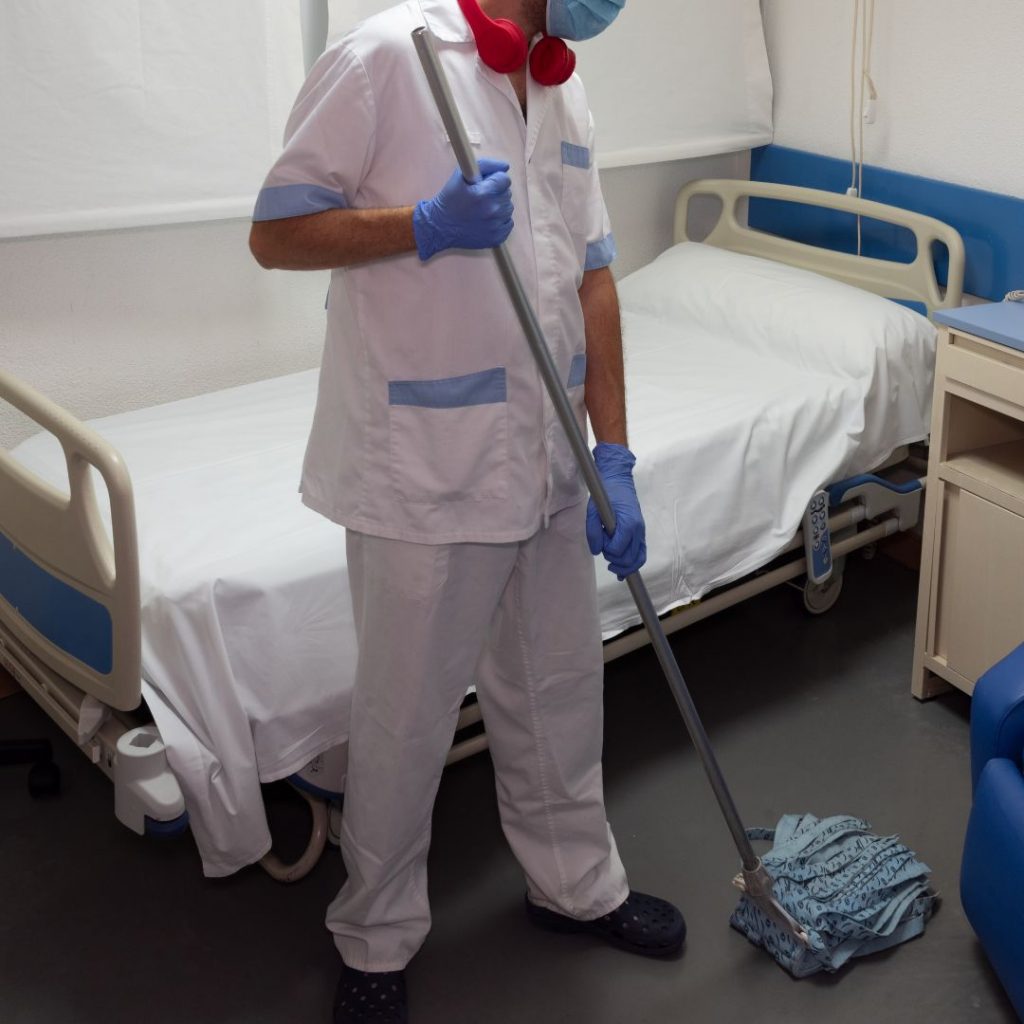
- Provide and enforce use of personal protective equipment (PPE): gloves, masks, gowns as needed.
- Supply clear labels and safety data sheets (SDS) for all cleaning chemicals on site.
- Implement proper incident reporting for exposures or spills.
For detailed OSHA guidance, refer to their official materials or recognized certification programs such as those found at Barbicide Certification for environmental cleaning personnel.
EPA-Approved Cleaning Agents for Healthcare Environments
Not every product is suitable for sanitizing medical spaces. The EPA maintains a list of approved disinfectants for healthcare use (List N). Requirements include:
- Documented efficacy against a spectrum of pathogens (such as MRSA, influenza, and emerging viruses).
- Safe and correct dilution and dwell time, per product instructions.
- Strict record-keeping of which agents are used, where, and when.
Using unapproved cleansers can render your facility non-compliant during inspections.
CDC-Backed Protocols and Frequency for Critical Medical Areas
The CDC recommends specific cleaning frequencies for areas such as exam rooms, surgical suites, restrooms, and common areas. For example, high-touch surfaces may require cleaning multiple times a day, while low-traffic areas follow less intensive schedules.
- View a breakdown of daily, weekly, and periodic cleaning in this guide on cleaning frequency in medical offices.
- Typical frequency guidelines:
- Patient rooms: Between each patient and daily
- Lobby/waiting areas: At least daily + after high traffic
- Bathrooms: Multiple times per day
- Exam equipment: After every use
Compliance with Illinois Sanitary and Health Codes
State-level rules, such as those set by the Illinois Department of Public Health (IDPH), mandate specific actions for medical office cleanliness, equipment storage, and waste handling. Examples include:
- Cleaning schedules must be posted and followed for all clinical and public areas.
- Special considerations for pediatric or specialized facilities.
- Documentation required for infection prevention audits.
PPE, Training, and Certification Requirements for Cleaning Staff
Cleaning staff in medical offices are not standard janitors; they must receive regular, documented training on:
- Proper donning, use, and disposal of PPE.
- Differentiating between cleaning, disinfecting, and sterilizing protocols.
- Exposure control plans and how to react to biohazard events.
- Safe handling of sharps and splash-prone waste.
- Many providers require at least annual refresher training and may recommend recognized environmental care certifications such as Barbicide Certification.
Special Protocols for Biohazard and Regulated Medical Waste
Disposal of sharps, blood-soaked items, and biological samples is governed by strict rules:
- Biohazard bins must be used for all regulated waste and clearly marked.
- Transport and storage must follow local and federal standards.
- Staff must never mix regulated waste with standard trash.
- Records of waste pickup/disposal must be maintained.
Ignoring these steps can result in severe penalties and health risks.
Checklist: How to Verify a Medical Office Cleaning Service’s Regulatory Compliance
- Request training documentation for all cleaning staff assigned to your facility.
- Verify that cleaners follow CDC and EPA protocols for disinfectant use.
- Ensure OSHA procedures are integrated into daily operations.
- Ask about recent inspections or audits and how issues were addressed.
- Check for certifications specific to medical, dental, or specialty facility cleaning.
- Make sure all hazardous waste is handled and disposed of per Illinois law.
- Request copies of cleaning and disinfection logs upon request.
How Medical Office Cleaning Differs from Standard Commercial Cleaning
While commercial cleaning prioritizes general hygiene, medical office services add levels of regulatory and procedural complexity. Some distinguishing factors:
- Disinfection, not just cleaning: Bacteria and virus removal, not just dust and debris.
- Detailed logs: Documented compliance for every shift or zone.
- Handling of regulated waste: Sharps, specimens, and biofluids.
- Regular staff education: To maintain up-to-date compliance as rules evolve.
For more on what sets these environments apart, see what is medical office cleaning and why is it important.
Evaluating Cleaning Providers: Questions to Ask About Compliance
- What agencies or regulations guide your protocols for medical clients?
- How do you train staff in OSHA and infection control?
- Do you track cleaning and disinfection with verifiable logs?
- Which EPA-approved products do you use?
- How do you manage biohazard and regulated waste?
- How often are your protocols reviewed or updated?
Choosing a provider experienced in regulated environments can help safeguard your staff, patients, and reputation.
Practical Scenarios: Regulatory Compliance in Action
- Post-exposure cleanup: After incidents like spills or needle sticks, only trained and PPE-equipped cleaners should handle the site, document the event, and log all remedial actions.
- Audit-ready records: Staff keep a binder—physical or digital—of SDS sheets, cleaning schedules, and proof of product use for inspectors.
- Cross-contamination prevention: Changes of gloves between areas and use of color-coded equipment for different zones reduce infection risk.
Failing any of these points can lead to failed health department audits or worse.
High-Risk Areas for Special Cleaning Attention
Certain zones and surfaces require stricter adherence to standards because of higher exposure to pathogens:
- Exam tables and chairs
- Restrooms and sinks
- Reception counters and doorknobs
- Shared medical equipment
- Waiting room furniture
For deeper information on critical zones, see essential areas to keep clean in a medical office.
Staying Current: Regulatory Updates Affecting Medical Office Cleaning
Healthcare cleaning requirements continually evolve, especially in light of new diseases and increased scrutiny of facility hygiene.
- The EPA regularly updates disinfectant approvals and guidelines.
- Pandemic-era rules remain in effect in many clinics—routine protocol updates are critical.
- Regular consultation with public health authorities helps maintain compliance.
Comparing Medical Cleaning Regulations Across Different Facility Types
- Primary care offices: Focus on waiting areas, exam rooms, restrooms; moderate regulatory demand.
- Dental clinics: Specialized disinfection of dental chairs, X-ray equipment, and tools; often require additional certifications.
- Specialty clinics (e.g. surgical centers): Highest level of regulation, including sterilization and detailed waste controls.
- Urgent care / outpatient: Blend of hospital-level regulation with high traffic patterns.
The right cleaning service must understand and meet the standards unique to your operation.
FAQ: Medical Office Cleaning Regulations
- What laws require medical office cleaning compliance?
- Federal laws (OSHA, EPA), CDC guidelines, and state health codes set cleaning mandates for medical offices.
- Do cleaning crews need special training in healthcare facilities?
- Yes. Medical office cleaners need regular, documented training in infection control, hazardous waste handling, and the correct use of PPE.
- Which products are approved for disinfecting medical offices?
- Only EPA-registered disinfectants from List N or those rated for healthcare settings should be used.
- How is compliance with cleaning regulations monitored?
- Through audits by health departments, routine inspections, and internal record-keeping such as cleaning logs and material safety data sheets.
- What happens if a medical office fails a cleaning inspection?
- Consequences may include fines, mandatory corrective actions, damage to reputation, or even facility closure until compliance is restored.
- Where can I find resources on infection control?
- The CDC, EPA, state health departments, and recognized training organizations provide up-to-date standards and certifications for cleaning personnel.
- Do Chicago-area medical offices have unique rules?
- While most regulations are federal or state, local Chicago authorities may enforce additional health or sanitation codes, especially during outbreaks.
- How often should medical offices be cleaned for compliance?
- High-touch and patient-care areas should be cleaned multiple times daily; refer to CDC protocols and this guide on cleaning frequencies for full breakdowns.
- What should I look for in a compliant medical cleaning provider?
- Seek companies with a proven record in healthcare cleaning, up-to-date staff training, verified use of approved products, and documented compliance procedures.
Next Steps: Ensuring Your Medical Office Is Fully Compliant
Understanding Are there any regulations that medical office cleaning services must adhere to? is crucial to protect your staff, patients, and business. With federal, state, and local regulations intersecting, always demand transparent compliance documentation and ongoing staff education from your cleaning service.
- Want a reliable partner for medical office, dental, or facility cleaning? Book a medical office cleaning service.
- Need deep cleaning for specialized settings? Schedule deep cleaning today.
For more on protecting your work environment, explore common spots for germs in a medical office and understand the benefits of hiring professional cleaning for medical offices.
About QUICK CLEANING
QUICK CLEANING is a professional cleaning company serving Chicago, Illinois and nearby communities. With specialized expertise in recurring home cleaning, deep cleaning, move out cleaning, office cleaning, and cleaning for healthcare and specialty facilities, QUICK CLEANING focuses on high-quality service, strict adherence to cleaning checklists, and compliance with all relevant regulations. Our trained staff use professional equipment and approved products for every surface, supporting safe, healthy environments for both residential and business clients. QUICK CLEANING helps households and businesses in Chicago, Illinois and nearby areas keep their spaces clean and healthy.
medical office cleaning services Chicago, infection control, professional cleaning services, Chicago medical office cleaning service, medical offices, medical office cleaning in Glencoe IL, medical office cleaning Markham, medical building cleaning Niles, medical office cleaning in Libertyville IL, healthcare facility cleaning Dundee, healthcare facility cleaning Cedar Lake, medical office cleaning in Vernon Hills