Floor Polishing vs Floor Buffing: How to Choose the Right Treatment for Your Floors
When your floors start to lose their luster or show signs of wear, you may wonder what’s the best approach to restore them. Should you go with floor polishing or floor buffing? While these terms are often used interchangeably, they refer to different processes with specific outcomes and purposes. In this comprehensive guide, you’ll learn exactly what Floor Polishing vs Floor Buffing means, with step-by-step checklists, pros and cons, and how to decide which is best for your residential or commercial property in Chicago. Whether you manage an office, operate a business, or care for your home, these insights will help you understand the options for immaculate, durable, and hygienic floors. Let’s break down the differences, explore expert techniques, and set you up with professional decision frameworks.
Understanding Floor Polishing and Floor Buffing: Definitions & Core Purposes
Before you select a floor care service, it’s crucial to clearly define both polishing and buffing. Though both improve appearance, their methods and intended results differ significantly:
- Floor Polishing: A deeper restorative process that uses abrasives or compounds to remove a thin layer of the floor surface, eliminating scratches and minor imperfections. Polishing can enhance reflectivity and even out the finish on a range of materials, often as a final stage after stripping and cleaning.
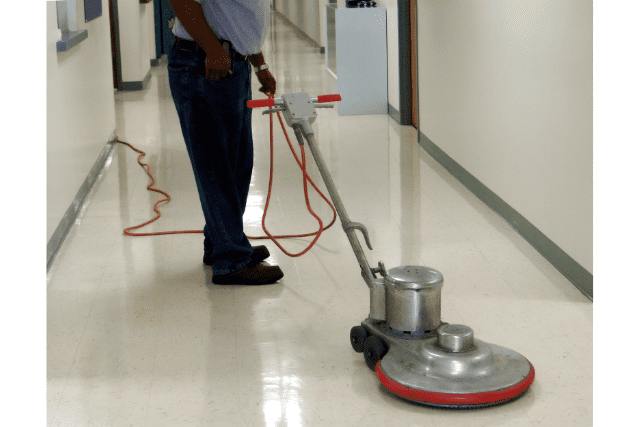
- Floor Buffing: A maintenance process using a spinning pad or brush to lift light dirt and scuffs, refreshing the shine on a sealed or waxed floor. Buffing doesn’t remove layers but rather smooths the existing finish, making it a quicker, less invasive procedure ideal for regular maintenance.
Choosing the right option starts with knowing your goals: restoration versus regular upkeep, gloss level, material type, and budget constraints.
The Science Behind Each Process: Polishing vs Buffing
How Polishing Works
- Involves abrasive pads or films, sometimes paired with chemical compounds.
- Removes micro-layers, reducing visibility of scratches, stains, haze, or etching.
- Commonly applied to stone (like marble), terrazzo, and some hardwoods.
How Buffing Works
- Uses a high- or low-speed machine with a soft pad that gently agitates the surface.
- Reduces minor scuffs, enhances gloss of the existing protective layer (like wax or sealant).
- Suitable for vinyl composite tile (VCT), linoleum, sealed wood, and more.
Key Differences: Floor Polishing vs Floor Buffing at a Glance
| Aspect | Floor Polishing | Floor Buffing |
|---|---|---|
| Primary Goal | Restore surface, remove imperfections, deepen gloss | Refresh shine, remove light soiling, maintain appearance |
| Method | Abrasive compounds & pads | Soft pads, friction action |
| Material Suitability | Stone, terrazzo, select hardwoods | VCT, linoleum, sealed floors |
| Frequency | Occasional, as needed | Routine, monthly/quarterly |
| Outcome | Smoother, long-lasting shine | Short-term gloss, minor flaw removal |
| Time/Cost | Higher | Lower |
When to Choose Floor Polishing: Situations & Material Types
- Your floors have visible scratches, minor pitting, or a dull, uneven finish.
- You want to restore the natural luster on stone, terrazzo, or certain hardwoods.
- The protective sealant has worn off and needs more than a light refresh.
- Recent construction, spill damage, or high-traffic wear has marred the appearance.
Tip: Polishing is ideal after stripping or deep cleaning, but always confirm floor material suitability to avoid damage.
When Floor Buffing Is Ideal: Maintenance and High-Traffic Scenarios
- The finish looks flat, but there are no deep scratches or stains.
- You want to elevate shine between full cleanings or waxing cycles.
- Floors in offices, hallways, and lobbies with daily foot traffic (VCT, linoleum, sealed concrete).
- Quick turnaround is crucial, such as before an event or open house.
For many commercial facilities in Chicago, floor buffing is a regular part of maintenance checklists to keep public areas presentable and safe.
Comparing Equipment and Materials: Tools for Professional Results
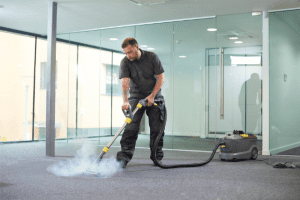
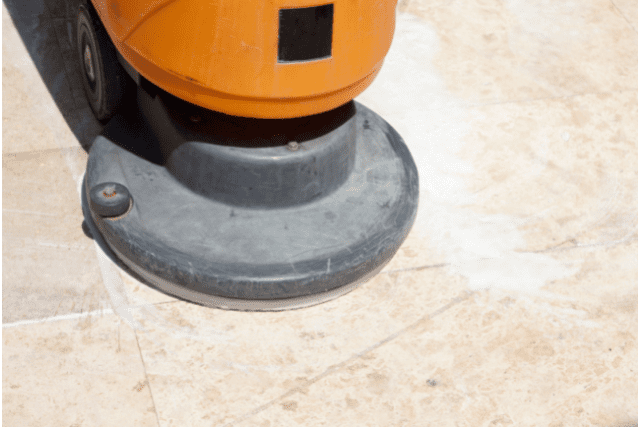
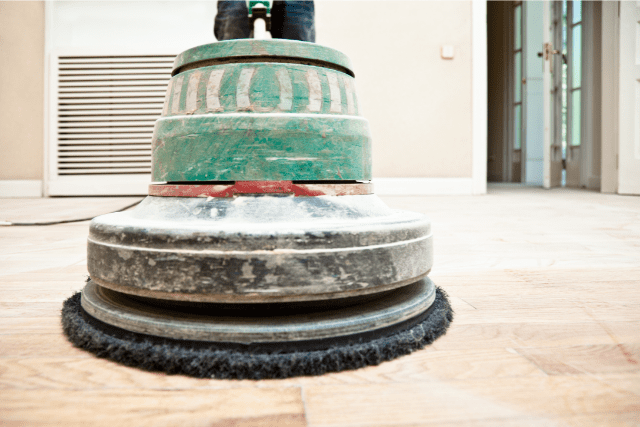
- Polishing machines: Variable-speed machines (often orbital), specialized pads, and sometimes diamond abrasives for stone surfaces.
- Buffing machines: Low- or high-speed rotary buffers (typically 175-1500+ RPM), non-abrasive pads, basic polish or spray treatments.
- Supplies: High-quality cleaning agents recommended by professionals. See a list of EPA Safer Choice cleaning products for safe, effective floor care chemicals.
Step-by-Step: What to Expect From a Professional Floor Polishing Service
- Pre-inspection and floor material assessment
- Removal of furniture and obstacles
- Thorough dry cleaning (dust/mop)
- (If needed) Deep cleaning to lift embedded dirt
- Application of polishing compound (if appropriate for surface)
- Use of variable-speed polisher and graded pads
- Inspection for uniformity and repeat as needed
- Final dust removal and optional sealant application
- Post-service review and aftercare guidance
Professional companies like Quick Cleaning adhere to strict checklists and focus on detail, assuring a safe, high-quality finish.
The Routine Buffing Process: Maintenance Steps for Shiny Floors
- Assessment for current finish and needed maintenance
- Surface cleaning: sweep and clean residual dust/debris
- Selection of correct buffing pad (color/type depends on finish and floor type)
- Application of spray buff solution (optional)
- Buffing at appropriate machine speed
- Walk-through to spot missed areas and repeat as required
- Replace furniture when area is fully dry
Buffing processes are quick, cause minimal disruption, and can be planned outside of business hours or when residents are away.
Polishing and Buffing by Floor Type: The Material Compatibility Guide
- Hardwood: Often needs periodic polishing, but not all finishes are safe for buffing (consult a pro).
- Natural Stone (Marble, Terrazzo): Best restored via polishing to remove etches and bring back gloss.
- Vinyl Composite Tile (VCT): Regular buffing preserves shine; occasional polishing if allowed by manufacturer.
- Laminate: Generally not suitable for either method; focus on gentle, approved cleaning.
Always double-check manufacturer recommendations and consult with professionals to avoid damaging specialty flooring materials.
How Floor Appearance and Safety Are Linked: Hygiene & Slip Resistance
- Residue buildup or uneven finishes after DIY efforts can reduce slip resistance.
- Professional floor care enhances not just looks but also compliance with workplace safety standards.
- Proper maintenance can prevent unsafe surfaces, as discussed in how a dirty floor can become a safety hazard.
Only professionals trained in material-specific approaches should handle polishing and buffing to ensure safety and compliance.
Frequency Recommendations: How Often Should You Polish or Buff Floors?
- Buffing: For high-traffic commercial spaces, buff monthly or quarterly. Homes and low-traffic areas, one to two times per year.
- Polishing: Annually or as needed, typically after noticeable dulling following multiple buff cycles or after heavy use or damage.
For tailored guidance on your facility’s floor care frequency, check out The Benefits of Cleaning Your Company’s Floor Regularly.
Decision Framework: How to Choose Between Floor Polishing and Buffing
- Identify your floor’s material and assess its current condition.
- Determine your goal: cosmetic touch-up or restoring full gloss and surface integrity.
- Review your maintenance schedule and budget.
- If unsure, consult a professional for an on-site evaluation.
For more details on what to look for in a commercial cleaning service, visit Things to Look Out For in a Commercial Cleaning Service.
Essential Professional Checklists: What to Expect From Your Cleaning Provider
- Pre-service consultation and transparent quoting.
- Customized floor care plan addressing your unique needs.
- Well-trained staff using safe, effective equipment and products.
- Post-service quality check and clear communication.
Quick Cleaning emphasizes detailed checklists and consistent standards for every project. You can learn more about their professional approach at quickcleanchicago.com.
Health and Environmental Factors: Safer Cleaning and Polishing Choices
- Request cleaning companies use products vetted by major health authorities, like those listed via the EPA Safer Choice program.
- If floors are in older buildings, make sure service providers follow proper safety protocols regarding possible lead content during refinishing; see the EPA Renovation, Repair and Painting Program for more info.
- Ask for clear communication around residue, air quality, and precautions needed during and after the work.
Beyond Looks: Floor Durability and Long-Term Value
Proper floor maintenance preserves investments in residential and commercial properties, prevents premature wear, and can even contribute to a positive perception of your business. For a deeper dive into maintenance best practices, see this commercial cleaning checklist.
- Choosing the right process maintains warranty coverage and material longevity.
- Consistent care reduces costly replacements and repair downtime.
Floor Polishing vs Floor Buffing: Real-World Scenarios from Chicago
- Scenario 1: A downtown office lobby with high-traffic terrazzo floors suffers from scratches and embedded dirt: Polishing restores the sheen prior to an important event.
- Scenario 2: An apartment complex features VCT hallways: routine buffing keeps them bright and welcoming for residents and guests.
- Scenario 3: An Airbnb host chooses semi-annual polishing for natural stone entryways to maintain property value and first impressions.
Common Questions: Floor Polishing and Buffing FAQ
- Can floor polishing remove deep scratches?
- Polishing is designed to remove minor scratches and etching but will not correct deep gouges. Some severe damage may require resurfacing or replacement.
- Is floor buffing suitable for all floor types?
- Buffing is safest on hard, sealed surfaces like VCT, linoleum, or certain sealed hardwoods. Never buff unsealed or delicate flooring without checking manufacturer guidelines.
- How long does each process take?
- Buffing typically takes 1–2 hours per average-sized room. Polishing can take longer, depending on floor material and issues present.
- Are there any risks in DIY polishing or buffing?
- Without proper training, you may damage floors or unevenly apply finishes, causing residue or slip hazards. Professionals follow strict protocols to mitigate these issues.
- What is the cost difference between polishing and buffing?
- Polishing is a more involved process, generally costing more than routine buffing due to labor, equipment, and materials needed. Costs vary by floor type and project size.
- Will these processes improve floor hygiene?
- Professional cleaning, polishing, and buffing reduce embedded soil and help maintain a sanitary environment by eliminating places for allergens and bacteria to hide.
- How can I prolong the effects of polishing or buffing?
- Regular cleaning, using walk-off mats, and prompt spill cleanup preserve floor finishes. Stick to recommended maintenance intervals—ask your provider for a care schedule.
- What should I look for in a professional cleaning provider?
- Look for trained staff, proper insurance, transparent pricing, service guarantees, positive reviews, and a proven floor care track record. See more at how to find commercial cleaning services.
- Do these methods use environmentally friendly products?
- Reputable Chicago cleaners like Quick Cleaning use approved solutions whenever possible. Always ask if your provider adheres to programs like EPA Safer Choice.
- Can both processes be performed on the same floor?
- Yes. Polishing is often followed by regular buffing to maintain results. The sequence depends on floor type and wear patterns.
Summary and Next Steps: Making Your Floor Care Decision
Whether you’re a homeowner, property manager, or business owner in Chicago, knowing the distinction between floor polishing and buffing empowers you to maintain beautiful, hygienic, and long-lasting floors. Use the decision frameworks and checklists here to determine your needs, and don’t hesitate to request a professional assessment from a trusted company like Quick Cleaning. Need recurring house cleaning, move-out care, or office floor maintenance? Explore house cleaning, move-out cleaning, or office floor care options with our trained team.
About Quick Cleaning
Quick Cleaning is a leading cleaning company serving Chicago, Illinois and nearby communities. Our experienced team specializes in recurring house cleaning, deep cleaning, move out cleaning, office care, and specialized facility maintenance. We use professional-grade products, strict protocols, and attention to detail to deliver superior cleanliness and hygiene for homes, businesses, apartment communities, and public spaces.
We have flexible scheduling and emphasize transparent communication, clear pricing, and building long-term client relationships. Our mission is to help local households and organizations maintain welcoming, healthy environments—every time.
polishing machines, best cleaning services chicago, Chicago Commercial Cleaning, commercial cleaning contractors, commercial cleaning company Crystal Lake IL, commercial cleaning companies in Bradley, Elgin commercial cleaning companies, Riverside commercial cleaning companies, commercial cleaning company Bannockburn, Glencoe commercial cleaning