
Mastering the Gym Cleaning Procedure: A Comprehensive Guide to Professional Gym Hygiene
With hundreds of people moving in and out each day, gyms quickly become magnets for germs, sweat, and stubborn grime. Maintaining a spotless facility isn’t just about first impressions—it’s essential for health, safety, and the reputation of your business. In this comprehensive guide, we break down the gym cleaning procedure used by professional cleaning specialists, providing actionable checklists, clear scheduling advice, explanations of service differences, and practical decision frameworks. Whether you manage a gym, own a fitness studio, or are researching how top cleaning companies like Quick Cleaning deliver results, you’ll find the trusted, step-by-step guidance you need.
Understanding the Unique Challenges of Gym Environments
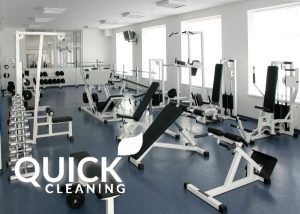
Gyms present a distinct cleaning challenge due to the continuous flow of people, persistent moisture, and constant equipment usage. Recognizing these unique factors helps shape every detail of a gym cleaning procedure, ensuring thoroughness and health compliance.
- High-touch points: Free weights, machines, locker handles, and door push plates are touched by dozens of people each hour.
- Moisture and humidity: Showers and steam areas amplify mold and bacteria growth.
- Varied surfaces: From rubber mats to metal equipment and glass mirrors, each requires specific cleaning techniques.
- Air quality concerns: Dust and odors accumulate quickly, especially in poorly ventilated areas.
Understanding these conditions is the first step to designing an effective gym cleaning procedure—and why professional expertise is often required.
Core Elements of a Professional Gym Cleaning Procedure
An effective gym cleaning procedure is built on a combination of process, frequency, product choices, and quality checks. Below are the pillars most cleaning companies—including Quick Cleaning—adhere to when servicing fitness environments:
- Customized cleaning schedules for daily, weekly, and monthly tasks
- Thorough disinfection of high-contact surfaces
- Proper treatment for specialty floors and equipment
- Attention to restrooms, showers, and locker rooms
- Ventilation and air quality management
- Strict product usage and safety protocols
We’ll unpack each step and share how you can implement (or audit) these in your facility.
Step-by-Step: Standard Gym Cleaning Procedure Workflow
Professional cleaners rely on a standardized sequence to maximize thoroughness and efficiency. Here is a breakdown of a typical process:
- Preparation and Site Inspection
- Walkthrough with facility manager to note priority areas
- Secure valuables and sensitive equipment
- Ventilate area if needed and don appropriate PPE
- Dry Dusting and Debris Removal
- Start from highest surfaces (vents, ledges) and work downward
- Empty trash bins and replace liners
- Surface Cleaning: Equipment and Furniture
- Wipe down cardio equipment, strength machines, free weights with suitable detergent
- Disinfect all touchpoints
- Floor Care and Mat Maintenance
- Vacuum rugs and mats, mop hard floors with recommended solution
- Spot clean stains and buff as needed
- Shower, Locker, and Restroom Sanitation
- Descale faucets and showerheads
- Disinfect benches, lockers, floors, and fixtures
- Restock paper and soap
- Final Detail and Quality Check
- Check for remaining smudges, fingerprints, or missed trash
- Log completed work and report facility issues
Comparing Daily, Weekly, and Deep Cleaning Tasks in Gyms
Effective gym hygiene relies on a mix of daily attention and periodic deep cleans. Here’s a structured comparison of tasks at different frequencies:
| Task | Daily | Weekly | Monthly/Deep |
|---|---|---|---|
| Disinfect equipment | ✔ | ||
| Empty trash/replenish supplies | ✔ | ||
| Clean mirrors/windows | ✔ | ✔ | |
| Mop/vacuum floors | ✔ | ✔ | |
| Restroom & shower scrubbing | ✔ | ✔ | ✔ |
| Machine/weight deep clean | ✔ | ||
| Vent/dust ceiling/fixtures | ✔ | ✔ | |
| Sanitize mats/carpets | ✔ | ✔ | |
| Disinfect locker interiors | ✔ | ✔ |
This division helps staff or service providers maintain top standards between full-service visits. For a practical set of tips, see this guide on gym cleaning tips.
Key Differences Between Professional and In-House Gym Cleaning
It’s natural to wonder whether your team could manage gym cleaning versus hiring professionals. Here are critical contrasts:
- Expertise: Professional teams are trained to address virus hot spots, use hospital-grade disinfectants, and spot facility-level issues.
- Consistency: A company like Quick Cleaning offers quality standards and reliable documentation on every visit.
- Product selection: High-grade, surface-appropriate cleaners safe for both equipment and users are consistently used.
- Depth of service: Deep cleans and specialty restoration (extraction cleaning of mats, deodorizing fitness rooms) go beyond what most in-house staff attempt routinely.
- Frequency and scale: Ability to provide both scheduled and emergency (same-day) service, ideal for busy gyms or after events.
While internal efforts help between visits, the assurance of professional cleaning is hard to match for liability, documentation, and sanitary standards.
Developing Your Gym’s Custom Cleaning Checklist
No two fitness centers have the same layout or cleaning needs. Building a tailored checklist ensures nothing gets missed and helps staff stay on track.
Sample Checklist for Gym Cleaning Procedure
- Reception/countertops: disinfect surfaces and sanitizer dispensers
- Cardio & weight equipment: wipe down handles, screens, seats
- Mats/flooring: vacuum, mop, dry thoroughly
- Group fitness areas: focus on shared props & mirrors
- Showers/lockers: descale, disinfect, restock supplies
- Restrooms: clean toilets, sinks, doors, and refill disposables
- High/exposed surfaces: dust and sanitize vents, ledges, fans
- Entryways: sweep and mop, tidy clutter, clean glass
Regular audits and updating the checklist as your facility adapts (seasonal changes, equipment upgrades) are crucial. For deeper tips tailored to your operation, read our gym cleaning tips article.
Hygiene and Infection Prevention in Busy Gym Settings
Gyms serve as breeding grounds for bacteria and viruses if hygiene protocols are lax. Adherence to a robust cleaning procedure protects both members and staff. Consider these critical points:
- Use EPA-registered disinfectants suitable for athletic equipment (find eco-friendly disinfectant guidance here).
- Allow surfaces to remain wet for the recommended dwell time to ensure germ kill.
- Encourage members to use hand sanitizers and wipes at stations between cleaning rounds.
- Frequently check and refill sanitation supplies, especially in peak hours.
Documenting each cleaning session and posting visible cleaning logs supports accountability and community trust.
Cleaning Gym Equipment: Material-Specific Approaches
Different materials react differently to chemicals and cleaning frequencies. Here’s a breakdown for common gym assets:
- Rubber Mats: Use non-acidic detergents, rinse, and allow full drying to prevent mildew.
- Metal Equipment: Wipe with mild solutions; avoid excess moisture to prevent rust.
- Touch Screens & Consoles: Use alcohol-based wipes designed for electronics.
- Upholstery/Benches: Disinfect with approved cleaners, ensure no residue is left to avoid skin irritation.
- Mirrors & Glass: Streak-free glass cleaner, clean microfiber cloths to minimize smudging.
Specialty equipment may come with manufacturer instructions—these should be followed for warranty and safety.
Strategies for Managing Odors and Air Quality in Gyms
Odors quickly affect member satisfaction. Part of a thorough gym cleaning procedure is proactively controlling air quality:
- Regular clean and maintenance of HVAC and ventilation systems
- Use of odor-neutralizing cleaning solutions (not just fragrances)
- Immediate addressing of moist areas and leaks
- Placing moisture absorbers in locker rooms as needed
For fitness centers with unique challenges (such as pool areas or sauna rooms), custom air filtration and cleaning routines may be required. For specialized service insights, see commercial cleaning solutions.
Timing and Scheduling: How Often Should Gyms Be Cleaned?
Frequency recommendations depend on facility type, traffic, and equipment. As a general rule, professional cleaning companies recommend:
- Main workout/equipment areas: Daily thorough cleaning, with member wipe-downs between sessions.
- Locker rooms, showers, restrooms: Cleaned at least once per day, more often during busy times.
- Group fitness studios: Before and after each class.
- Deep cleaning/sanitization: Monthly or quarterly, depending on usage.
Seasonal changes or outbreaks (like flu season) may call for increased frequency. Professional teams can adapt schedules for move-outs, events, or health advisories—see more about event cleaning best practices.
Green and Safe Products: Choosing the Right Cleaners for Gyms
Safe cleaning is non-negotiable in environments where people sweat, breathe heavily, and often touch surfaces directly. What to consider:
- EPA-approved, low-toxicity disinfectants (see EPA’s greener products list)
- No-residue formulas to avoid slips and skin irritation
- Proper dilution, storage, and labeling as per safety standards
- Training for correct use to protect equipment and facility finishes
The right cleaning company will use professional, site-appropriate products for each zone, leaving your gym safe and welcoming for all users.
Safety Protocols and Staff Training During the Gym Cleaning Procedure
For both gym members and cleaning personnel, safety must come first:
- Personal Protective Equipment (PPE) such as gloves and masks worn as required
- Clear signage for ‘wet floor’ or ‘restricted access’ during cleaning
- Staff training in chemical handling and emergency response
- Regular review and updating of MSDS (Material Safety Data Sheets)
- Reporting of maintenance issues discovered during cleaning, such as broken tiles or loose equipment
Professional partners will have transparent safety policies and staff vetting, as seen in well-established companies.
Post-Cleaning Quality Checks and Documentation
A truly professional gym cleaning procedure ends with meticulous quality assurance:
- Supervisory walkthroughs after service completion
- Photographic or written documentation of problem areas addressed
- Client feedback forms and ongoing communication
- Routine review of supply stock and condition of dispensers
Consistent documentation strengthens accountability and provides a valuable record in case of health audits or incident reports.
How to Choose the Right Cleaning Company for Your Gym
Not all cleaning companies are equipped to serve gyms. Here’s a selection checklist to find the ideal partner:
- Industry specialization: Look for companies with experience in fitness, not just general janitorial services.
- Transparent checklists and communication: Ensure clear expectations and reporting.
- Flexible scheduling: To work around class times or heavy use periods.
- Proper insurance and staff training: Essential for liability and consistent results.
Quick Cleaning, for example, provides these standards in every contract. To explore recurring or deep cleaning options, browse deep cleaning services.
Best Practices for Coordinating In-House and Professional Cleaning Efforts
Combining daily internal cleaning with periodic professional deep cleans yields the best results. Effective gym owners:
- Assign specific daily responsibilities to internal staff (such as restocking supplies and hourly wipe-downs)
- Keep a visible master cleaning log for all staff and contractors to update
- Work with their cleaning service to review feedback and adjust task lists regularly
- Host briefings or refresher training on hygiene expectations
This collaboration minimizes overlooked areas and maximizes the health of your gym community. Find more guidance at this gym management resource.
When to Schedule Deep Cleaning or Specialized Services
Beyond the routine, some situations call for additional cleaning interventions:
- After major fitness events or competitions
- High-traffic periods (New Year’s, membership drives)
- Seasonal or periodic deep cleans (at minimum, quarterly)
- Response to illness outbreaks or accidents
- Before or after renovations or maintenance
Professional services like same-day cleaning can address urgent needs and minimize downtime.
Frequently Asked Questions About Gym Cleaning Procedures
How often should gym equipment be disinfected?
Disinfection should occur at least daily, with additional interim wipe-downs by members or staff during peak times.
What cleaning products are safe for gym surfaces?
Look for EPA-approved solutions designed for fitness equipment and compatibility with a variety of materials. Many professionals reference EPA greener cleaning products for safe options.
Who is responsible for gym cleaning—staff or contracted companies?
Most gyms combine daily basic cleaning by staff with supplemental professional cleaning for thoroughness and compliance.
How do I verify the quality of cleaning work?
Request documentation, before-and-after photos, or routine reports from your cleaning company. Quick Cleaning provides quality checks with every job.
What’s the difference between regular cleaning and deep cleaning in a gym?
Regular cleaning involves daily disinfection and tidying; deep cleaning refers to intensive scrubbing, detailed extraction, and thorough disinfection of all gym areas, often performed monthly or quarterly.
Is green cleaning possible in a gym setting?
Yes—many professionals use eco-friendly disinfectants. Review resources like the EPA’s greener products list for options.
What can members do to help keep the gym clean?
Wipe equipment before and after use, use personal towels, and dispose of trash promptly.
How are odors managed in gyms?
Routine cleaning, proper ventilation, and targeted odor neutralizers keep the facility fresh. Ongoing maintenance of drains, mats, and HVAC is essential.
Do gym cleaning procedures need to comply with regulations?
Yes—especially in Chicago and similar metro areas, compliance with health codes and best practice standards is required.
Conclusion: Setting Up a Reliable Gym Cleaning Procedure
A well-structured gym cleaning procedure safeguards your reputation, community health, and the longevity of your facility and equipment. By following an organized plan, adopting professional standards, and maintaining flexible yet rigorous schedules, you ensure your gym stands out for both cleanliness and care.
For tailored professional support, consider exploring Gym cleaning services or contact Quick Cleaning for a personalized consultation on optimizing your gym’s hygiene protocols.
About Quick Cleaning
Quick Cleaning is a trusted provider of residential and commercial cleaning, serving households and businesses in Chicago, Illinois and surrounding areas. Specializing in recurring house cleaning, deep cleaning, move out cleaning, office, and facility cleaning, our trained staff follow detailed checklists and consistent cleaning standards. Count on Quick Cleaning for attention to high-touch areas, flexible scheduling, transparent communication, and long-term client care. For more information, visit Quick Cleaning.


the surfaces,, cleaning companies, Gym Cleaning Chicago, Gym Cleaning Service Chicago, gym cleaning Crest Hill IL, health club cleaning Logan Square, health club cleaning Loop, workout studio cleaning Lake Forest, gym sanitation cleaning Evergreen Park IL, gym cleaning Hillside, gym sanitation cleaning Rosemont