How Chicago High-Rise Buildings Handle Common Area Cleaning: A Complete Framework
Shared spaces in Chicago high-rise buildings—from residential lobbies to elevators and office corridors—set the tone for visitors and tenants alike. Yet, maintaining cleanliness and hygiene in these expansive environments presents unique challenges. In this guide, you’ll discover how Chicago high-rise buildings handle common area cleaning with systematic frameworks, expert protocols, frequency planning, and the decision-making strategies needed to keep every shared space spotless, safe, and welcoming.
Defining Common Areas in Chicago High-Rises
Before exploring cleaning protocols, it’s vital to clarify what constitutes ‘common areas’ in high-rise properties. These may include:
- Lobbies and vestibules
- Hallways and corridors
- Stairwells and elevators
- Shared restrooms
- Mail rooms and package rooms
- Laundry facilities (for residential buildings)
- Fitness and recreation spaces
- Meeting rooms and lounges
- Parking garages and shared exterior entryways
Each area draws distinct levels of traffic, requires different cleaning methods, and is subject to varying regulatory standards.
The Unique Cleaning Demands of High-Rise Common Areas
What makes high-rise common area cleaning in Chicago especially complex?
- High Traffic & Wear: Constant movement magnifies dirt and contamination.
- Diverse Surfaces: Glass, metal, carpet, marble, tile, and elevator buttons demand tailored products and approaches.
- Continuous Use: 24/7 activity limits available downtime for thorough cleaning.
- Health & Safety Regulations: Adherence to local and federal hygiene codes is non-negotiable.
- Expectation Management: Residents, tenants, and visitors demand visible cleanliness.
These factors require specialized scheduling, advanced equipment, and well-trained cleaning teams.
Stakeholder Responsibilities: Who Handles What?
Successful common area maintenance depends on clear assignment of responsibilities among:
- Building Management: Orchestrates cleaning contracts, sets standards, and communicates protocols.
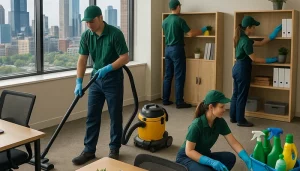
- Professional Cleaning Providers: Trained to follow detailed checklists, use proper chemicals, and ensure regulatory compliance.
- Maintenance Staff: May handle light daily tasks or emergencies.
- Residents/Tenants: Responsibility for reporting issues and respecting shared areas.
Chicago high-rises often outsource daily and deep cleaning to reputable companies like Quick Cleaning, ensuring consistency and quality standards.
Establishing a Common Area Cleaning Schedule
The frequency and level of cleaning for each area depend on usage, risk of contamination, and specific building needs. Below is a comparison of standard cleaning frequencies:
| Area | Daily | Weekly | Monthly |
|---|---|---|---|
| Lobbies | ✔ | ||
| Elevators | ✔ | ||
| Restrooms | ✔ | ||
| Corridors | ✔ | ||
| Mail/Package Rooms | ✔ | ✔ | |
| Laundry Facilities | ✔ | ||
| Fitness Rooms | ✔ | ||
| Meeting/Lounge Spaces | ✔ | ||
| Parking Garages | ✔ | ✔ | |
| Stairwells | ✔ | ✔ |
Schedules are fine-tuned by management, with busier or high-risk spaces cleaned more often.
Cleaning Protocols: Step-by-Step Overview for Key Areas
Lobbies and Entrances
- Dusting and wiping surfaces (doors, counters, baseboards)
- Glass polishing (doors and windows)
- Vacuuming/mopping all flooring
- Spot cleaning walls and visible marks
Elevators
- Button disinfection (multiple times per day)
- Metal surface polishing
- Mirror/glass cleaning
- Floor vacuum/mop (as traffic requires)
Restrooms
- Toilet and urinal sanitation
- Sink and counter disinfection
- Paper and soap restocking
- Floor mopping with disinfectant
Corridors and Stairwells
- Vacuuming or wet cleaning floors
- Wiping handrails
- Touch-up paint checks and minor repairs
Well-defined checklists ensure attention to detail in every task, a process Quick Cleaning emphasizes with all staff.
Disinfection and High-Touch Surface Strategies
High-rise environments are especially vulnerable to germs in communal areas. Key high-touch points include:
- Elevator buttons and handles
- Door knobs and push plates
- Intercoms and keypads
- Mailbox surfaces
- Light switches and thermostat panels
Best practice includes disinfecting these surfaces multiple times daily, especially during flu season or public health advisories. Science-backed advice from the National Center for Biotechnology Information (NCBI) explains how thorough surface disinfection reduces the transmission of pathogens in community settings.
Green Cleaning Initiatives in Modern High-Rises
Chicago buildings are increasingly shifting towards eco-friendly cleaning to:
- Minimize chemical exposure for occupants
- Protect indoor air quality
- Comply with evolving sustainability standards
Green cleaning protocols utilize:
- Non-toxic certified cleaning agents
- Microfiber tools for superior particle capture
- Resource-saving scheduling (e.g., targeted cleaning during off-peak hours)
For an in-depth comparison of green cleaning versus traditional cleaning—including environmental and health benefits—see this dedicated educational resource.
Regulatory Standards and Compliance in Common Area Cleaning
Chicago high-rise cleaning companies must comply with:
- Local building codes for hygiene and sanitation
- OSHA requirements for workplace safety
- EPA guidelines for approved cleaning agents
- Accessible facility standard regulations (ADA)
Many buildings also adopt protocols recommended by organizations such as the Event Safety Alliance to enhance preparedness and minimize operational risk.
Cleaning Product Selection and Surface Care
Different materials require specialized care:
- Marble and stone: Use neutral pH cleaners; avoid acidic products to prevent etching.
- Carpeted floors: Hot water extraction for deep cleaning; daily vacuuming for maintenance.
- Metal fixtures: Specialty polishes to avoid tarnishing.
- Glass and mirrored surfaces: Streak-free solutions using microfiber cloths.
Using improper products can damage building assets—one more reason for relying on trained professionals.
Communication, Scheduling, and Resident Engagement
Consistency in cleaning services requires:
- Transparent communication about cleaning schedules
- Methods for residents/tenants to report concerns
- Clear notifications prior to major deep cleans or specialized services
Regular updates, digital notifications, or lobby postings keep everyone informed and promote community responsibility for shared spaces.
Emergency and Incident Cleaning Protocols
From unexpected spills to significant biohazard incidents, high-rise teams need rapid-response guidelines. Effective protocols include:
- Immediate containment and signage for incidents
- Certified personnel for hazardous materials or infectious waste
- Specialized disinfection for exposure-prone areas
Professional companies carry insurance and training specifically for emergency response and compliance with health regulations.
Maintenance Versus Deep Cleaning: Planning and Differences
Day-to-day ‘maintenance cleaning’ keeps common areas presentable, but routine deep cleaning is crucial for:
- Carpet extraction and hard floor waxing
- Tile and grout scrubbing
- HVAC vent cleaning
- Intensive disinfection (e.g., during outbreaks)
Deep cleaning is typically scheduled quarterly or biannually. For more on building-specific schedules and tasks, refer to advanced building maintenance strategies.
Staff Training and Professional Standards in High-Rise Cleaning
Expertise is non-negotiable in complex environments. Reputable providers:
- Train teams on enzyme and chemical safety
- Conduct background checks for staff working in residential spaces
- Maintain up-to-date safety certifications
- Provide proper uniforms and protective equipment
Detailed onboarding and continuous education mean cleaning staff recognize risks, select correct products, and uphold confidentiality where needed.
Decision Path: Choosing the Right Cleaning Partner for High-Rises
What should management and boards look for when selecting a company?
- Demonstrated experience with high-rises and large buildings
- Customizable, checklist-driven service plans
- Transparent communication channels
- Comprehensive insurance and training documentation
For a full breakdown, reference the expert evaluation guide for commercial cleaning companies.
Integrating Technology and Innovations in Common Area Maintenance
Modern Chicago high-rises increasingly adopt:
- Digital work order platforms for cleaning staff
- AI-based quality control and reporting tools
- Real-time feedback mechanisms for tenants
Robotics are gaining ground for repetitive tasks like floor sweeping in large corridors. For insights on how technology shapes safety and efficiency, see how AI is transforming building cleaning.
Resident and Tenant Expectations: Building Trust Through Cleanliness
Research and practical experience show that consistent, visible cleaning reassures residents, visitors, and staff. Management can foster confidence by:
- Posting real-time cleaning logs in lobbies
- Inviting feedback and suggestions on standards
- Highlighting certifications and safety measures
Such efforts demonstrate ongoing commitment to health, safety, and comfort within high-rise communities.
Checklist: Essential Elements of High-Rise Common Area Cleaning
- Up-to-date, area-specific cleaning checklists
- Regular disinfection of high-touch surfaces
- Scheduled deep cleaning and periodic maintenance
- Transparent communication and incident reporting
- Eco-friendly product use and sustainability standards
- Consistent documentation and compliance with codes
- Staff training verification and background checks
- Adoption of digital tools for efficiency
Frequently Asked Questions About High-Rise Common Area Cleaning
How often should high-traffic common areas be cleaned in a Chicago high-rise?
Daily cleaning is recommended for lobbies, elevators, and restrooms. High-touch points may require multiple daily wipe-downs, especially during periods of increased illness or tenant turnover. Deep cleaning should be scheduled quarterly at minimum.
What products are safest for cleaning shared spaces?
Professional cleaning companies use EPA-approved disinfectants, neutral pH cleaners for sensitive surfaces, and non-toxic agents when possible, supporting both safety and eco-friendly initiatives.
How are emergencies (e.g., spills, biohazards) handled?
Incidents are quickly contained and cordoned off. Trained staff follow protocols for safe cleanup and regulatory compliance, and may deploy specialized biohazard response teams when needed.
Are cleaning logs or reports visible to residents?
Many Chicago high-rises post daily or weekly logs in lobbies or via digital platforms. This transparency reassures occupants and encourages accountability.
Does green cleaning really make a difference in high-rise environments?
Yes. Green products reduce VOCs (volatile organic compounds), improve indoor air quality, and minimize allergen build-up, which is especially important in densely populated buildings.
Should management use in-house staff or professional cleaning company contracts?
Larger or complex buildings often rely on dedicated cleaning providers for expertise, consistency, and regulatory compliance. In-house teams may handle minor or emergency tasks under professional oversight.
How can tenants provide feedback about cleaning standards?
Feedback boxes, resident portals, or direct communication with building management are common channels. Many buildings also encourage digital surveys after deep cleans or major service visits.
How is cleaning customized for different building zones?
Each area gets a tailored checklist based on materials, usage, and risk—what’s right for a lobby is different from a gym or hallway. Cleaning companies like Quick Cleaning consult with management to fine-tune these protocols.
Conclusion: Setting the Standard for High-Rise Common Area Hygiene
Effective common area cleaning in Chicago’s high-rises is a well-planned, team-driven endeavor—balancing daily routines, deep cleaning cycles, green practices, and regulatory compliance. The result is not just visual appeal but tangible health and safety benefits for every occupant and visitor. Building management and cleaning partners are tasked not just to clean, but to inspire trust and set a standard for urban living.
If you’re seeking a professional partner for recurring house or office cleaning—or need help with high-rise move out cleaning—Residential cleaning service and office cleaning service are available through trusted Chicago providers.
About Quick Cleaning
Quick Cleaning helps households and businesses in Chicago, Illinois and nearby areas keep their spaces clean and healthy. With expert teams trained in recurring house cleaning, deep cleaning, move out cleaning, office cleaning, and specialty facility cleaning, Quick Cleaning follows strict checklists, invests in staff education, uses commercial-grade equipment, and communicates with transparency. Clients trust Quick Cleaning for attention to detail, green standards, flexible scheduling, and long-term partnership across all cleaning needs.

local cleaning services, office and commercial cleaning, commercial cleaning chicago il, commercial cleaning Evanston, commercial cleaning Markham, commercial cleaning contractors in the city of Montgomery, Elmhurst commercial cleaning companies, commercial cleaning companies in Hyde Park, commercial cleaning contractors in River Grove IL, commercial cleaning company Glenview