
How Clean Paint Off Surfaces: A Complete Guide for Homes & Commercial Spaces
If you’ve ever found paint splattered on the wrong surface—your hardwood floor, windows, stainless steel, or walls—you know it can be stressful to remove it safely. This comprehensive guide delivers everything you need to know about how clean paint off surfaces without damaging the underlying material, whether you’re a homeowner, property manager, business owner, or facility director. We’ll give you step-by-step checklists, decision strategies, safety protocols, and recommendations on when to consider a professional cleaning company like Quick Cleaning for optimal results.
Understanding Paint Types and Their Residue
To start, it’s essential to understand the type of paint you are dealing with as this impacts which removal methods are safe and effective. The most common types are:
- Water-based (Latex/Acrylic): Easy to clean when wet, slightly harder when dry.
- Oil-based: Requires solvents for removal, poses bigger risks for sensitive materials.
- Specialty paints: Such as epoxy or enamel, often found in commercial settings like healthcare or retail.
Always review the manufacturer’s label for safety and cleaning advice before proceeding. This identification step is critical for making the right removal choice.
Checklist: Preparation Steps Before Removing Paint
- Test a small, inconspicuous area to check for surface resilience to the chosen cleaning product.
- Ventilate the space if using solvents or strong cleaning agents.
- Wear gloves, eye protection, and, for strong fumes, a mask or respirator.
- Gather all supplies: rags, scrapers (plastic preferred), appropriate solvents or detergents, water, and protective covers for nearby items.
- Mark off and protect any undamaged areas before cleaning.
These steps help prevent accidental damage and maintain indoor air quality. For commercial properties, always align with national safety standards for cleaning staff.
Deciding Between DIY and Professional Paint Removal
- DIY paint removal is appropriate for small stains on non-porous, robust surfaces (tile, glass, sealed wood).
- Professional services are recommended when the stain is large, on sensitive or high-value surfaces, or in a setting that requires hygiene and compliance (childcare, healthcare, hospitality, offices).
Decision Framework Table: DIY vs. Hire a Pro
| Surface & Environment | DIY Suitable? | Professional Advised? |
|---|---|---|
| Glass/windows | Yes (small spots) | If large or multiple layers |
| Hardwood floors | For minor drips only | For large/old stains, or if floor is untreated |
| Carpet/fabrics | Spot test; often best to call a pro | Yes (to avoid permanent damage) |
| Commercial premises | Small, non-critical areas only | For compliance/safety and large surface areas |
If in doubt, consult with a cleaning specialist to avoid expensive mistakes. Certain surfaces, like educational or medical facilities, have stricter safety and chemical usage protocols—see our guide to avoiding cross-contamination.
Step-by-Step: Removing Paint From Hard Floors
1. Identify Surface Material
Surface type determines safe tools and solutions. Hardwood requires gentler methods than tile or vinyl.
2. Remove Loose Paint
Gently use a plastic scraper to lift any dried paint. Avoid metal tools which can scratch.
3. Clean Water-Based Paint
- Dampen a cloth with warm, soapy water and apply to the paint spot.
- Let it sit for several minutes, then gently rub in a circular motion until the paint loosens and lifts.
4. Clean Oil-Based Paint
- Use a small amount of mineral spirits on a cloth, testing a hidden section first.
- Do not oversaturate wood.
5. Rinse and Dry
Wipe up residues with a clean, damp cloth and then dry the area thoroughly to prevent slips or residue build-up.
For safety and slip-prevention tips, see our article on dirty floors and safety hazards.
Guidelines for Removing Paint From Carpets and Upholstery
- Blot up as much wet paint as possible using paper towels—avoid rubbing.
- Use cold water and mild detergent for water-based paint. Test first before applying to large areas.
- For dried stains, carefully apply a small amount of carpet-safe solvent, then blot.
- When in doubt or for persistent stains, contact a professional—improper cleaning can permanently set the stain.
For commercial settings, refer to protocols in cleaning’s impact on business success.
Removing Paint From Glass, Mirrors, and Metal Surfaces
- Soak the paint spot with warm, soapy water or a vinegar solution.
- Use a plastic scraper or razor blade (held at a 45-degree angle) to gently remove paint from smooth glass.
- For metal, test solvent in a small area first to avoid corrosion.
- Buff dry with a lint-free cloth to prevent streaks.
Extra caution needed: Only use blades on glass, never on plastic or coated surfaces.
Paint Removal Techniques for Walls and Ceilings
Walls (Painted Drywall/Plaster)
- Water-based: Dampen with soapy water and gently rub.
- Oil-based: Use isopropyl alcohol or a diluted solvent, testing first.
- Touch up with leftover wall paint after cleaning if needed.
Ceilings
- Dry scrape carefully, taking care not to gouge or damage the surface below.
- Work in small sections and check for drips or loose paint elsewhere.
Commercial property managers can minimize tenant turnover by ensuring paint stains are quickly and professionally addressed between leases. For more tips, see common things businesses forget to clean.
Special Considerations: Commercial Environments
- Public areas—lobbies, elevators, hallways—should be spot-checked daily for paint stains during or after renovations.
- Follow EPA-approved cleaning products for environmentally responsible methods and safety compliance.
- Protect decorative or specialty surfaces (murals, signage) with designated coverings during painting projects.
- Schedule after-hours paint removal to minimize disruption to tenants or employees.
Professional cleaning teams arrive with commercial-grade equipment and safe solvents, reducing downtime and ensuring regulatory approval.
Paint Removal in Sensitive Facilities: Daycares, Healthcare, and Hospitality
Paint management in sensitive environments calls for special attention. Only use cleaning agents that are child- and patient-safe, and always check for allergies or chemical sensitivities. Routine staff training on spill response can prevent lasting stains and health hazards. Review CDC and EPA guidelines for additional compliance.
- Document all cleaning actions (date, time, materials used).
- Prioritize rapid response to prevent paint drying and hardening.
- Consider recurring training for all cleaning team members—this is a core part of a well-managed cleaning checklist.
Eco-Friendly and Non-Toxic Paint Removal Options
- Citrus-based solvents: Good for light stains and safe for most surfaces.
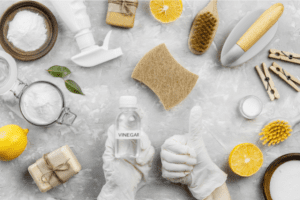
- Vinegar and baking soda: Effective on smooth surfaces, gentle on the environment.
- Always check product labels for eco-certifications and avoid unnecessary harsh chemicals, especially around children or pets.
Many professional cleaning companies in Chicago now offer green cleaning strategies—ask about these options when booking a service.
Aftercare: Restoring and Protecting Cleaned Surfaces
- Inspect the area: Ensure all paint residue and cleaning product traces are removed.
- Apply restorative products: Use wood polish, glass cleaner, or surface protectors as needed to restore shine.
- Document results: For commercial spaces, note what worked best for future maintenance guides.
Consider adding floor waxing or buffer treatments in high-traffic businesses to provide added resilience—see our floor waxing advantages article for more details.
Proactive Steps: Preventing Paint Spills and Stains
- Cover all surfaces with drop cloths or plastic sheeting before painting or renovation.
- Instruct paint contractors to label and protect areas especially prone to drips (corners, doorways).
- Schedule a post-paint inspection walk-through to catch issues early.
- Establish cleaning response protocols for your team or tenants—clear steps mean quicker, better clean-up.
Prevention is always easier and less expensive than restoration, particularly in commercial and rental properties.
Decision-Making: When to Choose Professional Paint Cleaning Services
- Large or multi-surface paint accidents.
- High-value or delicate materials (antique wood, natural stone).
- Time sensitivity—when rapid reopening of a space is required.
- Regulated environments (hospitals, food services, childcare, etc.).
- Lack of appropriate tools or knowledge.
If you match any of the above, connect with a specialist. Deep cleaning services provide expertise for tricky paint jobs without the risk of damage.
Sample Checklist: End-of-Project Paint Inspection
- Walk each room and mark any visible paint drips or smudges.
- Test affected areas for ease of paint removal.
- Prioritize high-traffic and customer-facing zones.
- Document spots requiring professional attention.
- Arrange periodic deep cleaning as needed.
FAQ: How Clean Paint Off Surfaces
- What is the safest way to clean paint off hardwood floors?
- Use a plastic scraper to lift as much as possible, followed by a cloth dampened with warm, soapy water. For stubborn spots, use a hardwood-safe cleaner.
- Can dried paint be removed from carpets?
- It’s possible if addressed quickly—test gentle solvents and blot. For set or old stains, professional cleaning is often more successful.
- Are there eco-friendly products for removing paint?
- Yes, citrus-based and vinegar solutions work on many surfaces. Always read labels to confirm material compatibility.
- Should I worry about fumes when using paint remover?
- Yes—ensure good ventilation, wear appropriate PPE, and select low-VOC or green products whenever possible, especially indoors.
- Is it expensive to hire a professional for paint removal?
- Costs are usually reasonable compared to potential damage. Many cleaning companies (including Quick Cleaning) offer tailored packages based on project size and material sensitivity.
- How do I prevent future paint stains?
- Use covers, label spill-prone zones, and train staff or tenants on quick response steps after painting projects.
Conclusion: Ensuring Clean, Paint-Free Surfaces for the Long-Term
Knowing how clean paint off surfaces—at home, in a business, or as a property manager—starts with the right assessment, safe products, and proven removal techniques. When in doubt, or when large or sensitive jobs are at stake, professional cleaning delivers the best outcome. For more in-depth commercial tips, visit our commercial cleaning checklist or explore guidance on how to find reliable cleaning services.
Ready for help? Consult with Quick Cleaning to ensure every surface is spotless and safer for everyone.
About Quick Cleaning
Quick Cleaning is a trusted provider of residential and commercial cleaning in Chicago, Illinois. Our expert team specializes in recurring house cleaning, deep cleaning, move out cleaning, office and specialty facility cleaning. With a commitment to detail, safety, and environmentally responsible products, Quick Cleaning helps households and businesses across the Chicago area maintain cleaner, healthier spaces. Our trained staff follow strict checklists and quality standards to deliver reliable, consistent results for every client.


hardwood floors, cleaning company in chicago, Commercial Cleaning Chicago, Commercial Cleaning Company in Chicago IL, Algonquin commercial cleaning companies, commercial cleaning contractors in the city of Brookfield, Evergreen Park commercial cleaning, commercial cleaning services in Bradley, commercial cleaning services in Itasca, commercial cleaning Bucktown, Fort Sheridan commercial cleaning