Eliminating Food Smells: A Complete Professional Cleaning Guide
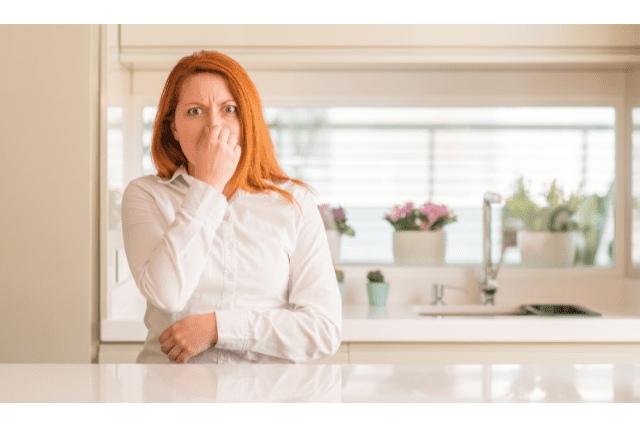
Lingering food smells after cooking can be one of the most frustrating challenges in homes and commercial kitchens alike. Whether it’s the aroma of last night’s stir-fry or persistent odors from takeout, knowing how to get rid of food smell is essential for maintaining a pleasant, hygienic environment. This guide offers a comprehensive, professional approach—covering immediate actions, deep cleaning routines, air quality control, and expert troubleshooting bases—so you can easily reclaim a fresh, welcoming space. Whether you’re a homeowner, property manager, or business owner in Chicago, you’ll find actionable checklists and science-backed answers here.
Understanding Why Food Smells Linger
- Odor particles adhere to surfaces and fabrics
- Oily vapors from cooking attach to walls, curtains, vents, and upholstery
- Poor ventilation keeps smells trapped inside rooms
- Bacteria and moisture can amplify odors, especially in high-use spaces
Recognizing the science behind lingering food smells helps you apply the right solutions from the start.
Immediate Steps to Tackle Food Odors
Ventilation Check
- Open windows and doors right after cooking
- Use exhaust fans in kitchens and adjacent rooms
Air Out Soft Materials
- Shake out curtains, rugs, and cushions
- Remove fabrics close to the cooking zone
Surface Quick-Clean
- Wipe down counters and stovetops with a degreasing solution
- Spray and wipe cabinet faces and vent hoods
Deep Cleaning Protocols for Stubborn Food Smell
If odors persist despite quick efforts, a more thorough cleaning routine is essential. Here’s what professionals recommend:
Kitchen and High-Touch Surface Checklist
- Degrease backsplash tiles, appliance exteriors, and door handles
- Clean inside the oven and microwave where baked-on spills trap odors
- Wipe refrigerator door gaskets and the drip tray regularly
- Launder all dish cloths, aprons, and hand towels
Carpet and Upholstery Treatment
- Vacuum with HEPA filters to remove fine particles and food debris
- Use fabric-safe deodorizers or schedule a professional steam cleaning
For rental units or frequent hosts, consider partnering with a specialized Airbnb cleaning team for thorough odor management between guests.
The Role of Air Quality and Filtration
Air quality solutions make a critical difference for chronic or spread-out food odors. Professional approaches may include:
- Upgrading HVAC filters (MERV 8+ recommended for better odor control)
- Using portable air purifiers with activated carbon filters
- Replacing or deep cleaning vent filters in kitchen exhaust systems
Consult authoritative resources, such as recommendations from the Centers for Disease Control and Prevention, for further science-backed indoor air quality guidance.
Natural Deodorizers: What Works (and What Doesn’t)
| Method | Effectiveness | Best Use Case |
|---|---|---|
| Baking soda bowls | High | Fridge, small spaces, carpets |
| White vinegar in open dish | High | Neutralizing smoke/fish odors |
| Coffee grounds in a tray | Moderate | Kitchens, musty rooms |
| Citrus peels simmered on stove | Moderate | Fast freshening after cooking |
| Store-bought sprays | Low-Moderate | Temporary effect, not for deep odors |
Pro tip: These methods are best as supplemental measures—not a replacement for deep cleaning or good ventilation.
How Professional Cleaning Tackles Persistent Food Smell
Certified Methods and Standards
- Use of commercial-grade, surface-specific cleaners
- Steam cleaning carpets, drapes, and upholstery using best practices like those outlined by the Institute of Inspection, Cleaning and Restoration Certification
- Replacing HVAC filters and deep-cleaning air ducts if needed
Benefits of Going Pro
- Access to specialized solutions for tough odor sources (e.g., fish, onions, spices)
- Comprehensive checklists ensuring no surface or corner is missed
- Expertise in safe and eco-friendly deodorizing products
If you need a specialty visit, deep cleaning for homes or restaurant cleaning solutions can address stubborn kitchen and dining area odors.
Comparing Room Types: Residential, Office, and Commercial Settings
- Applies in kitchens, dining rooms, living areas
- Soft furnishings and fabrics absorb the most odor
Offices
- Common areas and break rooms see frequent food heating and eating
- May need scheduled vent/air-purifier maintenance
Commercial/Food Facilities
- Open kitchens, customer dining zones, food storage locations
- Specialized cleaning in compliance with public health regulations
Each setting requires different frequency, products, and protocols for lasting results.
Kitchen Appliances: Cleaning and Preventive Measures
Oven and Microwave
- Run self-clean cycle or use a safe degreaser weekly
- Wipe inside walls, turntables, and trays
Refrigerator and Freezer
- Check for spoiled foods weekly; use baking soda inside
- Remove and soak drawers/shelves every season
Dishwasher
- Run empty with vinegar and baking soda on hot cycle monthly
Hygiene Checklist for Preventing Odor Build-Up
- Empty trash and recycling after cooking strong-smelling foods
- Wash cutting boards, knives, and cooking pans promptly
- Launder kitchen textiles weekly
- Check for hidden spills under appliances and in corners
- Schedule regular deep cleaning for kitchen and dining areas
Special Considerations: Food Smell in Rental Properties & Airbnb
- Turnover cleaning must address all potential odor sources—repairs, textiles, trash, HVAC vents
- Odor management is critical for guest reviews and property value
- For assistance, consider rental property cleaning to maintain a competitive edge
Addressing Food Smell in High-Sensitivity Environments
Some environments—like dental offices, educational facilities, or gyms—require odor management that meets higher safety and hygiene standards:
- Use only approved, hypoallergenic cleaning solutions
- Follow rigorous protocols for shared surfaces and air filtration
- Reference guidelines like those from CDC best practices on environmental cleaning
- Coordinate routine cleaning with professional dental office cleaning or commercial cleaning experts
Expert Troubleshooting for Persistent Odors
- Check inaccessible areas (e.g., under appliances, inside air ducts) for hidden residue
- Test for moisture or mold, especially in older properties (see also mold prevention guide)
- Consult restoration-certified technicians if odor persists after deep cleaning
Myth-Busting: What Not to Do When Battling Food Odors
- Do not mix bleach and ammonia-based cleaners; this creates dangerous fumes (see safety advice)
- Avoid covering smells with heavy fragrances instead of eliminating the source
- Don’t neglect ventilation—air movement is essential, even in winter
Routine Frequency: How Often to Address Food Smell
Daily: Ventilate, wipe major surfaces, empty bins
Weekly: Launder fabrics, clean appliances, check for hidden spills
Monthly: Deep-clean air filters, carpets, and upholstery
Seasonal: Professional deep cleaning for kitchens and common areas, especially in high-use properties
Frequency may vary based on use, cooking habits, and occupancy. Review bi-weekly cleaning tasks for optimal schedules.
Choosing the Right Cleaning Company for Odor Removal
- Look for transparency in methods, materials, and checklists
- Review client testimonials and case studies in similar properties
- Prioritize companies that offer certified, staff-trained cleaning (refer to the essential qualities of a maid service)
- Ensure flexible scheduling—one-time deep cleans vs. recurring service
High-Impact Prevention Tips
- Install a high-power vent hood and use it every time you cook
- Regularly maintain kitchen seals, caulking, and grout to prevent odor absorption
- Use lids on pots and pans to reduce airborne particles
- Promptly remediate moisture (see basement odor solutions)
- Adopt smart storage (airtight containers for leftovers, ingredients)
FAQ: Professional Approaches to Getting Rid of Food Smells
- How quickly can food smells be removed by professional cleaning?
- Visible odors often dissipate within a few hours post-cleaning, but deep-absorbed smells may require 24–48 hours and specialized deodorizing.
- Are specialty odor-neutralizing products safe for homes with children or pets?
- Yes—professional companies select hypoallergenic, non-toxic solutions suitable for sensitive environments. Always confirm with your provider.
- What if odors persist after repeated cleaning?
- Check for hidden sources (e.g., air ducts, behind walls, moisture issues) and ask for a professional assessment. Persistent odors sometimes signal wider air quality concerns.
- How can I maintain a fresh-smelling kitchen between deep cleans?
- Use a combination of good ventilation, routine fabric washing, and natural deodorizers like baking soda and vinegar. Prevention is as important as cleaning.
- Should I attempt to steam clean my own carpets or hire a pro?
- DIY steamers can help, but professionals use certified methods and equipment ensuring thorough extraction and deodorizing—especially for severe or recurring food smells.
- Does lingering food smell signal poor hygiene?
- Not necessarily—some foods naturally produce strong odors. However, frequent or lingering odors can indicate missed cleaning steps or ventilation issues.
- What role does air purification play in odor control?
- Air purifiers with activated carbon filters help trap and remove floating odor molecules, making them an effective supplement for kitchens and offices.
- How do cleaning pros ensure safety when using deodorizers or disinfectants?
- By applying best practices, referencing trusted standards like the IICRC’s S100 guidelines for cleaning and surface care, and maintaining transparency in chemical use.
Conclusion: Maintaining a Fresh, Odor-Free Space
Lingering food smell is a common but manageable challenge with the right information and cleaning approach. By combining daily ventilation, scheduled deep cleaning, and science-backed odor control methods, you can keep any home, office, or commercial space in Chicago fresh and welcoming. For specialized odor removal or to save time, consider booking a visit from trained professionals who bring both expertise and the right equipment.
About QUICK CLEANING
QUICK CLEANING helps households and businesses in Chicago, Illinois and nearby areas keep their spaces clean and healthy. Our highly-trained teams specialize in recurring house cleaning, deep cleaning, move out cleaning, office cleaning, and facility cleaning—always with strict quality standards, attention to detail, and care for your wellbeing. We are committed to transparent pricing, flexible scheduling, and long-term client relationships backed by real experience and professional cleaning products.

Spring, cleaning companies chicago, Maid Services Near Me, Maid Services Chicago, best maid service Fort Sheridan IL, cheap maid service Rogers Park, best maid service in Lincoln Park, Glen Ellyn maid cleaning, best maid service Bucktown, maid clean service Riverwoods, maid service Norridge IL