How To Get Rid of Mold in Homes and Businesses: The Expert Approach to Cleaner, Healthier Spaces
If you’ve discovered patches of mold in your home, office, or rental property, you’re not alone. Mold grows silently in hidden corners, basements, bathrooms, or anywhere moisture lingers, threatening property integrity and wellbeing. In this guide, you’ll learn how to get rid of mold for good—from pinpointing causes and safe cleaning, to when professional help is essential. At QUICK CLEANING, our specialists provide comprehensive strategies for tackling mold in Chicago’s residences and workplaces. Let’s dive in to protect your space, health, and peace of mind.
Mold Explained: What It Is, How It Starts, and Why It Matters
Mold is a type of fungus thriving in damp, poorly ventilated environments. Common household varieties include Aspergillus, Penicillium, and Stachybotrys (“black mold”). While mold spores are naturally present in the air, growth happens when they find moisture and organic matter to feed on, such as wood, paper, or even dust.
- Where mold grows: Bathrooms, kitchens, basements, attics, HVAC systems, windows, walls, ceilings, carpeting, and behind furniture.
- What mold needs to grow: Moisture (leaks or humidity), warmth, organic “food”, and darkness.
Unchecked mold not only mars surfaces but can trigger allergies, asthma, and serious health risks. Mold also damages building materials, leading to costly repairs. Understanding why mold matters is the first step in effective removal.
Early Mold Warning Signs: How to Spot Issues Before They Spread
Success in dealing with mold starts with vigilance. Common red flags include:
- Musty or “earthy” odors, especially after rain or in humid areas
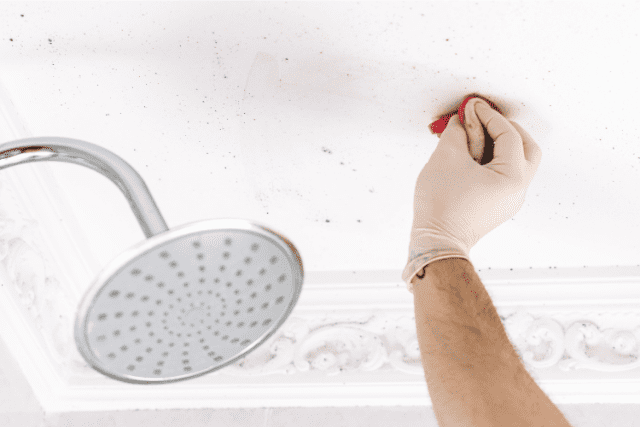
- Visible discoloration (black, green, or white spots) on walls, ceilings, or tiles
- Peeling paint or wallpaper
- Persistent condensation on windows or pipes
- Increased allergy symptoms (coughing, sneezing, eye irritation)
Walking your property monthly with a flashlight can reveal hidden mold in corners, behind cabinets, and under sinks.
Common Triggers for Mold Growth in Chicago Homes and Offices
The Windy City’s variable weather and older building stock mean residents of Chicago face unique mold challenges.
- Frequent rainstorms and snowmelt leading to leaks or flooding
- Poorly sealed windows or roofing
- Basement moisture from the city’s high groundwater table
- HVAC system condensation
- Drying laundry indoors without ventilation
Preventing mold requires fast action against any source of excess moisture. For a more detailed prevention approach, see our summer cleaning checklist for high-humidity seasons.
Assessing the Scale: Minor Mold Problems vs. Serious Infestations
Not all mold situations are equal. Proper assessment helps you choose between DIY and professional intervention. Here’s how to rate the problem:
| Extent of Mold | Description | Recommended Response |
|---|---|---|
| Small (Less than 10 sq. ft.) | Isolated spots (tiles, window sills, small surface patches) | DIY cleaning safe after checking safety steps |
| Moderate (10–30 sq. ft.) | Larger patches on walls, ceilings, or HVAC; mild odor | Consider professional consultation, especially for underlying moisture issues |
| Severe (Over 30 sq. ft.) | Widespread contamination; musty odor, possible structural damage | Professional mold remediation is highly recommended |
Note: If you suspect black mold or immune-sensitive occupants, always consult professionals.
Safety First: Mold Cleaning Protocols and Protective Equipment
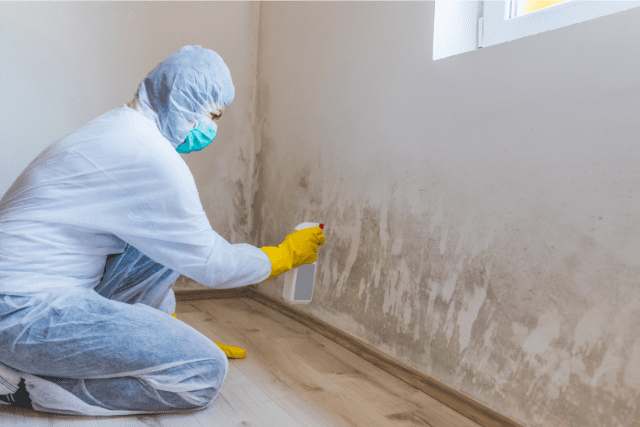
Before tackling any mold, prioritize safety for yourself and others. Mold spores can cause respiratory irritation and skin reactions—especially for those with allergies or asthma. Here’s how to prepare:
- Personal Protective Equipment (PPE):
- N95 respirator mask or higher-rated
- Gloves (disposable nitrile or rubber)
- Goggles (no ventilation holes)
- Long sleeves and pants (wash immediately after)
- Seal off the work area with plastic sheeting
- Ventilate by opening windows and using fans outward
- Never mix cleaning chemicals—see our guide: cleaning solutions you should never mix
For safe handling and chemical use, consult OSHA’s Hazard Communication guidelines.
Step-by-Step Process: How To Get Rid of Mold on Surfaces
- Identify and fix moisture sources (leaks, condensation, water intrusion)
- Remove movable items from the affected area (bag items for cleaning later)
- Apply a mold-killing cleaning solution:
- Commercial hydrogen peroxide cleaners or diluted bleach (1 cup bleach to 1 gallon of water)
- For porous materials like drywall or carpet, removal and replacement are often needed
- Use disposable towels or brushes to scrub affected surfaces
- Dispose of contaminated materials in double-bagged trash
- Allow surfaces to dry fully (dehumidifier or fans help)
Tip: Always conduct a final odor and spot check. If the musty smell lingers, hidden mold may persist beneath surfaces.
Special Challenges: Deep Cleaning Mold in Kitchens, Bathrooms, and Basements
Certain rooms are hotspots for mold due to continual moisture. Here’s a quick checklist for key areas:
- Kitchens: Clean under sinks, around dishwashers, backsplashes. Check refrigerator drip pans, and wall corners.
- Bathrooms: Scrub tiles, grout, bathtub caulking, toilet bases, and behind sinks. Keep fans running during and after showers.
- Basements: Inspect foundation walls, sump pump areas, window wells, and storage rooms. Use moisture barriers and dehumidifiers.
Remove and replace severely water-damaged carpeting or insulation for lasting results.
Mold Prevention for Homes, Offices, and Rental Properties
After a thorough cleaning, prevention is crucial. Mold can recur if underlying causes remain.
- Repair plumbing leaks swiftly
- Improve ventilation—use exhaust fans in bathrooms and kitchens
- Run a dehumidifier in damp spaces
- Keep gutters, downspouts, and foundations in good repair
- Maintain indoor humidity between 30–50%
- Regularly inspect high-risk zones (monthly walkthroughs)
If you manage rental or Airbnb properties, preventive maintenance can save you costly remediation down the line. For hospitality properties, see our Airbnb cleaning page for more service details.
Choosing Between DIY and Professional Mold Remediation
DIY is reasonable for small spots, but large, hidden, or hazardous infestations require expertise. Here’s when to call professionals:
- The affected area is larger than a standard bath towel (over 10 sq. ft.)
- The source of water is unclear or continues despite attempted repair
- Mold returns after cleaning
- Infestation is near HVAC or ductwork
- You or others have allergies or health sensitivities
QUICK CLEANING’s team brings experience, specialized equipment, and follows all recommended safety protocols. Visit our deep cleaning services for more details.
Professional Cleaning Workflows: What to Expect During a Mold Remediation Visit
- Inspection & moisture assessment: Using moisture meters and thermal imaging to find hidden leaks.
- Containment: Sealing the work zone to prevent spore spread. Negative air machines may be used.
- Surface cleaning & removal: Safe removal of unsalvageable materials. HEPA vacuuming & disinfection.
- Drying: Industrial fans and dehumidifiers quickly dry affected areas.
- Documentation: Assessment reports and before/after photographs.
- Verification: Final walk-through to confirm mold elimination and restoration.
For sensitive properties such as medical offices or educational facilities, see service detail for medical office cleaning.
Mold in Specialized Properties: Office Buildings, Gyms, Beauty Salons, and More
Diverse facilities require tailored approaches:
- Office buildings: Hidden mold may lurk in ceiling tiles, breakrooms, or unused rooms.
- Gyms: Locker rooms, showers, and rubber flooring are susceptible due to high humidity and sweat.
- Spas/Beauty salons: Mold growth around wet zones and under-foot baths.
- Educational/religious spaces: High occupancy amplifies mold risks in shared bathrooms or basements.
Schedule routine inspections and professional cleaning tailored to your facility’s unique challenges. Soft service inquiry: Commercial cleaning
Health & Safety: Risks of Mold Exposure and Cleaning Protocols
Mold is more than an eyesore—prolonged exposure can trigger respiratory conditions, allergic reactions, or worsen asthma. Protecting vulnerable groups (children, elderly, people with chronic illness) is especially important.
- Common symptoms: Sneezing, coughing, skin rashes, itchy eyes, headaches, aggravated asthma.
- Always ventilate the cleaning area fully after remediation.
- Inform all occupants of cleaning schedules and potential exposure.
Stay updated on healthcare infection prevention standards with resources from APIC.
Property Restoration After Mold: Post-Cleaning Steps for Peace of Mind
Once mold is gone, take extra steps to restore and refresh your living or work space:
- Touch up or repaint affected walls (use mold-resistant primers)
- Replace damaged insulation, carpet, ceiling tile, or wall board
- Schedule a deep-clean for occupied spaces—furniture, vents, and high-touch areas
- Set up recurring inspections, especially if you’ve had mold before
High standards matter—not just for aesthetics, but for ongoing health and wellbeing.
Checklists for Routine Mold Prevention and Inspection
Keep this recurring checklist handy to catch mold before it returns:
- Monitor humidity (install hygrometers)
- Check under sinks and around appliances monthly
- Clean bathroom tiles thoroughly every week
- Run ventilation fans after bathing or cooking
- Replace HVAC air filters every 60–90 days
- Inspect basements after heavy rain
For more recurring tasks, see our bi-weekly cleaning tasks article.
When Mold Returns: Troubleshooting Persistent Problems
If you notice recurring mold despite best efforts, consider deeper issues:
- Chronic leaks or subfloor moisture
- Faulty vapor barriers or insulation
- Poor exterior drainage (check gutters and grading)
- Insufficient HVAC system maintenance
Don’t hesitate to get a professional assessment if you notice patterns or severe regrowth.
Most Common Questions About Removing Mold
Can I use vinegar to clean mold?
Vinegar kills many mold species on non-porous surfaces. For large infestations or porous materials, stronger solutions or removal may be needed.
What’s the difference between mildew and mold?
Mildew is usually a surface-level fungus that wipes away easily, while mold is often thicker, can penetrate materials, and may require professional cleaning.
How do I know if mold is dangerous?
If mold appears black, rapidly spreads, or causes health symptoms, it’s best to consult a professional. Certain species can be highly toxic.
Is it safe to stay in a home with mold?
Short-term exposure to small amounts of mold is usually not critical, but ongoing exposure increases health risks, especially for sensitive individuals or children.
Do air purifiers help with mold?
HEPA air purifiers can capture airborne spores but do not remove sources of mold growth. Physical cleaning is required.
When should I replace materials (carpet, drywall) rather than clean them?
If mold penetrates deep into porous materials (smell remains, color change persists), replacement is the safest choice.
Can I prevent mold in humid Chicago summers?
Yes—use dehumidifiers, check windows for leaks, and ensure air circulation throughout your property.
How much does professional mold cleaning cost?
Costs depend on area size, material damage, and level of infestation. For ballpark figures, read our cost guide.
Will insurance cover mold removal?
Some homeowner policies cover “sudden and accidental” water damage. Gradual mold or neglect may not be covered; check with your insurer.
How do I prepare for a professional mold cleaning visit?
Clear access to affected areas and remove sensitive items. Provide information on leaks, prior treatments, or any health issues in the building.
Wrap-Up: Take Control of Mold for a Healthier Property
Whether you’re a homeowner, tenant, or business owner, understanding how to get rid of mold puts you back in control of your environment. Identifying moisture issues, following safe cleanup, and setting up prevention routines minimize risk and protect property value. For complex challenges—or when in doubt— QUICK CLEANING is ready to help restore comfort and safety. Your health and peace of mind are worth the investment in professional, attentive cleaning.
About QUICK CLEANING
QUICK CLEANING helps households and businesses in Chicago, Illinois and nearby areas keep their spaces clean and healthy. With a focus on recurring house cleaning, deep cleaning, move out projects, office cleaning, and specialized facility care, our expertly trained staff follow strict safety and quality protocols for every job. We use commercial-grade equipment and proven methods for effective cleaning and mold remediation. Our team values transparent communication, clear pricing, and building long-term relationships with each client.
products, cleaning services in chicago, Maid Services Chicago, Chicago Maid Services, maid clean service in North Riverside, Markham maid service, maid services Morton Grove, Evergreen Park maid service, house maid service Spring Grove, maid clean service in River Grove IL, Crest Hill maid service