
Comprehensive Strategies to Protect an Office From Germs
In today’s workplaces, especially in bustling cities like Chicago, knowing how to protect an office from germs is essential for employee health, business continuity, and overall morale. From high-touch surfaces to air quality control, offices contain countless opportunities for germs to spread. Whether you manage a small office, multi-tenant facility, or any shared workspace, this guide will give you practical and research-backed insights to minimize exposure. You’ll learn why professional cleaning routines matter, which areas require special attention, and how to set up an integrated germ prevention plan. Let’s make your office a healthier, safer place to work—starting now.
Understanding Germ Risks in Modern Offices
The Invisible Threats in Shared Workspaces
Offices bring people together, but they also gather bacteria, viruses, and fungi. Typical office equipment—keyboards, phones, doorknobs—are prime spots for pathogen transfer. Crowded breakrooms and communal restrooms increase exposure, and HVAC systems can distribute airborne microbes throughout your building.
- Common office illnesses include colds, flu, norovirus, and gastrointestinal infections.
- High-density workspaces face higher risks, especially during seasonal outbreaks.
- Unseen contaminants accumulate on both obvious and neglected surfaces.
How Germs Travel in Office Environments
Germs can spread through direct contact (touching surfaces), respiratory droplets (coughing and sneezing), and even via HVAC air ducts. One infected staff member can inadvertently contaminate copiers, kitchen appliances, and conference room equipment.
- High-traffic areas become critical zones for infection control.
- Personal hygiene and cleaning frequency directly influence office health.
Office Germ Hotspots: Where to Focus Your Efforts
High-Touch Surfaces That Need Frequent Attention
- Desktops, keyboards, and mice
- Door handles and push plates
- Light switches and elevator buttons
- Breakroom counters, fridge handles, coffee machines
- Bathroom faucets, flush levers, and towel dispensers
- Shared phones and printers
Often-Neglected Areas That Harbor Germs
- Chair armrests
- Remote controls for TVs and projectors
- Window sills and blind cords
- Air vents and HVAC grills
- Under-desk and shared storage handles
For more tips, see overlooked office cleaning areas.
The Science of Germ Transmission in Offices
Bacterial and Viral Lifespans on Surfaces
Certain bacteria and viruses can linger on surfaces for hours or even days. For example:
- Influenza (flu) viruses: up to 24 hours on hard surfaces
- Norovirus: several days
- Staphylococcus (including MRSA): days to weeks
This means one contaminated doorknob can pose a risk well after it’s touched.
Why Air Quality Matters
Airborne germs are a significant concern, especially in enclosed or poorly ventilated offices. Efficient ventilation systems with filtration can remove or reduce the presence of microbes. For more information, explore ASHRAE’s expert filtration and disinfection recommendations.
Proactive Cleaning Protocols for Germ Prevention
Frequency Framework: Daily, Weekly, and Monthly Tasks
Structuring your cleaning schedule is crucial:
| Frequency | Tasks |
|---|---|
| Daily | Disinfect high-touch points, clean restrooms and breakrooms, empty trash bins |
| Weekly | Deep clean floors, dust air vents, wipe windowsills, clean under furniture |
| Monthly | Detail-clean HVAC registers, sanitize fabric chairs, address storage rooms |
Learn more via our office cleaning supplies list for precise product selection.
Choosing Disinfectants: What Actually Works?
Not all cleaners destroy germs. Use EPA-registered disinfectants for hard surfaces and always follow label instructions. Bleach-based solutions, when properly diluted, are highly effective. See the CDC’s guidance on cleaning and disinfecting with bleach for workplace safety.
Personal Protective Equipment (PPE) Best Practices
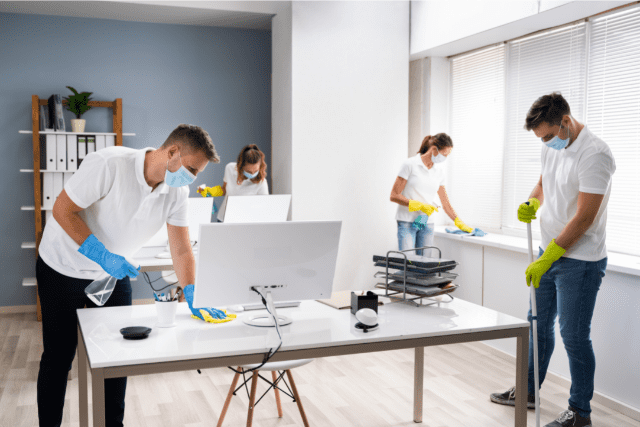
- Gloves should be worn when disinfecting surfaces or handling waste.
- Masks may be necessary during outbreaks or for those cleaning ventilation ducts.
- Always wash hands thoroughly after cleaning tasks.
A Step-by-Step Germ Prevention Checklist
Daily Essential Actions
- Sanitize all desk, phone, and keyboard surfaces at the end of each workday.
- Disinfect door handles, elevator buttons, and communal kitchen areas.
- Wipe down shared equipment such as printers and copiers.
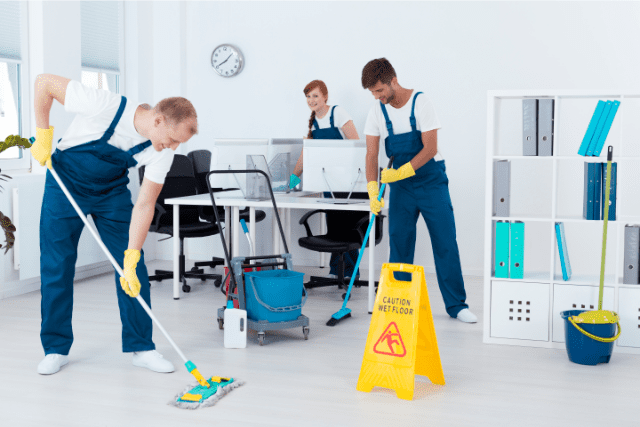
- Use fresh cleaning cloths and replace mop heads regularly.
- Remove trash to prevent microbial growth.
Weekly and Monthly Routines
- Deep clean carpets and rugs using professional-grade extraction.
- Vacuum air vents and dust high surfaces.
- Sanitize bathroom fixtures, light switches, and appliance handles weekly.
- Schedule monthly reviews of under-desk areas, storage, and HVAC filters.
Downloadable/Printable Office Germ Prevention Checklist (Example Structure)
- Entryway: handles, railings, lobby furniture
- Workstations: desktops, chairs, electronics
- Restrooms: fixtures, dispensers, doors
- Breakrooms: counters, appliances, tables
- Meeting rooms: tables, shared remotes, conference phones
- Floors: vacuum, mop, spot clean spills
Disinfecting Electronics and Specialty Office Equipment
Safe Cleaning for Technology
Electronics require special care:
- Unplug devices before cleaning.
- Use alcohol-based wipes or sprays designed for electronics.
- Avoid excess moisture to prevent component damage.
Find more guidance in our office equipment cleaning tips.
Handling Telephones, Copiers, and Touchscreens
- Sanitize these surfaces at least once daily, or more during high usage.
- Use individual or disposable headsets if possible.
Air Quality and Ventilation: Reducing Airborne Germs
Why HEPA Filtration Makes a Difference
High efficiency particulate air (HEPA) filters capture microscopic particles, reducing the spread of airborne pathogens. Offices with good ventilation and routine filter replacements see fewer respiratory illness outbreaks.
Practical Steps to Improve Office Air Quality
- Check and replace HVAC filters regularly.
- Increase air circulation by opening windows when weather allows.
- Use portable air purifiers in high-traffic or enclosed areas.
- Maintain humidity within healthy levels (40-60%) to limit microbe survival.
The Role of Staff Hygiene in Office Germ Prevention
Boosting Handwashing and Respiratory Etiquette
Personal hygiene habits are a frontline defense:
- Provide ample soap, hand sanitizer, and disposable towels in shared spaces.
- Encourage routine handwashing after touching communal objects.
- Post signs reminding staff to cover coughs/sneezes and dispose of tissues promptly.
Promoting a Culture of Cleanliness
- Offer periodic hygiene workshops or tip sheets.
- Recognize teams or individuals who contribute to a cleaner office.
- Make it easy for staff to report supply shortages or cleanliness concerns.
For allergy-focused insights, refer to office allergy prevention strategies.
Professional Office Cleaning Versus DIY: What Delivers Better Results?
Key Differences in Techniques and Outcomes
- Professionals use industry-grade equipment and disinfectants that outperform common household products.
- Trained staff follow comprehensive checklists, ensuring no critical area is overlooked.
- Consistent scheduling supports thoroughness and reliability.
Situations Where DIY Falls Short
- Lack of time or expertise to deep clean intricate or high-up areas.
- Inability to properly sanitize electronics or hard-to-disinfect fabrics.
- Risks of cross-contamination from improper supply use or insufficient technique.
When to Rely on Professionals
If you need regular sanitation or deep cleaning for your workspace, a professional office cleaning service can exceed what in-house staff provide.
Developing a Customized Germ Protection Plan for Your Office
Assessing Workspace Needs and Risks
- Take inventory of your office layout and traffic patterns.
- Identify germ hotspots relevant to your business operations.
- Evaluate past absences due to illness for seasonal trends.
Aligning Cleaning Frequency and Protocols
- High-traffic, customer-facing areas require multiple disinfections daily.
- Low-traffic rooms can follow weekly or monthly schedules.
- Work with your cleaning provider to adjust during flu season or outbreaks.
See our guide to cost-effective office cleaning for balancing thoroughness and budget.
Staff Training and Collaboration
- Host brief training sessions to explain protocols and encourage personal hygiene.
- Share checklists and routines so everyone participates.
- Recognize and reward teamwork in maintaining office cleanliness.
Deep Cleaning Intervals: How Often Is Enough?
Recommended Scheduling for Deep Sanitation
| Area | Suggested Deep Cleaning Frequency |
|---|---|
| Bathrooms | Weekly to bi-weekly |
| Breakrooms | Weekly |
| Carpets and Upholstery | Monthly or as needed |
| HVAC Vents | Every 3–6 months |
| Windows and Glass | Monthly |
Best Practices for High-Risk Times (Flu Season, Outbreaks)
- Increase frequency of disinfection during winter or when illnesses are reported.
- Use additional sanitizing stations in entryways and meeting areas.
- Provide disposable masks for staff when necessary.
For a more detailed breakdown, visit our virus and bacteria elimination guide.
Evaluating and Updating Your Office Hygiene Policy
Key Elements of an Effective Hygiene Policy
- Clear cleaning responsibilities for staff and cleaning professionals
- Protocols for reporting spills or sanitary issues
- Supply management: regular restocking of soap, sanitizer, tissues
- Criteria for escalating cleaning during outbreaks
Using Feedback to Improve Your Policy
- Solicit staff input through surveys or suggestion boxes.
- Monitor absentee rates and illness clusters to spot trends.
- Adjust routines and suppliers when needed for better results.
Green Cleaning for Healthy Offices: Is It Effective for Germ Prevention?
Comparing Eco-Friendly and Conventional Products
- Many green-certified disinfectants are proven effective against bacteria and viruses.
- Some eco-products may require longer dwell times to kill microbes—read all labels carefully.
Reducing Allergens and Harmful Residues
- Select products with minimal fragrance and no known irritants.
- Rinse surfaces as needed to avoid residue build-up.
- Ventilate rooms after cleaning to disperse chemicals.
What to Look for in a Professional Cleaning Partner
Decision Checklist for Hiring Professionals
- Training: Staff should understand infection control and use of PPE.
- Experience: Verify specializations like recurring cleaning, deep disinfection, or facility cleaning.
- Responsive communication: Providers should maintain transparency, offer clear scheduling, and answer questions promptly.
- Safety standards: Look for proper insurance, safety training, and clean equipment.
- Ability to adapt: The best partners can adjust protocols for your unique environment.
Interested in ongoing office sanitation? Consider scheduling an office cleaning service in Chicago tailored to your needs.
Monitoring, Reporting, and Responding to Germ Incidents
Tracking Illness and Absence Patterns
- Keep confidential records of illnesses and workplace absences—these can reveal problem zones or persistent hot spots.
- Coordinate with HR and management to assess trends and intervene early.
Immediate Response Steps If an Outbreak Occurs
- Identify and quarantine contaminated areas.
- Increase cleaning and sanitation in affected sections.
- Notify staff of added measures and encourage sick employees to stay home.
- Consult your cleaning partner for emergency service options.
Frequently Asked Questions About Office Germ Control
Which office surfaces should I disinfect most often?
Focus on high-frequency touchpoints: keyboards, phone handsets, doorknobs, elevator buttons, breakroom counters, bathroom fixtures, and shared equipment.
Can I use household cleaning products in the office?
Household products may not meet the standards for workplace germ elimination. Use EPA-certified and/or CDC-recommended disinfectants for maximum effectiveness.
How often should professional deep cleaning occur?
At minimum, schedule monthly deep cleans. High-traffic spaces or medical-adjacent offices may need weekly deep sanitation.
Do air purifiers really help prevent office illnesses?
Yes—especially those with HEPA filters. Purification improves air quality by reducing airborne bacteria and viruses.
What’s the difference between cleaning and disinfecting?
Cleaning removes dirt and debris; disinfecting kills germs. Both are vital for comprehensive protection.
How can I encourage staff to follow hygiene best practices?
Offer visible reminders, provide ample supplies, recognize good habits, and integrate hygiene into training sessions.
Should we increase cleaning during flu season?
Absolutely. Disinfection frequency should increase when illness rates rise, and more sanitizer stations should be available.
Is green cleaning enough to control office germs?
Many green products work well, especially those EPA-registered, but they must be used correctly and consistently for best results.
Can professional cleaning help reduce absenteeism?
Yes. Regular, high-quality cleaning disrupts germ transmission, leading to healthier staff and fewer sick days.
Summary and Practical Next Steps
Knowing how to protect an office from germs means more than wiping down visible messes. It’s about setting thoughtful, regular routines, identifying hot spots, ensuring air quality, and supporting staff hygiene. By using reliable products, strategic cleaning schedules, and professional know-how, you build an environment that promotes well-being and productivity.
- Assess your current routine using this guide as your baseline.
- Address gaps, especially in neglected areas or air quality.
- Consider a partnership with an experienced cleaning company for consistent, professional-grade results.
For deep cleaning, post-construction, or specialized office needs, Quick Cleaning’s industry-trained team is ready to assist. Protect your workspace with comprehensive sanitation protocols you can trust.
About Quick Cleaning
Quick Cleaning is a leading residential and commercial cleaning provider serving Chicago, Illinois and surrounding communities. We specialize in recurring house cleaning, deep cleaning, move-out cleaning, thorough office and facility cleaning. Our experienced teams use professional equipment, eco-friendly products, and strict protocols to maintain healthy, spotless environments. Quick Cleaning helps households and businesses in Chicago, Illinois and nearby areas keep their spaces clean and healthy with clear communication, flexible scheduling, and a commitment to consistent quality. Choose Quick Cleaning for proven expertise you can rely on.
local cleaning services, office cleaning near me, office clean chicago, office cleaning North Riverside IL, Homewood office cleaning, office cleaning in Aurora, office cleaning La Grange, office cleaning Wicker Park, office cleaning company in Summit IL, Oak Park office clean service