How To Remove Rust Stains: Pro Cleaning Techniques for Homes and Businesses
Rust stains can appear on almost any surface—sinks, tubs, floors, furniture, and even fabrics—posing a persistent challenge to both homeowners and business managers. If you’ve spotted those unmistakable orange-red patches and wondered how to remove rust stains effectively, this in-depth guide will walk you through every step. You’ll learn where rust commonly forms, why it happens, how to assess and treat different surfaces, which products and DIY solutions work best, and how Chicago’s professional cleaning standards can make a difference. Quick Cleaning provides insider advice, pro checklists, and decision frameworks to help you maintain spotless, safe environments—whether it’s your apartment, office, Airbnb, or commercial facility.
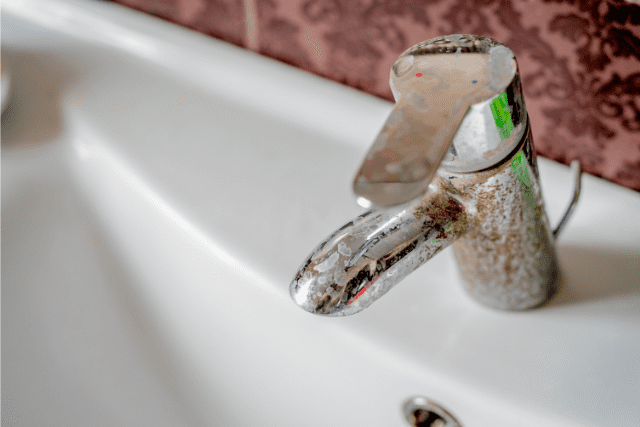
Where Rust Stains Appear: Typical High-Risk Areas
Understanding which areas are prone to rust stains lets you focus your cleaning efforts for maximum impact. Rust generally forms when moisture interacts with metals—so look out for:
- Bathroom fixtures: Sinks, bathtubs, faucets, shower doors
- Kitchen appliances & sinks: Stainless steel, countertops, tile edging
- Laundry rooms: Washing machines, utility sinks, exposed pipes
- Floors: Around leaky radiators, metal furniture, and window sills
- Outdoor spaces: Patios, outdoor furniture, garages
- Textiles: Carpets under metal legs, clothing stored with metal zippers or buttons
Assess these hotspots regularly to catch new stains early, minimizing damage and simplifying removal.
What Causes Rust Stains on Different Surfaces?
To tackle rust stains efficiently, it’s essential to understand their origin:
- Water + Oxygen + Metal: When iron or steel is exposed to moisture, oxidation results in rust.
- Leaking pipes/appliances: Constant dripping accelerates corrosion.
- Iron-rich water: Can leave rusty deposits on porcelain, acrylic, or tile.
- Friction and movement: Metal furniture on damp floors can transfer rust easily.
Knowing the root cause helps in not only cleaning existing stains but also preventing new ones.
Assessing Rust Stain Severity: Quick Evaluation Checklist
Before you grab a cleaner, spend a minute evaluating the rust stain’s:
- Surface type: Porous (concrete, fabric) vs. nonporous (tile, porcelain)
- Stain age: Fresh stains are usually easier to treat than old, set-in patches
- Location: Is it on a frequently used/high-traffic area where safety or appearance matters?
- Depth: Light on the surface, or caused etching/pitting?
This assessment determines whether a DIY method is likely to work, or if professional help is needed for severe/large stains.
Matching Cleaning Methods to Surfaces: Table of Solutions
| Surface Type | DIY Options | Professional Techniques | Typical Cautions |
|---|---|---|---|
| Porcelain (sinks, tubs) | Lemon juice + baking soda, vinegar paste | Acid-based gels, polishing | Avoid abrasive scrubbing |
| Stainless Steel | Baking soda + water paste | Rust removers, buffing | No steel wool |
| Tile & Grout | Lemon, white vinegar, cream of tartar | Professional tile cleaning solution | Test first in inconspicuous area |
| Natural Stone | Commercial poultice | Low-acid professional poultices | No acids or vinegar—will etch |
| Laundry/Fabric | Lemon juice + salt (sun dry), rust stain remover (laundry-grade) | Controlled chemical pre-treatment | Test colorfastness |
| Outdoor Metals/Furniture | Wire brush, vinegar soak | Sandblasting, specialty rust coatings | Don’t scratch coated surfaces |
| Concrete/Garage | Trisodium phosphate (TSP), lemon + baking soda, commercial rust removers | Acid wash under controlled conditions | Ventilation & PPE required |
Choose methods based on your specific surface for best results and safety.
Essential Rust Stain Removal Products: Consumer & Pro Choices
Not all cleaning agents are created equal. Here’s a field-tested shortlist:
- Lemon juice/white vinegar: Natural acids for non-sensitive surfaces
- Baking soda + water: Gentle scouring paste
- Cream of tartar: Mild acid for enamel/ceramics
- Commercial rust removers: Look for oxalic or citric acid ingredients (but always check label warnings)
- Specialty poultice: For natural stone, use products designed specifically for stone care
- Protective gloves/Eye protection: Must-have when working with any chemicals
Always test products in a discreet spot before full use.
Step-by-Step: Removing Rust Stains from Porcelain and Tile
1. Gather Supplies
- Lemon juice or white vinegar
- Baking soda
- Soft sponge/cloth
- Old toothbrush (for grout)
- Protective gloves
2. Apply Acidic Solution
Wipe the rust stain with lemon juice or vinegar. Let it sit for 5–10 minutes to break down deposits.
3. Scrub Gently
Sprinkle baking soda over the area. Use a sponge or toothbrush to work the mixture in circles.
4. Rinse and Repeat as Needed
Wash thoroughly with water. Dry with a towel. Deep stains may need a commercial rust remover (always ventilate the area and follow product instructions).
Special Cases: Removing Rust Stains from Fabrics and Carpets
For Washable Fabrics
- Dab the stain with lemon juice, sprinkle salt
- Let it sun dry (the UV light helps the reaction)
- Launder as usual after checking stain is gone
For Carpets or Upholstery
- Vacuum loose rust or debris
- Mix a mild dish soap with water, dab the area
- Blot with a clean, dry towel
- For persistent stains, consult a deep cleaning service to avoid damage
Metal Furniture, Appliances, and Outdoor Rust: Preventative Maintenance
- Set up routine inspections—monthly for outdoor pieces, quarterly for indoor high-risk areas
- Wipe metal surfaces dry after cleaning
- Apply rust-inhibiting sprays or sealants for extra protection
- Touch up chipped paint or protective coatings promptly
- Store outdoor furniture seasonally when possible
Safety Protocols and Product Handling: Professional Tips
When using any rust removal products, especially acids or commercial cleaners:
- Wear gloves and, if required, eye protection
- Work in a well-ventilated area, especially with chemical agents
- Never mix harsh cleaners (e.g., bleach and acids)
- Follow all directions for dwell time and rinse thoroughly after treatment
Review official guidance on best practices for cleaning and disinfection for further safety strategies.
Pro Cleaning Checklists for Rust-Prone Areas
- Inspect plumbing fixtures for leaks or drips
- Check under appliances for moisture and rust
- Move furniture to examine floors and carpets for hidden stains
- Test water quality if recurring rust is seen in toilets or sinks
- Document stain locations for repeat attention
Professional companies like Quick Cleaning use targeted checklists to ensure even hidden or recurring rust issues get treated and tracked at every visit.
Rust Stain Removal in Specialized Environments: Airbnbs, Offices, and Facilities
Airbnb and Rental Properties
Frequent turnovers increase risk of unnoticed leaks or rusting. Between guest stays:
- Do full bathroom/kitchen inspections
- Treat stains proactively to limit negative reviews
- Schedule periodic Airbnb cleaning for detail-focused care
Offices and Commercial Spaces
- Review employee break areas, kitchens, and restrooms for early rust formation
- Implement office cleaning schedules that include detailed surface inspection
- Work with pro cleaners if stains are extensive or on shared furniture
Special Facilities (Medical, Retail, Educational)
Prioritize hygiene; rust can harbor bacteria or signal water issues. Consulting facility safety resources can support best practices.
If you manage a specialized facility, connect with a facility cleaning specialist to tailor your approach.
When DIY Rust Removal Isn’t Enough: Professional vs. DIY Comparison
- DIY: Suitable for small, fresh stains. Lower cost. Flexible for routine touch-ups.
- Professional: Needed for set-in stains, delicate or expensive surfaces, or where safety and image are critical (offices, clinics, rental turnover).
- Benefits: Deep extraction tools, commercial-grade products, trained teams, predictable quality.
- Drawbacks: Higher upfront cost; best for large sites or recurring problems.
How to Choose the Right Rust Stain Removal Service in Chicago
- Evaluate experience with rust/on your surface types
- Confirm transparent pricing and communication
- Ask about cleaning protocols, safety measures, and eco-friendly options
- Ensure insurance and proper staff training
- Check for consistent service quality and reviews
You can explore more about finding professional cleaning services and how deep cleaning can address even tough stains efficiently.
Preventing Rust Stains: Daily, Weekly, and Seasonal Maintenance Tips
Daily
- Wipe down wet surfaces (kitchen sinks, bathroom fixtures)
- Dry standing water around appliances or pipes promptly
Weekly
- Check under mats, behind furniture, and utilities for moisture
- Polish metal surfaces as needed
Seasonal
- Inspect outdoor furniture and storage areas
- Arrange professional deep cleaning for heavy-use sites or change of seasons
For more insights on best practices, see keeping your residence clean all year round.
Integrating Rust Stain Control into Your Cleaning Routine
Include rust inspection and targeted stain removal in regular cleaning routines to prevent buildup—particularly in homes with older plumbing, humid climates, or frequent use of metal fixtures. Build a checklist that matches your specific property’s layout and risks. If working with a cleaning company, request inclusion of rust-prone areas in the service checklist for consistent attention.
Common Myths About Rust Stain Removal Debunked
- Myth: “Rust stains mean you need to replace the fixture immediately.”
Fact: Most surface rust can be fully removed with the right methods, and only severe corrosion requires replacement. - Myth: “Bleach is the best solution for rust stains.”
Fact: Bleach does not remove rust; it can worsen stains on certain surfaces. - Myth: “All acids work for any material.”
Fact: Acids can etch delicate stone or damage finishes; surface-appropriate solutions are critical. - Myth: “Rust is harmless—only looks bad.”
Fact: Rust can lead to surface deterioration and harbor bacteria, especially in kitchens or healthcare environments.
FAQ: Answers to Your Top Rust Stain Removal Questions
- What is the safest way to remove rust stains from porcelain sinks?
Try a paste of baking soda and lemon juice. Avoid abrasive tools; repeat as needed with a soft sponge. - Can rust stains on tiles be removed without damage?
Yes, with acidic solutions like vinegar or commercial tile-safe rust removers. Always test in a small area first. - How do I prevent rust from coming back?
Keep surfaces dry, address leaks, apply sealants, and inspect regularly. Routine maintenance is key. - Are store-bought rust removers safe to use?
Yes, if used as directed. Always wear gloves, ventilate, and never mix with bleach or ammonia. - How do professionals handle tough rust stains?
Professionals use specialty products, advanced equipment, and tailor their approach to the specific material for safe, effective results. - What if the rust stains won’t come out?
For severe or persistent stains, especially on delicate or high-value surfaces, it’s wise to consult a professional cleaning company. - Does insurance cover rust stains?
Usually, routine cleaning is the property owner’s responsibility, but major water/rust damage from plumbing failures could be covered—review your policy. - Which surfaces should never be cleaned with acid-based rust removers?
Natural stone (like marble, travertine, granite) and certain metals; use approved products for these materials. - Can rust stains pose health risks?
While rust itself isn’t usually directly dangerous, it can indicate water leaks or harbor bacteria—especially risky in medical or food service environments.
Key Takeaways and Next Steps for Sustainable Rust Stain Control
- Identify your home or facility’s high-risk rust areas
- Use surface-appropriate cleaning methods for removal
- Adopt regular inspection and maintenance routines
- Engage professional help for severe stains or sensitive materials
- Stay informed using trusted cleaning and safety resources
For property managers, facility supervisors, and busy owners in Chicago, partnering with detail-oriented teams like Quick Cleaning can streamline your cleaning campaigns for lasting results.
About Quick Cleaning
Quick Cleaning is dedicated to helping households and businesses in Chicago, Illinois and nearby areas maintain cleaner, healthier spaces. As specialists in recurring house cleaning, deep cleaning, move-out cleaning, office cleaning, and facility cleaning, our trained teams use proven checklists and surface-appropriate products for every task—including stubborn stains like rust. We prioritize transparent communication, eco-friendly choices, and long-term client satisfaction. For more tips or to explore how our cleaning expertise can benefit your property, connect with Quick Cleaning today.
chicago cleaning contractors, professional deep cleaning, deep cleaning, one time deep cleaning Lincoln Park, deep cleaning in Aurora, home deep cleaning South Holland, best deep cleaning Countryside IL, deep cleaning Brookfield, deep cleaning Bartlett IL, one time deep cleaning Homewood