Best Ways To Keep Your Residence Clean: Strategies, Routines, and Professional Insights
Maintaining a consistently clean living space isn’t just about making your home look better—it’s essential for your well-being, comfort, and even the lifespan of your furnishings. The best ways to keep your residence clean combine proven routines, professional standards, and practical decision-making that go far beyond everyday tidying. In this comprehensive guide, you’ll discover step-by-step methods, insider checklists, decision frameworks used by industry experts, and how to evaluate when professional help is right for you. Let Quick Cleaning guide you through the art and science of residential cleaning for a healthier, happier home.
Why Consistent Cleaning Matters for a Healthy Residence
A clean home isn’t just aesthetically pleasing—it supports better air quality, reduces allergens, and limits the spread of germs. Regular and thorough cleaning can address the invisible threats (like bacteria and viruses) that accumulate on surfaces, especially in high-touch areas.
- Promotes health: Reduces risk of illness by tackling pollutants, dust, and pathogens. The CDC emphasizes the role of clean surfaces in preventing disease transmission.
- Prevents long-term damage: Regular attention keeps floors, appliances, and fixtures in good condition.
- Improves mood and focus: Studies show that tidy environments help reduce stress and support mental clarity.
Daily, Weekly, and Monthly Cleaning Frameworks That Actually Work
Professional cleaners don’t tackle everything at once. Instead, they alternate and prioritize tasks based on frequency, location, and soil level. Here’s how you can apply these frameworks at home:
| Frequency | Key Tasks |
|---|---|
| Daily | Counters, kitchen sink, dishes, bathroom surfaces, high-touch points (handles, switches) |
| Weekly | Vacuum and mop floors, bathroom deep clean, dust surfaces, change bedding |
| Monthly | Clean appliances, wash windows, organize closets, clean under/behind furniture |
| Seasonal | Declutter, wash curtains/blinds, deep kitchen/bathroom focus, HVAC filter replacement |
Follow these intervals for each room and adjust to your household’s needs. Keeping a printed checklist, such as a detailed chore list, helps reinforce healthy habits.
Room-by-Room Approach: Tailoring Cleaning Strategies
No two rooms require the same approach. Let’s break down the most effective habits by living area:
- Kitchen: Clean as you cook, sanitize counters daily, deep clean appliances monthly.
- Bathroom: Remove moisture after use, disinfect high-touch surfaces, tackle tile and grout.
- Bedrooms: Make the bed, ventilate, dust nightstands and electronics weekly.
- Living Areas: Declutter surfaces, vacuum upholstery, refresh throw blankets as needed.
- Entryway & Hallways: Sweep/mop floors, shake out rugs, organize shoes and coats.
Customizing your cleaning checklist by space makes upkeep simpler and prevents overlooked messes.
Professional Checklists vs. DIY: What Sets the Standards?
What do trained cleaners do differently? It starts with consistent checklists, quality-control steps, and attention to high-risk or high-touch zones.
- Checklists add structure: Every cleaning session follows a set sequence to avoid missed spots. Review critical tasks people often skip.
- Details matter: Extra time is given to bathrooms, kitchen sinks, doorknobs, remote controls, and switches.
- Consistency equals results: Every team member follows the same steps for reliable quality.
Adopting even part of this method at home dramatically improves consistency and results.
Choosing the Right Products and Tools for Every Surface
The best cleaning results rely on using the right tool and cleaning product for each surface. Not every cleaner—even if labeled “multipurpose”—is safe for wood, stone, glass, or electronics.
- Wood: Use damp microfiber and a small amount of wood-safe cleaner. Avoid excess moisture.
- Stone or tile: pH-neutral cleaner helps prevent etching or clouding.
- Stainless steel: Wipe along the grain with a non-abrasive cleaner.
- Electronics: Use device-specific wipes; never spray directly.
If you’re uncertain about cleaning a specific material, consult the manufacturer or a trusted cleaning professional.
Decluttering: The Foundation of Every Effective Cleaning Routine
Mess and clutter are the enemy of efficient cleaning. By removing unused or unnecessary items, you simplify future maintenance.
- Start small: Try the KonMari method for bedrooms or closets.
- Create clear zones: Use labeled bins or baskets for toys, paperwork, or seasonal gear.
- Don’t forget digital clutter: Tidy up cables, chargers, and remote controls in shared areas.
Decluttering once per season can cut your cleaning time in half and help prevent messes from accumulating.
Hygiene Hotspots: Places That Require Extra Attention
Many homeowners underestimate the number of high-touch, high-bacteria areas in their residence. Pay special attention to:
- Doorknobs and handles
- Faucets and switches
- Remote controls and phones
- Fridge handles and microwave buttons
- Toothbrush holders and sink edges
For disinfection routines, refer to authoritative certifications like Barbicide’s best practices.
Reducing Germs and Allergens: Best Practices from Experts
To minimize both germs and allergens in your home, professionals take extra steps, especially where children, pets, or allergy sufferers reside.
- Use HEPA-filter vacuums on carpets and upholstery.
- Mop with hot water and disinfectant in kitchens and bathrooms.
- Wash bedding and pet areas regularly (annual cleaning tasks can help you schedule this).
- Ventilate during and after cleaning to clear airborne particles.
- Address mold and mildew early—see solutions for removing mold.
Regular professional deep cleaning may be appropriate for high-risk households.
Deep Cleaning Explained: When and Why to Schedule a Comprehensive Clean
Deep cleaning targets the hard-to-reach, rarely-addressed parts of your residence—such as behind appliances, within vents, or on baseboards. Deep sessions are recommended:
- At the start of each season
- After illness in the home
- Before moving in or out
- When hosting events or guests
For guidance, review typical timeframes for deep cleaning or what’s included. If you need a one-time or move out cleaning, trusted providers like Quick Cleaning can deliver professional results.
Preventing Messes: Proactive Habits for Long-Term Cleanliness
Let’s shift from reactive to proactive. These daily and weekly habits dramatically reduce your workload:
- Shoes-off policy at entry
- Immediate spill clean-up
- Use mats at entrances and high-traffic areas
- Organize mail, keys, and bags at a central station
- Daily tidying before bed (quick 10-minute reset)
Even the most advanced cleaning routine can’t keep up with constant clutter. Building these habits protects your hard work.
Stain Removal and Tough Cleaning Challenges: Solutions and Cautions
Some messes require more than everyday effort. Professional cleaners rely on safe, time-tested methods for tough jobs—such as rust stains or sticky residues. See detailed advice on removing rust stains and treating stubborn fabric damage.
Caution: Test all cleaners on a small, hidden surface. For unknown stains, avoid bleach or harsh products, which may worsen the problem.
Safety and Health Precautions: Protecting Your Skin and Home During Cleaning
Effective cleaning shouldn’t come at the cost of safety. Always follow these best practices:
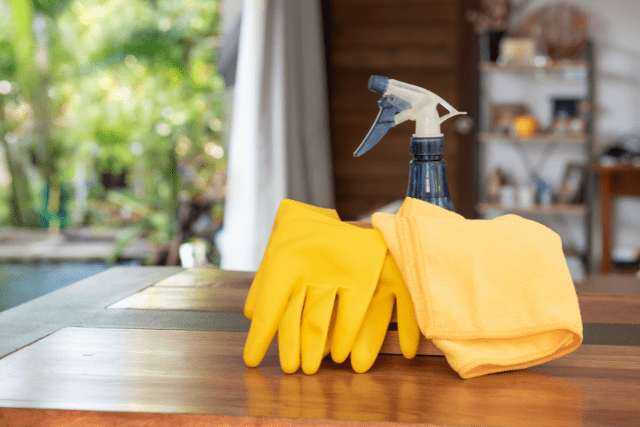
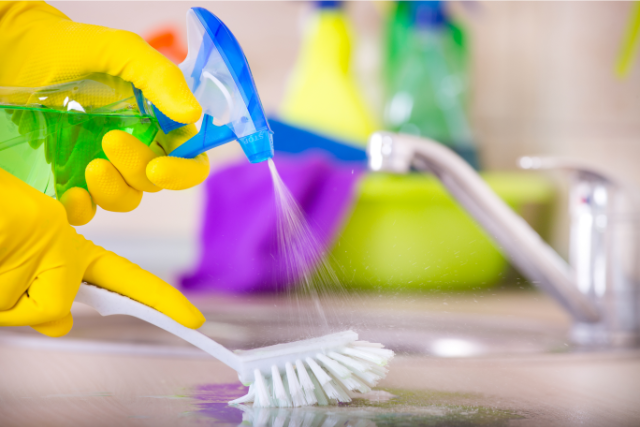
- Wear gloves when using strong chemicals.
- Keep cleaning products away from children and pets. If you’re worried, check product safety for households with pets or children.
- Never mix bleach with ammonia-based products.
- Ventilate rooms during product use.
- Protect your skin—see how to avoid irritation.
Responsible product selection and safety steps go hand-in-hand with the best ways to keep your residence clean.
Customized Solutions: Tailoring Routines for Apartments, Houses, and Shared Spaces
Different residence types present unique cleaning challenges:
- Apartments: Maximize small spaces with frequent surface wiping and decluttering. Consider professional apartment cleaning for an efficient reset.
- Large homes: Divide rooms into zones and rotate deep cleaning.
- Shared/Airbnb spaces: Follow strict check-ins/outs and disinfect between stays. For Airbnb turnovers, Airbnb cleaning ensures guest standards are met.
Knowing the unique needs of your space means you can prioritize what matters most.
When to Hire Professionals: Signs and Decision Criteria
Even the most dedicated homeowners benefit from expert help on occasion. Consider bringing in a professional if:
- You’re overwhelmed by work, family, or health conditions
- There’s unreachable grime or persistent odors
- Your schedule doesn’t allow for regular upkeep
- Special situations (move out, event hosting, airborne allergies) require focused deep cleaning
Quick Cleaning’s deep cleaning experts use proven checklists and professional equipment to restore homes to their cleanest state.
Evaluating a Cleaning Company: Questions to Ask Before You Book
Choosing a reliable cleaning partner can make or break your experience. Before hiring, consider these steps:
- Ensure staff are background-checked and insured.
- Ask for a detailed scope or checklist (what’s included, what’s extra?).
- Look for clear communication and transparent pricing—no surprise costs.
- Review client testimonials or local references.
- Confirm eco-friendly or pet-safe product use, if needed.
Check official certifications, like Barbicide, for best hygiene practices. For a reliable team in Chicago, consider working with Quick Cleaning.
FAQ: Maintaining the Cleanest Residence Possible
- How often should I perform deep cleaning in my home?
- Every three months is recommended; more frequently if you have pets, allergies, or high traffic. Tailor frequency based on your lifestyle.
- What is the most effective habit for keeping a home clean?
- Consistent, small daily tasks—like tidying up and wiping surfaces—reduce bigger cleaning sessions and clutter buildup.
- Are professional cleaning services worth it for busy families?
- Absolutely. Professionals use efficient routines and products, freeing up your time and delivering results that are hard to match solo.
- What checklist should I follow before a cleaning session?
- Declutter surfaces, secure valuables, and provide access to needed areas. Follow checklists like this household chore list for optimal prep.
- How do I safely disinfect my home after illness?
- Clean high-touch surfaces daily with an EPA-registered disinfectant. Ventilate often and wash bedding and towels in hot water.
- Which cleaning products are safest for children and pets?
- Opt for fragrance-free, plant-based cleaners labeled safe for homes with pets and children. See safety advice for details.
- What should I never forget to clean in my residence?
- Don’t overlook door handles, light switches, faucet handles, and under-furniture spaces—often missed by DIY routines.
- Is it better to clean a little every day, or do a big clean once a week?
- Both help, but daily tidying keeps mess manageable and prevents dirt buildup, making weekly cleans faster and easier.
- Do professional cleaners bring their own equipment?
- Reputable companies, including Quick Cleaning, provide professional-grade equipment and supplies tailored to your surfaces.
- Can I combine DIY cleaning and periodic pro sessions?
- Yes—many clients maintain with daily tasks, then schedule quarterly or seasonal professional deep cleaning for lasting results.
Takeaway: Your Action Plan for a Cleaner, Healthier Home
Keeping your residence clean isn’t about perfection, but about building practical routines and making smart choices. Prioritize regular maintenance with structured checklists, tailor routines to each room, and bring in professionals—like Quick Cleaning—when you want deeper results or more time for what matters. Small daily actions, paired with occasional expert help, keep your residence inviting, safe, and looking its best all year round.
About Quick Cleaning
Quick Cleaning helps households and businesses in Chicago, Illinois and nearby areas maintain cleaner, healthier, and more comfortable spaces. With trained staff, consistent checklists, and specialized expertise in recurring house cleaning, deep cleaning, move out cleaning, office cleaning, and facility cleaning, Quick Cleaning delivers professionalism and peace of mind. Whether you want a one-time deep clean or an ongoing cleaning relationship, the team’s attention to detail and use of appropriate products help protect both your property and your health. To learn more about working with Quick Cleaning, visit the Quick Cleaning website.
good cleaning product, cleaning companies, Deep Cleaning Service Chicago, Deep Cleaning Chicago Service, deep clean Yorkville IL, deep house cleaning Hyde Park, home deep cleaning Palos Hills IL, deep house cleaning Lake Forest, best deep cleaning Lombard, one time deep cleaning Rogers Park, deep cleaning Niles