Mastering the KonMari Method: Declutter Your Space with Confidence
If you’ve been searching for a practical, transformative approach to tidying up, the KonMari Method has likely come across your radar. Popularized by Marie Kondo, this strategy promises more than a neat home—it aims to shift the way you evaluate, handle, and cherish your belongings. In this comprehensive guide, you’ll learn how to use the KonMari Method for decluttering step-by-step, with actionable checklists, real-world advice for Chicago-area homes and businesses, and practical insights into when it’s time to call in the pros—like the trained staff at Quick Cleaning. Whether you’re a homeowner, apartment dweller, busy professional, or you manage an Airbnb, this tutorial will help you confidently tackle clutter, maintain order, and create a space that truly sparks joy.
Understanding the KonMari Philosophy: Beyond Basic Decluttering
The KonMari Method is more than simply getting rid of items you no longer need. It’s a mindset shift. Developed by organizing consultant Marie Kondo, the method revolves around choosing what to keep based on what sparks joy—not just utility or sentimentality.
- Joy-Centric Decision Making: Every item, from kitchen tools to office supplies, is evaluated based on whether it makes you happy or serves a significant function in your day-to-day life.
- Categorize, Not Localize: Rather than cleaning room by room, the method groups items by category, which offers a clearer picture of duplicates and excess.
- Respect for Belongings: Mindfulness and gratitude play a major role. By truly appreciating each item, you shift perspective on consumption and maintenance.
Core Principles at a Glance
- Visualize your ideal lifestyle first.
- Declutter once, completely, by category.
- Keep only what sparks joy.
- Respect every item you own.
- Maintain order moving forward.
Preparing for KonMari: Mindset, Planning, and Setting Expectations
Before diving into the decluttering process, preparation is crucial. The right approach ensures both efficiency and sustainability.
- Commitment: Decide to approach decluttering as a focused, intentional project—not an open-ended chore.
- Time Allocation: Consider setting aside several hours (or whole weekends) for larger homes or offices. Tackling one category at a time reduces overwhelm.
- Supplies Checklist:
- Boxes or bags for donations, recycling, and trash
- Sticky notes for labeling
- Notebook for jotting categories, priorities, and reminders
- Cleaning products to wipe down cleared spaces (consider professional-grade products if working with Quick Cleaning for a deep clean)
- Enlist Support: For sensitive categories or large projects, consider involving household members or booking professional help.
- Visualize Success: Imagine the life you want after decluttering—tidy shelves, stress-free cleaning, and improved productivity at home or work.
Step-by-Step: The Official KonMari Decluttering Sequence
The KonMari Method happens in a prescribed order, ensuring the most emotional and challenging items are saved for last. This minimizes decision fatigue and sets you up for success.
- Clothing
- Books
- Papers
- Komono (Miscellaneous Items)
- Sentimental Items
Within each category, gather all items into a single central location. Pick up each item, evaluate if it sparks joy or is genuinely essential, and decide to keep, donate, or discard.
Essential KonMari Checklists for Every Category
Ready to start? Use these quick-reference checklists to guide each phase.
| Category | Main Focus | Tips |
|---|---|---|
| Clothing | Joy, wearability, fit | Place all clothes on the bed; sort by type (tops, pants, coats); keep only those that spark joy |
| Books | Relevance, inspiration | Touch each book; keep reference, inspiration, or joy-inducing items |
| Papers | Necessity, action, memory | Sort into “needs action,” “save short-term,” and “keep forever”; recycle old receipts, manuals, duplicates |
| Komono (Misc) | Functionality, use | Includes kitchen, bath, office, garage; tackle room by room; be ruthless with duplicates |
| Sentimental | Emotional value | Take time; don’t rush; only keep what deeply resonates with your lifestyle |
Clothing: Tackling Wardrobes and Closet Clutter
Clothes are usually easiest to begin with. The process is physical and visual, providing quick wins. Gather all your clothing in one place. This helps you grasp the volume—and identify duplicates or forgotten favorites.
Steps for KonMari-ing Your Wardrobe
- Gather every single clothing item from around the house—even coats, off-season, and sportswear.
- Sort by category (tops, bottoms, dresses, outerwear, accessories).
- Pick up each item. Ask yourself, “Does this spark joy or serve my daily life?”
- Thank each piece you discard for its service.
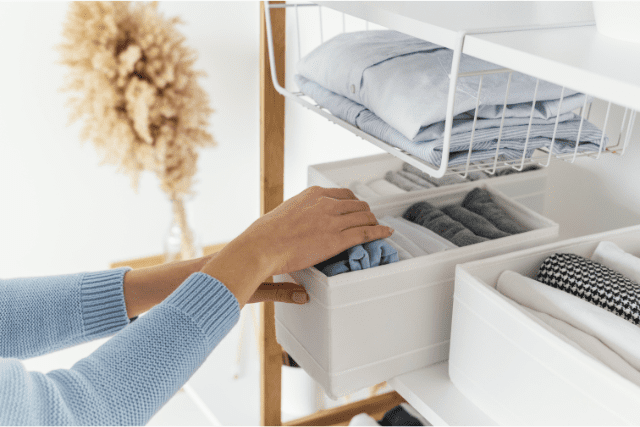
- Fold and return only the joy-inducing items, using the vertical folding method for drawers.
Frequent Pitfalls
- Avoid keeping clothing “just in case.”
- Resist storing worn-out items for chores—limit to a set number of “work” outfits.
Books: Curating Your Personal Library with Intention
Whether you keep novels, cookbooks, or professional manuals, books represent knowledge, interest, and sometimes identity.
- Collect all books into one spot—don’t forget cookbooks or magazines hiding in the kitchen or office.
- Pick each book up and ask, “Does this inspire me, or is it just filling space?”
- Keep reference materials that you truly consult.
- Let go of duplicates, outdated editions, and books you won’t realistically read again.
- Donate unneeded books to local libraries or charity organizations in Chicago for positive community impact.
Papers: Managing Documents, Records, and Everyday Clutter
Paper clutter accumulates faster than nearly any other category. From receipts to appliance manuals, it’s easy to feel overwhelmed. Tackle all paper at once, dividing by necessity:
- Action Required: Bills, invitations, documents with deadlines
- Short-Term Storage: Warranties, insurance documents, current projects
- Long-Term/Forever: Birth certificates, deeds, tax records (refer to the National Association of Realtors for guidance on document retention if you manage properties)
Recycle or securely shred anything outdated or duplicated. Digitize what you can to minimize physical clutter.
Komono (Miscellaneous): Addressing the Hidden Hotspots
“Komono” covers kitchen drawers, tools, beauty products, technology, and garage items. Approach each room methodically, using small baskets or containers to organize after decluttering.
- Group similar items—pens, cables, utensils—together first.
- Assess which items truly serve your routine or spark joy.
- Dispose responsibly (e.g., electronics recycling in Chicago for outdated tech).
- Use clear bins and labels for things you keep, making it easy to maintain order.
Need inspiration for organizing after decluttering? Check out tips for efficient cleaning hacks.
Sentimental Items: Preserving Memories Without Clutter
Photos, keepsakes, and memorabilia often present the biggest emotional hurdles.
- Set aside enough time and choose a calm moment—don’t rush sentimental sorting.
- Limit what you keep to items that have a powerful positive impact.
- Consider digitizing photos and mementos.
- Create a dedicated space or display box for treasured keepsakes.
- For shared homes, discuss sentimental items respectfully with cohabitants.
Room-by-Room Strategies: Applying KonMari in Chicago Homes and Offices
The KonMari process fits both residential and commercial spaces. In Chicago’s unique housing stock—condos, brownstones, apartments—and business offices, a tailored approach maximizes results.
- Kitchens & Dining Areas: Streamline utensils, toss expired pantry items, use drawer organizers for easy upkeep.
- Bathrooms: Dispose of expired beauty products, minimize duplicate toiletries, and keep only what enhances your routine.
- Living Rooms: Remove excess décor, organize electronics and remotes, and choose storage that blends with your style.
- Workspaces: Limit desk supplies to daily essentials; file paperwork using vertical trays. Consider professional office cleaning to reset after a big declutter.
- Entryways & Garages: Use hooks and shelves to corral shoes, bags, and tools. Address garage stains and storage for a cleaner entrance.
Special Considerations: Families, Roommates, and Shared Spaces
Decluttering with others under one roof? Collaboration and respect are key.
- Communicate before starting—let others know when and how you’ll be working, and ask for input on shared categories.
- Never discard another person’s belongings without explicit consent.
- Set up common area rules: designate baskets or shelves for each person.
- Plan regular maintenance sessions—once a month—to keep shared spaces in order.
Quick Cleaning’s team members are trained in respecting family systems, ensuring our professional support aligns with your household needs.
The KonMari Method in Commercial Settings: Offices, Airbnb, and Retail
The clarity and order promised by KonMari is just as valuable at work as at home. Businesses benefit from systematic sorting, which boosts productivity and presents a cleaner environment to clients and visitors.
- Encourage team participation—make decluttering a group effort.
- Provide clear storage solutions and label everything.
- Create a documented routine for maintaining order, such as a quarterly declutter and clean.
- If managing an Airbnb or rental, minimize décor and supplies to the essentials. See Airbnb cleaning for efficient turnover routines.
- Retail environments should keep stockrooms and displays neat for safety and sales; discover tips from industry best practices.
Decluttering vs. Deep Cleaning: When to Combine Services
Once clutter is gone, a thorough cleaning creates an inviting, healthy environment. Here’s how tasks often intersect:
- Declutter first: Remove obstacles and open up spaces.
- Deep clean after: Dust surfaces, sanitize kitchens and baths, and address high-touch points.
- For a full reset, consider a professional deep cleaning to reach behind appliances and inside cupboards, especially after a major KonMari purge.
- Allergy or health concerns? Use products certified by industry standards, such as those referenced by IICRC S100.
Maintaining Your Decluttered Space: Daily Routines That Work
The hard part is maintenance. Setting up habits and routines is crucial for lasting order, especially in busy Chicago households or shared commercial spaces.
- Designate a place for everything, and always return items after use.
- Limit new acquisitions—instigate a one-in, one-out rule for new items.
- Schedule monthly “mini-KonMari” sessions to catch accumulating clutter.
- Loop in Quick Cleaning for regular maintenance services to keep spaces in peak condition.
For specific seasonal tasks, see this annual cleaning checklist.
Common Obstacles and How to Overcome Them
Even with the best plan and checklists, most decluttering journeys face hurdles:
- Emotional Attachment: If it’s hindering progress, take photos before letting go, or ask a friend for support.
- Lack of Time: Tackle one category each week instead of blocking full days.
- Disagreements in Shared Spaces: Use neutral, labeled storage and set clear expectations.
- Relapsing Clutter: Review your “vision” statement when tempted to accumulate or ignore mess.
If you need personalized support, schedule a consult with cleaning professionals who understand both organization and hygiene.
Responsible Donation and Disposal in the Chicago Area
Saying goodbye to items isn’t the end. Chicago is home to many organizations that can help you responsibly donate or recycle clothing, books, electronics, and furniture. Always check local guidelines for hazardous waste.
- Arrange direct donations to local charities.
- Use citywide bulk item pick-up for large items.
- Recycle electronics/e-waste at dedicated drop-offs.
- For sensitive documents, utilize secure shredding services before disposal.
Quick Cleaning can advise on best practices and even help coordinate pickups as part of a comprehensive cleaning campaign.
When to Get Help: Signs You Need Professional Decluttering or Cleaning Support
While many can tackle KonMari alone, professional help accelerates the process and relieves stress.
- Overwhelmed by the scale—if entire categories or rooms are untouched for years.
- Time constraints—busy schedules or tight move-out deadlines.
- Health or safety risks—mold, pests, or heavy lifting required (consult mold remediation resources).
- Special facilities—offices, medical spaces, or sensitive commercial areas benefit from expert oversight. See commercial cleaning services for tailored help.
Requesting a team from Quick Cleaning means you gain access to trained staff, quality cleaning products, and flexible scheduling—all designed for sustainable results.
KonMari Method for Special Circumstances: Downsizing, Moving, and Rentals
If you’re preparing for a move, downsizing, or setting up an Airbnb, KonMari offers clarity and efficiency:
- Start with high-volume categories to minimize moving costs.
- Purge before packing—ensure you’re only transporting items that fit your new space.
- For rentals or Airbnb, create an essentials-only inventory list. See the move-out cleaning checklist for a smooth transition.
Practical Tools: Sample KonMari Weekly Decluttering Plan
Break down the process with a week-by-week schedule to stay on track.
- Week 1: Clothing and accessories
- Week 2: Books and magazines
- Week 3: Papers and documents
- Week 4: Komono in kitchen and bathrooms
- Week 5: Komono in office, garage, and storage
- Week 6: Sentimental items and final review
You can accelerate or extend timelines based on personal commitments. Professional teams can complete the process even faster for large sites.
Integrating Cleaning with Decluttering: Efficiency Tips
As you clear out spaces category by category, combine decluttering with light cleaning. This habit will make future deep cleans less time-consuming. Wipe surfaces as you empty drawers or shelves, and vacuum thoroughly after each section.
- Use safe products—learn about cleaners safe for households.
- Refresh air with open windows or gentle diffusers after dusting.
- Sanitize high-touch areas and electronics as you go.
FAQ: KonMari Method and Professional Help
- Q: What order should I declutter if I have limited time?
A: Tackle clothing and papers first for the biggest impact, then move to komono and sentimental items as you have time. - Q: Can businesses use KonMari, or is it just for homes?
A: Offices, stores, and rental properties benefit from the method—especially when adapting to regular team routines. - Q: What should I do with old electronics or hazardous materials?
A: Use local e-waste recycling programs or contact professionals for guidance. Avoid tossing batteries or large electronics in regular trash. - Q: How often should I repeat the KonMari process?
A: The goal is one major decluttering. Afterward, maintain using monthly or seasonal mini-sessions. - Q: Is it safe to use cleaning products after decluttering?
A: Always follow instructions and choose safe, professional-grade products, especially around pets and children. Check out detailed safety advice here. - Q: How can I overcome decision fatigue?
A: Take breaks, visualize your end goal, and focus on one category at a time. Enlist outside support if it gets overwhelming. - Q: Are professional cleaning services worth it after decluttering?
A: Many find it a valuable investment for speed, expertise, and long-lasting results—especially for deep cleans post-Konjari. - Q: Do you offer maintenance cleaning plans?
A: Yes, at Quick Cleaning, flexible plans and same-day cleaning are available. Select the option that fits your lifestyle. - Q: Can this method help with hoarding tendencies?
A: Yes, but start slowly. Consider reviewing special tips for hoarders and consult professional support if needed.
Final Thoughts: Start Your Decluttering Journey with Confidence
The KonMari Method isn’t just a trend—it’s a compiled system for clarity, simplicity, and maintaining a happy living or work environment. Approach your project with purpose, follow the category sequence, and don’t hesitate to enlist help when you need it. A tidy space means less stress, better productivity, and a healthier home.
Ready for a deeper reset? Residential cleaning options and maid services are just a click away to keep your newly decluttered space sparkling.
About Quick Cleaning
Quick Cleaning helps households and businesses in Chicago, Illinois and nearby areas keep their spaces clean and healthy. Our team specializes in recurring house cleaning, comprehensive deep cleans, move-out cleaning, office and facility cleaning. With trained staff, clear communication, flexible scheduling, and a focus on attention to detail—especially in high-touch areas, kitchens, and bathrooms—we are here to support your decluttering and cleaning journey from start to finish. Discover how Quick Cleaning can help you maintain neat, welcoming spaces for the long term.


KonMari, cleaning services in chicago, Deep Cleaning Service Chicago, Deep Cleaning Chicago Service, professional deep cleaning Itasca IL, professional deep cleaning Hanover Park IL, one time deep cleaning Logan Square, professional deep cleaning Oak Park, professional deep cleaning Hammond, best deep cleaning Bartlett IL, one time deep cleaning Wheeling