
The Best Cleaning Solutions to Remove Mold: In-Depth Strategies for Homes and Businesses
Mold is notorious for appearing where you least expect it and can cause more than just unsightly stains—it threatens the health of your environment and the integrity of your property. If you’re searching for the best cleaning solutions to remove mold, this guide delivers proven approaches trusted by professionals. We’ll cover how mold grows, effective removal techniques, safety steps to follow, and how to select the safest and most efficient products—whether you’re addressing small patches or looking to prevent future outbreaks in your Chicago apartment, office, or rental space.
Understanding Mold: What Causes It and Why It Thrives Indoors
Before tackling removal, knowing how mold develops allows you to clean smarter. Mold is a type of fungus that grows in moist, warm environments. Common sources include leaks, humidity, and poor ventilation. The best cleaning solutions to remove mold address both visible colonies and hidden sources of moisture, targeting the root cause to prevent regrowth.
- Humidity levels above 60% favor mold growth.
- Common locations: bathrooms, kitchens, basements, window sills, HVAC units.
- Risk factors: water leaks, recent flooding, condensation, and lack of airflow.
How Mold Spreads Indoors
Mold reproduces via lightweight spores that travel through the air and settle on damp surfaces, making fast action crucial when you notice signs of infestation.
Assessing Mold: When to Clean and When to Call a Professional
Some minor outbreaks—like those smaller than 10 square feet—can typically be addressed with cleaning solutions and proper safety measures. However, large infestations, recurring growth, or mold associated with structural water damage require professional intervention. Mold in HVAC systems, on insulation, or in porous building materials indicates it’s time to contact a qualified cleaning company.
- DIY cleaning: small, contained areas; non-toxic black, green, or white mold on tile, glass, or finished surfaces.
- Professional cleaning: large outbreaks, extensive material damage, or if household members experience allergies, respiratory symptoms, or immune system risks.
Essential Safety Steps Before Using Mold Cleaning Solutions
Even the best cleaning solutions to remove mold can be hazardous if not handled safely. Mold spores and cleaning chemicals may aggravate allergies and pose health risks. Always prepare your space and yourself:
- Wear N95 respirator masks, rubber gloves, and eye protection.
- Ventilate: open windows or use fans to direct air outside.
- Contain the work area with plastic sheeting if possible to prevent spore spread.
- Never mix cleaning chemicals (e.g., bleach with ammonia) as this produces toxic gases.
- Dispose of heavily contaminated cleaning cloths and sponges in sealed bags.
See guidance from EPA Safer Choice program for safe product selection and handling.
Top Professional Cleaning Solutions for Removing Mold
Choosing the best cleaning solutions to remove mold depends on the surface, extent of growth, and desired level of eco-friendliness. Here are trusted options:
- EPA-registered mold removers: Specialty fungicides that destroy mold and inhibit its return. Examples: Concrobium Mold Control, MoldEX, RMR-86.
- Hydrogen peroxide (3%-7%): Effective and less harsh than bleach; breaks down mold at the cellular level.
- Quaternary ammonium compounds (quats): Used in many commercial sprays for hard surfaces.
- Chlorine bleach (sodium hypochlorite, 10% solution): Powerful but should be reserved for non-porous surfaces like tile or glass.
Caution: Bleach corrodes some materials and does not penetrate porous surfaces—use judiciously and always rinse thoroughly.
Product Comparison Table
| Solution | Ideal Surfaces | Effectiveness | Safety Notes |
|---|---|---|---|
| Hydrogen Peroxide | Tile, glass, grout, plastic | High | Minimal fumes; avoid eyes |
| Bleach (10%) | Non-porous, sealed surfaces | High (surface only) | Never mix; strong fumes |
| Commercial Mold Removers | Various (check label) | Very High | Ventilated use recommended |
| Quats | Hard, non-porous | High | Read labels for dwell time |
Homemade Mold Cleaning Solutions: Do They Really Work?
Homemade mixes are sometimes appropriate for light, early-stage mold on easy-clean surfaces. These recipes are widely used by cleaning pros for maintenance between professional services:
- White vinegar (undiluted): Spray, let sit for at least 60 minutes, scrub and rinse. Safe for most household surfaces.
- Baking soda solution: Dissolve 1/4 tablespoon in a spray bottle of water. Mild abrasive suitable for grout and tile.
- Tea tree oil blend: 1 teaspoon oil in 1 cup water, spray and don’t rinse (for ongoing protection on tile/grout).
Note: Homemade solutions, while eco-friendlier, may not eliminate deep-rooted mold or spores on porous materials. For recurring or extensive issues, consult a professional.
Step-by-Step Checklist: Safely Removing Mold with Cleaning Solutions
- Isolate the contaminated area and remove loose items.
- Wear appropriate protective gear.
- Choose the cleaning agent best matched to the surface and mold type.
- Apply solution and allow sufficient contact time per product label (commonly 10–20 minutes).
- Scrub with a stiff-bristled brush or non-abrasive pad.
- Rinse thoroughly and dry completely—mold returns if moisture lingers.
- Repeat for stubborn spots, switching to a commercial mold remover if home remedies fail.
- Dispose of cleaning materials responsibly.
- Address the source of moisture (repair leaks, use dehumidifiers).
Mold Removal for Different Materials: Surfaces Matter
Not all materials respond the same to cleaning solutions, and using the wrong method risks damage or poor results. Adapt your cleaning approach accordingly:
- Tile and grout: Bleach or hydrogen peroxide, followed by a thorough rinse.
- Painted walls: Hydrogen peroxide or diluted vinegar—test in an inconspicuous spot first.
- Drywall and ceiling tiles: Consult a professional for large/multisurface infestations. Surface cleaning possible only for small, recent spots.
- Wood: Use vinegar or a commercial wood-safe mold remover. Avoid bleaching agents; sand and refinish if necessary.
- Fabrics and curtains: Washable fabrics: launder in hot water with detergent and 1 cup vinegar. Non-washable: consult cleaning experts.
Items to Discard vs. Clean
- Discard: Heavily contaminated carpets, insulation, or ceiling tiles that cannot be cleaned fully.
- Clean: Hard, non-porous items and mildly affected surfaces.
High-Risk Places: Mold Hotspots in Chicago Homes & Businesses
From the city’s humid summers to older building infrastructure, Chicago properties face higher mold risks in:
- Bathrooms (especially around tubs and showers)
- Basements and crawlspaces
- Commercial kitchens and food storage rooms
- Attics and laundry rooms
- HVAC ductwork
Prioritizing these areas in routine cleaning schedules helps reduce future outbreaks. For tips on comprehensive cleaning routines, check out this deep cleaning breakdown.
Professional Mold Removal: Service Standards and Certifications
Not all cleaning companies deliver the same results. When booking a cleaning service for mold removal, look for providers who follow industry best practices, use EPA-registered products, and have staff trained in mold safety standards—as outlined in the IICRC S100 standard. Transparent communication, clear pricing, and proper insurance protect both property and occupants.
- Ask about cleaning protocols and drying processes.
- Verify product selection for sensitive environments (schools, medical offices, rental units).
- Confirm certification or documented expertise in mold remediation.
For a review of deep cleaning expectations and frequency, see recommended deep cleaning intervals.
Eco-Friendly and Safe Mold Cleaning Options
Environmental safety is crucial for sensitive groups and facilities. Many cleaning services in Chicago now offer green, fragrance-free, or child- and pet-safe mold solutions. Look for the EPA Safer Choice label as a sign of certified non-toxic effectiveness.
- Request a product list before booking service.
- Ask for alternatives to harsh chemicals, especially in homes with babies, seniors, or pets.
- Evaluate if steam or HEPA-filtered cleaning can be used as an adjunct.
Preventing Future Mold: Ongoing Maintenance Steps
Removing mold is only half the battle—the right cleaning solutions help, but maintenance is key. Professionals recommend:
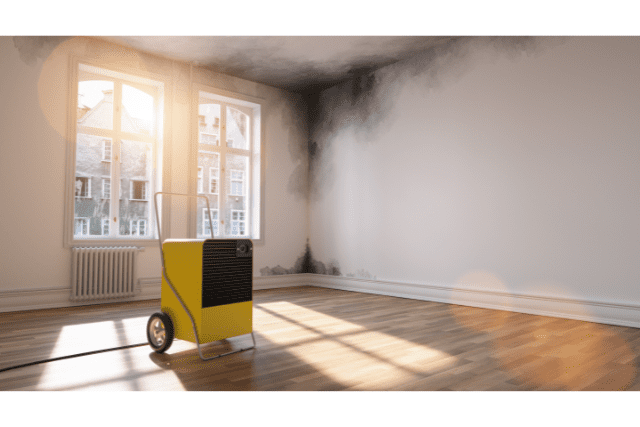
- Installing or maintaining dehumidifiers in damp rooms
- Regularly checking for leaks in plumbing or appliances
- Ensuring fans and vents in bathrooms and kitchens are functional
- Wiping down wet surfaces frequently
- Servicing HVAC systems and using HEPA air filters
For deeper protection strategies, visit this overview on steam cleaning for hygiene.
DIY vs. Professional Mold Removal: How to Decide
Wondering whether to attempt mold removal yourself or hire professionals? Consider:
- Size of infestation: Over one wall, ceiling, or recurring spots = professional.
- Type of surface: Porous, structural, or hidden mold often needs professional-grade removal for safety.
- Health & safety: Family members with allergies, asthma, or weakened immune systems benefit from professional cleaning protocols.
- Long-term cost: Poorly treated mold can recur and require costlier repairs; professional service offers peace of mind.
To explore common annual cleaning tasks and learn about maintenance beyond mold, see this full checklist.
Checklist: How to Choose a Mold Cleaning Company
- Experience with mold cleanup in residential, office, and specialized facilities.
- Certifications: Training in industry standards like IICRC S100, insurance and licensing.
- Transparent pricing and open communication about process, timing, and potential extra charges.
- Flexible scheduling for urgent deep cleaning, move-out situations, or regular upkeep.
- Attention to detail: Protocols for cleaning high-touch and hidden areas (under sinks, behind drywall, HVAC systems).
Essential Do’s and Don’ts for Mold Cleaning at Home
- Do: Test solutions on small areas; ventilate the space; address underlying moisture problems; maintain a cleaning record for recurring issues.
- Don’t: Paint or caulk over mold; mix chemicals; skip protective gear; ignore symptoms after cleaning—seek professional help if mold returns.
FAQ: Mold Cleaning Solutions and Professional Mold Removal
- Are store-bought mold sprays as effective as professional treatments?
- Store-bought sprays can be effective for small spots if used properly. However, professionals use commercial-grade, often EPA-registered products for deep penetration and lasting protection.
- Can I use bleach for mold removal on any surface?
- No—bleach is effective only on non-porous surfaces like tile. It does not remove deeply rooted mold in drywall, wood, or fabric, and may worsen issues if used incorrectly.
- How can mold cleaning affect indoor air quality?
- Proper cleaning, combined with drying and HEPA vacuuming, improves air quality. Improper cleaning can release spores and worsen allergies if spaces aren’t ventilated.
- Which areas should I check most often for mold?
- Bathrooms, kitchens, basements, attics, and HVAC systems are most susceptible in Chicago due to humidity and older construction. Don’t forget under sinks and behind appliances.
- How do I prevent mold from coming back after cleaning?
- Maintain low humidity, repair leaks quickly, ventilate high-moisture areas, and schedule regular deep cleans.
- What personal protection is necessary during mold cleaning?
- Wear gloves, an N95 or better respirator, goggles, and long sleeves. Discard or thoroughly clean all gear and wash up immediately after finishing.
- Are DIY methods safe for homes with children or pets?
- Only use non-toxic solutions like vinegar and always ventilate well. Avoid chemical sprays in areas where children and pets spend time.
- Is there a difference between mildew and mold?
- Yes—mildew is a powdery, less invasive surface fungus; mold is often darker, can penetrate surfaces, and poses greater health risks.
Next Steps: Restore a Clean, Safe Space
Addressing mold quickly and correctly means a healthier home or business. For stubborn or extensive mold issues, rely on professionally trained experts who offer detailed cleaning and prevention plans. Consider scheduling a deep cleaning visit or move-out cleaning session to ensure every hidden corner is thoroughly treated.
About Quick Cleaning
Quick Cleaning helps households and businesses in Chicago, Illinois and nearby areas keep their spaces clean and healthy. Our team specializes in recurring house cleaning, deep cleaning, move-out cleaning, office cleaning, and specialized facility cleaning. With trained, insured staff and a commitment to quality standards, we use effective and safe cleaning products to deliver reliable results. For more information or to review our range of services, visit Quick Cleaning.

cleaning contractors, one time deep cleaning, deep house cleaning chicago, deep clean North Riverside, deep cleaning Itasca IL, deep cleaning in Wicker Park, one time deep cleaning Lincoln Park, home deep cleaning La Grange, deep house cleaning Elgin, deep cleaning in Wood Dale