
Steam Cleaning of Surfaces: Comprehensive Guide to Advantages and Benefits
Are you evaluating ways to achieve a higher standard of cleanliness at home or work? Steam cleaning of surfaces offers a powerful, eco-friendly approach to eliminating dirt, germs, and odors from high-touch areas. This guide covers in detail the advantages and benefits of steam cleaning, how it compares to other methods, and when to trust a professional service. Whether you’re a homeowner, a business manager, or responsible for an Airbnb, you’ll learn exactly what to expect, what surfaces benefit most, safety tips, and how Chicago professionals like Quick Cleaning ensure results.
What Is Steam Cleaning of Surfaces? Modern Science Behind the Method
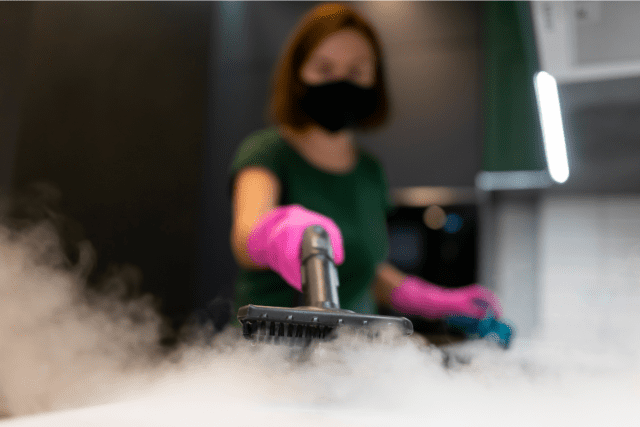
Steam cleaning is a deep cleaning process that uses heated water vapor to remove dirt, allergens, and pathogens from a range of surfaces. The method relies on temperatures typically above 200°F, ensuring both cleaning and sanitizing effects without introducing harsh chemicals.
- Heat penetrates pores in surfaces, loosening grime, grease, and organic build-up.
- Steam vapor disrupts bacteria and viruses, reducing infection risk.
- Moisture evaporates quickly, so surfaces dry faster and mold growth is minimized.
This technique is commonly used on floors, tile, bathrooms, upholstery, and kitchen areas—especially in homes and offices that require a higher hygiene standard.
Advantages of Steam Cleaning for Surface Hygiene
Steam cleaning stands out for its ability to deliver both visual and microbiological cleanliness. Here are its main hygiene benefits:
- Chemical-free sanitation: Only water vapor is used, ideal for households with kids, pets, or allergies.
- Deep penetration: Reaches into crevices and porous materials that traditional wiping misses.
- Quick, residue-free drying: Surfaces aren’t left sticky or soapy.
- Allergen reduction: Effective at killing dust mites, bacteria, and mildew spores on surfaces.
Surfaces That See the Greatest Hygiene Gains
- Tile, grout, and bathroom fixtures
- Sealed hardwood, vinyl, and ceramic floors
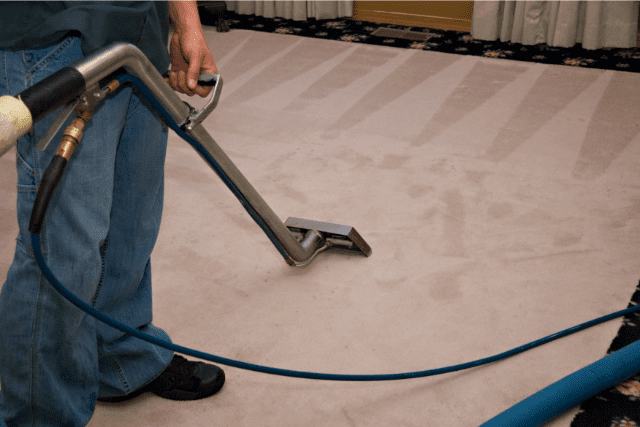
- Upholstery and carpeting (with proper attachments)
- Cabinet doors and kitchen counters
- Office desks, conference tables, and shared equipment
How Steam Cleaning Differs From Other Deep Cleaning Methods
It’s common to wonder: how is steam cleaning different from traditional cleaning or chemical disinfecting? Here’s a side-by-side comparison:
| Method | Typical Use | Key Benefits | Limitations |
|---|---|---|---|
| Standard Chemical Cleaning | General dirt removal | Accessible for DIY; breaks down surface grime | May leave residues; chemical exposure |
| Disinfectant Sprays/Wipes | Targeted microbial reduction | Fast for high-touch areas | Temporary effect; potential irritation |
| Steam Cleaning | Deep and broad-area sanitizing | Chemical-free; deep penetration; allergy control | Not suitable for all materials (e.g., unsealed wood, electronics) |
Steam cleaning’s biggest strengths are its depth and gentleness—delivering cleanliness with less chemical risk, while also addressing allergens and biofilms that wipe-downs can miss.
When Is Steam Cleaning the Preferred Choice?
Not all cleaning jobs are alike. Opt for steam cleaning in situations like:
- You need residue-free sanitizing for sensitive environments (daycares, medical spaces, pet zones).
- There’s visible mold, heavy soil, or allergy triggers present on surfaces.
- Hard-to-reach crevices, grout, or upholstery must be deeply cleaned.
- You want a fast-drying, low-chemical process (especially after move-outs or before move-ins).
- Recurring complaints of odors, especially after ordinary cleaning, persist.
For delicate antiques, electronics, or surfaces not designed for high moisture, professional teams will assess before proceeding.
Examples From Chicago Facilities and Homes
- Offices opting for annual deep cleaning to reduce illness transmission between employees.
- Airbnb hosts requiring a fast reset between guests, with attention to high-touch areas and upholstery.
- Homeowners noticing recurring pet odors or persistent stains in carpets and furnishings.
Health and Environmental Safety: Why Steam Is a Smarter Option
One of the strongest arguments for steam cleaning is that it avoids many of the hidden hazards of chemical-based cleaning. Highlights:
- Improved indoor air quality: No lingering fumes or residues.
- Reduced health risks, especially for children, allergy sufferers, and pets.
- Eco-friendly: Only water is used, lowering the environmental impact.
- Effective as part of protocols recommended by expert sources such as the DuPage County Health Department, who outline best practices for minimizing illness transmission.
Following CDC and Local Guidelines
Professional cleaning companies like Quick Cleaning stay current on recommendations for disinfecting public and shared facilities as outlined in industry perspectives from sources like the Association for Professionals in Infection Control and Epidemiology (APIC).
Understanding the Steam Cleaning Process: Steps and Quality Checks
Whether at home or for your business, here’s how professional steam cleaning unfolds:
- Assessment – Identify surface material, soil level, and any stains/allergens of concern.
- Vacuuming – Remove loose debris and maximize steam’s effect.
- Pre-treatment – In case of set stains or heavy grime, spot treatments may be applied (always residue-free and safe for pets/kids).
- Steam Application – Slow, thorough passes with the appropriate head for hard floors, upholstery, or grout. Water vapor loosen dirt and kills germs.
- Final wiping/quick broadsweep – Ensures no moisture pools are left behind and surfaces are touch-dry.
- Quality check – Technicians ensure no areas are missed and address persistent spots as needed.
Checklist for Surface Suitability
- Sealed tile, stone, and ceramics: Safe and highly effective
- Sealed hardwood: Generally safe, but confirm with your cleaning pro
- Vinyl, laminate, linoleum: Safe with modern steamers
- Upholstery/fabrics: Check for colorfastness and moisture sensitivity
- Electronics, untreated wood, art: Do not use steam
Professional versus DIY: What Sets Commercial Steam Cleaning Apart?
While consumer-grade steam mops exist, there are clear differences in power, reach, and reliability between DIY and professional steam cleaning.
- Temperature: Professional devices reach higher, germ-killing temps
- Pressure control: Technicians calibrate for each surface, preventing damage
- Coverage: Commercial equipment handles large areas and tough buildup efficiently
- Time and consistency: Well-trained staff follow a methodical, complete checklist for each site
- Problem-solving: Professionals spot secondary issues, such as recurring odors, residue, or mold risk
Why Customers Choose Pro Teams in Chicago
- Hard-to-remove old stains on tile or upholstery
- Large square footage, such as offices or multi-unit buildings
- Requirement for certified cleaning for health reasons (childcare, clinics)
- Lack of time/equipment at home
Integrating Steam Cleaning into Deep Cleaning Routines
Many clients schedule steam cleaning as part of a seasonal or annual deep cleaning to maintain hygiene and prolong surface life. Here’s how steam fits into a broader cleaning plan:
- During move out cleaning, steam helps reset carpets, tiles, bathrooms, and kitchens before turnover.
- For recurring cleanings, periodic steam treatment reduces allergen load and toughens odor control.
- Special facility cleaning (gyms, daycares, offices): Steam targets germ hotspots, especially in shared environments. For tailored solutions, consider a specialized commercial cleaning service.
Sample Steam Cleaning Integration Checklist
- Schedule steam treatment after initial dusting and visible dirt removal
- Rotate steam focus by season: spring (allergy control), autumn (flu prevention)
- Request included steam cleaning for recurring service in kitchens and bathrooms
- For move out/move in, ask your provider for a steam-clean option on all surfaces
Surface-Specific Considerations: What to Know Before You Steam
Not every surface benefits equally from steam. Here’s how to decide:
- Natural stone (marble/granite): Can discolor if not sealed; consult your cleaning provider
- Wood floors: Only steam if sealed; avoid excessive moisture
- Area rugs/carpets: Confirm colorfastness and manufacturer guidelines
- Textiles and upholstery: Test a small section first for moisture sensitivity
Partnering with experienced cleaning companies ensures every step is tailored, avoiding damage and delivering clean, healthy spaces.
Hygiene Outcomes: Realistic Expectations for Residue, Odor, and Allergen Control
What visible and invisible results can you expect? Steam cleaning delivers on:
- Odor elimination: High heat neutralizes many organic odors
- No soapy film: Surfaces feel dry and fresh
- Reduced respiratory allergens: Dust mites, mildew, some pet dander are neutralized
- Visual refresh for most hard surfaces and fabrics
Limitations: Old stains or damage may require additional treatments. Some odors (like old smoke or pet urine in subflooring) are challenging and may not fully disappear after a single treatment.
How Often to Schedule Steam Cleaning for Maximum Benefit
Frequency depends on several factors: usage, occupants, pets, and hygiene requirements. Use this table for guidance:
| Area | Recommended Frequency |
|---|---|
| Home kitchens & bathrooms | Every 2–3 months |
| Upholstery/carpets (pets/allergies) | Quarterly/seasonally |
| Office public areas | Quarterly–biannually |
| Move out/move in clean | Every turnover |
| Medical/daycare/gyms | Monthly–quarterly |
Adjust this schedule if you notice increased staining, odors, or in times of illness outbreaks.
Preparation Steps: How to Get Ready for a Professional Steam Cleaning
Maximize the value of your cleaning session by following these pre-appointment steps:
- Remove small, delicate, or electronic items from treatment areas
- Pre-vacuum carpets and rugs if possible
- Clear clutter or valuables from treatment surfaces
- Notify your provider about stains, sensitive surfaces, or allergies ahead of time
Pro teams from Quick Cleaning arrive equipped for all the major surfaces, and will review any special requests before starting.
Error-Proofing: Steps for Post-Steam Surface Care
To sustain the newly cleaned environment:
- Allow areas to fully dry before heavy use
- Ventilate the area post-clean to enhance drying and freshness
- Use only recommended cleaning products for maintenance between steam cleans
- Schedule regular recurrence, especially in allergy-prone or high-traffic zones
Always follow professional advice before introducing new surfactants or sprays onto steamed surfaces.
Red Flags: When Not to Use Steam Cleaning
- Unsealed hardwood or natural stone
- Electronics, control panels, or art objects
- Very fragile or moisture-sensitive textiles
- Areas with active electrical currents or poor ventilation
If in doubt, always request an assessment from your cleaning professional. For alternative approaches, you might consider services like deep cleaning designed for complex homes and commercial spaces.
Decision Guide: Choosing a Reputable Steam Cleaning Provider
Not every cleaning company offers the same quality of service. When selecting a steam cleaning expert, look for:
- Trained, background-checked staff
- Up-to-date equipment suitable for your surfaces
- Flexibility for recurring, one-off, or urgent visits
- Clear pricing and transparent communication
- Evidence of following sanitizer/disinfection protocols recommended by authorities
Check reviews, ask about checklists, and see if they tailor their cleaning to high-touch/problem areas. Quick Cleaning’s consistent quality and client-first approach in Chicago make it a trusted partner for homes and businesses alike.
Integrating Steam Cleaning With Other Deep Cleaning Strategies
For best results, steam cleaning should be a component of a strategy that addresses:
- Decluttering/pre-cleaning for access
- Conventional cleaning first (to remove dry soils)
- Steam cleaning as a final sanitation pass
- Specialty stain or odor treatments when needed
This multifaceted approach helps Quick Cleaning deliver long-term results for diverse clientele. Check out tips for protecting your skin while cleaning and how proper cleaning affects furniture and appliances for more holistic home care advice.
FAQ: Steam Cleaning of Surfaces in Homes and Businesses
- Does steam cleaning kill bacteria and viruses?
Yes, high-temperature steam disrupts the cell walls of many bacteria and viruses, significantly reducing risk. For extreme disinfection needs, always verify with your cleaning provider. - Are there any fumes or residues left behind?
No. Steam cleaning uses only water, so there are no harsh chemicals or scents remaining. - Which surfaces are not safe for steam cleaning?
Electronics, unsealed wood, fragile textiles, and some natural stones should not be steamed. Always ask for a professional assessment. - How long does a typical steam cleaning take?
Small areas may be finished in under an hour; whole homes or offices require several hours. The process is typically much faster than wet carpet cleaning, and dries quickly. - Can steam cleaning remove pet or smoke odors?
It greatly reduces most organic odors, though some deep-set smells may need repeat visits or extra treatment. - How soon can I use my space after a steam clean?
Most surfaces are dry and ready for use within an hour. Upholstery or carpets may take up to 2–3 hours to be completely dry. - Is steam cleaning safe for allergy sufferers and children?
Yes, it is an ideal chemical-free choice, removing many triggers from surfaces and air. - How should I maintain surfaces between appointments?
Dust and mop as usual, and avoid heavy soaps. Consider periodic steam touch-ups in high-use areas. - Are professional-grade machines better than store-bought?
Yes, due to hotter steam, consistent pressure, and thorough technician training. - What’s the best way to schedule a cleaning?
Choose a provider offering flexible scheduling and a proven checklist. For recurring, deep, or urgent needs, visit the Quick Cleaning site to request the right service for your space.
Conclusion: Why Steam Cleaning Is a Critical Upgrade for Home and Business Hygiene
In summary, steam cleaning of surfaces offers advantages that go beyond traditional cleaning—deep, residue-free sanitation, chemical-free allergy relief, and improved air quality. For busy households, property owners, and businesses in Chicago, it’s a reliable option that supports healthier, more appealing work and living spaces. Ready to refresh your home or office? Explore professional cleaning services tailored to your needs and get the results you deserve.
About Quick Cleaning
Quick Cleaning is a trusted residential and commercial cleaning provider in Chicago, Illinois. Our trained staff specialize in recurring house cleaning, deep cleaning, move out cleaning, office cleaning, and specialized facility cleanings. Using professional-grade equipment, modern checklists, and a commitment to client communication, Quick Cleaning helps households and businesses in Chicago and nearby areas maintain healthy, welcoming environments. We prioritize safety, clarity, and long-term relationships with every clean.
WHO data, chicago cleaning company, Deep Cleaning Service Chicago, Deep Cleaning Chicago Service, deep cleaning Albany Park, professional deep cleaning Glen Ellyn IL, best deep cleaning Lansing IL, deep cleaning in Rogers Park, home deep cleaning Gold Coast, professional deep cleaning Lake Forest, best deep cleaning Glenview