
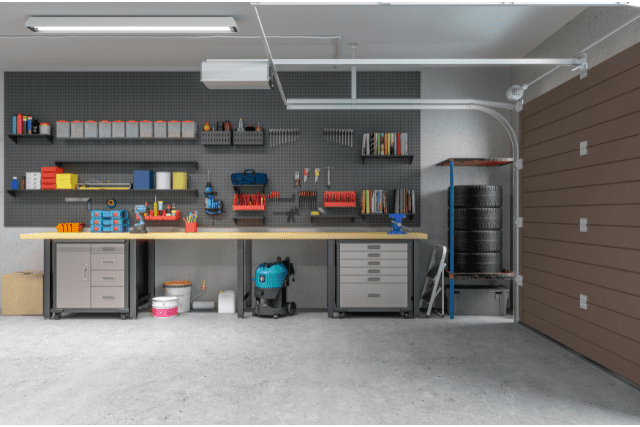
Complete Guide to Removing Garage Stains: Professional Approaches for Chicago Homes and Businesses
Garage stains are a common but stubborn nuisance for homeowners, tenants, Airbnb hosts, landlords, and business managers in Chicago. Everyone wants clean, safe, and well-maintained garages—whether it’s a residential space, a rental property, or a facility used day-to-day by employees and clients. Tackling garage stains effectively requires knowledge of the types of stains you’re dealing with, a safety-first mindset, and the confidence to choose between professional deep cleaning or a carefully executed DIY solution. This guide breaks down how to remove garage stains with detailed frameworks, safety guidelines, product choices, and insider tips, so you’ll approach even the toughest marks with professional-level assurance.
Stain Types in Garages: What You’re Up Against
A garage can accumulate multiple types of stains, each with its own removal challenges. Understanding what you’re facing is the first step toward a spotless space. Here are the most common garage stains:
- Oil and grease (vehicle leaks, machinery)
- Rust (from tools, metal storage, pipes)
- Mold and mildew (humidity, Chicago seasonal changes)
- Paint and chemical spills
- Dirt, mud, and unknown sticky residues
- Salt stains (from winter de-icing)
Each stain category requires a tailored cleaning process. Proper identification helps avoid damaging the garage surface or causing persistent odors and discoloration.
Assessing the Stain: Condition, Material, and Risks
Before attempting to remove a garage stain, you need a systematic assessment:
- Type of surface (bare concrete, sealed floor, epoxy, tile, composite)
- Depth and age of stain
- Presence of cracks, chips, or surface coatings
- Potential hazards (slippery areas, chemical residues, mold)
Tip: For older, set-in stains, deep cleaning or professional methods are frequently required. If the garage is used for commercial purposes or has specialized flooring, consult with a cleaning expert.
Safety First: Protective Gear and Ventilation
Garage stain removal can involve products, machinery, and processes that affect indoor air quality and personal safety. Always begin with these precautions:
- Wear gloves (preferably chemical-resistant)
- Use safety goggles for splatter hazards
- Ventilate the area by opening garage doors and windows
- Read labels on cleaning chemicals, and never mix bleach with ammonia-based products
- For toxic or unknown substances, err on the side of caution—step back and consult a professional
For more on cleaning safety, see ways to protect your skin while cleaning.
Preparation Steps: Decluttering, Dry Cleaning, and Testing
Preparation is crucial for both efficiency and safety:
- Move all items off the stained area.
- Sweep thoroughly to remove dirt, grit, and loose debris.
- If possible, dry-mop or use a shop vac.
- Test your chosen cleaning solution on a small, inconspicuous garage section before full application.
Preparation protects both you and the garage floor, reduces job time, and prevents spread of contaminants.
Essential Tools and Chemicals for Each Stain
The right equipment and products vary by stain type. Here is a structured comparison for common garage stains:
| Stain Type | Tools Needed | Recommended Chemicals & Products |
|---|---|---|
| Oil/Grease | Stiff brush, microfiber rag, cat litter or commercial absorbent | Degreasers, heavy-duty floor cleaner |
| Rust | Non-metallic scrubber, gloves | Rust remover (make sure it’s surface appropriate) |
| Mold/Mildew | Mask, sponge, bucket | Non-chlorine mold remover, EPA Safer Choice options |
| Paint/Chemicals | Paint scraper, old towels | Solvent compatible with your floor (check manufacturer’s recommendations) |
| Salt/Dirt | Broom, mop | Warm water, gentle detergent, vinegar (for light salt residue) |
For eco-friendly products, the EPA’s Greener Products guide offers trustworthy choices suitable for garages.
Checklist for Oil and Grease Stain Removal
- Blot up fresh oil with absorbent (cat litter, sawdust).
- Sweep up absorbent after 24 hours.
- Apply degreaser or paste of baking soda and dish liquid.
- Scrub with brush and let sit (10–15 minutes for tough stains).
- Rinse thoroughly with warm water. Repeat as needed.
Pro tip: For persistent stains, a professional-grade degreaser and hot-water extraction may be required, available through office or facility cleaning services.
Rust and Chemical Stains: Step-by-Step Removal Plan
- Wet the area lightly (unless manufacturer’s product says otherwise).
- Apply rust remover or white vinegar, allow to soak for 5–15 minutes.
- Scrub with a non-metallic pad or brush to avoid surface scratches.
- Rinse and dry the area thoroughly.
If you’re dealing with heavy or recurring rust, deeper intervention might be needed—find more on removing rust stains or discuss with a cleaning specialist.
Mold and Mildew Stains: Safe Remediation Process
- Wear a mask and gloves for personal protection.
- Dampen the stained area gently (do not spread spores).
- Use an EPA-registered or commercial disinfectant designed for surface mold.
- Scrub, rinse, and allow to dry completely—rehumidification can trigger regrowth.
Consult best cleaning solutions to remove mold for more detailed strategies and product options.
Paint and Chemical Spills: Minimizing Damage
- Act quickly to blot and contain spills.
- Use a compatible paint remover (follow manufacturer guidelines), test first.
- Scrape gently and mop residue. Ventilate heavily during process.
Certain spills, especially industrial chemicals, may require a service with hazardous material handling experience. Err on the side of caution if you’re unsure.
Dealing with Salt and Road Residue in Chicago Winters
Chicago’s winters mean winter salt, mud, and vehicle residue build up quickly. To tackle:
- Sweep off loose debris frequently during winter months.
- Mop with warm water and a neutral pH detergent.
- Treat stubborn salt marks with vinegar solution (1:4 vinegar to water); rinse thoroughly.
Schedule routine cleanings to decrease surface degradation.
Comparison: DIY Garage Stain Cleaning vs. Professional Service
Unsure whether to DIY or call in a pro? Here’s a structured comparison to help you decide:
- DIY Pros: Lower cost, flexible timing, satisfaction of a job well done.
- DIY Cons: Time-consuming, may lack correct tools, risk of incomplete removal or surface damage.
- Professional Pros: Access to commercial-grade products/equipment, safer for persistent/unknown stains, saves time, often includes surface protection options.
- Professional Cons: Costs more upfront, scheduling may require flexibility; must select a provider with appropriate expertise.
Choosing a Cleaning Provider: Credentials, Questions, and Safety
If you’re considering professional help, ensure your prospective cleaning company can:
- Explain products and processes transparently
- Demonstrate proper insurance, training, and surface expertise
- Offer flexible scheduling and clear, consistent communication
- Supply a stain-specific cleaning checklist or scope for your space
Find more on how to choose the right professional cleaning for your property type and situation.
Deep Cleaning Checklists for Residential vs. Commercial Garages
Residential Garage Stain Removal Checklist
- Identify all stains and spills (inventory garage floor)
- Test cleaning solution on each stain type
- Confirm family/pet safety of selected products
- Ensure ventilation and PPE (personal protective equipment)
- Log progress and repeat steps where necessary
Commercial Garage (Facility) Stain Removal Checklist
- Conduct pre-cleaning risk assessment (hazards, building policy)
- Assign responsibility for sensitive or specialized areas
- Schedule cleaning around business operations
- Document stains before/after treatment
- Include periodic deep cleans on annual maintenance plan
See things included in a deep cleaning service for a detailed list of what a top-tier cleaning provider should offer.
Optimal Cleaning Frequency and Preventive Measures for Garage Stains
How often should you deep clean a garage floor and address stains?
- Seasonal Deep Cleaning: At least twice a year (spring and fall), especially in Chicago’s climate.
- Spot Cleaning: Immediately after spills or visible stains.
- Weekly/Monthly: Quick sweeps and spot checks to prevent buildup.
For more on keeping spaces consistently clean, check ways to keep your residence clean.
Stain-Resistant Coatings and Sealants: Worth the Investment?
Once stains are removed, adding a surface coat or sealant can:
- Decrease future absorption of oil and chemicals
- Make routine cleaning faster and more effective
- Reduce risk of permanent discoloration
Discuss coating options as part of a commercial cleaning booking or follow EPA guidelines on appropriate sealants for indoor environments.
What to Do if a Stain Won’t Budge: Escalation Steps
- Consult the floor manufacturer’s care guidelines (for epoxy, tile, or sealed floors)
- Try alternative, surface-safe products or techniques
- Photograph the stain for reference
- Contact a professional with garage stain experience
Stains that resist repeated cleaning attempts may indicate material damage or embedded chemicals. For specialty needs (such as post-construction cleaning or medical facility spaces), always use a pro.
Quick Cleaning’s Approach: Best Practices for Garage Stain Removal
Our professional checklists for garage stain removal always include:
- Surface-friendly, professional-grade products for different floor types
- Trained staff equipped with proper PPE and ventilation plans
- Initial assessment and post-cleaning review
- Transparent, fixed pricing and support
Want to leave the tough stains to the pros? Schedule Deep Cleaning Services or Move Out Cleaning for a thorough garage treatment.
FAQ: Removing Garage Stains in Chicago Homes and Businesses
Oil stains are shiny, dark, and often spread. Rust has a reddish hue. Mold looks patchy and might smell musty. Paint has a hard, crusty feel. If you’re unsure, test with a small amount of cleaner before treating the whole stain, or consult a professional.
Can I use household cleaners for tough stains?
Yes, for mild stains, dish soap, vinegar, and baking soda may work. For deep-set or harsh stains (industrial spills, paint, or mold), always use products designed for both stain type and surface. EPA-registered options are safest.
Is it safe to remove mold stains myself?
It depends on the extent. Always use gloves, a mask, and work with good ventilation. For extensive or toxic mold, especially in commercial or humid environments, a professional cleaning crew is safest.
Will cleaning chemicals damage my garage surfaces?
Improper chemical selection or overuse can damage sealed, painted, or epoxy floors. Always spot-test and follow manufacturer guidelines for your garage floor material.
How soon can I use my garage after stain removal?
Let treated areas dry fully and ventilate for several hours before returning vehicles or storage items. With professional hot-water extraction, the drying process is typically faster.
Can recurring stains signal underlying problems?
Repeated oil, water, or mold stains may indicate leaks or excess garage humidity. Address underlying issues (plumbing, ventilation, weatherproofing) alongside cleaning.
Should I apply a sealant after stain removal?
Sealants protect concrete against future stains and make maintenance simpler. They are recommended after deep or repeated cleaning for best long-term results.
How do I keep my garage stain-free after cleaning?
Respond to spills promptly, sweep often, use floor mats under vehicles, and schedule deep cleans biannually. Coatings can provide extra protection.
Do professional cleaners guarantee stain removal?
Professionals maximize results with specialized products and skilled staff, but some deep-set stains (especially on old or untreated concrete) may be permanent. Pre-cleaning assessments give a clear expectation.
Wrap-up: Maintaining a Spotless Garage for Health, Safety, and Curb Appeal
Removing garage stains is about more than appearance—it protects your family, property, and investment. By assessing your stains, prepping thoughtfully, using the right methods, and calling in experts when needed, you’ll manage the toughest garage marks with confidence. For comprehensive treatment using professional-grade checklists and products, trust a provider that matches Chicago’s diverse needs. Ready for a deep refresh? Book house cleaning or commercial cleaning for peace of mind.
About Quick Cleaning
Quick Cleaning helps households and businesses in Chicago, Illinois and nearby areas keep their spaces clean and healthy. Our trained staff specializes in recurring house cleaning, deep cleaning, move out cleaning, office cleaning, and facility cleaning services. We focus on consistent checklists, safe cleaning practices, flexible scheduling, surface-appropriate products, and building long-term relationships with clients. Contact Quick Cleaning to discover the difference our professional approach can make for your home, garage, or business facility.

Heavy-duty cleaning products, best cleaning services, Deep Cleaning Chicago, Deep Cleaning Services Chicago, best deep cleaning Bradley IL, one time deep cleaning South Loop, best deep cleaning La Grange, deep clean Franklin Park, best deep cleaning Willowbrook IL, deep cleaning Lombard, professional deep cleaning Homewood