How to Strip and Wax Commercial Floors: A Professional Facility Guide
For facility managers, property owners, and business professionals, keeping commercial floors clean, safe, and attractive is a high-stakes task. Well-maintained floors impact first impressions, safety, and even employee morale. How to Strip and Wax Commercial Floors is a process that involves careful assessment, the right products, and proven step-by-step techniques. In this guide, you’ll learn not just “how” but “why”—from checklists and safety insights to maintenance advice and expert tips from Quick Cleaning.
Understanding Commercial Floor Care Needs
Before you start stripping and waxing, assess your facility’s unique floor conditions. High-traffic businesses in Chicago face footfall, weather, and grime—it’s not just about appearances; it’s about protecting your investment.
- Material assessment: Is your flooring VCT, terrazzo, linoleum, or another type?
- Trouble spots: Watch for worn finishes, dullness, scratches, or discoloration.
- Usage patterns: Entryways and breakrooms often wear out fastest; consider zone-based routines.
Signs Your Commercial Floors Need Stripping and Waxing
- Persistent dullness after routine cleaning
- Visible scratches and worn traffic lanes
- Loss of shine or yellowing of old wax layers
- Sticky or uneven surface areas
- Difficulty cleaning spills or stains due to worn finish
Essential Preparation and Safety Steps
Gathering Supplies
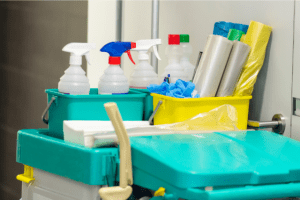
- Commercial-grade floor stripper
- Appropriate wax finish
- Auto scrubber or slow-speed buffer
- Wet/dry vacuum
- PPE: gloves, eye protection, non-slip footwear
- Clean mops, buckets, and floor pads
- Warning signage for wet floors
Prepping the Area
- Clear all furniture and obstructions
- Sweep and dust-mop thoroughly
- Protect baseboards and nearby surfaces from overspray
Safety Protocols
- Ensure proper ventilation
- Follow product instructions carefully
- Post warning signs to prevent slips and falls
- Use EPA- and CDC-recommended products for hygienic cleaning
Comparing Floor Stripping and Waxing Products
| Product Type | Best For | Key Benefits | Environmental Rating |
|---|---|---|---|
| Traditional Wax (Acrylic/Polyurethane) | High-durability, shine for VCT/terrazzo | Long-lasting, high-gloss finish | Standard, variable |
| Green Seal Certified Products | Facilities seeking eco-friendly solutions | Low-VOC, safer for indoor air | EPA-compliant |
| High-Traffic Formulas | Retail stores, schools, entryways | Resists scuffing and abrasion | Standard |
| Spray Buff Solutions | Quick interim shine between full strips | Easy touchups, maintains gloss | Varying |
Always consult the manufacturer’s instructions and environmental impact ratings before choosing products for your facility.
Step-by-Step Guide: How to Strip Commercial Floors Professionally
- Prepare the space: Remove furniture, dust-mop floors, install warning signage.
- Apply stripper: Section by section, spread the solution evenly using a mop. Allow recommended dwell time (usually 10-15 minutes).
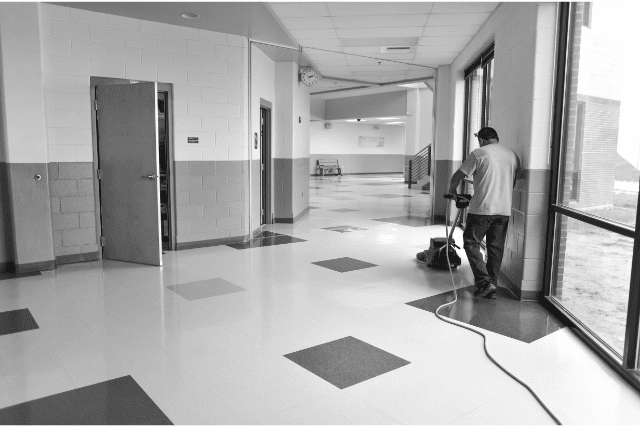
- Agitate and remove: Use a slow-speed buffer with a stripping pad to agitate surface. Pay attention to stubborn corners.
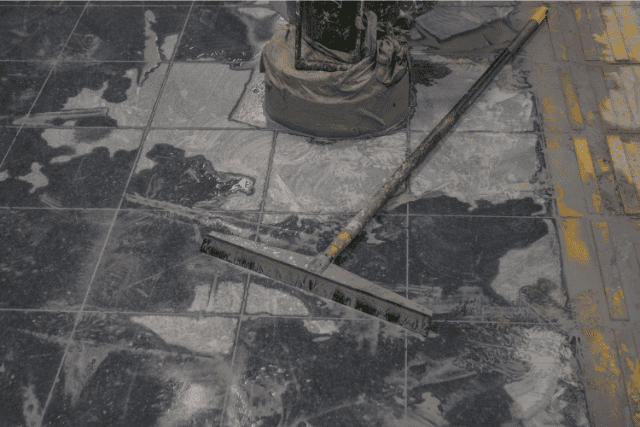
- Vacuum or mop up: Use a wet/dry vacuum or mop to remove slurry (old finish + stripper).
- Rinse: Rinse the floor with clean water (often twice) to ensure no residue remains.
- Dry thoroughly: Use fans or air movers; the surface must be fully dry before waxing.
Pro Tip
Partner with staff or a professional crew to work in teams and reduce downtime for busy facilities.
Waxing Commercial Floors: Achieving a Durable, Professional Finish
- Select the right wax: Choose a formula specific to your floor type and use case.
- Apply the first coat: Using a clean mop or wax applicator, spread a thin, even layer in smooth, overlapping strokes.
- Let dry: Most waxes require 30–50 minutes to dry between coats (consult product specs).
- Repeat: Apply 2–4 coats for optimal protection and shine. Allow full cure as directed before reopening area.
Checkpoints for Each Coat
- Check for streaks, bubbles, or debris before starting the next coat.
- Ventilate well—especially in enclosed Chicago facilities during winter.
Deciding on DIY vs. Professional Services
While small offices may attempt to strip and wax floors in-house, most high-traffic commercial spaces require professional equipment and expertise. Consider:
- Scope: More than 1,000 sq ft? Complex layouts? Hire a pro.
- Team training: Are your staff trained in product use and safety?
- Time and disruption: Can you close areas for several hours or overnight?
- Budget vs. quality trade-offs: Cheaper DIY is riskier in the long term if done poorly.
For businesses wanting consistent quality, consider a professional office cleaning crew familiar with Chicago’s unique needs.
How Often Should Commercial Floors Be Stripped and Waxed?
- Heavy-traffic spaces (retail, schools): 2–4 times per year
- Moderate-traffic offices: 1–2 times per year
- Low-traffic or specialized areas: Annually or as needed
Seasonal changes (like Chicago’s winters) or events may require additional attention. Monitor trouble spots to stay ahead of wear.
For comprehensive strategies, see the benefits of cleaning your company’s floor regularly.
Checklists for Stripping and Waxing Success
Pre-Project Checklist
- Reviewed floor type and square footage
- Secured all needed supplies and PPE
- Read all product safety sheets (SDS)
- Scheduled adequate dry/cure time
- Notified affected staff or occupants
During Project
- Maintain ventilation
- Rotate dirty mop heads and pads as needed
- Double-check edges and corners
- Keep walkways blocked until floors are dry
Post-Project
- Inspect for streaks, dull patches, or haze
- Update maintenance logbooks
- Plan interim cleaning and buffing schedule
Common Pitfalls and Troubleshooting Floor Care Issues
- Residual haze or cloudiness—typically from incomplete rinsing
- Streaks or uneven gloss—caused by rushed application or contaminated applicators
- Wax build-up along edges—improper stripping or over-application of wax
- Slippery surfaces—over-polishing or the wrong product for current use
If problems persist, review SDS and manufacturer FAQs or consult a specialist for complex issues. More tips can be found at avoiding common floor finishing mistakes.
Maintaining Floors After Stripping and Waxing
- Use mats at entrances to reduce dirt and grit
- Daily dust mopping to extend finish life
- Interim buffing or spray treatments as needed
- Spot clean wet spills immediately
- Avoid harsh chemicals that degrade wax finish
For advanced maintenance, learn about polishing vs. buffing strategies.
Hygiene, Safety, and Compliance Considerations
- Follow CDC facility cleaning protocols
- Choose low-VOC and environmentally preferable products
- Document stripping and waxing dates for compliance records
- Train staff on PPE and emergency procedures in case of spills or exposure
Choosing the right products helps meet EPA safer product standards.
Need recurring, compliant service for your business? Explore deep cleaning options for routine commercial facilities.
Case Examples: Stripping and Waxing in Chicago Facilities
School Setting
Annual strip-and-wax cycles timed during holiday breaks preserve hallway shine and safety.
Medical Offices
Quarterly detailed floor finishing—as part of infection control—follows guidelines from the CDC and EPA-compliant products.
Retail Showrooms
Entry areas receive monthly buffing and biannual full strip-and-wax due to salt and traffic.
Discover more expert checklists for different facility types.
Choosing the Right Professional Floor Care Partner
- Look for transparent pricing and scope clarity
- Ask about their floor finishing materials and environmental commitment
- Confirm training, insurance, and references
- Request detailed process outlines for your facility type
- Evaluate response speed for post-service support or emergencies
For more on decision-making, see how to find commercial cleaning services and what to look out for in a commercial cleaning service.
Frequently Asked Questions About Floor Stripping and Waxing
How long should I let the stripper sit before scrubbing?
Typically, 10–15 minutes is sufficient, but follow the product’s directions. Longer is not always better, as it may cause residues or damage sensitive flooring.
Can stripping and waxing be done after hours or weekends?
Yes. Many Chicago facilities schedule major floor care during off-hours to minimize disruption.
What surfaces should never be waxed?
Avoid waxing wood, tile, or laminate unless the product specifically allows it. Waxing the wrong surface can create slippery, unsafe conditions.
Is it safe for occupants to re-enter immediately after waxing?
No. Always let the finish cure—sometimes overnight—before reopening to foot traffic.
How can I tell if I’m using too much or too little wax?
Thick, uneven, or sticky layers indicate over-application. Insufficient wax may leave floors dull after drying.
Does floor waxing improve safety?
Yes, when applied correctly, wax improves traction and protects against slips and wear. Incorrect procedures can create hazards, so use professional guidance.
Can I use green cleaning products for floor care?
Absolutely. Many EPA- and Green Seal-certified options are now available and perform as well as traditional waxes for most surfaces.
How do I maintain waxed floors between major services?
Daily dust mopping, spill cleanup, and periodic buffing help extend the floor’s shine and protection.
What should I do if the finish looks cloudy?
Cloudiness often means leftover residue. You may need to re-rinse or strip again. Review product specs before repeating a process.
How do I choose a floor finish for a unique environment?
Consider both usage (traffic, spill risk) and environmental needs (eco-certifications, indoor air). Consult product data sheets or a professional for recommendations.
Conclusion: Achieve Lasting Results with Professional Floor Care
Stripping and waxing commercial floors isn’t just about shine—it extends the life of your facility’s investment, boosts workplace safety, and maintains a consistently welcoming appearance. By following best practices, using quality products, and scheduling regular care, facility managers and business owners in Chicago can uphold high standards with minimal disruption. When the stakes are high, partnering with a trained cleaning provider ensures peace of mind and reliable results.
Have unique facility needs? See how a customized cleaning plan can keep your business moving forward.
About Quick Cleaning
Quick Cleaning helps households and businesses in Chicago, Illinois and nearby areas keep their spaces clean and healthy. Our team specializes in recurring house cleaning, deep cleaning, move out cleaning, office cleaning, and special facility floor care. With a focus on trained staff, flexible scheduling, professional products, and transparent communication, Quick Cleaning prioritizes consistent quality and long-term client relationships. Contact us for reliable and detailed cleaning tailored to your unique space.
Every floor, cleaning company chicago, Chicago Commercial Cleaning, Commercial Cleaning Chicago, commercial cleaning company Forest Park IL, commercial cleaning company Wicker Park, commercial cleaning services in Evanston, Franklin Park commercial cleaning companies, commercial cleaning contractors in the city of Cicero, commercial cleaning contractors in the city of South Loop, commercial cleaning South Holland IL