Avoiding Floor Finishing Mistakes: A Complete Home and Commercial Guide
If you’ve ever noticed a dull spot, peeling finish, or streaky surface on your floors, you’ve seen what floor finishing mistakes look like up close. Whether it’s hardwood, vinyl, tile, or laminate, improper finishing can ruin a floor’s appearance, reduce safety, and shorten its lifespan. In this guide, aimed at homeowners, renters, business owners and managers in Chicago and beyond, you’ll discover exactly what floor finishing mistakes are, the signs to watch for, expert-approved preparation steps, and how professional cleaning and finishing can prevent expensive damage. You’ll also find checklists, comparison tables, and advice on selecting a reliable cleaning and finishing partner like Quick Cleaning.
What Are Floor Finishing Mistakes? Definition and Immediate Consequences
Floor finishing mistakes refer to errors made when applying protective or decorative coatings to various floor types. This spans everything from incorrect cleaning and prep steps to poor product selection or flawed application techniques. Immediate consequences can include uneven shine, sticky or patchy finishes, discoloration, trapped debris, and even safety hazards such as slippery spots or improper bonding leading to premature wear.
- Surface not properly cleaned or prepped
- Wrong type of finish for floor material or use case
- Humidity and temperature not controlled during application
- Overlapping coats or missed areas
- Failure to follow timing or drying recommendations
Surface Preparation: The Critical First Step
One of the leading contributors to floor finishing mistakes is improper surface preparation. Removing old wax, debris, and oils is essential—otherwise, the new finish won’t adhere or may seal in dirt and allergens. Professionals use specialized products and equipment, customized checklists, and proven drying techniques for each floor surface.
Key Elements in Professional Floor Prep
- Thorough vacuuming and dry mopping to remove loose dirt
- Spot checking for sticky residues or stains
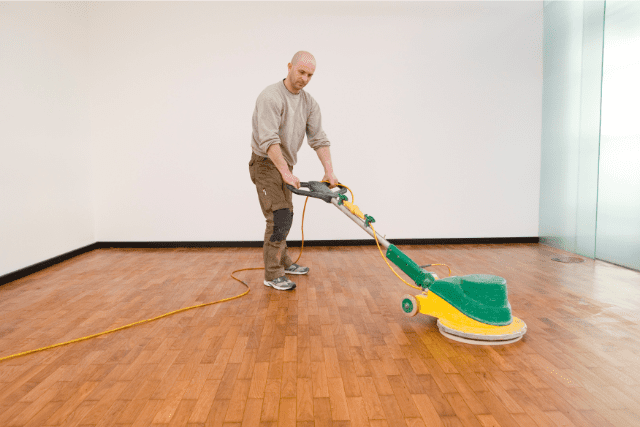
- Stripping or buffing old layers if required
- Testing moisture levels, especially for wood and engineered floors
- Ensuring the floor is completely dry before application
Choosing the Right Finish: Product Selection Pitfalls
Another source of mistakes is choosing a finish not matched to the floor material or its environment. For instance, applying a high-gloss wax to a busy commercial entryway can create slip hazards. On hardwood, polyurethane may be ideal, but on vinyl, a water-based polish is safer and longer-lasting. Consult standards organizations like ASTM for up-to-date best practices on floor coatings and safety guidelines.
| Floor Type | Recommended Finish | Mistake to Avoid |
|---|---|---|
| Hardwood | Water- or oil-based polyurethane | Skipping sanding or failing to remove dust |
| Laminate | Laminate-specific sealant | Using wax or oil which can cause buildup |
| Vinyl/LVT | Water-based acrylic/urethane | Applying solvent-based products |
| Tile (ceramic/porcelain) | Penetrating sealers for grout | Sealing over moisture or mildew |
Environmental Factors: Humidity, Temperature, and Ventilation
Floor finishes need stable conditions for optimal curing. High humidity, low temperatures, or airflow issues can slow drying and cause clouding or stickiness. Professional crews use tools to measure and control environment during both preparation and application, ensuring reliable, lasting results. For detailed workplace standards, see OSHA’s cleaning and safety codes.
- Work in temperatures between 60–80°F when possible
- Keep humidity under 50% for most finishes
- Use fans and open windows for ventilation as needed
Application Techniques: Overlap, Coat Thickness, and Drying Time
Mistakes can also arise during the application itself. Common issues include applying coats too thick (leading to haze and peeling) or too thin (reducing coverage and wear resistance). Overlapping passes, skipping edges and corners, and failing to observe correct drying times between coats can all undermine the final outcome.
Professional Edge: How Trained Crews Apply Finishes
- Use of consistent, documented checklists per project
- Evenly distribute finishes in a W-pattern
- Careful edging to prevent puddling or missed spots
- Observe product-specific drying times between coats—often 30–60 minutes minimum
- Inspect under bright light before and after each coat
Common Warning Signs: How to Spot a Floor Finishing Mistake Early
- Sticky or tacky floors: Often a sign of improper drying environment or rushed application.
- Uneven sheen: Indicates missed spots, uneven layer thickness, or low-product agitation.
- Dust or debris under the finish: Means the surface wasn’t fully cleaned or the space wasn’t adequately protected during work.
- Visible streaks or roller marks: Result from unskilled application or using the wrong tools.
- Peeling, bubbling, or flaking: Signals poor adhesion due to moisture or residual oils beneath the finish.
Differences in Residential vs. Commercial Floor Finishing
Homes and businesses face distinct challenges. Households typically deal with pets, spills, and footwear tracking abrasive particles. Businesses contend with heavier foot traffic, rolling equipment, and the need for quick turnarounds. Thus, the choice of products, prep steps, and protective measures will vary. If you’re not sure which approach is right for your property, working with teams like Quick Cleaning ensures every requirement is addressed.
Residential Considerations
- Allergy-safe and low-odor options preferred
- Special attention to areas under furniture and carpets
- Child and pet safety with non-toxic finishes
Commercial Considerations
- Stronger, fast-drying finishes enable short downtime
- High-traffic resistance prioritized
- Specialized protocols for healthcare, gym, retail, event, and special facilities
The Decision Framework: Repair or Refinish?
Not every mistake requires a full restart. Sometimes, isolated errors—like streaking or minor debris under the finish—can be spot corrected. But widespread dullness, peeling, or discoloration may call for stripping and reapplying finish.
- Assess scope: Isolated flaw or widespread issue?
- Type of floor and finish: Can it be spot fixed or must it be redone?
- Time since application: If within 24 hours, some corrections are possible; beyond that, full rework may be required.
Essential Supplies and Tools for Flawless Finishing
Professional-grade floor finishing relies on specific, quality tools. Attempting a DIY job with hardware store products and generic mops is a recipe for streaks and uneven wear.
- Commercial microfiber pads and mops
- pH-neutral cleaners and dedicated finish removers
- High-velocity fans for controlled drying
- Moisture meters for wood and engineered floors
- Protective gear—safety is always a top priority, especially in line with OSHA standards
Comparison: DIY vs. Professional Floor Finishing Results
- DIY projects: Lower upfront cost but higher risk of uneven application, long drying, and missed issues
- Professional service: Predictable results, warranty on finish, advanced equipment, and safety compliance
Structured Comparison Table
| Aspect | DIY | Professional |
|---|---|---|
| Cost | Lower initial outlay | Upfront fee, but includes warranty |
| Equipment | Basic household tools | Specialized commercial equipment |
| Drying Time | Often longer | Controlled, minimized |
| Risk of Mistakes | High | Low—trained teams follow checklists |
| Long-Term Durability | Varies, often shorter | Optimized for traffic and use case |
Preventative Checklist: Steps To Avoid Floor Finishing Mistakes
- Read product instructions and compatibility for your floor type
- Deep clean and patch repair before starting
- Control for temperature and humidity
- Use even, thin coats—never more than recommended
- Allow proper drying between each coat
- Protect cured finish before returning furniture or reopening space
- Inspect under bright light before re-coating
Case Studies: Floor Finishing Successes and Challenges
Airbnb Apartment: Trapped Dust in Polyurethane
A Chicago-based Airbnb host attempted to recoat a hardwood floor before peak season. Rushed prep led to trapped pet hair and dust in the finish. Resolution? Professional stripping, deep cleaning, and a new application from Quick Cleaning’s team restored the sheen and avoided negative guest reviews.
Commercial Retail Space: Slip Hazard from Wrong Finish
In a retail entryway, a non-slip finish was mistakenly swapped for a high-gloss wax by in-house staff, increasing accident risk. The error was remedied by removing the wax and applying a traffic-grade, slip-resistant topcoat as recommended by ASTM-certified standards.
Residential: Peeling Finish After Flooding
Following water damage, a homeowner noticed peeling finish within days of a DIY application. The error: hidden subfloor moisture and improper drying. Remediation required professional moisture testing, subfloor repairs, and a revised finishing schedule.
Role of Maintenance and Cleaning Schedules
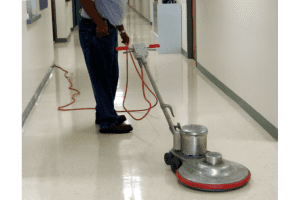
Without the right cleaning routines, even the best-applied floor finishes deteriorate quickly. Routine care prevents grit from scratching the surface and extends the finish’s life. Quick Cleaning recommends regular sweeping, soft mops, and periodic deep cleaning or burnishing, adjusted to foot traffic and specific facility needs.
- For commercial spaces: daily dry mopping, weekly spot cleaning, and quarterly deep maintenance
- For residential: weekly dusting, damp mopping, avoid excess water, and semiannual reviews
See our commercial cleaning checklist and floor waxing advantages guide for more details.
Professional Standards: Safety, Compliance, and VOCs
Floor finishing products often contain volatile organic compounds (VOCs) and require careful handling and ventilation. Professional teams are trained in OSHA-guided safety, use low-VOC or green products where possible, and protect building occupants during work. This is especially critical in schools, daycares, clinics, and wellness centers.
- Use only approved products for each space and surface
- Follow industry-specific safety and environmental regulations
- Ensure enough ventilation and post-treatment airing out
How to Choose a Reliable Floor Finishing Professional
Select a provider with proven results, documented checklists, transparent pricing, and a clear commitment to safety and communication. Quick Cleaning’s trained staff follow industry standards and adapt to every unique scenario, ensuring performance and peace of mind.
- Look for transparent, detailed estimates
- Ask about checklists, products, and drying protocols
- Review online feedback, especially for allergy, pet, and sensitive-environment cases
- Confirm licensing, insurance, and compliance with codes such as those set by OSHA and ASTM
For specialized situations, see our guides on post-construction cleaning, medical office safety, and office cleaning protocols.
Pitfalls to Avoid: Myths and Misinformation About Floor Finishing
- Myth #1: More coats equal more durability—overapplication can cause long-term damage
- Myth #2: All finishes are ‘universal’ and suitable for every surface
- Myth #3: Skipping professional help saves time and money—DIY jobs may require expensive repairs after mistakes
- Myth #4: Any cleaning product can prep your floor—improper chemicals may undermine the finish’s bond
FAQ: Floor Finishing Mistakes—Your Questions Answered
- What are the most common floor finishing mistakes in commercial spaces?
- Improper cleaning before finishing, selecting the wrong type of finish for high-traffic areas, and rushing drying times are most common.
- How can I tell if my floor finish is failing?
- Look for dullness, discoloration, sticky surfaces, or peeling—these usually indicate a mistake in preparation or application.
- Is it safe to walk on the floor before it’s fully dry?
- No, premature traffic often leads to permanent marks or loss of shine. Professionals barricade areas and use fans to speed safe curing.
- Can recurring cleaning visits help prevent finishing mistakes?
- Yes. Regular professional cleaning, as provided by Quick Cleaning, maintains finish integrity and catches early issues before they escalate.
- Should finishes differ in pet-friendly or allergy-prone environments?
- Absolutely. Hypoallergenic, low-VOC finishes are safer for these settings. Confirm with your provider which products are used.
- What’s the best way to remove a bad finish?
- Mechanical stripping with proper ventilation is usually best, followed by thorough cleaning, drying, and fresh application by professionals.
- Are commercial cleaners insured for accident risks related to finishing?
- Reputable providers like Quick Cleaning carry relevant insurance and follow OSHA safety standards when finishing and maintaining floors.
- Does refinishing impact my floor’s warranty?
- Improper DIY work may void warranties for some flooring. Always check manufacturer requirements and hire certified professionals.
- How quickly after finishing can a business reopen its doors?
- Most commercial-grade finishes allow reopening in a matter of hours—professionals can advise based on product specs and building usage.
- Can all stains and scratches be fixed during refinishing?
- While most surface flaws can be corrected, deep damage, warping, or previous DIY errors may require additional repairs before finishing.
Summary: Steps to Consistently Flawless Floors
Floor finishing mistakes are avoidable with the right prep, product, and protocol. Make sure your provider uses customized checklists, industry-approved products, and observes environmental and safety standards. Regular cleaning and periodic professional finishing will safeguard both appearance and durability in your home or business.
If you want your spaces to impress and stay safe year-round, consider reaching out to specialized providers like Quick Cleaning for tailored advice and services.
About Quick Cleaning
Quick Cleaning helps households and businesses in Chicago, Illinois and nearby areas keep their spaces clean and healthy. Our experienced team specializes in recurring house cleaning, deep cleans, move out cleaning, office cleaning, and advanced facility care. We use consistent checklists, professional products tailored to each surface, and always prioritize detail, communication, and transparent pricing. Trust Quick Cleaning for floor finishing and maintenance that goes the extra mile for hygiene, safety, and a great first impression.
cleaning services chicago, Chicago Commercial Cleaning, commercial cleaning companies in chicago, Spring Grove commercial cleaning companies, Bucktown commercial cleaning companies, Morton Grove commercial cleaning companies, commercial cleaning Bolingbrook IL, commercial cleaning companies in Forest Park, commercial cleaning services in Glen Ellyn, commercial cleaning services in Rosemont IL