Keeping The Classroom Healthy And Clean: A Complete Guide for Schools and Educators
Maintaining a healthy and clean classroom is more important than ever—protecting both students and staff from illness and fostering an ideal learning environment. Whether you are a teacher, school administrator, or a parent concerned about classroom hygiene, understanding the science behind effective cleaning, the right supplies, practical checklists, and how to choose the right support is essential. This complete guide walks you through proven routines, safety steps, expert-recommended hygiene checklists, and when to consider professional help. All advice is designed to support schools and educational facilities in creating a healthier classroom, with practical insights from Quick Cleaning’s experience in maintaining high-touch environments in Chicago and beyond.
Understanding the Impact of Classroom Hygiene on Student Health
School classrooms see heavy daily use, making them a hotbed for germs and allergens. Poor hygiene can directly impact student attendance and performance, as well as staff wellness. Studies show that increased outbreaks of common cold, flu, and stomach bugs often trace back to inadequate cleaning routines, especially during peak seasons. Regular, thorough classroom cleaning can drastically reduce illness transmission and absenteeism, creating a safer space everyone can thrive in.
- Improved student and teacher attendance
- Better academic focus and performance
- Reduced allergy and asthma triggers
- Lower risk of spreading common viruses and bacteria
The Science Behind Cleaning, Disinfecting, and Sanitizing Classrooms
It’s important to know the difference between cleaning, sanitizing, and disinfecting. Cleaning removes dirt, dust, and some germs. Sanitizing lowers the number of germs to a safe level, while disinfecting kills most germs on surfaces. Each step plays a role in creating a healthy classroom atmosphere.
- Cleaning: Removes visible dirt, dust, and debris from surfaces and touchpoints.
- Sanitizing: Reduces germs to levels considered safe by public health standards.
- Disinfecting: Uses chemicals to destroy nearly all pathogens on nonporous surfaces, such as desks and doorknobs.
According to the CDC’s guidance on cleaning and disinfecting, schools should use EPA-approved disinfectants and follow instructions for contact time and dilution.
Identifying Germ Hotspots: Where To Focus Your Efforts
Not all classroom areas are equally risky. Germs commonly accumulate in high-touch and shared locations. Prioritize these areas for both frequent and targeted cleaning cycles:
- Desk surfaces and chairs
- Door handles and push plates
- Light switches
- Computer keyboards, mice, tablets
- Shared classroom supplies (markers, glue sticks, scissors)
- Sink faucets and counter areas, if available
- Book corners, bins, and learning centers
Daily and Weekly Classroom Cleaning Checklist for Health
| Task | Frequency | Who |
|---|---|---|
| Empty trash and recycling bins | Daily | Custodial/assigned staff |
| Clean and disinfect high-touch surfaces | 2x Daily | Custodial/staff |
| Wipe desks and chairs | Daily | Staff/students (with safe supplies) |
| Vacuum or sweep classroom floors | Daily | Custodial |
| Sanitize shared equipment/supplies | After each use | Staff |
| Deep clean floors and carpets | Weekly | Custodial or professional cleaners |
| Clean windows and glass | Weekly | Custodial |
For a printable version or customized checklists, consult cleaning professionals or school health guidelines. Responsibilities may be shared by teachers, students (when safe), and custodial teams.
Safe and Effective Cleaning Products for Classrooms
Choosing the right products is essential for safe classroom cleaning, especially where children are present. Look for non-toxic, hypoallergenic, and EPA-certified cleaning agents that do not leave harmful residues. The EPA Safer Choice database lists approved products suitable for educational environments.
- Use hydrogen peroxide or alcohol-based disinfectants for electronics
- Avoid bleach except where approved (always dilute correctly)
- Label all bottles and store chemicals securely away from students
- Never mix products, especially those containing ammonia or bleach
Structuring Classroom Cleaning Responsibilities
Clear communication and defined roles help ensure consistent standards. Teachers, custodial staff, and, where appropriate, students, can each play a role. Consider creating a chart of tasks and assigning daily or weekly responsibilities, visualized for the entire class.
- Custodial or facilities staff handle floors, trash, and major disinfecting.
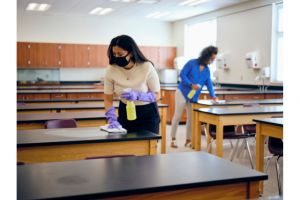
- Staff and older students can wipe shared desks, light switches, and electronics (using safe wipes).
- Rotate tasks to involve everyone—teaching responsibility and hygiene.
Regular meetings help keep everyone on track and quickly spot problem areas.
Integrating Hygiene and Handwashing Habits in the Classroom
Cleaning surfaces only works when everyone practices safe hygiene. Reinforce good habits with visual reminders and age-appropriate instruction. Encourage students to:
- Wash hands before eating, after playground time, and after using the restroom
- Cough and sneeze into elbows or tissues, disposing immediately
- Avoid sharing personal items like water bottles or snacks
- Use hand sanitizer if soap and water are not available
Display posters near sinks and entryways showing proper handwashing techniques.
Responding to Illness and Outbreaks in the Classroom
Outbreaks spread quickly without an action plan. In case of confirmed illnesses (such as flu, norovirus, or other contagious diseases):
- Immediately isolate affected students or staff and notify the school nurse
- Clean and disinfect all surfaces in the affected area promptly
- Increase ventilation and allow fresh air into the classroom
- Communicate cleaning procedures transparently to parents and staff
- Review school policies for classroom closures or quarantine protocols
It’s often advisable to consult the CDC’s guidance on controlling infections in group environments. Quick Cleaning can support rapid response initiatives for Chicago schools in need of special facility cleaning.
Deep Cleaning: When, Why, and What It Involves
Routine cleaning is essential, but intensive deep cleaning is needed periodically, especially after outbreaks, before school returns, or during breaks. Deep cleaning tackles:
- Carpets and upholstery using specialized equipment
- Ceiling fans, vents, and light fixtures
- Inside window ledges and baseboards
- Deep disinfection of all high-touch and low-traffic surfaces
- Cleaning behind furniture and inside storage areas
Many schools rely on trained professionals for deep cleaning due to both equipment needs and safe use of stronger disinfectants. For more on deep cleaning services and checklists, review Deep Cleaning options.
Green Cleaning and Allergy-Sensitive Approaches
Childhood allergies and sensitivities are on the rise, making it critical for schools to adopt hypoallergenic and environmentally friendly cleaning strategies. Consider these steps:
- Choose cleaning solutions with no or low volatile organic compounds (VOCs)
- Avoid strong fragrances or dyes
- Ventilate rooms after cleaning and before student arrival
- Opt for color-coded microfiber cloths to avoid cross-contamination
- Check the EPA Safer Choice database for recommended green cleaning products
Professional Cleaning in Schools: What to Expect
When school custodial resources are limited, professional cleaning companies can support daily, weekly, or deep cleaning needs. Here’s what Quick Cleaning provides during a school cleaning campaign:
- Site assessment and custom cleaning checklists
- Trained cleaning staff with background checks
- Allergy-safe and EPA-approved cleaning products
- Consistent procedures for high-touch and shared areas
- Clear communication and reporting, including checklists and issue logs
- Flexible scheduling, including after-school or during breaks
To see how professional cleaning compares to in-house routines, check this structured comparison:
- In-house: Immediate access, but limited by staff time and training
- Professional: Equipment, expertise, and industry protocols—ideal for deep and specialty cleaning
If you’re considering professional support for your school, Quick Cleaning can design a plan aligned with building needs and schedules.
What to Look for When Choosing a Classroom Cleaning Company
Selecting a cleaning partner is a major decision for health and safety. Look for:
- Experience in educational environments and similar facilities
- Staff training, background checks, and safety certifications
- Use of EPA-approved and allergy-sensitive products
- Flexible scheduling for school calendars
- Clear communication, references, and transparent pricing
You can request educational facility cleaning or compare options by asking for sample checklists, references, and proof of insurance.
Classroom Hygiene: Building A Culture Beyond Cleaning
Lasting change involves community support—from school leadership to students. Encourage:
- Setting and sharing clear health expectations
- Reward systems for good cleaning habits
- Student participation in organizing cleaning tasks
- Parent education sessions on home-to-school hygiene
- Celebrating healthy classroom achievements
For tips on adapting classroom organization before the school year begins, see Things To Organize Before Going Back To School.
Integrating Cleaning With Other School Safety and Wellness Strategies
Cleaning is just one part of a holistic wellness plan. Integrate efforts by aligning with:
- Health screening protocols
- Air purification and ventilation upgrades
- Personal hygiene training sessions
- Annual staff development on sanitation
Collaborate with school health staff and facilities team for sustained results.
School Cleaning in Chicago: Special Considerations
Schools in Chicago face special challenges: variable weather, older facilities, and diverse student populations. Local expertise matters when adapting cleaning routines for:
- Seasonal changes—like snow and mud tracked indoors
- Buildings with historic or specialty materials
- Bilingual or multilingual classes (labeling of supplies, posters)
- Coordination with local health authorities
Quick Cleaning brings experience serving schools and specialty facilities throughout the area, with flexible plans that work for each unique environment.
Frequently Asked Questions About Keeping The Classroom Healthy And Clean
- How often should desks and high-touch areas be cleaned?
- Ideally, desks and high-touch points should be cleaned at least once or twice a day, especially during illness season. Extra attention is required after group activities or shared use.
- What’s the safest disinfectant for use around children?
- Non-toxic, fragrance-free, EPA-approved disinfectants are safest. Hydrogen peroxide-based products and those listed by EPA Safer Choice are widely used in classrooms.
- Can students help with classroom cleaning?
- Yes, students can help with non-chemical tasks like surface wiping or organizing shared supplies, as long as they use safe materials and are properly supervised.
- How do cleaning routines change during an outbreak?
- Frequency and thoroughness increase. All contact points should be disinfected more often, and staff should use enhanced PPE. Transparency with families and staff is vital during outbreaks.
- How can we minimize allergies caused by cleaning?
- Opt for hypoallergenic and unscented products, ventilate after cleaning, and communicate with families about sensitivities. Microfiber is preferred over dusters, as it traps allergens better.
- Is professional cleaning needed for every classroom?
- While not essential daily, professional cleaning is recommended for periodic deep cleaning, after construction or renovation, and in response to outbreaks or seasonal changes.
- How do you check if the cleaner is EPA-approved?
- All registered products have EPA registration numbers; you can verify them on the EPA Safer Choice website.
- What about cleaning electronics in classrooms?
- Use wipes designed for electronics, ensure equipment is off, and never let liquids seep into devices. Disinfectant alcohol or hydrogen peroxide wipes are best for shared keyboards.
- How can we involve parents in maintaining classroom cleanliness?
- Hold information sessions, share home hygiene routines, and encourage children to bring clean supplies. Communication helps set collective expectations for cleanliness.
Summary and Next Steps for a Healthier Classroom
A healthy, clean classroom is the foundation for learning and community wellbeing. By focusing on high-impact daily routines, safe products, green cleaning, and clear responsibilities, your school can support improved attendance and student success. When needed, professional support is available for deep, specialized, or urgent cleaning challenges. For resources on slowing the spread of germs, see slowing the spread of germs in a school or explore back-to-school cleaning tips for seasonal checklists. Prioritize a healthy environment so students and educators can do their best work.
To arrange a cleaning assessment or tailored school cleaning service, contact Quick Cleaning—your partner for reliable, professional cleaning in Chicago.
About Quick Cleaning
Quick Cleaning specializes in recurring house cleaning, deep cleaning, move out cleaning, office cleaning, and specialized facility cleaning. With experience supporting households, schools, and businesses across Chicago, Illinois, Quick Cleaning applies trained staff and proven protocols to keep every space safe and spotless. Count on transparent pricing, flexible schedules, and a commitment to lasting partnerships for a cleaner, healthier tomorrow.

germs, chicago cleaning contractors, Education Cleaning Services In Chicago, School Cleaning Services Chicago , campus cleaning Bedford Park, classroom cleaning Palatine, cleaning service for school in Wheeling, school clean Lake Villa, education cleaning Norridge IL, school disinfection cleaning Loop, cleaning service for school in Bolingbrook