Things To Organize Before Going Back To School: The Definitive Organization & Cleaning Guide
The back-to-school season arrives with a whirlwind of activity: supplies to purchase, routines to reset, and spaces that must be ready for learning and safety. After a long summer, both homes and educational spaces require thoughtful preparation to welcome students in a calm, healthy environment. In this guide on things to organize before going back to school, you’ll discover a comprehensive list of tasks, expert routines, and cleaning strategies—outlining everything parents, students, teachers, and facility managers need for a smooth, fresh start. We’ll cover practical checklists for supplies and safety, step-by-step cleaning systems, preparation for changing weather, and insights on when professional cleaning makes the difference. Quick Cleaning shares tips rooted in years of experience preparing homes and educational facilities across Chicago for a successful school year.
Back-to-School Space Assessment: What Needs Organizing?
Preparation begins with a careful review of physical spaces that impact learning and well-being. Here’s how to assess:
- Entryways: Are shoes, backpacks, and supplies piling up? Is there clear space to sanitize hands and store outerwear?
- Desks & Study Nooks: Are these clutter-free, well-lit, and equipped with needed supplies?
- Bedding & Sleep Areas: Is the transition from summer to school sleep routines supported by clean, organized bedrooms?
- Pantries & Kitchens: Are snacks, lunch supplies, and food containers organized and hygienic?
- Common Areas: Are living rooms and shared spaces ready for homework, group study, or relaxation?
For educators or facility managers, assess classrooms for organization of storage, supplies, technology, and sanitation stations. Don’t forget specialty rooms and high-touch surfaces throughout any learning space.
Essential Cleaning Supplies & Organization Tools
Gathering the right tools ensures effective organization and consistent cleaning:
- High-efficiency microfiber cloths
- All-purpose disinfectant and EPA-listed cleaners
- Vacuum with HEPA filtration
- Organizational bins or baskets (labeled for school supplies, masks, hand sanitizer)
- Laundry baskets for dirty uniforms and linens
- Whiteboards, calendar boards for schedules
- Mobile supply caddies for homework/study time
Store items logically near the spaces they’re used in. Keep all cleaning products out of reach of young children and well-labeled. For classroom or communal areas, ensure cleaning products meet school safety standards—learn more about evolving infection prevention guidelines from experts.
Pre-Semester Deep Cleaning: Step-by-Step Approach
A thorough deep clean before school resumes sets the tone for a healthy, productive year. Follow this sequence:
- Declutter: Remove summer gear, old supplies, and outgrown clothing.
- Work Top-to-Bottom: Dust light fixtures, shelves, and walls; vacuum drapes and soft surfaces.
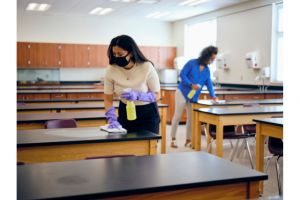
- Sanitize High-Touch Areas: Door handles, desk edges, drawer pulls, and switches deserve special attention.
- Wash Textiles: Bedding, uniforms, seat covers, and reusable masks/lunch bags.
- Kitchen & Bathroom Focus: Disinfect countertops, sinks, appliance handles, and faucets. Organize lunch prep areas for allergy/freshness safety.
For families with unique allergy or sensitivity needs, opt for hypoallergenic cleaning products wherever possible. Consider scheduling deep cleaning services before the school year—especially for busy households or shared learning facilities.
Organizing School Supplies for Efficiency and Hygiene
Begin school supply organization by inventorying what’s still usable from last year and what must be restocked. Steps include:
- Group supplies by category: writing tools, art materials, tech devices, personal hygiene products.
- Disinfect all reusable items—binders, pencil boxes, and lunch containers.
- Establish a designated spot for each student’s backpack and daily essentials.
- Store hygiene supplies—hand sanitizer, masks, tissues—at every entry and in study bags.
For communal spaces, color-code and label classroom supplies to minimize sharing and encourage personal responsibility for cleanliness.
Coordinating Routines: Family & Classroom Schedules
Balanced routines make organization sustainable. Use:
- A weekly planner posted visibly for everyone
- Night-before supply & uniform checks
- After-school debrief/reset: empty backpacks, sanitize lunchboxes, check homework areas
- Rotation of cleaning responsibilities among older students/kids, tracked via charts or apps
Classrooms benefit from visual reminders for cleaning routines—simple illustrated charts for sanitizing desks, washing hands, or putting away supplies. For example, see the differences in classroom versus home cleaning responsibilities in the comparative chart below.
Comparison: Home, Classroom, and Facility Organization Before School
| Area | Home | Classroom | Facility (e.g., daycare, college dorm) |
|---|---|---|---|
| Supply Organization | Individual bins/shelves by child | Labeled storage, shared & personal spaces | Central supply rooms, sign-out procedures |
| Cleaning Frequency | Daily clutter pickup, weekly deep clean | After each class/session, weekly disinfection | Daily janitorial plus scheduled deep cleans |
| Safety & Hygiene | Personal sanitation supplies | Handwashing stations, posted reminders | Compliance with infection control guidance |
| Responsibility | Parents, students as age-appropriate | Teachers, assigned students | Facility staff, professional cleaning teams |
Tackling Clothing, Uniforms, and Gear
School organization includes preparing all wearables:
- Launder and inspect uniforms, sports kits, and coats for size and repair needed
- Set up dedicated hooks or cubbies for outerwear and gym bags
- Disinfect shoes, lunch boxes, and reusable water bottles
- Rotate out-of-season gear to free up entryways
For schools or daycares, coordinate labeled zones for lost-and-found items. Stagger wash schedules to minimize last-minute stress on school mornings.
Hygiene Systems: Sanitizing Stations and Air Quality
Clean, healthy learning starts with hygiene system upgrades:
- Install or refill hand sanitizer stations at entries and key transition points
- Place disinfecting wipes in convenient, safe locations (out of reach for very young children)
- Replace HVAC or portable air purifier filters to improve indoor air quality
- Promote mask etiquette and proper handwashing with visible guides
Refer to infection prevention guidance for latest recommendations on cleaning and air quality in shared learning settings.
Organizing Transportation and Transition Areas
For smooth daily trips:
- Assign storage for bus/train passes, carpool consent forms, and safety gear
- Establish a morning zone for umbrellas, coats, sunscreen, and winter extras depending on the season
- If cycling/scootering, set up clean docking spots for equipment and maintenance supplies
Schools should regularly clean and sanitize drop-off, entry, and waiting areas to avoid clustering and facilitate flow.
Meal Prep Organization: Lunches and Snacks
Healthy eating relies on a streamlined setup:
- Pre-pack snacks and lunch staples into clearly labeled containers each week
- Dedicate a shelf or bin in the fridge and pantry for grab-and-go options
- Clean reusable containers thoroughly—consider a backup in case of forgotten lunchboxes
- Educate about allergen safety if meals are shared in classrooms or facilities
Teachers or staff can use rotating staff responsibilities for shared fridge cleaning to maintain hygiene.
Managing Paperwork, Permissions, and Digital Organization
School season means new paperwork and digital needs:
- Set up an inbox/outbox tray for permission slips and forms
- Digitally scan important documents for backup
- Create a family or classroom calendar (physical or digital) to track events, meetings, and assignments
- Organize device chargers, headsets, and passwords in a central, labeled spot
Facilities with shared printers or copiers should schedule regular cleaning and stock disinfectant wipes.
Safety Preparedness: First Aid & Emergency Supplies
- Inspect and refill the family/classroom first aid kit
- Review emergency plans and update contact lists
- Stock backup masks, hand sanitizer, and wipes for every bag and vehicle
- Check batteries in smoke detectors and flashlights
For schools, post updated emergency procedures and audit compliance with local safety codes. The Northwestern housing guide offers protocols relevant for dorms and shared facilities.
Integrating Professional Cleaning: When to Call the Experts
While family and classroom routines manage the day-to-day, certain scenarios call for professional help:
- Start-of-year deep cleaning for homes, classrooms, or facilities
- Allergy, mold, or pest concerns
- Move-in or move-out cleaning for new locations (see move out cleaning and apartment cleaning)
- Specialty surfaces or equipment needing industrial-grade cleaning
- Strict compliance with COVID-19 or other health guidance
Discuss specifics with cleaning professionals and clarify checklists, areas of focus, and eco or allergy-friendly product preferences. Explore how Quick Cleaning can assist with pre-semester preparation for households, schools, and specialized facilities in Chicago.
DIY vs. Professional Organization: Pros, Cons, and Decision Factors
- DIY Advantages: Cost savings, immediate scheduling, custom attention to family/classroom needs.
- DIY Challenges: Hidden dust/allergen traps, time-consuming, possible missed high-touch or specialty areas.
- Professional Strengths: Consistent standards, specialized equipment, experience with complex or high-traffic areas, and faster turnarounds.
Consider professional assistance for larger or shared spaces, turnovers, or if time/energy is limited before school restarts. Professional teams can also provide regular maintenance routines to supplement daily organization at home or in the classroom.
Weather-Proofing and Seasonal Organization
Chicago’s seasonal shifts require adjusting organization plans:
- Install shoe racks and umbrella stands at entrances for rain or snow
- Rotate seasonal wearables and supplies to accessible spots
- Inspect and clean HVAC, radiators and air exchange vents before extreme temperatures hit
- Prepare storage for summer items and sports gear
Schedule a changeover deep clean before and after major weather transitions to maintain comfort and health for students and school staff.
Motivating Students & Staff for Sustainable Organization
Involve the entire group in setup and maintenance:
- Have students personalize their study/desk area
- Gamify regular cleaning or clutter-clearing routines with small rewards
- Hold a classroom or family “reset” day before the first week of school
- Set regular times for daily, weekly, and monthly organization walks
Facilities and classrooms with rotating responsibilities often achieve higher compliance and a shared sense of ownership.
Checklist: The Ultimate Back-to-School Organization Plan
- Inventory all supplies—replace or disinfect as needed
- Deep clean all learning spaces, common areas, and bathrooms
- Set up labeled storage for supplies, gear, and hygiene products
- Draft family/class or facility weekly routines and assign roles
- Prep uniforms, laundry, and seasonal clothing
- Arrange meal prep, snack bins, and lunchbox protocols
- Implement digital and paper organization for schedules and forms
- Check safety systems and refill first aid supplies
- Schedule or plan professional cleaning for complex spaces
- Motivate the group with kickoff events or new organization tools
Download and print this checklist for easy reference as you prepare for the new school year.
Internal Links: Further Resources for Healthy, Organized School Spaces
- Keeping the Classroom Healthy and Clean
- Back to School Cleaning Tips
- How To Slow The Spread of Germs in a School
Frequently Asked Questions: Back-to-School Organization and Cleaning
How soon should I start preparing for back to school?
Ideally, two to four weeks before classes resume. This allows time for cleaning, supply shopping, and establishing routines without last-minute stress.
What are the most overlooked things to organize before going back to school?
Sanitation supplies, digital organization (chargers, logins), and paperwork (emergency contacts) are often missed in back-to-school prep.
Is professional cleaning necessary before the semester?
While not always required, professional cleaning is highly recommended for deep cleans, managing allergens, or preparing shared/classroom facilities.
How should I organize supplies to encourage student responsibility?
Label storage bins, use color coding, and assign children or students their own supplies whenever possible to build ownership.
How can I ensure lunch and snack safety?
Plan regular cleaning of lunchboxes and food storage areas, teach hand washing before meals, and organize allergy-safe snack bins if needed.
Should cleaning routines differ for classrooms vs. homes?
Yes—classrooms require stricter disinfection schedules and compliance with health guidelines, while homes can focus on daily tidying and weekly deep cleaning.
What organizational systems work for busy mornings?
Set up a launch pad area by the door, use checklists, and pack bags and lunches the night before to streamline mornings.
How do I motivate students or staff to help maintain organization?
Use visual checklists, reward charts, and make organizing interactive to foster participation and routine-building.
Can professional cleaners handle move-in or specialized facility prep?
Yes, professional teams like Quick Cleaning offer move-in/move-out and specialty facility cleaning to simplify transitions.
Where can I find more guidance on health and infection prevention?
Review expert guidelines such as those from APIC and consider resources on healthy facilities for the latest cleaning and hygiene standards.
Next Steps: Setting Up for a Successful School Year
Prepare now for a smooth, stress-free transition into the school year by organizing supplies, cleaning thoroughly, and establishing healthy routines. For challenging spaces or to ensure a higher standard of cleanliness, consider bringing in professionals. A well-organized, sanitary environment boosts learning, lowers anxiety, and fosters a strong start for everyone returning to school this year.
About Quick Cleaning
Quick Cleaning is Chicago’s trusted specialist for residential and commercial cleaning. Our trained staff provide consistent, checklist-driven cleaning using appropriate products and equipment—whether preparing homes, offices, apartments, or specialized facilities for the return to school. We emphasize attention to detail, tailored services like recurring, deep, or move-out cleaning, flexible scheduling, and honest communication. Quick Cleaning helps households and businesses in Chicago, Illinois and nearby areas keep their spaces clean and healthy for a successful school year and beyond.
daycare, cleaning services in chicago illinois, classroom cleaning, school janitorial services, school disinfection cleaning Hammond, education cleaning Libertyville, cleaning service for school in Lincolnwood, classroom cleaning Fort Sheridan IL, school disinfection cleaning Evanston, school cleaning in Wood Dale IL, cleaning service for school in Joliet