Pet Damage Cleaning Before Selling Your Chicago Home: The Seller’s Essential Playbook
Preparing to sell your Chicago home—and want top dollar? If you’ve had pets, you’ll face a critical hurdle: thorough pet damage cleaning before selling your Chicago home. From hidden odors to scratched floors and stubborn hair, buyers notice what sellers often overlook. In this complete guide, you’ll learn how to spot and solve all forms of pet damage, compare deep DIY efforts versus hiring professionals, understand what buyers and inspectors care about, and get checklists plus expert tips trusted in the Chicago market. Quick Cleaning draws from years of experience to help you present your space in the best possible light, boost your sale price, and avoid unwelcome surprises during showings or inspections.
The Real Impact of Pets on Your Home’s Resale Value
Buyers and real estate agents in Chicago are quick to spot—or sniff out—signs of pets. Pet-related damage can:
- Lower perceived cleanliness, leading to reduced offers
- Trigger allergy or odor concerns (major buyer turnoffs)
- Show up in inspection reports as areas needing repair or remediation
- Delay closing dates or give buyers bargaining power to request credits
- Be flagged by appraisers, affecting the home’s valuation
Addressing pet stains, odors, hair, and wear before listing creates a fresher, healthier impression—and safeguards your asking price.
Types of Pet Damage Every Seller Should Inspect
- Stains on carpets and rugs (urine, vomit, food)
- Lingering pet odors trapped in soft furnishings
- Scratched doors or floors from claws
- Damaged baseboards or walls (chewing, rubbing)
- Pet hair buildup on surfaces, vents, ducts
- Allergen reservoirs: fur, dander, saliva residues
- Damaged screens or window sills from jumping/pawing
- Yard issues: urine spots, dug-up areas
Make a room-by-room list to catch both visible and hidden problems. Don’t forget garages, basements, and outside entryways where pet signs accumulate.
Chicago Homebuyers Are Most Concerned About Odors—Here’s Why
In buyer psychology, nothing kills a sale faster than an off-putting smell. Pet urine, even if old or cleaned, can seep into carpets, floors, and drywall. A CDC hygiene guide also notes that lingering odors may signal deep contamination or health risks, especially for sensitive buyers or those with allergies. In competitive Chicago markets, agents say homes with any detectable pet smell linger longer and fetch less. Eliminating all traces of pet odor, not just masking them, must be a top priority for any seller with pets.
Room-by-Room Pet Damage Assessment: Practical Checklist
- Living room: Check sofa seams, area rugs, under cushions for hair and stains.
- Kitchens: Sweep under appliances, inspect baseboards for bite marks, clean air vents.
- Bedrooms: Launder curtains, inspect closets for nesting or odors.
- Bathrooms: Clean tile/grout (urine splash), check for scratch marks on doors.
- Hallways/entryways: Vacuum mats, steam clean if possible.
- Laundry/utility: Wipe machines, inspect for pet bedding smells.
- Basements: Pet accidents are often hidden here; use a UV light for stains.
- Garage/yards: Address pet soil spots and debris.
Completion of this checklist puts you ahead of most sellers and is the foundation for targeted remediation.
What Professional Cleaning Covers That Many DIY Efforts Miss
While DIY cleaning can help, professional cleaning companies like Quick Cleaning bring specialized tools and cleaning agents that make a real difference before selling. Here’s what sets them apart:
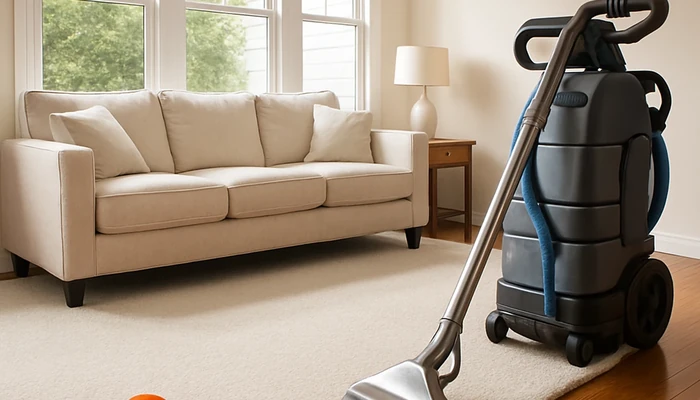
- High-powered extraction machines (better at lifting deep hair, embedded odors)
- Enzyme treatments to break down pet urine at the molecular level
- Steam cleaning on hard surfaces and upholstery for allergen removal
- HEPA-filter vacuums trapping fine dander and allergens
- Professional-grade odor neutralizers (not just fragrances)
- Consistent, room-by-room quality control checklists
While DIY options are tempting for budget reasons, sellers often overlook critical areas that show up during buyer walkthroughs or home inspections. In high-stakes sales, professional cleaning is a smart investment.
Deep vs. Routine Cleaning: When Is a Full Reset Needed Before Selling?
| Task/Area | Routine Cleaning | Deep, Pre-Sale Cleaning |
|---|---|---|
| Hair Removal | Surface vacuuming | Upholstery, duct, and crevice vacuuming |
| Odor Control | Deodorizers, air fresheners | Enzyme treatments, ozone, extraction |
| Stain Removal | Spot cleaning | Stain extraction, deep carpet/upholstery cleaning |
| Surface Sanitation | Basic wipedown | Steam or sanitizing agents for allergy reduction |
| Inspection Prep | Visual cleaning | Hidden area treatment & professional inspection |
If your home has persistent odors, visible fur, or any stains—especially on carpets, drywall, or wood—a deep, pre-sale cleaning is required. For a rundown on how Chicago professionals structure their sessions, check our deep cleaning time guide.
Proven Steps for Removing Pet Odors from Carpets and Floors
Here are actionable steps for removing pet odors—vital for any Chicago home seller:
- Vacuum all carpets and rugs with a HEPA-filter vacuum.
- Treat spots with enzymatic cleaner (leave on as directed).
- Blot, rinse, and extract with a carpet machine (rent or hire).
- Consider professional hot-water extraction for severe cases.
- If odors persist, check wood subfloor for damaged spots or absorption.
- Steam clean tile, hardwood, or laminate.
- Repeat with odor-neutralizing agents, not just perfume sprays.
Pro tip: Black lights can reveal invisible urine or vomit stains. Address every area before showings.
Dealing With Pet Scratches, Chewing, and Hard-Surface Damage
Surface repairs are often necessary before listing a pet-occupied home. Key tactics:
- Fill floor and wall scratches with wood filler or matching putty, sand, and touch up with paint or sealant.
- For doors or trim, replace or professionally refinish deep gouges.
- Replace torn screens or damaged blinds and hardware.
If you’re uncertain whether repair or replacement is needed, consult your agent or a trusted handyman before open houses.
Pet Hair and Allergen Control: How to Achieve a “Neutral-home” Look
Savvy buyers—including those with allergies—notice the smallest traces of pet hair. Achieving a “pet-neutral” appearance means:
- HEPA vacuuming of all traffic areas, furniture, mattresses, and inside closets
- Laundering all removable fabrics (rugs, curtains, bedding) on hot cycles
- Wiping baseboards, air vents, and inside HVAC returns
- Replacing air filters after deep cleaning
- Air out the space thoroughly before showings
For detailed checklists and additional tips, visit our deep cleaning inclusions guide.
Managing Pet Damage in Rental, Multi-unit, and Airbnb Properties
Property managers, condo owners, and Airbnb hosts face added scrutiny on pet damage:
- Replace or deep clean carpets in high-traffic and frequently turned-over units
- Document all pre-existing and post-tenant damage
- Schedule a professional inspection between tenants to assess unseen damage
- Sanitize not just for looks but for health (critical for allergy-sensitive renters)
Our rental property cleaning services are tailored to address these concerns without unnecessary costs for repainting or replacing undamaged items.
Myths, Mistakes, and Realities in Pet Damage Cleaning Before a Sale
- Myth: “Odor sprays are enough.”
Reality: Most sprays mask rather than eliminate odors, which quickly return. - Myth: “DIY cleaners work on all stains.”
Reality: Home remedies are limited against set-in urine or old vomit stains. - Mistake: Skipping areas not visibly soiled.
Reality: Buyers and inspectors will open, sniff, and check all nooks. - Mistake: Waiting to address damage until just before listing.
Reality: Last-minute fixes are less effective, more stressful, and rarely remove deep contaminants. - Myth: “Replacing carpet is always required.”
Reality: Deep extraction and enzyme treatment restore many carpets at a fraction of the cost.
Want a structured approach for every deep clean? See our household chore list for more details.
DIY vs. Professional Cleaning: A Chicago Seller’s Decision Framework
- If stains, odors, and hair are light, start with DIY but allow time for multiple passes.
- If multiple pets, historic stains, or strong odors exist, consult a professional—urgent for open houses or fast sales.
- Request a move out cleaning assessment if unsure—or ask your real estate agent for recommendations.
- Weigh repair/replacement costs versus professional restoration (often, cleaning is more cost-effective).
- Document before-and-after for buyer reassurance and transparency.
For critical allergens, see expert advice on safe cleaning products for pets and children.
Safety and Health: Disinfecting Surfaces After Pets for Home Showings
Buyers increasingly expect sanitized, healthy environments. According to the CDC’s guidelines on cleaning and disinfecting, thorough cleaning followed by disinfection of high-touch areas is strongly recommended before group showings or open houses. This includes:
- Doorknobs and light switches
- Cabinet handles and surfaces accessible to pets
- Floors where pets rest or walk frequently
- Shared areas (kitchens, stair railings)
Quick Cleaning staff use appropriate disinfectants to ensure a safe, buyer-friendly environment while following local health and safety standards.
How to Choose a Professional Pet Damage Cleaning Company
Not all cleaning providers have the equipment or expertise for deep pet damage. Before booking, consider:
- Are their staff trained in move out and pet remediation?
- Do they use HEPA vacuums and enzyme-based products?
- Can they give before-and-after inspection reports for buyers or agents?
- Is scheduling flexible (especially if you’re working around showings)?
- Is pricing clear, with no hidden fees?
For a deeper look at provider selection, see how to find professional deep cleaning services.
Breaking Down Pet Damage Cleaning Costs (And How to Budget)
Costs will depend on the home’s size, extent of pet stains, number of rooms, severity of odors, and whether specialty restoration (e.g., drywall or subfloor) is needed. Typical budget guidelines for Chicago sellers:
- Basic condo (1–2 bed, light pet impact): $200–$350 for full deep clean
- Single-family (medium impact): $350–$800, with add-ons for carpets, ducts, and upholstery
- Historic/old homes (heavy odors, stubborn stains): $800–$2000 (carpet/drywall repair extra)
Quick Cleaning always provides a detailed estimate. For more details, review our service breakdowns for house cleaning and move out cleaning.
Before Listing: Final Quality Checks Every Seller Should Make
- Conduct a “nose test” with a neutral friend or agent.
- Use a flashlight/blacklight at floor and wall level for hidden issues.
- Open closets, storage, and all closed areas to check for lingering pet evidence.
- Replace air fresheners with neutral, natural scents (avoid chemicals).
- Document results with photos for your records.
Staged, pet-free spaces photograph and show best. Quick Cleaning can help with a coordinated pre-listing cleaning if needed.
Specialized Deep Cleaning Services for Unique Pet Challenges
Some situations call for specialized expertise:
- Medical sensitivity/allergy buyers: Consider a cleaning with allergy-reducing products and documentation (ask about HEPA remediation).
- Skunks, ferrets, or exotic pets: These require different cleaning and odor strategies.
- Tenant turnover and rapid sales: Schedule recurring cleaning sessions during listing windows.
To see how deep cleaning adjusts to a home’s needs, review deep cleaning recommendations for your property type.
Frequently Asked Questions About Pet Damage Cleaning Before Selling
- How long does professional pet damage cleaning take before listing?
- Most standard deep cleaning sessions for Chicago homes take 4–8 hours, depending on the size, layout, and severity of pet impact. Deeper treatment (carpet, upholstery) or secondary restoration may add extra time. For scheduling advice, see our time breakdown at Quick Cleaning.
- Will buyers be able to tell if pets used to live in my home?
- If cleaning is thorough and repairs are complete, most buyers will not detect previous pet presence. However, some buyers with allergies or sensitive smelling ability may still notice subtle signs.
- Should I replace all carpets before I sell if I’ve had pets?
- Not always; many times, deep cleaning and enzyme treatments can restore carpets. Only heavy staining or odor that can’t be lifted demands replacement. Inspect after a full cleaning to make the decision.
- What’s the difference between move out and pet damage cleaning?
- Move out cleaning is comprehensive for general dirt and turnover. Pet damage cleaning focuses specifically on urine stains, hair, odor removal, and repair of scratched or chewed surfaces, and may require more specialized products and equipment.
- How can I be sure pet-related allergens are removed for buyers with allergies?
- Only a deep clean with HEPA filtration, steam or hot water extraction, and full laundering of fabrics makes a significant difference. For high-risk buyers, disclose cleaning procedures and provide before/after documentation.
- Can I do all the cleaning myself, or is professional help really needed?
- DIY is fine for light, superficial issues, but for heavy pet odor or long-lived pets, professional help almost always yields better results with commercial-grade tools unavailable to homeowners.
- Which areas do professionals pay most attention to that I might skip?
- Under furniture, along baseboards, inside HVAC ducts, and around window sills—these are often missed in DIY jobs but prioritized by professionals like Quick Cleaning.
- Are cleaning products safe for pets and buyers with sensitivities?
- Ask your provider about product safety and ventilation. Most reputable companies now use certified safe products and air out the home well before showings—for more, see product safety info.
- What do I do if a buyer complains about odors after cleaning?
- Request a follow-up cleaning or odor retreatment. Most reputable cleaning companies will reevaluate and spot-treat at no or low cost if original cleaning was recent.
- Can a cleaning company provide documentation for my real estate agent or buyer?
- Yes, many cleaning companies, including Quick Cleaning, supply reports on cleaning methods used, areas treated, and before/after images for documentation.
Next Steps: Preparing Your Pet-Friendly Chicago Home for a Successful Sale
Addressing pet damage before listing your Chicago home is critical for a swift, profitable sale. Start by inspecting your space with a buyer’s eye, target the right repairs, and invest in deep, targeted cleaning where it matters most. Quick Cleaning offers flexible scheduling and trusted methods for eliminating even stubborn pet stains and odors. If you’re preparing your home for sale, move out cleaning assessments and specialized services are available to streamline the process and get your home market-ready—without stress.
About Quick Cleaning
Quick Cleaning provides residential and commercial cleaning services for homeowners, landlords, Airbnb hosts, property managers, and businesses in Chicago, Illinois and surrounding areas. Our trained staff are specialists in recurring house cleaning, deep cleaning, move out and office cleaning, as well as tailored facility cleaning for unique needs. Quick Cleaning is committed to delivering consistent quality, advanced hygiene, and transparent communication, using professional products and flexible schedules to protect our clients’ investments and peace of mind.
cleaning contractors, professional deep cleaning, deep cleaning service, best deep cleaning Crest Hill, professional deep cleaning Ukrainian Village, deep clean Burbank IL, one time deep cleaning Lockport IL, deep cleaning in Aurora, deep cleaning Des Plaines IL, home deep cleaning Libertyville IL