How Cleaning Teams Prioritize Tasks Under Time Pressure: Frameworks, Checklists, and Real-World Decisions
Imagine you’ve hired a professional cleaning team to turn over your apartment before a new tenant moves in tomorrow—or to get your office ready for an important event on short notice. What really happens behind the scenes? How do cleaning teams prioritize tasks under time pressure and still deliver results you can trust? This in-depth guide reveals the decision frameworks, rapid prioritization techniques, and expert checklists that Quick Cleaning’s teams use to achieve high standards—no matter the deadline. You’ll learn the real steps, team dynamics, practical tools, and how choosing the right company can make all the difference for sparkling results, even against the clock.
Understanding Time Pressure in Professional Cleaning Environments
Time constraints in cleaning aren’t just about finishing quickly—they’re about delivering quality while balancing efficiency and safety. Whether it’s an Airbnb turnover in hours or a deep clean between office shifts, professional cleaning teams face diverse scenarios that require rapid, structured decision-making.
- Deadline-driven projects: Move-outs, event preparation, or commercial turnovers often come with strict time limits.
- Recurring routines: Regular cleaning schedules may be compressed by unforeseen scheduling overlaps or last-minute requests.
- Variable environments: Each space (home, office, facility) presents unique traffic levels, mess types, and client priorities.
Recognizing these pressures is essential for both clients and cleaning professionals. The strategies below walk through how teams convert these constraints into systematic, high-standards cleaning.
Rapid Prioritization Frameworks: How Teams Decide What Comes First
Effective cleaning teams use a blend of structured frameworks and on-the-spot assessment to prioritize tasks within the time available. At Quick Cleaning, all staff are trained to apply a multi-factor decision matrix, focusing on:
- High-traffic areas: Spaces with the most usage receive attention first—think entryways, bathrooms, kitchens, office common areas.
- Health and hygiene impact: Surfaces that easily transmit germs, like doorknobs and switches, often jump to the top of the list.
- Visible impact zones: Areas that make the strongest impression on residents, guests, or employees (e.g., reception desks, living rooms).
- Time-intensive tasks: Activities that require dwell time (e.g., disinfectant contact, soak periods) are started early in the workflow.
- Client instructions & priorities: Special requests or sensitive surfaces detailed by the client receive targeted focus.
This adaptable approach allows cleaning teams to quickly reassess and act as conditions change—such as spilling incidents or shifting client needs.
Critical Task Categories: From Must-Dos to Nice-to-Haves
When time is short, teams must distinguish between critical tasks (those that affect cleanliness, health, or compliance) and optional enhancements that can be added if time allows. Here’s a breakdown:
- Essential: Remove trash, sanitize touchpoints, clean bathrooms and sinks, sweep/vacuum major floors.
- Recommended: Dusting surfaces, spot-mopping visible marks, cleaning inside appliances.
- Optional: Organizing loose items, deep/detail cleaning of low-use areas, polishing decorative features.
This triage-like mindset ensures that even in a rush, client health and satisfaction are maintained.
The Pre-Clean Assessment: Fast Evaluation Tactics for Teams
Before any cleaning starts, effective teams spend a few minutes on a rapid walk-through. This pre-clean assessment is crucial for task prioritization. Professionals look for:
- Obvious messes (spills, sticky areas, debris piles)
- Bathroom/kitchen conditions
- Client notes or special instructions
- Potential safety issues (cluttered walkways, blocked vents)
By scanning the space and quickly discussing priorities, the team can build a realistic plan for time management and quality assurance.
Dynamic Checklists: Staying Flexible Under Pressure
While standard cleaning checklists provide structure, Quick Cleaning staff are trained to adapt these lists quickly. Using mobile checklists or printed guides, team leaders can:
- Reorder steps as urgent needs appear
- Initial critical items to ensure completion
- Assign secondary or optional tasks if time becomes available
Having a written checklist reduces the risk of missed steps, even when tasks are shuffled due to time demands. For more on creating home cleaning schedules, see the House Cleaning Schedule expert guide.
Team Roles and Communication: Playing to Individual Strengths
Effective task prioritization under time pressure hinges on clear roles and rapid team communication. At Quick Cleaning, teams often divide:
- Lead cleaner: Conducts the initial assessment, final walkthrough, and assigns top-priority zones.
- Zone specialists: Focus on specific rooms or repetitive high-touch tasks for speed and consistency.
- Floaters: Address urgent needs as they arise—supporting where the most value can be added.
Short verbal check-ins every 10–15 minutes ensure that no critical task is overlooked and allow the team to adjust priorities in real time.
Task Prioritization Table: Decision Factors and Real-World Examples
| Factor | Residential Example | Commercial Example |
|---|---|---|
| High Traffic Area | Kitchen & entryway first in a family home | Reception and shared bathrooms in office |
| Health Risk | Disinfect bathroom counters, handles | Sanitize elevator buttons, door handles |
| Visual Impact | Visible crumbs and stains on the living room sofa | Smudges on glass doors or partitions |
| Client Priority | Special request to deep clean pet areas | Management insists on shining lobby floors |
| Time-Critical Product Use | Apply bathroom cleaner to soak, do elsewhere | Disinfectant in break room before lunch break |
Residential vs. Commercial Cleaning: Differences in Task Prioritization
The approach to task prioritization shifts depending on whether the cleaning team is working in a home, a rental property, an Airbnb, or a commercial facility. Some major differences:
- Homes & Apartments: Often emphasize high-traffic living areas, kitchens, and bathrooms with attention to family health and aesthetics.
- Commercial Spaces: Prioritize compliance (OSHA/CDC guidelines), high-visibility zones, and shared touchpoints such as conference table surfaces, printer panels, and reception counters.
- Rental/Airbnb Turnovers: Focus on visible cleanliness for reviews and rapid readiness, sometimes with compressed timelines less than 2 hours.
See more on how professionals adapt in the what to expect from home cleaning services guide.
Handling Special Circumstances: Allergens, Pets, and Sensitive Surfaces
When the cleaning team is aware of allergies, pets, or delicate finishes, prioritization must account for special products and extra care:
- Known allergens: Extra attention on dusting and changing vacuum filters—see our guide to the most common allergens at home.
- Pets: Prioritize removal of fur and dander before wet-mopping or disinfecting surfaces.
- Delicate finishes: Identify surfaces requiring gentle products early during the walk-through to avoid damage under time pressure.
Real-Life Shortcuts: Professional Tips for Speed Without Sacrificing Quality
Expert cleaning teams use time-tested shortcuts—never at the expense of health or safety but to stay efficient under pressure:
- Work top-to-bottom and back-to-front in every room
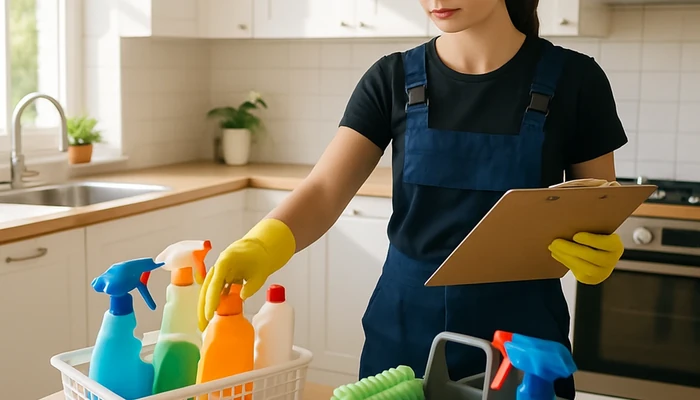
- Carry multi-surface, fast-acting cleaners and color-coded cloths in a caddy
- Use checklists to prevent missed steps when forced to skip or reorder tasks
- Start products that require dwell time first—then clean elsewhere while waiting
- Assign one team member to detail work only if/when time permits
For more on preparing an efficient kit, check out how to prepare a cleaning kit for your home.
Quality Control in Compressed Timelines: Ensuring No Missed Spots
No matter how fast the work must go, Quick Cleaning teams reserve the last few minutes for a double-check walk-through. This quality review:
- Compares final visual cues to the prioritized checklist
- Ensures high-touch and health-sensitive zones meet safety standards
- Confirms client priorities and requests have been fulfilled
When there’s truly no time, teams use digital checklists to immediately document what was completed, both for client peace of mind and future improvement.
Decision-Making Tools: Digital Apps, Checklists, and Team Briefings
Modern professional cleaning benefits from technology and repetition. Quick Cleaning teams rely on:
- App-based checklists that can be rapidly reordered on arrival
- Pre-loaded request logs that flag urgent priority items per client
- Brief, structured team huddles to allocate tasks before cleaning starts
These tools help prevent common mistakes such as forgetting a high-risk touchpoint or missing a client-specific request—essential for quality under pressure. For common pitfalls, visit our bad cleaning habits guide.
Checklist Example: Prioritizing a Standard Fast Turnover (Sample List)
- Discard visible trash in all rooms
- Spray and soak bathroom fixtures and kitchen sinks
- Sanitize doorknobs, switches, and appliance handles
- Vacuum main traffic pathways (living room, hallways)
- Wipe sinks and counters after soak time
- Quick mop high-use hard floors
- Inspect for personal items or special requests
- If time allows, dust decorative surfaces and polish finishes
This order of operations keeps the focus on health and first impressions. Adapt based on property size and client-specific needs.
When and How to Adjust: Time Management in Unpredictable Environments
No plan survives contact with reality—pro cleaning teams are trained to adjust priorities dynamically. Triggers for rapid reprioritization include:
- Unexpected stains or damage requiring immediate attention
- Last-minute client requests (e.g., urgent sanitization of a kids’ play area)
- Discovery of hazardous materials (broken glass, bodily fluids)
Clear communication with the client—explaining what was prioritized and why—strengthens long-term trust.
Ethical and Safety Considerations Under Time Pressure
In every job, Quick Cleaning’s crews observe strict safety protocols—never cutting corners on:
- Product label contact times for disinfection (see professional cleaning product guides)
- Cross-contamination risk: using fresh cloths for each major area
- Reporting any biohazards or maintenance issues discovered
If time doesn’t permit non-essential detailing, these steps are saved for a subsequent visit to ensure compliance and safety.
How Clients Can Help: Setting Priorities Before the Team Arrives
Clients can help cleaning teams succeed under time pressure by:
- Listing top areas of concern in advance
- Providing access instructions and clearing clutter from critical zones
- Flagging surfaces that need special care (e.g., high-end appliances)
When expectations are clear, results are more consistent—even in tight timelines.
Transparency and Feedback: What to Expect After a Fast-Paced Clean
Quick Cleaning provides after-visit forms and digital checklists so clients can see exactly what was prioritized and completed. Feedback is welcomed—especially if a rapid cleaning uncovered new priorities for next time.
For a comprehensive move-out cleaning list, see this authoritative move-out checklist from the University of Chicago.
Soft Service CTAs and When to Book the Pros
- For last-minute apartment or house readiness, consider Move-out cleaning service for a thorough, time-sensitive solution.
- Rapid turnovers for Airbnb rentals? Trust Airbnb cleaning service for consistent quality.
- Need routine commercial upkeep? Explore Commercial cleaning services for flexible, scalable support.
Frequently Asked Questions (FAQ): Task Prioritization in Professional Cleaning
- How do cleaning teams decide what to clean first?
- They assess traffic patterns, health risks, and client priorities before assigning top tasks. Common areas and high-touch points usually come first.
- What happens if a cleaning team runs out of time?
- The most essential cleaning is always completed first. Non-critical detailing may be rescheduled. Teams communicate transparently about what was finished.
- Does rushing increase the risk of missed spots?
- It can, which is why professional teams use checklists, assign roles, and conduct a final walkthrough to minimize mistakes.
- How can I ensure my priorities are addressed when booking a professional clean?
- Provide a brief list of your top concerns and access instructions in advance. Quick Cleaning always takes client priorities into account during planning.
- Do professional teams use different products for speed?
- Yes, they often use hospital-grade, multi-surface products that clean efficiently while meeting safety standards. See official guides at Clorox Healthcare Resources.
- What tools do cleaning teams use to stay organized under time pressure?
- App-based and printed checklists, mobile caddies, and structured team huddles are common. These systems help maintain quality even in a rush.
- How do teams handle unexpected emergencies or messes?
- They communicate as a team, reprioritize on the fly, and update the client as needed—always finishing the most critical tasks first.
- Can I request a specific area be prioritized?
- Absolutely. Communicate your needs with your cleaning provider beforehand to ensure they’re included in the initial assessment.
- Is there a difference between prioritization for homes and offices?
- Yes—offices often require compliance with safety protocols and focus on communal spaces, while homes are tailored for health and visual comfort.
- Does Quick Cleaning serve time-sensitive jobs in Chicago?
- Yes. Quick Cleaning is equipped to handle urgent, high-speed cleaning projects for both residential and commercial clients in Chicago and nearby areas.
Summary: What Sets Expert Cleaning Teams Apart Under Pressure
When minutes matter, professional cleaning teams excel by combining rapid assessment skills, dynamic checklists, and clear communication. Quick prioritization ensures high-traffic and health-impact zones are always addressed, comfort and safety are never sacrificed, and transparency builds client trust—even on the busiest days. If you need reliability, efficiency, and attention to detail, look for a company that shares these values—and adapts their approach to your needs.
About Quick Cleaning
Quick Cleaning is a trusted residential and commercial cleaning company serving Chicago, Illinois and nearby areas. Our team of highly trained professionals specializes in recurring house cleaning, deep cleaning, move-out cleaning, office cleaning, and special facility cleaning services. We pride ourselves on detailed checklists, flexible scheduling—even for same-day needs—and transparent communication to build long-term client relationships. Whether you’re a homeowner, property manager, or business owner, Quick Cleaning helps keep your spaces clean, healthy, and welcoming.
professional cleaning services, best house cleaning Cleaning Chicago, house cleaner near me, Western Springs house cleaning, house clean service Willowbrook, house cleaning company Libertyville IL, house cleaning Lincolnwood, house cleaner Lombard IL, house cleaning Dundee IL, house cleaning in Bensenville