Uncovering the Hidden Spots: The Ultimate Guide to Places You’re Forgetting To Clean
If you think your home or office is spotless, think again. Even with regular cleaning habits, there are places you’re forgetting to clean lurking just out of sight—crucial areas for hygiene and comfort that get overlooked the most. Whether you’re a homeowner, tenant, business manager, or Airbnb host, missing these zones can affect health, indoor air quality, and your peace of mind. This detailed guide will walk you through every hidden spot, professional strategies for tackling them, and practical checklists to ensure nothing goes untouched. By the end, you’ll know exactly what, when, and how to clean these neglected areas—according to the standards of professional cleaners like Quick Cleaning.
Why Overlooked Cleaning Zones Matter More Than You Think
Ignoring hard-to-see places doesn’t just mean more dust—it’s about maintaining genuine hygiene. Dust, allergens, and bacteria thrive in the forgotten nooks, which can impact respiratory health, allergen sensitivity, and the overall appearance and feel of your space. For high-traffic homes, commercial offices, and rental properties, missed hotspots can even influence ratings and tenant satisfaction.
- Bacteria multiplies quickly on untouched surfaces.
- Neglected dirt damages materials and shortens their lifespan.
- Allergens accumulate where regular cleaning tools don’t reach.
Professional cleaning routines focus on a systemized approach so rare spots never get missed. This guide adapts those standards for your daily or weekly cleaning efforts.
Top Forgotten Spots in Kitchens: Beyond Countertops and Floors
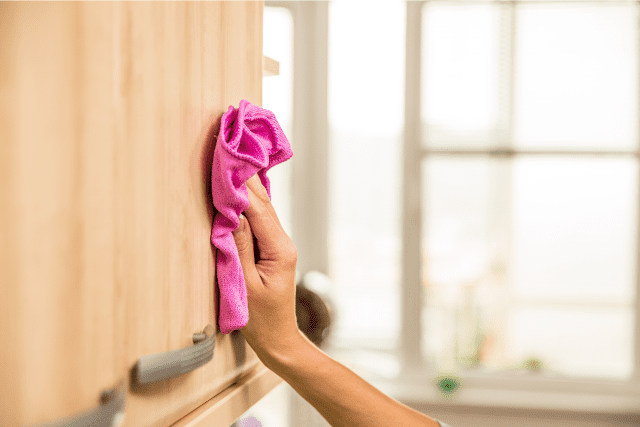
Cabinet Tops and Handles
- Grease and dust settle above kitchen cabinets and on hardware.
- Wipe thoroughly every 2–4 weeks with a degreasing cleaner.
Appliance Interiors and Seals
- Dishwasher, fridge, oven, microwave: Clean rubber seals and inside trays monthly.
Under the Sink
- Pipes and cabinets here often harbor grime and mold; disinfect and dry regularly.
Bathrooms: Micro-Havens for Mold and Residue
Behind Toilets and Under Sinks
- These areas collect splashes, hair, and dust—wipe weekly with disinfectant.
Shower Door Tracks and Curtain Liners
- Soap scum accumulates quickly; scrub tracks and wash liners every 2–3 weeks.
Vent Fan Covers
- Remove and vacuum dust from fan covers monthly to prevent clogging.
Living Rooms: Dirt Hiding in Plain Sight
Behind and Under Large Furniture
- Move couches and shelving quarterly for dust bunnies and lost items.
Baseboards and Door Frames
- Wipe down with a microfiber cloth every month; these accumulate unseen grime.
Remote Controls, Light Switches, and Electronics
- High-touch but low-attention: disinfect these every week.
Workspaces and Offices: Keeping Productivity Zones Clean
Keyboard and Mouse
- Crumbs and bacteria collect under keys; clean biweekly with compressed air and wipes.
Behind Monitors and Under Desks
- Wipe dust monthly; check for plugged-in cords attracting debris.
Drawer Interiors and Handles
- Empty and clean drawers quarterly; sanitize frequently-used handles.
Entryways and Hallways: First Impressions Count
- Behind and under entry rugs or mats—shake out and vacuum these weekly.
- Coat hooks and doorknobs—wipe down regularly to prevent germ spread.
- Light fixtures and switch plates—tend to gather dust and fingerprints.
Floors, Carpets, and Rugs: The Layers You Might Miss
Under Area Rugs and Floor Mats
- Lift, vacuum, and mop the floors beneath every 2–4 weeks.
Carpet Edges and Behind Furniture Legs
- Use attachments to reach the edges monthly.
Floor Vents and Registers
- Remove covers and dust/vacuum as these collect debris fast.
Bedroom Blind Spots: Where Allergens Accumulate
Under Beds and Bed Frames
- Vacuum and wipe under beds every month, more with pets/allergies.
Ceiling Fan Blades and Light Fixtures
- Dust and wipe monthly to prevent air quality issues.
Closet Floors and Shelving
- Declutter and vacuum closet floors; dust shelves seasonally.
Facility-Specific Areas: Commercial and Rental Properties
- Shared equipment rooms—sanitize high-touch surfaces and door handles.
- Elevator buttons and handrails—disinfect daily in busy buildings.
- Conference room equipment—wipes for remote controls and phones weekly.
- For property managers: don’t neglect baseboards, blinds, and ceiling corners during turnover cleans.
Windows, Blinds, and Sills: Out of Sight, Out of Mind?
Blind Slats and Window Tracks
- Wipe slats individually, vacuum window tracks every month or quarterly.
Window Sills and Frames
- Dust, wash, and dry window sills and frames to prevent mold buildup.
Appliances and Electronics: Surfaces Nobody Sees
Behind Refrigerators and Stoves
- Move appliances annually (or during deep cleans) to remove dust and sticky spills.
Inside Toasters, Coffee Makers, and Microwaves
- Crumbs and residue build up fast; clean every 1–2 weeks.
Remote Controls and Game Controllers
- Disinfect weekly, especially in shared spaces or short-term rentals.
Air Quality Zones: HVAC and Vents
HVAC Vents and Filters
- Dust vent covers every month; replace or clean filters as needed to protect air quality.
Dehumidifiers and Air Purifiers
- Empty and clean water tanks, wash filters, and dust exteriors regularly.
For more on maintaining indoor air, see these tips to improve indoor air quality.
Personalized Cleaning Checklist: Never Miss a Hidden Spot Again
| Area | Forgotten Places | Frequency |
|---|---|---|
| Kitchen | Cabinet tops, appliance seals, under sink | Monthly/Biweekly |
| Bathroom | Shower tracks, fan covers, behind toilet | Every 2–3 weeks |
| Living Room | Baseboards, behind furniture, remotes | Monthly |
| Bedroom | Under bed, fan blades, closet floor | Monthly/Seasonal |
| Commercial | Elevator buttons, handrails, shared controls | Daily/Weekly |
Download a printable version or customize the checklist for your space to keep cleaning on track.
DIY vs. Professional: What’s Missing from Your Cleaning Routine?
- Professionals follow strict cleaning checklists, rotating overlooked zones into each session.
- Experts use target-appropriate products—for example, safer choices for electronics and sensitive materials; see EPA’s Safer Choice list for guidance.
- DIY cleaning may miss spots due to time, limited tools, or lack of a system.
For rental properties, offices, or deep cleans, hiring trained staff (like the team at Quick Cleaning) ensures that overlooked areas receive attention every visit.
Frequency Framework: How Often Should You Clean Forgotten Spots?
- High-touch, high-use areas: Weekly
- Nooks and appliance interiors: Bi-weekly to monthly
- Behind and under heavy furniture: Every 3–6 months
- Commercial shared spaces: Daily or per-use, especially during flu/allergy season
Need more details? Reference the full comparison checklist above and our frequency guide.
Choosing the Right Products and Techniques for Tricky Areas
- Use hospital-grade disinfectants for bathrooms and high-touch surfaces.
- Microfiber cloths are best for dust-prone spots like electronic screens and baseboards.
- Apply degreaser to kitchen cabinets and appliance surfaces.
- Gentle, non-abrasive products work best for delicate materials—always spot-test!
For areas not suited to harsh chemicals, check advice on things you shouldn’t clean with bleach.
Checklist for Landlords, Tenants, and Airbnb Hosts
- Inspect under beds, fridge coils, oven interiors, and in closet corners.
- Verify vent fans, light fixtures, and all handles/knobs are sanitized.
- Between tenants or guests, follow a full rotation of forgotten spots to avoid complaints and maintain ratings.
- For move-out or deep cleaning, see our common cleaning mistakes list.
Safe Cleaning: Protecting Your Health While Tackling Hidden Dirt
- Ventilate rooms when using disinfectants and always wear gloves for chemicals.
- Prevent cross-contamination by color-coding cloths/sponges for different areas (bathroom vs. kitchen, etc.).
- Schedule deep cleans during turnover periods or seasonal allergy peaks for best results.
Health-focused cleaning is about more than appearances. Learn about allergy prevention and air quality as well.
Checklist Tools and Tracking Your Progress
- Use checklists, smartphone reminders, or digital calendars to rotate neglected zones into your routine.
- Share tasks with housemates or staff, especially in high-traffic homes or offices.
- Track skipped areas and schedule periodic walkthroughs to catch anything missed.
Frequently Asked Questions: Places You’re Forgetting To Clean
- How do professionals decide which spots to focus on?
They use rotating zone frameworks and follow detailed checklists to ensure every surface, seam, and hidden area is addressed on a schedule. - Are missed areas really a health risk?
Yes—dust and bacteria in these zones can contribute to allergies, asthma, and poor air quality, especially in closed environments. - What tools make reaching hidden places easier?
Microfiber dusters, vacuum attachments, flexible brushes, and safe cleaning products work wonders for hard-to-reach spots. - Is there a way to automate cleaning reminders?
Yes—apps and shared calendars can prompt rotation of forgotten areas every week or month. - How often should I clean under appliances or heavy furniture?
Aim for every three to six months, or more if pets or allergies are present. - What’s the best way to sanitize electronics safely?
Use alcohol-based wipes or cloths slightly dampened with a safe cleaner—never spray directly on devices. - Can overlooked places trigger odors?
Absolutely—food spills under appliances, dampness in vents, and soiled fabric in seldom-moved furniture are common culprits. - Where can I learn how to prepare my space for professional cleaning?
See our full guide on preparing for a cleaning service.
From Hidden Grime to Total Clean: Your Next Steps
Every space—whether apartment, house, office, or rental—has its neglected areas. By identifying the places you’re forgetting to clean and using professional-level checklists, you can boost hygiene, prevent health risks, and maintain a fresher, more welcoming environment. If regular cleaning still leaves you uncertain, upgrade your routine by bringing in trained professionals, or try our downloadable checklist.
For ongoing advice and a customized approach to keeping your home or business pristine, explore more tips on our kitchen cleaning guide or benefits of recurring cleaning.
About Quick Cleaning
Quick Cleaning is Chicago’s trusted provider for residential and commercial cleaning, serving homeowners, tenants, Airbnb hosts, landlords, property managers, and business owners. Our professionally trained staff use proven checklists and advanced cleaning products to ensure every space is sanitary, safe, and welcoming. With flexible options for recurring cleans, deep cleaning, move-outs, and facility cleaning, we’re committed to clear communication and building long-term relationships. Quick Cleaning helps households and businesses in Chicago, Illinois and nearby areas keep their spaces clean and healthy.
cleaning companies, Apartment Cleaning Chicago, Apartment Cleaning Company Chicago, best apartment cleaning Bradley, best apartment cleaning in Riverwoods and green, apartment clean service Glenview, Montgomery apartment cleaner, apartment cleaning services in Wood Dale, best apartment cleaning Hanover Park, apartment cleaning service in Bartlett