Expert Tips to Clean Upholstery at Home: A Comprehensive Guide
Upholstered furniture adds comfort and beauty to any home, but its fabrics are magnets for dust, stains, allergens, and wear. If you’re wondering how to maintain fresh, hygienic sofas and chairs between professional cleanings, or just want to extend the life of your investment, you’re in the right place. This detailed guide provides proven tips to clean upholstery at home—from choosing the safest and most effective methods for each fabric, to establishing a practical cleaning routine. Along the way, QUICK CLEANING shares checklists, expert advice, and local context for Chicago homeowners, tenants, Airbnb hosts, and business owners.
Understanding Upholstery Fabrics and Why It Matters
Before you tackle any cleaning project, it’s crucial to identify the type of upholstery fabric you have—this determines the safest cleaning approach. Upholstery commonly comes in different materials, such as cotton, linen, wool, polyester, microfiber, velvet, leather, and blends. Each reacts differently to water, cleaners, and agitation.
- Cotton and Linen: Natural, absorbent, prone to wrinkling and may fade if over-washed.
- Wool: Durable but sensitive to heat and harsh detergents.
- Microfiber: Synthetic, stain-resistant, easy to spot-clean.
- Velvet: Luxurious, delicate, easily imprinted or damaged by moisture.
- Leather or Faux Leather: Needs gentle, specialized care to avoid cracking and discoloration.
Check the manufacturer’s tags or instructions (usually found beneath the cushions). Look for cleaning codes:
- W: Water-based cleaning is safe.
- S: Solvent (dry-cleaning) only.
- WS: Either water or solvent cleaners acceptable.
- X: Vacuum only; professional service recommended.
Key Tools and Supplies for Safe Upholstery Cleaning
Having the right cleaning kit makes all the difference when working with upholstery. Here’s a prioritized list for safe, effective results:
- Vacuum cleaner with upholstery attachment
- Soft-bristle brush or lint roller
- White microfiber cloths (to avoid dye transfer)
- Mild dish soap and distilled water
- Spray bottle
- Dedicated upholstery cleaner (check suitability)
- Small bucket for mixing solutions
- Optional: Isopropyl alcohol (for synthetic fabric stains)
- Latex or vinyl gloves (especially for sensitive skin)
Always test any cleaner on a hidden area first to ensure it won’t discolor or damage the fabric.
Proper Vacuuming Techniques for Upholstery
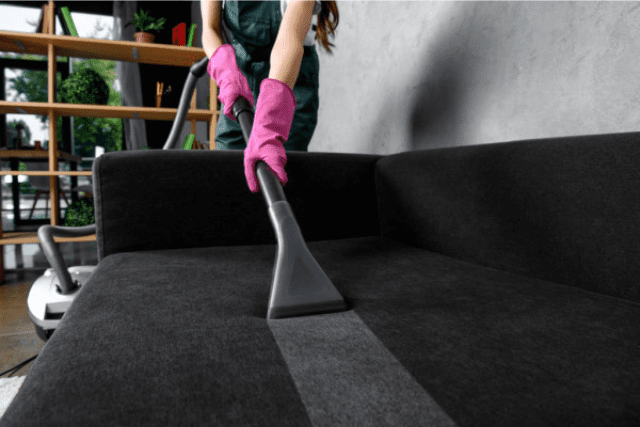
Vacuuming isn’t just for carpets. Regularly vacuuming your sofas, chairs, and cushions removes dust, crumbs, pet hair, and allergens trapped in the fabric. It’s also the best first step before wet cleaning, as it prevents dirt from smearing or embedding further.
- Use a soft brush attachment to avoid snagging threads.
- Move methodically, covering all flat surfaces and seams.
- Use a crevice tool for tight, hard-to-reach areas.
- Lift cushions and vacuum both sides, including the base.
For homes with pets or high traffic, weekly vacuuming can help control dust and allergens and keeps upholstery looking new.
Spot Cleaning: Removing Common Stains Safely
Stains should be addressed as quickly as possible. Quick action can prevent liquids or dirt from setting permanently. Here’s a general spot-cleaning protocol:
- Blot stains with a clean, dry microfiber cloth—never rub, as this spreads the stain.
- Mix a solution of mild dish soap and distilled water (1 tsp to 2 cups water).
- Dab the solution onto the stain with another cloth, then blot dry.
- For greasy stains, sprinkle a small amount of baking soda first, let sit for 15 minutes, then vacuum before cleaning.
- For synthetic or microfiber, a small amount of isopropyl alcohol on a cloth may help (test first).
Never saturate the fabric—excess moisture can lead to mildew or water stains. For challenging or unknown stains (wine, ink, blood), consult professional resources or consider professional cleaning if at risk of setting.
Best Methods to Deep Clean Upholstered Furniture
Deep cleaning removes embedded dirt, body oils, and grime, restoring freshness. How you approach it depends on fabric type:
| Aspect | Water Cleanable (W/WS) | Solvent Only (S) |
|---|---|---|
| DIY Feasibility | Yes, with care | Risky; best left to pros |
| Cleaning Solution | Mild soap & water | Professional-grade solvent |
| Process | Light mist, gently scrub, rinse/blot, dry fully | Spot-clean with correct solvent only; avoid soak |
| Risks | Overwetting, color transfer | Odor, damage if not handled right |
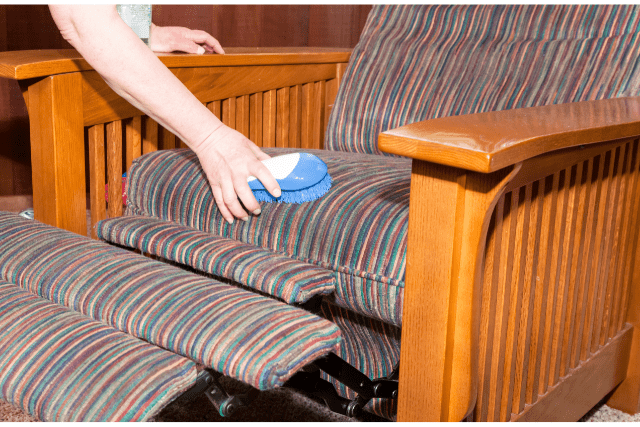
- For “W” or “WS” fabrics: Lightly mist the cleaning solution onto fabric, scrub with a soft brush, and blot dry with a cotton or microfiber towel. Allow to air dry completely before re-use.
- For “S” code fabrics: Use only recommended solvents; DIY approaches risk damage. If uncertain, professional cleaning is ideal.
- For “X” code (vacuum only): Do not attempt wet or solvent cleaning. Limit to regular vacuuming and call professionals for visible stains.
Drying and Preventing Water Damage
After cleaning, proper drying is essential to prevent musty odors, mildew, or damage.
- Blot damp areas with a dry towel.
- Open windows or use fans for air circulation.
- Never replace cushions or sit until fabric is fully dry.
- For Chicago winters, avoid direct heat sources—gentle airflow works best.
Natural and Eco-Friendly Upholstery Cleaning Alternatives
If you prefer gentle, non-toxic solutions, several natural cleaning options can work on certain fabrics:
- Baking soda: Sprinkle, let sit 20 minutes, then vacuum to deodorize.
- White vinegar spray (diluted): Effective on odors, but always spot-test.
- Cornstarch: Absorbs oils or spills from fabric armrests quickly.
For stubborn stains or odors, professional-grade products may be required. For more green cleaning tips, see our eco-friendly house cleaning guide.
Allergen Reduction and Hygiene Advice for Upholstery
Upholstery can trap common allergens such as dust mites, pet dander, and pollen. Maintaining a clean, healthy environment is especially important for allergy or asthma sufferers.
- Vacuum weekly using a HEPA filter-equipped vacuum.
- Wash removable covers in hot water if manufacturer allows.
- Consider air purifiers for rooms with heavy fabric furniture.
- Limit food and drink on furniture to prevent mold or bacteria growth.
For more on common allergens, visit our home allergens resource.
Preventing Future Stains and Upholstery Damage
Prevention is just as critical as cleaning. Here are some proven habits and protective measures:
- Use armrest and seat covers—washable and easy to swap out.
- Apply a fabric protector spray if appropriate for your upholstery.
- Keep pets’ nails trimmed and discourage scratching.
- Set and enforce “no shoes, no eating” furniture rules.
Routine maintenance not only keeps furnishings looking clean but also extends their lifespan, making deep cleaning less frequent—and less expensive.
Frequency Guidelines: How Often to Clean Upholstery at Home
How frequently furniture should be cleaned depends on the household’s activity level, number of occupants, pets, and location in the home. Use this frequency chart as a guideline:
- Vacuuming: Weekly for high-traffic areas, bi-weekly for lesser-used chairs.
- Spot-cleaning: Immediately when spills or stains occur.
- Deep cleaning: Every 6–12 months, or more often in households with kids/allergies/pets.
- Professional cleaning: Annually, or as soon as stains/odors persist after home care.
For more on scheduling and building cleaning habits, check our house cleaning schedule resource.
Upholstery Cleaning Safety Precautions
Always prioritize safety when cleaning upholstery at home, especially with DIY solutions. Follow these precautions:
- Test cleaners on a hidden section first.
- Keep cleaning products away from children and pets.
- Wear gloves if you have sensitive skin or are using chemical-based products.
- Ensure good ventilation when using solvents or sprays.
- Do not mix different types of cleaning chemicals.
For professional guidance on infection prevention in cleaning, explore the APIC infection prevention model.
Choosing the Right Moment: When to Call in Professional Help
Some stains, odors, or fabric types require professional attention for best results and safety. Don’t hesitate to call a trusted cleaning company in situations like:
- Persistent or large stains that home cleaning can’t remove
- Upholstery marked “S” or “X” on the care label
- Antique, delicate, or high-end fabrics
- After major events, accidents, or water damage
- If suffering from strong or recurring odors
Professional cleaners, like those at QUICK CLEANING, use specialized products and equipment to avoid fabric damage and extend furniture longevity, while adhering to strict hygiene protocols for safety.
Working with a Cleaning Company: What to Expect
If you’re considering professional cleaning for your upholstery, here’s how the process typically works:
- Initial consultation or inspection—company discusses fabric type, problem areas, and goals.
- Estimate and service plan—transparent explanation of process and expected outcomes.
- On-site cleaning—using steam, dry, or solvent cleaning, tailored to your furniture.
- Post-treatment—inspection, advice on aftercare, and prevention tips.
Expect consistent, well-trained staff who follow strict checklists and respect your home. If you’d like recurring deep cleaning, schedule deep home cleaning with professionals for seamless maintenance.
Comparing Home Remedies vs. Professional Upholstery Cleaning
Should you handle upholstery cleaning yourself, or hire a professional? Here’s a clear comparison to help decide what’s best for your needs:
- DIY Advantages: Immediate, cost-effective for small stains; useful for routine upkeep on water-safe fabrics.
- Limitations: Risk of fabric discoloration or overwetting, limited effectiveness on deep stains or odors.
- Professional Service Advantages: Deeper cleaning, advanced stain removal, safer for delicate fabric, and often prolongs the lifespan of furnishings.
- Best Use Case: Annual maintenance, emergencies, or when at-home methods do not succeed.
Post-Cleaning Habits: Keeping Upholstery Looking Great
After cleaning, help your furniture stay fresh with smart post-cleaning habits:
- Rotate cushions regularly to distribute wear.
- Vacuum often and wipe down surfaces after gatherings.
- Keep windows open when weather allows to air out fabrics.
- Watch out for common allergens—learn more on our allergen resource page.
Sample Upholstery Cleaning Checklist
- Read care tag/check fabric code
- Remove all loose debris and cushions
- Vacuum every surface, including under cushions
- Treat visible stains immediately
- Select safe cleaning solution
- Spot-test in hidden area
- Clean in sections, avoid oversaturating
- Use dry towels to blot excess moisture
- Allow to air dry fully before use
For a full home cleaning supply checklist, see our cleaning supplies resource.
Upholstery Cleaning for Households with Pets or Allergies
Homes with pets or allergy sufferers need to be extra vigilant:
- Vacuum more frequently, including pet hair and dander
- Look for fabric covers that can be washed frequently
- Spot-clean stains from paws or accidents immediately
- Use air purifiers to reduce airborne allergens
Find more cleaning tips for homes with pets.
FAQ: Upholstery Cleaning at Home
- How often should I clean my upholstery?
- Vacuum weekly, spot-clean as needed, and deep clean every 6–12 months. Professional cleaning is advised at least once a year for optimal hygiene.
- Is steam cleaning safe for all upholstery?
- No—check fabric codes. Only “W” or “WS” coded fabrics can be safely steam cleaned. Always test a small area first.
- What is the safest DIY cleaner for upholstery?
- A mixture of mild dish soap and distilled water is safest for most fabrics. Always spot-test before use.
- Can natural remedies remove tough stains?
- Baking soda and diluted vinegar can help deodorize and remove some stains, but deep or set-in stains may require professional products or intervention.
- How do I dry upholstery quickly and safely?
- Use fans and open windows to speed up drying. Avoid direct heat and do not replace cushions until fully dry to prevent mildew.
- What’s the biggest risk of DIY upholstery cleaning?
- Over-wetting, shrinking, or color transfer—especially on delicate or solvent-only fabrics. Always follow manufacturer guidance.
- Are store-bought upholstery cleaners safe?
- Choose cleaners specifically labeled for your fabric type. Test on an inconspicuous area first to avoid damage or discoloration.
- When should I call a professional?
- For persistent, large stains, sanitation after illness, specialty fabrics (“S” or “X” codes), or if unsure about safest products/methods.
- Does frequent cleaning shorten upholstery’s lifespan?
- No—regular removal of dust and prompt stain treatment actually helps preserve fabric and cushions, preventing wear and buildup.
- Can I clean leather upholstery at home?
- Yes, but use specialized leather cleaner and conditioner. Never soak leather; always test products first.
Wrap-Up: Keep Your Upholstery Clean and Inviting
Clean, well-maintained furniture not only makes your space look and feel better, but also supports a healthier home. By following these expert tips to clean upholstery at home, you’ll be able to handle day-to-day messes, prevent long-term damage, and know when to seek professional help. For consistent results, adopt a practical routine and never hesitate to consult the manufacturer’s guidance or lean on experienced teams like those at QUICK CLEANING for deep cleaning or special care.
Consider scheduling deep cleaning service if your furniture needs a refresh, or explore Airbnb cleaning for high-turnover rental properties.
About QUICK CLEANING
QUICK CLEANING helps households and businesses in Chicago, Illinois and nearby areas keep their spaces clean and healthy. Our trained cleaning staff is experienced with recurring house cleaning, deep cleaning, move out cleaning, office cleaning, and special facility cleaning projects. We are committed to high standards, transparent pricing, and building lasting relationships with our clients—using the right products and methods for every surface, including delicate upholstery and complex commercial spaces.
vacuum cleaner, cleaning companies in chicago, house cleaner chicago, weekly house cleaning, house cleaner West Dundee, house cleaning Glenview, best house cleaning Morton Grove, house clean in Crystal Lake, Hillside house cleaner, house clean service River Grove, house clean in Lombard IL