What Leasing Offices Track After a Cleaning Is Completed: A Comprehensive Property Management Perspective
For leasing offices and property managers, maintaining ready-to-show, hygienic, and presentable spaces is critical. But what exactly gets tracked after a cleaning is completed—beyond the visible sparkle? This guide breaks down what leasing offices track after a cleaning is completed, providing practical frameworks, checklists, and reporting insights for apartments, rental homes, Airbnb units, and commercial leasing environments. Whether you manage a multi-unit building or oversee single properties, understanding these tracking systems arms you with real-world tools to protect your investment, satisfy tenants, and uphold compliance. Quick Cleaning shares the detailed processes that set top-tier leasing operations apart—and how to leverage them in Chicago’s competitive property market.
Key Metrics and Observations After Cleaning Services
Leasing offices assess much more than observable cleanliness. Below are the core metrics tracked immediately after a professional cleaning is completed:
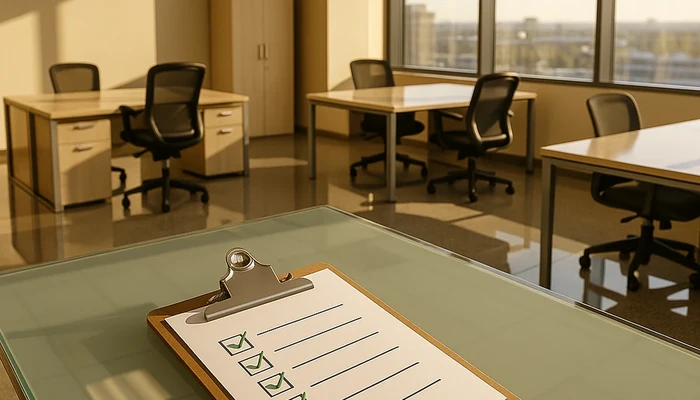
- Checklist completion: Confirmation that each cleaning task matches scope of work.
- High-touch surface sanitation: Areas like doorknobs, light switches, and faucet handles are checked for residue and disinfection.
- Visible debris/fault areas: Kitchens, bathrooms, and entryways are inspected for missed spots, stains, or buildup.
- Odor control: Absence of unpleasant or chemical smells, confirming proper ventilation.
- Supply and consumable status: Restock status for soap, paper goods, and air fresheners documented.
- Damage reporting: Notation of any pre-existing or new issues identified during cleaning.
Standardized Cleaning Documentation: Why It Matters
Documentation provides a paper (or digital) trail proving that cleaning standards are met. Leasing offices require this for:
- Liability reduction: Demonstrable proof of due diligence in keeping premises clean and safe.
- Regulatory compliance: Required logs for city inspections or state codes, especially for high-occupancy or regulated properties.
- Dispute resolution: Solid evidence in lease disputes over the condition of a unit at move-in or move-out.
- Vendor performance: Records used to evaluate cleaning vendors like Quick Cleaning for consistency.
Move-In and Move-Out Cleaning: Special Attention Points
Leasing offices track specific items after move-related cleanings, such as:
- All appliances cleaned (inside/out), including ovens, fridges, dishwashers.
- Cabinets and drawers emptied and wiped down.
- Floors and carpets vacuumed and mopped, noting any stains or wear.
- Walls, trim, and vents dusted and free of cobwebs/pet hair.
- Bathrooms sanitized (toilet, tub, sink, mirrors, tile grout).
- Final trash/leftovers removed.
Documents are signed off by staff or tenants to confirm the property’s condition, creating a reference for future tenancy.
Room-by-Room Breakdown: What Gets Inspected After a Clean
| Area | Critical Items Tracked | Checklist Example |
|---|---|---|
| Kitchen | Countertops, appliances, sink, cabinets | All surfaces wiped, no crumbs/grease on stove, trash bins empty, no odors |
| Bathroom | Toilet, tub/shower, sink, mirror, floors | Sanitized fixtures, spotless mirrors/glass, no mold, trash removed |
| Living/Common Areas | Floors, baseboards, windows, dusting | No dust/hair, streak-free glass, no trash, presentable for showings |
| Bedrooms | Closets, floors, surfaces, under bed | No debris, no linen left behind, all storage areas clean |
| Entry/Hallways | Doors, handles, mats, lighting | Door smudge-free, lights operational, mats vacuumed |
Hygiene Standards and Compliance Requirements
Professional cleaning companies follow guidelines from bodies like the IICRC and the EPA. Leasing offices confirm:
- Appropriate cleaning and disinfecting agents are used, matching surfaces and occupancy type.
- Disinfectants meet EPA-registered standards for killing bacteria/viruses.
- Protocols align with IICRC S100 for carpets and soft surfaces.
- Ventilation has been checked post-cleaning, especially for chemical-sensitive tenants.
Tenant-Ready Checklists: Pre-Show and Move-In Standards
To ensure a property is ready for showings, move-ins, or Airbnb guests, leasing offices work from a tenant-ready checklist, which typically includes:
- Spotless high-traffic paths, no visible dust or footprints.
- Counters and sinks dry (no lingering water spots).
- No fingerprints on glass or stainless appliances.
- Bathrooms fully restocked and odor-free.
- Lighting, HVAC controls, fans, and smoke detectors tested after cleaning.
- Personal items, cleaning supplies, and trash removed from view.
Digital Reporting Tools: Photos, Apps, and Cloud Logs
Modern leasing offices increasingly use digital tools for cleaning verification. Features may include:
- Photo check-in/out for each room or zone cleaned.
- App-based signoffs from cleaning staff and property representatives.
- Timestamped logs for compliance and audit trails.
- Upload options for receipts, chemical lists, or inventory status.
How Leasing Offices Handle Recurring Cleaning Oversight
For ongoing contracts (e.g., common areas, lobbies, hallways), leasing offices track:
- Schedule adherence: Recurring cleans are tracked for punctuality and frequency.
- Seasonal adjustments: Extra coverage during move-in/move-out waves, winter weather, or allergy season.
- Special event cleaning: Pre/post event site inspections and required touch-ups.
- Feedback collection: Tenant and staff comments logged as actionable notes for future cleans.
Red Flags and Common Cleaning Follow-Up Issues
What do leasing offices look for after cleaning that signals further action or re-clean is needed?
- Lingering dirt, streaks on glass, or missed spots in high-visibility zones.
- Pungent or persistent chemical/organic odors remaining after ventilation.
- Residue left around fixtures or on floors (especially with improper product use).
- Supplies not restocked or trash missed, indicating an incomplete checklist.
- Tenant complaints about pet hair, allergens, or bathroom cleanliness.
Leasing offices document these issues and request rapid remedy from cleaning vendors or internal staff.
Communication Between Cleaning Teams and Leasing Offices
Effective results come from open communication and accurate tracking. Leasing offices expect:
- Clear, concise job completion notes highlighting what was done, any issues found, and suggestions for next time.
- Proactive notification of anything unusual (e.g., maintenance required, tenant items left behind, hazards).
- Follow-up messages including photos of trouble spots or areas requiring property manager approval.
This two-way documentation is essential, especially for properties with multiple stakeholders (owners, tenants, maintenance, cleaning providers).
Case Scenarios: Real-World Tracking in Chicago Leasing Offices
Below are adapted examples showing how Chicago-area leasing offices track after cleaning:
- Scenario 1: An apartment complex uses a cleaning report app. Each unit is marked with a photo log, and HVAC filters are checked as part of ‘ready to show’ status.
- Scenario 2: A property manager for Airbnbs checks EPA registered disinfectant usage and leaves a pre-filled condition checklist for new guests as proof of deep sanitization.
- Scenario 3: Post-event cleaning at a mixed-use property requires signoff by both the cleaning lead and building supervisor, with attention to stairwells, elevators, and restroom restocks.
- Scenario 4: Leasing staff compare before-and-after cleaning photos to ensure previously reported stains or damages are resolved (or if escalation is needed).
What Leasing Offices Expect from Professional Cleaning Partners
Leasing offices value cleaning providers who:
- Follow customized checklists tailored to building and tenant needs.
- Provide timely, transparent reporting and documentation (digital or hard copy).
- Use professional-grade, appropriate cleaning products for each surface and area.
- Flag potential maintenance or safety issues promptly.
- Offer flexibility in scheduling for urgent turnovers or special requests.
Companies like Quick Cleaning collaborate with managers to align cleaning frequency, scope, and documentation to varying property types and standards.
Best Practices: Making Cleaning Tracking Work for Your Leasing Office
Adopt these best practices to ensure your cleaning tracking system is robust and defensible:
- Standardize checklists for each property type and cleaning occasion (move-in, move-out, recurring).
- Require digital signoff, timestamp, and photographic evidence for every cleaning session.
- Train staff to spot and document not just cleaning issues but related risks (e.g., mold, pest evidence, broken fixtures).
- Maintain a log of supplies, products, and frequencies for compliance/audits.
- Solicit structured tenant feedback to monitor cleaning and amenity satisfaction.
For specific checklist templates, see the Comprehensive Commercial Cleaning Checklist or check our resource on what a commercial cleaning service includes.
Customizing Cleaning Tracking for Different Property Types
Every Chicago leasing environment, from high-rise apartments to boutique commercial spaces, may require unique tracking:
- Multi-family/apartment buildings: Recurring common-area checks plus tenant turnovers.
- Short-term rentals/Airbnb: Intensive guest-ready turnovers with high disinfection standards.
- Class A offices: Multiple daily spot-checks and scheduled deep cleans for shared spaces.
- Retail/commercial: Inclusion of display areas, customer paths, and post-event recovery.
Consult The Critical Importance of Commercial Cleaning for deeper insights by property type.
Integrating Cleaning Data with Property Management Systems
Leasing offices can gain efficiency by integrating cleaning checklists, logs, and communication into their main property management software. This ensures:
- Centralized access to cleaning documentation and historical records.
- Automated reminders for scheduled cleanings and inspections.
- Visibility for all stakeholders (leasing agents, maintenance, ownership, external vendors).
- Better risk management and readiness for regulatory audits.
For technology-forward cleaning, check the AI in Cleaning Services Guide.
FAQ: What Leasing Offices Track After a Cleaning Is Completed
What documentation should leasing offices expect after a professional cleaning?
Most reputable cleaning companies provide a scope-of-work checklist, signoff sheet, and, increasingly, timestamped photos or digital reports detailing areas cleaned, issues found, and products used. This supports transparency and compliance.
How often should leasing offices track and record cleaning for common areas?
High-traffic areas may require daily or weekly tracking; less-used amenities may be logged biweekly. Frequency should match the property’s risk profile and seasonality.
What happens if cleaning documentation reveals recurring issues?
Leasing offices will escalate with cleaning providers to address missed items, adjust checklist scope, or retrain staff. Persistent failures may result in contract reviews or provider changes.
How can leasing offices verify use of proper hygiene products?
Request product lists and cross-check against EPA-registered disinfectants. Reliable vendors supply this information routinely.
Is tenant feedback included in post-cleaning tracking?
Yes—tenant complaints, comments, and ratings are logged and often correlated with cleaning rounds to spot trends or areas needing enhanced attention.
Are digital or app-based cleaning logs necessary?
While not required, digital logs drastically improve efficiency, traceability, and accessibility, especially for multi-unit operations and recurring service management.
Who is responsible for signing off after cleaning is done?
Typically, a member of the leasing or facilities team confirms work is completed to standards, sometimes with a representative from the cleaning company present.
Do leasing offices require proof of compliance with cleaning standards?
For highly regulated or high-traffic buildings, proof of IICRC or EPA compliance and periodic audit logs may be requested and kept on file.
What if pre-existing damage is discovered during a cleaning?
It is documented in the cleaning report, and leasing staff determine if tenant notification, maintenance, or additional follow-up is needed before the next move-in or inspection.
How do leasing offices work with cleaning companies like Quick Cleaning for special requests?
By communicating precise needs in advance and confirming requirements in checklists, standards for timing, safety, and product selection can be negotiated—especially for allergy-sensitive, post-construction, or urgent turnovers.
Summary and Next Steps for Leasing Offices
Tracking after a cleaning is more than a checkbox. It’s a systematic approach to safeguarding property value, supporting health, and satisfying tenants. By leveraging clear documentation, regular communication with vendors, compliance with standards like IICRC S100 and EPA-registered disinfection, and custom checklists for your property types, you will improve outcomes and reduce risk. For reliability and thoroughness, many Chicago-area leasing offices turn to trained teams like Quick Cleaning. Explore Move out cleaning or Airbnb cleaning for tailored property solutions.
About Quick Cleaning
Quick Cleaning is a leader in property, residential, and commercial cleaning for households and businesses in Chicago, Illinois and nearby areas. Specializing in recurring house cleaning, deep cleaning, move out cleaning, office cleaning, and special facility cleaning, our trained staff follows detailed checklists and rigorous quality standards. We are committed to transparent communication, clear pricing, and long-term relationships—making us a trusted choice for property managers, landlords, and leasing offices who demand professionalism and consistent results.
cleaning services chicago, chicago commercial cleaning, commercial cleaning contractors in chicago, commercial cleaning Joliet IL, commercial cleaning Bradley IL, commercial cleaning companies in Monee, commercial cleaning contractors in the city of Cicero IL, Lake Forest commercial cleaning companies, West Loop commercial cleaning, commercial cleaning contractors in Countryside IL