What To Expect From A Dental Office Cleaning Service: The Complete Guide for Dental Facilities
If you’re responsible for maintaining a dental office, the cleanliness of your facility is a direct reflection of your team’s commitment to patient health and safety. But what should you genuinely expect from a professional dental office cleaning service? In this detailed guide, we’ll demystify every stage of the cleaning process, explain what goes on behind the scenes, and help you understand what truly distinguishes an expertly cleaned dental space. Whether you’re a practice owner, manager, or healthcare staff member, you’ll discover the standards, checklists, and practical details that define an exceptional dental cleaning service. What To Expect From A Dental Office Cleaning Service isn’t just about a sparkling surface—it’s about infection control, regulatory compliance, and reassurance for staff and patients. Read on for the essential steps, protocols, safety measures, and decision-making tools you need to keep your Chicago dental office both spotless and healthy.
How Dental Office Cleaning Differs from Routine Commercial Cleaning
Dental office cleaning demands a higher level of precision and awareness compared to general office spaces. Everything from instruments and chairs to high-touch surfaces and waiting room furniture requires specific techniques to minimize infection risks. Unlike general commercial cleaning—which may focus on aesthetics—dental cleaning services prioritize disinfection, cross-contamination prevention, and compliance with healthcare regulations such as OSHA and CDC guidelines.
- Handling of biohazardous materials and sharp objects.
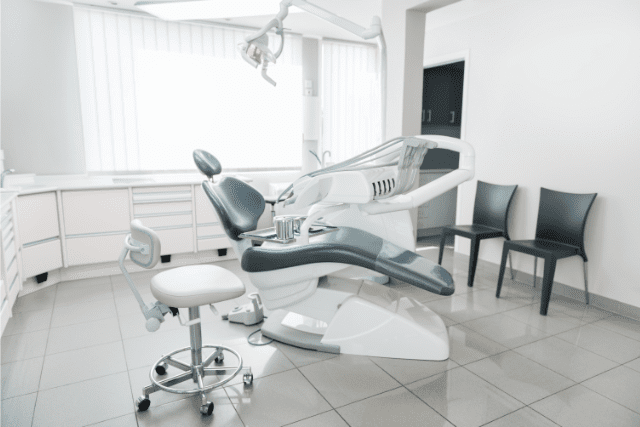
- Focused cleaning of dental chairs, exam lights, and X-ray equipment.
- Medical-grade disinfectants and safe waste disposal practices.
- Detailed attention to high-traffic, high-touch zones in waiting and operatory rooms.
Choosing a provider trained in dental and medical facility cleaning is crucial for ensuring thorough protection.
Key Standards and Regulations Guiding Dental Office Cleaning
Professional dental office cleaning services are guided by a mix of best-practice protocols and mandatory regulations. Cleaning companies familiar with dental environments adhere to a strict set of health, safety, and regulatory requirements to protect staff and patients.
- OSHA compliance for bloodborne pathogens and hazardous materials.
- CDC recommendations for infection control in dental healthcare settings.
- Manufacturer care guidelines for specialized dental equipment and surfaces.
- Strict adherence to local Chicago safety codes and waste management regulations.
Understanding these rules ensures the cleaning service you select upholds the highest standards throughout your dental practice.
Step-by-Step Walkthrough: Professional Dental Cleaning Procedures
What does a comprehensive dental office cleaning session involve? Here’s a step-by-step look at the procedures you can expect:
- Preparation and risk assessment (identifying sharps, PPE use).
- Segregation of contaminated and clean zones.
- Surface cleaning using appropriate disinfectants (EPA-registered, see Safer Choice options).
- Sanitizing high-contact areas (handles, switches, touchscreens).
- Deep cleaning of dental chairs, lights, and countertops.
- Biohazard disposal (sharps, medical waste) using sealed containers.
- Restroom disinfection and replenishment of hygiene supplies.
- Waiting room cleanliness and air circulation check.
- Final walkthrough and sign-off with checklists.
Depending on your facility size, a service like Quick Cleaning will tailor this protocol and clearly communicate their schedule, so patient appointments are not disrupted.
Comparing Standard, Deep, and Terminal Cleaning in Dental Offices
Dental office cleaning isn’t one-size-fits-all. Practices may require different levels of service, ranging from daily maintenance to thorough deep cleans.
| Cleaning Level | Main Focus | Frequency | Typical Tasks |
|---|---|---|---|
| Standard Cleaning | Daily hygiene, visible surfaces | Daily/bi-weekly | Cleaning floors, restrooms, reception, wiping surfaces |
| Deep Cleaning | In-depth disinfection, hard-to-reach zones | Monthly/quarterly | Detailing chairs, vents, behind/under equipment, sanitizing corners, upholstery |
| Terminal Cleaning | Total decontamination post-contamination/renovation | As needed | Every surface scrubbed, full equipment decontamination, air purification |
Knowing which level is appropriate can save your practice time and risk. If unsure, a reputable dental cleaning provider like Quick Cleaning will recommend the right package and explain each process transparently.
Critical Areas of Focus in Dental Office Cleaning
Dentistry settings harbor more pathogens than typical workspaces. A professional cleaning crew will focus on specific high-risk areas:
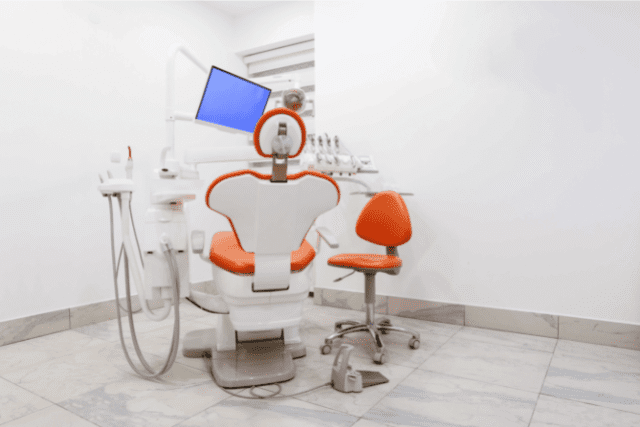
- Operatory rooms (including dental chairs, trays, and instruments)
- Waiting and reception zones
- Restrooms and sterilization rooms
- Staff break rooms and lockers
- Common touch points: doorknobs, switches, phones, keyboards
Attention to detail in these regions greatly reduces cross-contamination and upholds your infection prevention protocols.
Cleaning Checklists Used by Dental Office Cleaning Services
Transparent cleaning companies provide clear checklists, so you know exactly what’s being addressed at every visit. A sample condensed checklist includes:
- Dusting and wiping all visible and hidden surfaces
- Disinfecting all dental operatory areas and equipment
- Thorough bathroom cleaning and deodorizing
- Cleaning and refilling supplies in waiting areas
- Trash removal, including sharps and medical waste
- Mopping and vacuuming with HEPA-filter equipment
For a more in-depth reference, explore our Dental Office Cleaning Checklist—a resource specializing in regulatory-ready cleaning routines.
Products, Disinfectants, and Equipment in Professional Dental Cleaning
The cleaning solutions and tools used matter as much as the process itself. Dental office cleaning teams use hospital-grade disinfectants, safe for both equipment and patient exposure. Key considerations include:
- EPA-registered disinfectants approved for healthcare settings (EPA Safer Choice products)
- Microfiber cloths to trap and remove bacteria
- HEPA-filter vacuums for air quality improvement
- Specialized protective gear for cleaning staff
As a best practice, providers like Quick Cleaning disclose their product lists and adjust based on allergy or material requirements. For more information on choosing safe personal care and hygiene products, visit Diversey’s Personal Care solutions.
Personal Protective Equipment (PPE) and Safety for Cleaning Staff
Dental office environments require strict PPE protocols during cleaning. Here’s what you should expect your cleaning team to wear:
- Medical-grade gloves (changed regularly between areas/rooms)
- Face masks or respirators in high-exposure zones
- Eye protection (goggles or face shields)
- Disposable gowns or aprons for added protection
For deeper insights into essential protective measures and PPE for cleaning staff, you can review Essential PPE for Dental Office Cleaning.
How Professional Cleaners Minimize Cross-Contamination Risks
One major promise of a specialized dental office cleaning service is infection control. Here’s how cross-contamination is addressed:
- Using color-coded cloths/mops for different zones
- Single-use materials when feasible
- Rigorous hand hygiene policies for cleaning personnel
- Separate tool kits for “clean” vs “contaminated” areas
Protocols are explained up front and spot-checked by supervisors, providing you with confidence in the overall sanitation process.
Scheduling, Communication, and Transparency in Dental Cleaning Services
Reliability is everything. Leading providers like Quick Cleaning offer:
- Flexible scheduling (before/after patient hours, weekends as required)
- Real-time communication with office managers
- Visible checklists and sign-off logs left on premises
- Easy ways to request special attention to certain areas
Clear documentation—even photos of cleaned areas if requested—ensures ongoing accountability.
Understanding Pricing Models for Dental Office Cleaning
Unlike fixed-price residential cleaning, dental office cleaning rates reflect facility size, required depth, and regulatory scope. While reputable companies maintain transparent pricing, factors that typically influence cost include:
- Total square footage and number of treatment rooms
- Frequency of visits (daily, weekly, monthly, one-time)
- Special requirements (biohazard disposal, deep cleaning, special materials)
Reliable cleaners will offer quotes after a walkthrough and align the service level to your exact clinical needs and budget.
How to Choose the Right Dental Office Cleaning Provider
With safety and health at stake, the selection process matters. Here are key elements to evaluate in a dental cleaning provider:
- Proven experience in healthcare environments
- Trained, background-checked cleaning staff
- Full insurance and up-to-date safety certifications
- Positive reviews and references from other dental practices
- Clear, detailed checklists and documented procedures
- Willingness to customize schedules and address specific requests
Ask about their approach and verify credentials before committing. Providers such as Quick Cleaning are transparent about their cleaning protocols and happy to answer detailed questions.
Special Considerations: Pediatric, Cosmetic, and Surgical Dental Facilities
Some dental offices—such as pediatric, cosmetic, or surgical facilities—have unique cleaning needs:
- Pediatric: Extra focus on non-toxic products and removal of allergens, plus special detail on play areas and toys.
- Cosmetic: More delicate surfaces and materials require gentle, residue-free cleaning.
- Surgical: Elevated disinfection, strict adherence to aseptic technique, and heightened PPE use.
Be sure to mention these specialties when first contacting your cleaning provider to ensure the right protocols are in place.
Common Questions About Professional Dental Office Cleaning Services
How often should a dental office be professionally cleaned?
High-traffic areas and operatories should be cleaned daily, while deep cleaning is typically performed monthly or quarterly depending on patient volume and services offered.
Are dental office cleaning services compliant with OSHA and CDC requirements?
Reputable companies strictly follow OSHA and CDC guidelines for infection control and cleaning in healthcare environments. Always check with your provider for certification details.
What type of disinfectants are safe to use in dental settings?
EPA-registered, healthcare-grade disinfectants are preferred. Providers should be able to demonstrate product compliance—see Safer Choice program for more.
Should cleaning crews work during or after office hours?
Most dental practices prefer cleaning after hours for minimal disruption, but flexible providers like Quick Cleaning can adapt to your schedule.
What special steps are taken for infection outbreaks or contamination?
Terminal cleaning protocols, including total disinfection and air filtration, are employed in the case of illness or contamination, going beyond standard procedures.
How are cleaning staff trained for dental office safety?
Training covers infection control, proper PPE use, safe waste handling, and confidentiality policies for patient areas and documents.
Will I receive documentation of cleaning and disinfection?
Yes. Leading cleaning services provide checklists, logs, or digital reports to document each cleaning session for compliance purposes.
How can I verify the cleaning quality?
Regular walkthroughs, visible checklists, and communication with your cleaning provider assure ongoing quality. Feedback systems are recommended.
Can I request eco-friendly cleaning options?
Absolutely. Many professional cleaners now offer green-certified solutions (see EPA Safer Choice) tailored for dental facilities.
Wrap-up: Setting Expectations for Your Dental Office Cleaning Partner
Entrusting your dental office to a professional cleaning service provides peace of mind, regulatory compliance, and safer conditions for everyone. From the initial assessment to daily routines and deep cleans, knowing what to expect from a dental office cleaning service empowers you to collaborate with your provider for outstanding outcomes. When you select an experienced, communicative partner such as Quick Cleaning, you set your team and patients up for a consistently clean, healthy environment. To schedule results-driven dental or medical office cleaning, reach out to an experienced specialist who understands your sector.
About Quick Cleaning
Quick Cleaning is a trusted cleaning company serving households and businesses across Chicago, Illinois and nearby areas. Our expertise covers recurring house cleaning, deep cleaning, move out cleaning, office and commercial facility cleaning—with a special focus on the strict guidelines required in healthcare and dental offices. Our trained staff follow rigorous checklists and use advanced equipment and products suitable for sensitive environments. Commitment to transparent communication, clear pricing, and long-term relationships sets us apart for Chicago’s homes and workplaces. For more information on our experience or to explore our full range of cleaning services, visit Quick Cleaning.
OSHA, best cleaning services chicago, Dental Office Cleaning Services Chicago, Dental Office Cleaning Chicago, dentist office cleaning Dundee IL, dental office cleaning in Wood Dale IL, dental practice cleaning Logan Square, dental practice cleaning Glenview, dental clinic cleaning Burbank, dental practice cleaning Joliet IL, dental clinic cleaning Westmont