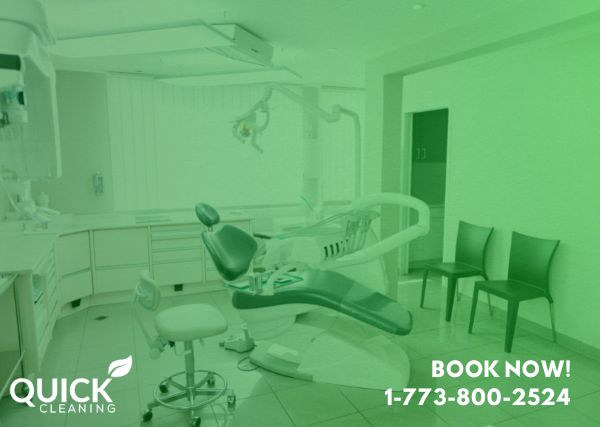
Mastering the Dental Office Cleaning Checklist: A Complete Guide for Safe Dental Practices
In the world of dental health, a clean, sanitary office is not just a requirement—it’s at the heart of patient safety and business success. Whether you’re a dental practice manager, clinic owner, or a staff member responsible for facility upkeep, understanding the Dental Office Cleaning Checklist is crucial. This detailed guide from Quick Cleaning outlines every zone, task, and best practice you need to maintain optimal hygiene, exceed regulatory expectations, and reassure patients in today’s environment.
The Foundation: Why a Dental Office Cleaning Checklist Matters
Unlike standard office spaces, dental practices face stringent hygiene standards—not only for aesthetics but for infection control. Each area handles diverse risks, from cross-contamination to chemical exposure. Implementing a structured cleaning checklist helps dental teams:
- Stay compliant with health regulations
- Protect patients and staff from infectious agents
- Uphold your clinic’s reputation
- Promote operational efficiency and accountability
Defining Zones: Room-by-Room Dental Office Cleaning Priorities
Effective cleaning starts by segmenting your dental office into specific high-priority zones. Each presents unique cleaning demands and risks. Here’s a comprehensive breakdown:
- Reception and Waiting Area: High foot traffic, frequent touchpoints
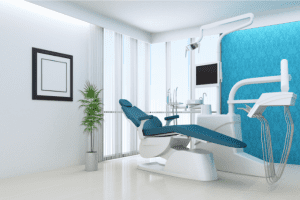
- Treatment Rooms/Operatories: Direct patient care and exposure to bodily fluids
- Sterilization and Lab Areas: Instrument processing zones
- Restrooms: Shared hygiene-sensitive spaces
- Staff Break Room/Kitchen: Food prep safety concerns
- Storage closets/utility areas: Safe product and equipment handling
Daily Dental Office Cleaning Checklist: Core Tasks for Every Day
Consistency in daily cleaning routines mitigates immediate risks and builds a culture of sanitation. A best-practice daily checklist includes:
- Disinfect door handles, light switches, and reception counters every shift
- Wipe waiting room chairs and surfaces between patients
- Clean and disinfect dental chairs, spittoons, trays, and operator stools after each use
- Dispose of waste (general and hazardous) at every close of business
- Sanitize high-touch restroom surfaces: faucets, flush levers, door latches
- Tidy magazines, toys, or digital devices, disinfect as appropriate
- Replenish supplies: hand sanitizer, gloves, tissues
- Check HVAC vent surfaces and air purification devices for visible dust
Weekly and Monthly Dental Cleaning Tasks: Deep Dive Beyond the Daily Scope
While daily cleaning is critical, certain tasks require a scheduled approach for thoroughness:
- Weekly:
- Disinfect walls, baseboards, and floors—especially behind and beneath equipment
- Detail-clean windows, blinds, computer keyboards, and telephones
- Launder any reusable cloths or uniforms
- Inspect and stock emergency cleaning supplies
- Monthly:
- Perform full HVAC filter replacement and vent cleaning
- Empty and sanitize storage closets, rotate products per expiration
- Conduct an audit of compliance signage and safety data sheets
- Arrange for professional carpet and upholstery cleaning where applicable
Treatment Room Protocols: Step-by-Step for Operatories
The treatment operatory is the most critical cleaning zone. Below is a detailed process, to be followed after every patient encounter:
- Put on appropriate PPE (gloves, mask, protective eyewear)
- Remove all disposable barriers and replace as needed
- Clean visible debris from all clinical contact surfaces
- Apply approved disinfectant to dental chair, trays, lamp handles, and controls—allow proper dwell time
- Wipe counters, X-ray equipment, and supply containers with separate cloths
- Replace supplies (saliva ejectors, cups, masks)
- Carefully dispose of sharps and regulated medical waste
Checklist for Restrooms and Common Areas in Dental Clinics
Restrooms and shared areas, if neglected, present high reputational risk. Follow this focused checklist:
- Sanitize sinks, faucets, and toilet handles with EPA-registered disinfectants
- Wipe mirror surfaces and counters for stains, fingerprints, and splatter
- Refill soap, towels, and tissue dispensers, checking for leaks or malfunction
- Clean floors, paying special attention to grout lines and under fixtures
- Empty waste receptacles and replace liners meticulously
Sterilization and Instrument Handling: Policies Built for Safety
Instrument sterilization demands precision and compliance. The key steps in every cleaning cycle include:
- Segregate reusable instruments immediately after use in designated containers
- Pre-clean (manual or ultrasonic), then inspect for debris under good lighting
- Package instruments with proper indicators before autoclaving
- Follow autoclave loading guidelines; log cycle completion and any errors
- Store sterilized packs in dry, dust-free, closed cabinets
Stay informed with up-to-date standards and guidelines for infection control.
Products and Tools: What Should Be in Every Dental Office Cleaning Cart?
Selecting safe and effective cleaning agents is essential for dental environments. Your cleaning cart should include:
- Hospital-grade disinfectants (EPA-registered and safe for dental use)
- Color-coded microfiber cloths for designated zones
- Disposable gloves, masks, and eye protection
- Spray bottles clearly labeled by contents
- Biohazard and sharps containers
- Non-abrasive sponges, mop heads, and buckets
- Steam cleaners for floors and upholstery if compatible
Prioritize cleaning agents recognized by the EPA’s Safer Choice program for eco-friendly and effective products.
Surface-Specific Cleaning and Disinfection Guidance for Dental Clinics
Every surface in a dental office has unique vulnerability and cleaning needs:
| Surface | Recommended Protocol | Frequency |
|---|---|---|
| Reception Desk | Disinfect with alcohol-based wipes | At shift changes and after each patient |
| Dental Chairs | Spray and wipe with clinical disinfectant, replace covers | After each patient |
| Floors | Mop with appropriate germicidal solution | Daily & as needed |
| Light Handles/X-ray Equipment | Wipe with disposable cloth; avoid overspray | After each patient & daily |
| Restroom Fixtures | Scrub and disinfect | Daily or more frequently as needed |
Quality Assurance: Training, Supervision, and Regular Audits
Even the best checklist is only as strong as its consistency. Strategies for maintaining high quality include:
- Standardized staff training in infection control and cleaning techniques
- Visual job aids and laminated checklists posted in staff areas
- Routine supervision and spot checks by lead personnel
- Monthly cleaning audits with documented feedback
- Encouraging staff reporting of missed steps or supplies
Clear documentation not only reduces liability but also demonstrates your commitment to excellence.
Special Situations: Environmental Events and Enhanced Precautions
Times of outbreaks or flu season may require temporary adjustments. Steps should include:
- Increasing cleaning frequency for waiting areas and bathrooms
- Offering hand sanitizer at every entry and exit point
- Using additional PPE for cleaning staff in high-risk scenarios
- Updating procedures based on health authority recommendations
How Often Is Dental Office Cleaning Needed? Custom Frequency Frameworks
There’s no one-size-fits-all answer—cleaning intervals depend on patient volume, procedures performed, and the facility layout. Use this general guide:
- High-traffic treatment rooms: Between every patient
- Reception & common areas: Several times per day
- Restrooms: Minimum once daily, more if busy
- Floors and corridors: End of day
- Staff-only areas: End of each shift
During flu seasons or increased infection risk, adapt to more frequent cycles.
Evaluating a Dental Office Cleaning Service: What Sets Professionals Apart?
Whether you’re hiring a new team or reviewing your current service, ask these questions:
- How are checklists documented, and can you review them?
- Are staff specifically trained in healthcare and dental environments?
- What products and PPE are used, and are they regularly refreshed?
- How does the service manage hazardous and biohazard waste?
- Do they offer flexible scheduling to suit your clinic hours, including off-peak times?
To explore professional office cleaning service options in Chicago, see how Quick Cleaning applies these standards.
Critical Red Flags: Signs Your Dental Cleaning Is Falling Short
Routine cleaning problems can escalate. Watch for warning signs such as:
- Recurring odors or visible dust in corners and vents
- Missed or skipped checklist steps
- Frequently depleted supplies or missing records
- Complaints from staff or patients regarding cleanliness
- Untrained cleaning personnel onsite
Essential PPE for Dental Office Cleaning Staff
Maintaining safety is as important as appearance. Essential protective equipment for cleaning staff includes:
- Nitrile or latex gloves
- Surgical or N95 respirators in high-risk zones
- Eye/face protection when handling chemicals
- Disposable or washable gowns/aprons
Learn the full requirements and safety rationale in our detailed Essential PPE for Dental Office Cleaning guide.
Staff Training and Communication: Building an Engaged Clean Team
Your dental office’s safety culture depends on engaged, well-trained staff:
- Hold annual infection control updates and hands-on demonstrations
- Post visible protocols in cleaning supply and staff areas
- Use daily sign-off sheets for checklists
- Encourage open dialogue about concerns and possible improvements
Patient Communication: Reassuring Through Transparency
Modern patients expect visible proof of hygiene:
- Display cleaning checklists or certificates prominently in waiting rooms
- Brief patients on protocols before procedures, when appropriate
- Highlight your facility’s use of recognized safer cleaning products
- Solicit feedback on patient perceptions of cleanliness
Clear communication isn’t just good practice—it’s a competitive advantage.
Frequently Asked Questions About Dental Office Cleaning Checklists
Dental chairs, light handles, countertops, trays, spittoons, and any other patient-contact surfaces.
Yes, only EPA-registered, hospital-grade disinfectants should be used on clinical contact surfaces.
Provide visual checklists, require staff sign-off after completion, and routinely audit for accuracy.
Cleaning removes visible dirt; disinfecting uses chemicals to kill germs on surfaces. Both are necessary steps.
Follow EPA Safer Choice guidance for approved products that balance safety, efficacy, and environmental impact.
At minimum once daily, or more frequently depending on office traffic and events.
Assigned clinical or cleaning staff must log sterilization cycles and monitor for compliance.
Refer to Quick Cleaning’s disinfection guide for dental offices and official health authority guidance.
Yes—vent covers and filters should be regularly cleaned or replaced to maintain air quality.
Look for transparent checklists, healthcare experience, comprehensive service, and verified training. See what to expect from a provider for more details.
Get Help: When to Bring in Professional Dental Cleaning Support
If your team struggles to maintain rigorous standards, or your facility is due for a deep reset, consider professional support. Dental office cleaning experts can bring in advanced equipment, specially formulated products, and quality assurance processes tailored for medical-grade results.
Summary: Keeping Dental Offices Clean, Safe, and Welcoming
Dental office cleaning is a precise science—one that blends checklist discipline, high-grade products, and attentive, well-informed staff. By following the steps and protocols outlined here, backed by Chicago’s trusted resource Quick Cleaning, your clinic can consistently exceed infection control standards and ensure peace of mind for staff and patients alike.
About Quick Cleaning
Quick Cleaning is a leading residential and commercial cleaning company serving Chicago, Illinois and nearby areas. Our team specializes in recurring house cleaning, deep cleaning, move out cleaning, office and facility cleaning, with strict adherence to industry checklists and up-to-date hygiene standards. We believe in transparent communication, reliable scheduling, and building long-term relationships with households and businesses for cleaner, healthier spaces. Trust Quick Cleaning to deliver professional, trained staff and the best cleaning solutions for every environment.


OSHA, cleaning contractors in the city of chicago, Dental Office Cleaning Chicago, Dental Office Cleaning Services Chicago, dental office cleaning Itasca, dental office cleaning in Yorkville, dentist office cleaning Elmhurst IL, dental practice cleaning Barrington, dentist office cleaning Lombard IL, dental office cleaning Norridge IL, dental practice cleaning South Loop