
Practical and Cost-Effective Ways To Keep Your Office Clean
A clean office isn’t just about appearance—it directly impacts productivity, employee health, and client perceptions. Choosing cost-effective ways to keep your office clean enables you to maintain high standards without straining your budget. In this detailed guide, we’ll walk through tailored strategies for workplace cleaning, critical checklists, comparison frameworks, and decision points you can use to determine what’s right for your workspace. Whether you manage a Chicago office, a retail space, or a shared co-working hub, you’ll find solutions for smarter, more efficient cleaning.
Understanding True Office Cleaning Costs: Where Do You Spend Most?
Before optimizing your cleaning routine, it’s vital to evaluate where your cleaning budget goes. Common expenditure areas include labor (in-house or outsourcing), cleaning supplies, equipment, and periodic deep cleans. Identifying what drives your recurring costs can highlight quick wins for immediate savings.
- Labor hours (internal cleanings, payroll, overtime management)
- Cleaning product consumption and purchase frequency
- Equipment maintenance (vacuums, floor scrubbers, specialty tools)
- Professional deep cleaning services usage and intervals
Keep detailed logs for one month to identify trends. Are certain tasks overperformed? Are supplies wasted or poorly stored? This data forms the basis for smarter adjustments.
Defining Essential vs. Optional Office Cleaning Tasks
Not all office cleaning tasks hold equal weight. Cost-effective management starts by prioritizing what matters most for health and appearance, while minimizing or optimizing less critical efforts.
- Essential cleaning tasks: Touchpoint disinfection, trash removal, restroom sanitation, breakroom cleaning, floor care
- Optional/nice-to-have tasks: Wall washing, window brightwork, plant dusting, infrequent furniture polishing
Collaborate with building maintenance or a trusted cleaning provider to align on non-negotiable daily, weekly, and monthly shifts.
Daily Cleaning Routines That Save Money in the Long Run
Consistent daily routines help prevent the accumulation of dirt and cut back on the need for expensive deep cleans. Focus on these:
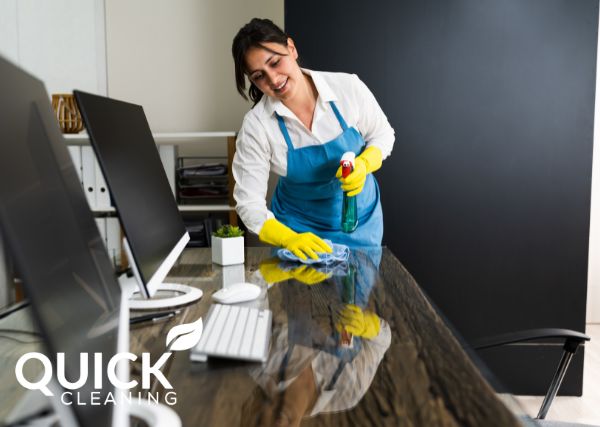
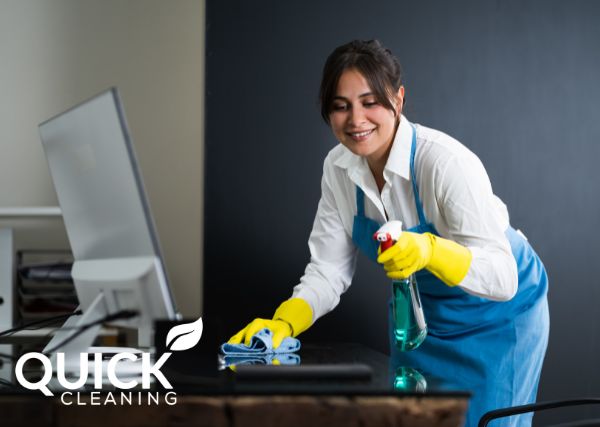
- Wipe and disinfect high-touch surfaces: doorknobs, phones, keyboards, shared desks
- Empty trash and recycling bins
- Spot-clean kitchenettes and coffee areas
- Quick vacuum or sweep of entryways and hallways
Encouraging staff participation (see below) further reduces reliance on outside labor and lowers costs.
Weekly & Monthly Office Cleaning: High-Impact, Low-Frequency Checklist
Some cleaning activities only need attention weekly or monthly. Scheduling these systematically ensures office hygiene without wasted effort.
- Full floor mopping and carpet cleaning
- Deep clean and descale restrooms/kitchens
- Clean windows, blinds, and light fixtures
- Dust vents, baseboards, electronics, and hard-to-reach spots
- Sanitize touchpoints not covered in daily routines
Document these jobs in a shared calendar or checklist to keep everyone on track, especially for shared offices. Find more details in our office cleaning supplies list.
Smart Product Choices: Choosing Multi-Use, Safe, and Effective Cleaners
Investing in multi-purpose products and reusable microfiber supplies can deliver big savings. Look for EPA-registered cleaners and avoid purchasing duplicate products for similar tasks. Using professional/industrial-size packaging helps offices with higher volume needs reduce per-use costs. For insights on safe product use and handling, refer to the OSHA Hazard Communication Standard.
Should You Outsource or In-House? A Decision Framework for Office Cleaning
This choice shapes both costs and cleaning quality. Consider:
| Criteria | In-House Staff | Outsourced Service |
|---|---|---|
| Flexibility | Responds quickly, but limited training | Scheduled, specialized, scalable |
| Cost control | Lower for small offices; employee burden rises with size | Predictable flat rate; may save costs for larger or busy spaces |
| Expertise | May lack advanced skills | Pro staff, follows industry standards, better for sensitive areas |
| Supplies included? | Must be sourced and stocked by you | Often included in service fee |
| Supervision | Needs frequent oversight | Set-it-and-forget-it; quality assurance provided |
A hybrid approach—essential daily tasks done in-house, specialty deep cleans outsourced—is popular and cost-effective for many Chicago offices.
Reducing Waste: How to Store and Use Cleaning Supplies Efficiently
Improper storage and redundant purchases drive up unnecessary costs every month. Adopt these mechanisms:
- Centralize all cleaning products in a labeled supply closet
- Implement a use-first, reorder-later inventory policy
- Train staff on proper dilution and usage, reducing over-application
- Dispose of expired or ineffective products
These simple tactics maintain consistent stock levels and keep your cleaning program lean.
Employee Involvement: Engaging Your Team for Budget-Friendly Office Maintenance
Creating a shared commitment to cleanliness reduces direct cleaning costs and fosters healthier habits. Simple steps:
- Implement a ‘clean desk’ policy each evening
- Assign weekly rotation for kitchen or conference room tidying
- Set up visible reminders for hand hygiene and surface wipes
- Celebrate and reward teams that uphold shared spaces
Peer accountability encourages ongoing results and cost savings. For more on minimizing cleaning mistakes, explore common office cleaning mistakes.
Preventive Cleaning: Keeping Major Costs Down With Proactive Measures
Proactive maintenance avoids expensive restoration and keeps disruptions minimal:
- Install entry mats to capture dirt and moisture before it spreads
- Schedule seasonal HVAC filter changes
- Address spills and stains immediately to prevent permanent damage
- Regularly inspect for mold, mildew, pest activity, and fix leaks quickly
Refer to our office dust reduction guide for further tips.
Frequency Guide: Deciding When and How Often Your Office Needs Each Cleaning Task
Over-cleaning wastes time and money; under-cleaning risks health and aesthetics. Base your cleaning frequencies on:
- Foot traffic levels (front desk, lobbies, restrooms need more frequent attention)
- Type of business (medical offices vs. standard administration spaces)
- Current events (seasonal flu, local outbreaks, allergy season)
- Feedback from building occupants and visitors
For more guidance on adjusting cleaning for special cases, check office cleaning during the winter.
Safe and Effective Disinfection: Minimizing Risk While Maximizing Protection
Proper disinfection is non-negotiable for busy workplaces, especially in shared or high-touch areas. The CDC’s guide to cleaning, sanitizing, and disinfecting is an essential safety resource. Use EPA-approved disinfectants and strictly follow product label directions to protect both staff and surfaces. Make sure chemicals are clearly labeled, stored out of reach, and that all employees understand dilution and dwell times.
Specialty & High-Traffic Areas: Kitchens, Restrooms, and Touchpoints
Breakrooms, restrooms, and shared devices need special attention for cost-effective, hygienic outcomes:
- Disinfect break room tables, appliance handles, and coffee machines daily
- Clean and restock restrooms multiple times per day for high-traffic spaces
- Wipe down copy machines, elevator buttons, shared phones at least daily
Use visual cleaning logs for restrooms and kitchens to boost accountability. For deeper guidance, visit our office kitchen cleaning guide.
Budgeting for Professional Cleaning: How and When It Saves Money
Outsourcing periodic tasks like carpet extraction or window washing often delivers better long-term value than replacing neglected items. Schedule deep cleans quarterly or biannually, depending on your workplace type and occupancy levels. For larger offices, regular professional cleanings prevent expensive repairs or remediation. Before booking, always clarify pricing structure, inclusions, and quality guarantees with your service provider.
Inspection and Quality Assurance: Making Sure Cost Savings Don’t Lead to Shortcuts
Even the most frugal plans fall short without oversight. Designate a team member (or use regular building walkthroughs) to check:
- Surface and floor cleanliness level
- Supply stocks and reordering
- Feedback from staff or visitors on facility conditions
Document findings and adjust your process as needed to strike the balance between budget and quality. For a checklist by office zone, check our guide on overlooked office areas.
Cost-Effective Cleaning for Different Types of Offices
Not all offices are created equal. Strategies should reflect your specific setup:
- Private offices: Focus on desktop, electronics, and paper clutter
- Open-plan offices: Prioritize shared surfaces, dividers, and high-traffic walkways
- Multi-tenant buildings: Coordinate with building management for shared area cleaning efficiency
- Medical/dental offices: Mandatory disinfection protocols, heightened frequency, and specialized product use
Tailor your checklists and supplies to the nature of your workspace.
Adapting Your Strategy Over Time: When to Re-Evaluate Your Office Cleaning Routine
Ongoing monitoring is the backbone of cost control. Set review dates—quarterly or semi-annually—to go over cleaning logs, supply usage, and feedback. Adjust your cleaning calendar to reflect occupancy changes, special events, seasonality, or recurring issues. An adaptable approach is always more effective in the long run.
Frequently Asked Questions
What are the most cost-effective daily cleaning habits for office workers?
Wiping down shared surfaces, using hand sanitizer, and tidying individual workspaces are low-effort habits that prevent dirt and germ buildup, reducing the need for expensive interventions later.
How do I determine the right cleaning frequency for my office?
Base your schedule on traffic levels, business type, and feedback from building occupants. Periodically review and adjust frequencies to reflect actual use patterns.
Are green cleaning products as effective for offices, and do they save money?
Many green options work as well as traditional chemicals and offer long-term savings due to fewer harsh residues and improved safety. However, review product certifications and suitability for your particular needs.
Should I hire a professional cleaning service or keep cleaning in-house?
For small offices, in-house is often cost-effective; larger or specialized spaces benefit from professional services. Hybrid approaches also work well for many workplaces.
What’s the best way to reduce supply costs?
Centralized purchasing, monitoring stock levels, using multi-surface products, and training staff on correct usage help eliminate waste.
How do I ensure cleaning is compliant with health and safety standards?
Follow relevant OSHA standards for chemical handling and exposure. Reference OSHA’s Hazard Communication Standard for further guidance.
Which areas of the office should never be skipped during routine cleaning?
High-touch surfaces (door handles, keyboards), restrooms, and break areas demand daily attention. Neglecting these can impact employee health and client impressions.
How can employees help maintain a clean office without extra cost?
Encouraging desk organization, immediate spill cleanup, and rotation of minor duties like kitchen cleanup harnesses your team’s collective effort for ongoing cleanliness.
When are professional deep cleaning services most needed?
Post-renovations, quarterly for high-traffic offices, or after contagious illness outbreaks. Professional-grade services provide a deep reset beyond standard routines.
Are there shortcuts to avoid in cost-cutting cleaning?
Never skip disinfection in restrooms or communal spaces, and never substitute diluted or home-based cleaners for specialty applications. The upfront savings are outweighed by the health risks and potential costs of damage.
Conclusion: Building Your Sustainable, Cost-Effective Cleaning Plan
Keeping your office clean on a budget doesn’t mean lower standards. By analyzing costs, prioritizing essential jobs, adopting daily routines, and empowering your team, you’ll create a workspace that looks great and feels safe. Regularly review your strategy and remain flexible as needs change.
For offices or facilities seeking the utmost in reliability, office cleaning service from Quick Cleaning can be scheduled to fit your exact requirements. Looking after a restaurant or retail space? Explore our Restaurant cleaning or Retail cleaning options today.
About Quick Cleaning
Quick Cleaning helps households and businesses in Chicago, Illinois, and nearby areas keep their spaces clean and healthy. Our specialties include recurring house cleaning, deep cleaning, move out cleaning, office cleaning, and facility-specific cleaning. Trained staff follow detailed checklists and safety standards, using professional equipment and clear communication to ensure a consistently high-quality experience.

office ventilation, How To Keep The Office Clean?, chicago cleaning service, Office Cleaning Chicago, Office Cleaning Services Chicago, office cleaning in Burbank IL, office cleaning Lombard, office clean La Grange, Loop office clean service, office cleaning in Lincolnwood, office cleaning in Libertyville IL, office cleaning company in North Riverside IL