Restaurant Cleaning After a Failed Health Inspection: What to Fix Before Reinspection
Few things can feel more stressful for a restaurant manager or owner than failing a health inspection. But this is also a critical opportunity: your restaurant can emerge from reinspection stronger, with renewed trust from customers and regulators alike. If you’re searching for a reliable process for restaurant cleaning after a failed health inspection, and want a smart plan for what to fix before reinspection, you’re in the right place. This guide walks you through the exact cleaning protocols, top violation categories, staff habits to address, and actionable checklists—so you can pass your next health inspection with confidence. Quick Cleaning brings decades of Chicago cleaning expertise to help you get every detail right.
Understanding Why Restaurants Fail Health Inspections—and How Cleaning Fits In
Before fixing anything, it’s essential to be clear on why health inspections are so strict and where cleaning comes into play. Inspectors look for any threat to food safety, staff and customer well-being, and public hygiene. Cleaning is never just about appearance; it ensures safe surfaces, stops cross-contamination, and maintains operational compliance. Let’s review the most cited cleaning-related violations and why they matter.
Main Categories of Cleaning-Related Violations
- Improperly sanitized surfaces: Counters, prep tables, and equipment not cleaned or sanitized with approved methods.
- Food contact equipment residue: Items like slicers, blenders, and utensils with food residue or buildup.
- Dirty restrooms: Facilities not kept clean or supplied with soap and towels.
- Poor floor and drain cleanliness: Grease, debris, or standing water creating slip hazards and pest risk.
- Ignored high-touch areas: Door handles, refrigerator pulls, and faucet handles not routinely disinfected.
Step One: Analyze Your Inspection Report and Pinpoint Cleaning Deficiencies
Your health inspection report is your guide. Read through each citation and separate items that are related to cleanliness, sanitation, or facility maintenance. List key areas under three columns: Must-Clean Food Contact Surfaces, Facility Sanitation, and Organizational Practices. Prioritize what led to immediate violations or critical risks. Quick Cleaning recommends a quick review session with a manager and key kitchen staff to clarify all cleaning responsibilities before beginning deep cleaning.
Chicago Health Codes Every Restaurant Must Address After Failing an Inspection
Chicago restaurants operate under city-specific codes, especially Section 4-601.11, which governs equipment and surface cleanliness. Review the Chicago Health Code 4-601.11 Compliance Guide for a breakdown of current standards. Ensure all cleaning steps align with the most updated city requirements to prevent repeated violations.
Health Code 4-601.11 At a Glance
| Area | What the Code Requires |
|---|---|
| Equipment surfaces | Must be clean to sight and touch; free of food, grease, debris. |
| Utensils and smallwares | Washed, rinsed, and sanitized between tasks and uses. |
| Restrooms | Clean and fully stocked with soap, towels, and trash disposal. |
| Floors/walls | Cleaned routinely, no buildup of food, spills, or standing water. |
For full regulatory text, see the Illinois Department of Public Health.
Critical Areas to Clean and Restore Before Reinspection
- All food preparation surfaces: Every table, countertop, and cutting board must be scrubbed and sanitized.
- Cooking stations and equipment: Pay special attention to grills, ranges, ovens, and microwave interiors.
- Refrigeration units: Remove all contents, clean shelves and seals, and wipe handles.
- Sinks, drains, and faucets: Remove buildup; sanitize faucet handles and touchpoints.
- Restrooms: Scrub fixtures, refill dispensers, and mop floors using fresh solution.
- Dining room and entry: Clean furniture, door handles, and light switches.
Detailed Inspection-Ready Cleaning Checklist
Use this point-by-point checklist to structure your cleaning protocol before reinspection:
- Clear counters and food prep areas, then disinfect with food-safe sanitizer.
- Wash and sanitize all utensils, knives, and cutting boards.
- Empty, clean, and sanitize refrigerator and freezer compartments.
- Scrub sinks and replace sponges/cloths with sanitized or new ones.
- Empty trash bins and sanitize linings.
- Mop floors with a commercial solution; pay attention to corners and under equipment.
- Deep clean ovens, microwaves, and grill exteriors and interiors.
- Inspect and address any visible mold or mildew in coolers or grout lines.
- Clean air vents and replace filters where necessary.
- Restock all restroom soap, paper towels, and sanitary bins; scrub fixtures.
Document each step as it occurs—inspectors often ask for proof of updated cleaning routines.
Handling High-Risk Zones: Where Inspectors Focus Most
Some common problem areas receive extra scrutiny during reinspections, including:
- Prep areas with equipment seams: Where residue or crumbs accumulate (grill edges, slicer blades).
- Drains and floor mats: Buildup here can host bacteria or pests.
- Cooler gaskets and seals: Often overlooked but can harbor mold.
- Icemakers and beverage dispensers: Biofilm and mold risk if not routinely deep cleaned.
Assign team members to inspect and clean these specifically. Quick Cleaning uses surface-appropriate tools in these areas to prevent damage and ensure full removal of hidden residue.
Staff Behaviors and Habits That Must Change After a Failed Inspection
Lasting compliance means revisiting not just cleaning methods but daily staff habits. Auditors (and cross-trained cleaning professionals) recommend:
- Re-training on hand washing and glove use for all kitchen staff.
- Clear zone-based responsibilities—a roster assigning who cleans what and when.
- Sign-offs on closing deep clean steps.
- Routine supervisor checks for missed tasks.
Adopting professional cleaning checklists, like those used by Quick Cleaning’s teams, helps reinforce consistency and accountability as you recover from inspection failures.
How to Sanitize Equipment and Surfaces to Meet Inspector Standards
Follow standard operating procedures for every batch of washed items:
- Wash with soap and hot water to remove all debris.
- Rinse thoroughly.
- Apply a food-safe sanitizer (chlorine or quaternary ammonium compounds).
- Allow to air dry on clean, elevated racks.
- Test sanitizer strength regularly (see APIC’s guidelines for correct dilution and dwell times).
Always follow manufacturer and health department recommendations when handling chemicals. Never mix cleaning agents without proper training.
Professional Cleaning vs. In-House Teams: When to Outsource Post-Inspection Tasks
Post-inspection cleanings are unlike regular, routine maintenance. Restaurant staff may overlook issues that contributed to the failure, or lack specialty tools for deep sanitation. Consider when to bring in professionals:
- You faced multiple critical violations in equipment or hygiene zones.
- You need rapid turnaround before reinspection.
- Equipment (like grease traps, hood vents, or commercial dish machines) requires special expertise.
Trained teams such as Quick Cleaning use systemized checklists and industry-approved products to bring every zone into compliance swiftly.
Sample Reinspection Timeline: Prepping for a Quick Recovery
Quickly rebounding after a failed inspection requires smart planning. Below is a basic three-day action plan for high-risk situations. Adapt according to your actual report and available staff.
- Day 1: Review violations, audit cleaning routines, retrain staff on new protocols.
- Day 2: Deep clean kitchen, prep, restroom, and storage areas. Replace/repair equipment if cited.
- Day 3: Supervisor inspection, documentation, and required corrective actions rechecked. Ready reinspection request.
Document all changes and new processes, not just cleaning outcomes. Inspectors look for evidence of changed behaviors and systems beyond surface fixes.
Pest Control and Facility Maintenance: Beyond Basic Cleaning
Many inspection failures stem from lackluster pest prevention or facility issues (wall damage, broken tiles, leaking pipes). After initial cleaning:
- Inspect for pest entry points around doors, vents, and drains.
- Seal cracks and gaps; schedule a pest professional if evidence of activity is found.
- Fix leaks and remove water sources under sinks or refrigeration.
- Replace damaged tiles or grout that can harbor bacteria.
Regular deep cleaning by experienced teams like Quick Cleaning will not only address surface issues but help spot and alert you to these risks before inspectors return.
Improving Documentation: Cleaning Logs, Proof of Compliance, and Training Records
Reinspection success isn’t just visual—auditors often request cleaning logs, shift signoffs, and chemical usage records. Build a documentation package that includes:
- Daily/weekly cleaning checklists with staff initials/dates.
- MSDS sheets and chemical logs for all sanitizers used.
- Updated training records for hygiene and equipment operation.
- Incident reports or corrective actions tied to specific violations.
Professional cleaning companies can provide cleaning certificates or logs you can present to demonstrate new standards have been implemented.
Restroom and Handwashing Station Standards Before Reinspection
Nine times out of ten, inspectors ding facilities for restroom shortfalls. Ensure all stations:
- Are fully stocked with soap, paper towels, and toilet paper.
- Have functioning hands-free dispensers and trash bins.
- Are cleaned and checked at set intervals throughout all shifts.
- Include posted handwashing instructions, in staff languages.
Frequent spot-checks and clear assignment ensure no surprises during reinspection.
Training Staff for Sustainable Health Code Compliance
Repeat failures often happen when staff revert to old habits. Sustainable compliance requires:
- Regular refreshers on personal hygiene (handwashing, glove changes, illness reporting).
- Clarity between front-of-house and back-of-house cleaning standards.
- Empowering leads/managers to use inspection checklists.
- Open communication so any team member can raise a concern without fear.
Consult How To Pass a Restaurant Health Inspection: The Definitive Guide for more insight on inspector expectations throughout Chicago.
When to Seek Ongoing Professional Support for High-Compliance Needs
If this isn’t your first failed inspection, or your facility includes advanced equipment, special food prep stations, or large-capacity kitchens, ongoing professional support may be cost-effective. Reliable partners, like restaurant cleaning specialists, will ensure you’re always ready for surprise inspections and customer scrutiny.
Internal Resource Comparison: In-House Teams vs. Outsourced Professional Cleaning
- In-house teams: Familiar with site, but may lack objectivity or skip time-consuming details.
- Professional cleaning: Brings checklists, validation, and training—ideal after compliance issues.
Weigh the costs and benefits of recovery versus prevention. After a failed inspection, the value of professional documentation and accountability is often greater than convenience.
Soft CTAs and Service Options
- Consider scheduling a specialized cleaning—from Restaurant cleaning professionals—to meet reinspection deadlines and demonstrate improvement.
- If you oversee other facilities, explore Commercial cleaning options for integrated protocols.
- More information about ongoing compliance and industry standards can be found on the APIC online education portal.
Frequently Asked Questions: Cleaning After a Failed Restaurant Health Inspection
- What are the most common cleaning issues that cause Chicago restaurants to fail health inspections?
- Poor sanitation of prep equipment, buildup in drains, and unclean restrooms are frequent culprits.
- How soon can I request reinspection after cleaning?
- Once all violations are addressed and documented, you can request reinspection. For urgent cases, work with your district health office.
- How do I prove that my cleaning procedures have changed?
- Keep logs, updated checklists, chemical use records, and consider professional cleaning certificates.
- Should I do a self-inspection before the official reinspection?
- Absolutely—using an inspector-style checklist helps catch details your team may miss.
- Will professional cleaning help me pass, or do I need other upgrades?
- Cleaning is crucial, but address facility repairs (tiles, plumbing, appliances) as well for complete compliance.
- How should I handle staff training after a failed inspection?
- Schedule retraining immediately, documenting participation and new responsibilities for all kitchen and cleaning staff.
- Is it necessary to deep clean if only minor issues were cited?
- Yes—even small violations signal broader habits to fix. Deep cleaning restores trust and sets higher standards.
- What records should I show inspectors during reinspection?
- Cleaning logs, MSDS sheets, training records, and receipts for any repairs or professional services.
Wrap-Up: Your Restaurant’s Roadmap to a Successful Reinspection
Recovering from a failed health inspection is challenging, but with the right cleaning protocols and documented improvements, your restaurant can turn setbacks into a launchpad for long-term safety and reputation. Use the checklists above, involve your team, and don’t hesitate to call in external experts when thoroughness and speed matter most. For more regulatory insight, review the city compliance guide and Illinois Department of Public Health resources. Professional cleaning creates trust, supports your staff, and sets a foundation for sustained success.
About Quick Cleaning
Quick Cleaning is Chicago’s trusted partner for residential and commercial cleaning challenges—including complex, high-compliance projects like restaurant cleaning after failed health inspections. Our professionally trained staff follow rigorous protocols, use specialized products for each surface, and deliver consistent, inspector-approved results. Quick Cleaning helps households and businesses in Chicago, Illinois and nearby areas keep their spaces clean and healthy. From recurring house cleaning to deep restaurant sanitation, our attention to detail protects your people, your property, and your peace of mind.
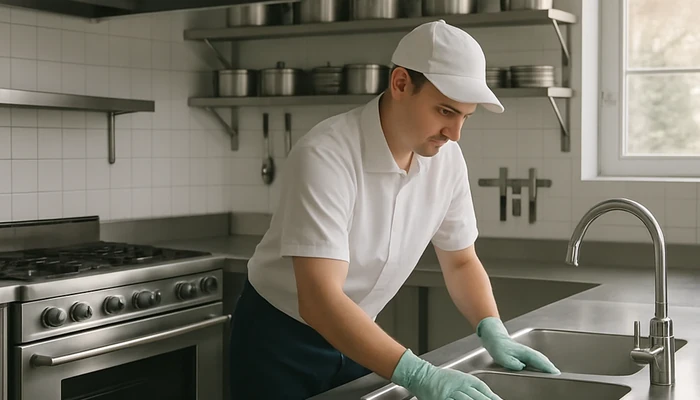
chicago cleaning service, commercial kitchen cleaning, restaurant kitchen cleaning Cleaning Services Chicago, food service cleaning Des Plaines IL, restaurant cleaning Evergreen Park IL, restaurant clean Logan Square, restaurant cleaning Bucktown, restaurant kitchen cleaning Skokie, bar and restaurant cleaning West Dundee, Burbank restaurant cleaning service