Mastering Commercial Kitchen Deep Cleaning: Standards, Steps, and Choosing the Right Professionals
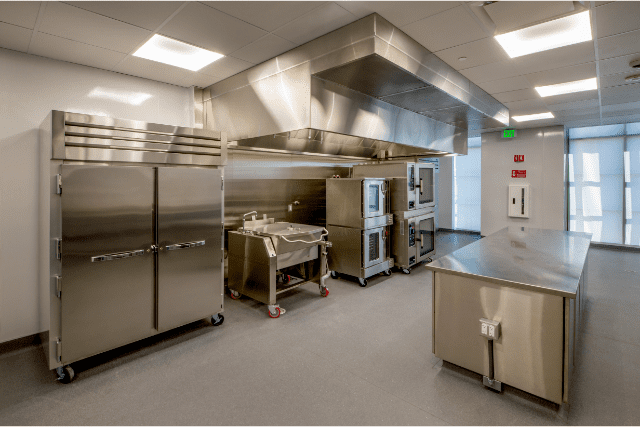
Efficient food service operations depend not just on great recipes, but on an immaculately clean kitchen. Commercial Kitchen Deep Cleaning goes far beyond a nightly wipe-down, targeting hidden grease, sanitizing high-risk areas, and protecting staff and guests from hazards. If you manage or own a restaurant, catering business, or food establishment in Chicago, ensuring the highest cleaning standards is not optional—it’s essential. This complete guide covers exactly what commercial kitchen deep cleaning means, how professional teams work, what standards to expect, and how to make the best choice for your business. By the end, you’ll confidently understand what a proper deep clean delivers and how to safeguard your kitchen, reputation, and staff.
Understanding the Scope of Commercial Kitchen Deep Cleaning
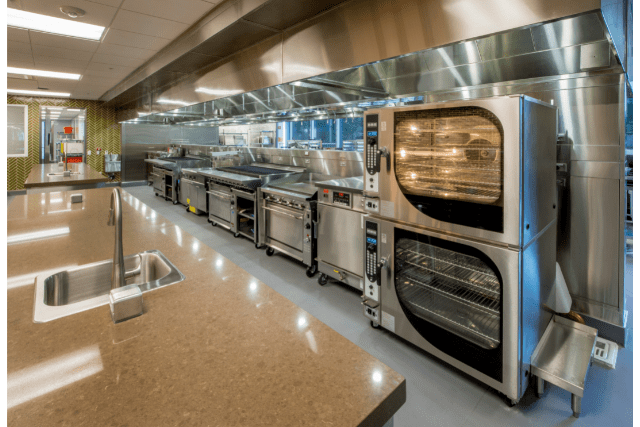
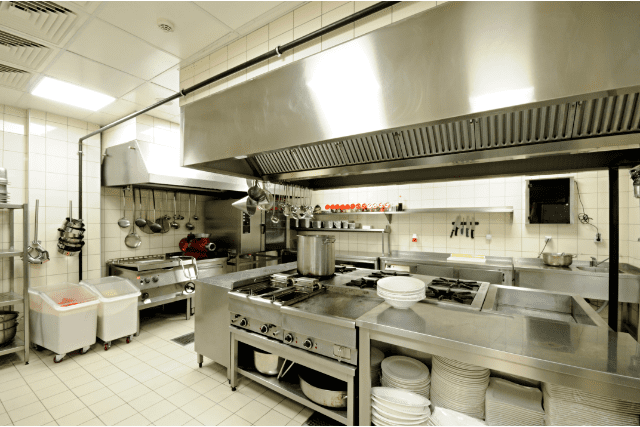
Commercial kitchens accumulate grease, food debris, and contaminants at rates much higher than home kitchens. Deep cleaning addresses all these layers, using specialized methods and equipment to reach places daily cleaning can’t. Unlike basic cleaning, this process systematically:
- Removes grease from exhaust hoods and vents
- Sanitizes food preparation surfaces, cutting boards, and counters
- Disassembles and scrubs equipment
- Degreases floors, walls, and ceilings
- Targets drains and areas prone to bacteria buildup
Professional teams follow strict protocols for sanitation and safety, ensuring compliance with local health regulations and food safety standards.
Key Differences Between Routine, Deep, and Specialized Kitchen Cleaning
| Cleaning Type | Frequency | Main Actions | Who Performs? |
|---|---|---|---|
| Routine Cleaning | Daily | Wiping surfaces, removing food debris, quick mopping | Kitchen staff |
| Deep Cleaning | Monthly-Quarterly (or as required) | Degrease hoods, scrub equipment, sanitize drains, power-wash floors and walls | Professional cleaning team |
| Specialized Cleaning | As needed | Mold/mildew remediation, post-fire or flood cleaning, pest control support | Professional specialists |
Deep Cleaning Standards: What Regulations and Codes Say
Health and safety regulations require commercial kitchens to maintain exceptional levels of cleanliness. In Chicago, the Department of Public Health, local fire codes, and food safety inspections set strict standards. Key requirements include:
- Regular degreasing of hoods, ducts, and fans to minimize fire risk
- Sanitization of all food-contact and high-touch surfaces
- Safe storage and disposal of cleaning chemicals
- Documented schedules of deep-cleaning activities
Professional cleaning companies should be familiar with the local compliance landscape and provide records upon request.
Essential Steps in a Professional Commercial Kitchen Deep Clean
- Initial Assessment
Inspect the entire kitchen, noting hidden grease, signs of pests, and areas requiring extra attention. - Preparation
Remove food ingredients, utensils, and sensitive items from cleaning zones. - Degreasing and Disassembly
Take apart grill tops, hoods, and fryer baskets; apply degreasers suitable for commercial equipment. - Detailed Cleaning
Scrub floors, walls, ceilings, and fixtures; power-wash if appropriate; clean behind and under appliances. - Sanitizing & Restoring
Apply food-grade sanitizer on all prep surfaces; allow appropriate contact time; reassemble equipment. - Final Inspection
Test for residue, check ventilation areas, and ensure all equipment operates safely.
Critical Zones: Areas Requiring Focus During Deep Clean
- Exhaust Hoods & Ducts – Major sources of hidden grease, significant fire hazard if neglected.
- Behind/Under Equipment – Traps debris, pests, and can harbor bacteria unnoticed in daily ops.
- Drainage Areas – Sludge, biofilm, and odor-causing bacteria accumulate quickly.
- Walk-in Coolers & Freezers – Door gaskets, shelving, and corners require special attention.
- Sinks and Prep Stations – Frequent cross-contamination points.
Cleaning Agents and Equipment: What Professionals Use (and Why)
Experienced companies rely on an array of powerful, food-safe cleaning agents and specialized machines:
- Degreasers: Break down stubborn fats on cooktops and vents
- Power washers and steam cleaners: Reach and sanitize nooks, crannies, and hard surfaces
- Microfiber cloths and HEPA vacuums: Remove fine particles and maximize hygiene
- Food-safe sanitizers: Ensure surfaces are safe for food prep after cleaning
It’s vital that professionals are trained to match each product to each surface, safeguarding food safety and prolonging equipment life.
Safety Protocols: Protecting Staff and Your Facility
Commercial kitchen deep cleaning involves chemicals, heavy equipment, and confined spaces. Professionals follow strict safety practices, such as:
- Wearing personal protective equipment (PPE) as recommended by OSHA
- Properly ventilating the space
- Labeling wet floors and blocked areas
- Following manufacturer guidelines for all chemical products (Diversey cleaning solutions)
- Safe disposal of used materials and contaminated water
Opting for teams that train and certify their staff in safety reduces both immediate risks and long-term liabilities.
What a Commercial Kitchen Deep Cleaning Checklist Can Look Like
- Remove all food, utensils, and equipment from cleaning zones
- Apply degreaser to cooktops, exhaust hoods, and vent covers
- Scrub grills, ovens, and fryer interiors
- Clean behind/under all kitchen appliances
- Sanitize prep surfaces, cutting boards, and sinks
- Disinfect walk-in cooler handles, shelves, and door seals
- Power-wash floors, baseboards, and tiled backsplashes
- Empty and sanitize trash/recycling bins
- Inspect for signs of pests or water leaks
- Log all completed tasks for compliance records
Common Challenges and Solutions in Commercial Kitchen Deep Cleaning
- Deep-seated grease buildup: Solutions include repeated degreasing and specialized hot steam cleaning.
- Pest activity: Address with proper sanitation and, if needed, pest control before cleaning.
- Equipment damage risk: Use only trained professionals who select products safe for specific metals/plastics.
- Disruption to business: Schedule deep cleans during off-hours or planned closures for minimal downtime.
Evaluating Commercial Kitchen Deep Cleaning Companies
Before choosing a professional cleaning team, consider asking:
- What checklists and procedures are followed?
- Are technicians trained in food safety protocols and equipment care?
- Is the company insured, and do they provide compliance documentation?
- Can they offer flexible scheduling for recurring or emergency deep cleans?
- What products and equipment do they use, and are these food-safe?
Request references, review sample reports, and ensure transparent communication around pricing and expectations. For more on what a comprehensive deep cleaning service includes, explore what’s included in deep cleaning.
Managing Commercial Kitchen Deep Cleaning Schedules for Compliance
How often should you schedule a full kitchen deep clean? Frequency depends on:
- Type and volume of food prepared
- Operational hours and foot traffic
- Inspection schedules and compliance deadlines
- Any previous occurrences of pest/mold incidents or infractions
As a rule of thumb, most kitchens benefit from monthly or quarterly professional deep cleaning. For details on setting a cleaning calendar and reminders, see Annual Cleaning Tasks to Plan.
Kitchen Hygiene Risks: What’s at Stake If Deep Cleaning Is Neglected?
- Foodborne illness outbreaks from bacterial buildup
- Fire hazards due to grease-clogged exhaust systems
- Pest infestations from crumbs and residue in hidden areas
- Equipment breakdowns reducing efficiency and requiring costly repairs
- Loss of health permits, fines, or business closure from failed inspections
Proactive deep cleaning maintains both product quality and business reputation.
Preparing Your Team for a Scheduled Deep Clean
Get the most from a professional deep clean by taking a few advance steps:
- Notify all kitchen staff of the schedule to avoid work conflicts
- Clearly label items to keep versus those to be cleaned or disposed
- Move perishable inventory out of affected areas
- Arrange access for cleaning teams and ensure proper ventilation
- Review safety protocols for anyone present
The Benefits of Partnering with Trained Kitchen Cleaning Professionals
Working with experts provides:
- Assurance of food-safe, compliant procedures
- Use of appropriate degreasers, sanitizers, and protective gear
- Efficient, thorough results – reducing business downtime
- Clear records to prove compliance to inspectors
- Longer-lasting kitchen equipment and improved air quality
If you value reliability and attention to detail, consider using Restaurant cleaning service or Commercial cleaning options for your business.
Maintaining a Clean and Safe Commercial Kitchen Between Deep Cleans
While deep cleaning is critical, daily habits maintain hygiene between visits. Kitchen managers can:
- Conduct mini inspections for high-risk areas every week
- Enforce proper food storage practices
- Schedule regular filter and vent cleanings
- Train all staff on spotting early signs of sanitation problems
- Review and update routine cleaning checklists frequently
FAQ: Commercial Kitchen Deep Cleaning
- How long does a deep clean usually take?
Depending on kitchen size and condition, from several hours to a full day. For more insights, see How Long Should Deep Cleaning Take? - Will our kitchen need to be closed during cleaning?
Deep cleans typically occur during off-hours or scheduled maintenance windows to avoid service disruption. - What is the recommended frequency for commercial kitchen deep cleaning?
Monthly or quarterly, but adjust for traffic and inspection requirements. See frequency guidance here. - Are cleaning chemicals safe for food-prep areas?
Professional services use food-safe, regulatory-approved sanitizers and degreasers. - What records should be kept for health inspections?
Keep cleaning schedules, checklists, and before/after reports from each cleaning session. - How should we prepare the kitchen for scheduled cleaning?
Clear out perishables, label items, ensure staff is informed, and provide access to all areas. - Do professional cleaners provide certification of service?
Reputable companies supply dated, signed service reports for compliance. - Does deep cleaning reduce pest problems?
Yes, thorough sanitation and removal of hidden debris disrupt pest habitats. - Is employee safety considered during deep cleans?
Yes, teams rely on PPE and best practices per OSHA guidelines. - Can we schedule cleaning during evenings or weekends?
Most professional companies offer flexible scheduling, including nights and weekends, to minimize disruption.
Your Next Steps: Keeping Your Kitchen Compliant and Safe
Commercial kitchen deep cleaning protects your staff, your reputation, and your customers. Choosing a knowledgeable, professional team lets you focus on food, not compliance panic or emergency repairs. Ready to safeguard your operation? Explore Commercial cleaning options or Restaurant cleaning service to plan your next deep clean with confidence.
About Quick Cleaning
Quick Cleaning provides professional, reliable cleaning solutions for households and businesses in Chicago, Illinois, and nearby areas. Our trained teams excel at recurring house cleaning, commercial deep cleans, move-out cleaning, and specialized facility services. We follow strict checklists, use professional-grade products, and ensure transparent communication for long-term client satisfaction. Trust Quick Cleaning for all your residential and commercial cleaning needs.
products, cleaning services, deep cleaning, deep cleaning services, deep cleaning in Bucktown, best deep cleaning Riverwoods IL, best deep cleaning Cicero IL, deep house cleaning South Holland, home deep cleaning Markham, deep house cleaning Bolingbrook IL, deep cleaning in Crystal Lake IL