Mastering the Art of Cleaning Your Microwave: Professional Standards, Techniques, and Expert Hygiene Insights
Microwaves are kitchen workhorses, but anyone who’s reheated a bowl of chili knows they can get grimy fast. Whether you’re a homeowner, Airbnb host, office manager, or someone simply committed to a cleaner home, learning how to clean a microwave thoroughly is essential. In this guide, you’ll discover methods trusted by professional cleaners, comparison of cleaning solutions, expert safety protocols, proven checklists, and strategies for every level of mess. Maintain impeccable appliance hygiene, prevent cross-contamination, and know when DIY cleaning is enough—and when to call in the experts. Let’s demystify microwave cleaning so your kitchen shines every day.
Understanding Why a Clean Microwave Matters in Home and Work Environments
- Health and Safety: Reduce germs, bacteria, and cross-contamination risks, critical in communal kitchens and offices.
- Performance: Food debris and stains can cause odors, uneven heating, and even fire hazards if left unchecked.
- Longevity: Regular cleaning prevents buildup that could damage the appliance, protecting your investment.
Busy Chicago kitchens—whether in homes, offices, or rental properties—see heavy microwave use. That’s why a high standard of cleanliness is invaluable.
Preparation Steps: What You Need Before Cleaning Your Microwave
- Soft, non-abrasive cloths or microfiber towels
- Non-scratch sponge
- Mild dish soap
- Distilled white vinegar or lemon (for natural cleaning)
- Baking soda (for stubborn stains or odors)
- Spray bottle (optional)
- Protective gloves (see OSHA safety guidance on protective equipment)
Unplug the microwave for safety, especially when cleaning interior components. Remove the glass turntable and roller ring for separate washing. Prepare your cleaning solutions and keep the area ventilated.
Core Methods: Professional Techniques to Clean Every Microwave
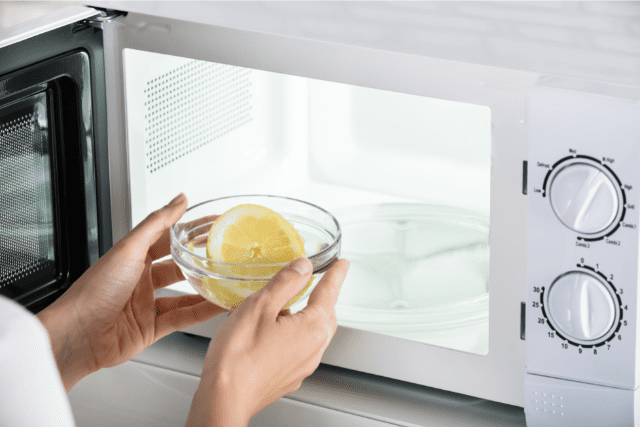
- Steam Cleaning (Lemon/Vinegar): Place a microwave-safe bowl with water and lemon slices or white vinegar. Heat on high for 3–5 minutes. Let sit for several minutes so steam loosens grime. Wipe interior.
- Soap and Water: Use a damp, soapy sponge or microfiber to clean surfaces. Rinse with plain water to prevent residue.
- Baking Soda Paste: For tough stains, apply a paste (mix of baking soda and water); let sit; scrub gently; wipe away with a clean, damp cloth.
- Commercial Microwave Cleaners: Choose only food-safe products and follow manufacturer’s instructions
Always avoid harsh abrasives or chlorine-based cleaners; these can scratch surfaces or damage microwave interiors.
Comparing Popular Microwave Cleaning Methods: Pros, Cons, and Ideal Uses
| Method | Best For | Pros | Cons |
|---|---|---|---|
| Steam with Lemon/Vinegar | General dirt & odors | Natural, deodorizes, easy on surfaces | May need more for deep-set stains |
| Baking Soda Paste | Stubborn stains | Non-toxic, effective abrasive | Requires additional scrubbing |
| Dish Soap & Water | Routine cleaning | Safe, quick, accessible | May miss odors |
| Commercial Cleaner | Heavy build-up | Potent, time-saving | Must check food safety and ventilation |
Select your method based on the mess—and always test unfamiliar products on a small area first.
Step-By-Step Checklist: Cleaning Your Microwave Like a Pro
- Unplug the appliance for safety.
- Remove the turntable and accessories. Soak in warm, soapy water.
- Steam with lemon or vinegar: Microwave the bowl for 3–5 minutes, let it sit closed for a few minutes to allow the steam to break down residue.
- Wipe interior: Use a damp, soft cloth to loosen debris from the ceiling, walls, and base.
- Scrub stubborn stains: Apply baking soda paste as needed, scrub gently, then wipe clean.
- Clean the door and seals: Food splatters gather around edges—use a damp sponge and check for remaining residue.
- Exterior: Wipe display, buttons, and handles with a soapy cloth, then a damp cloth to remove soap residue. Dry immediately.
- Replace the turntable and plug in the appliance.
Tip: Weekly wipe-downs help avoid deep cleaning marathons and extend appliance life.
Addressing Stains, Rust, and Lingering Odors: Advanced Tactics
- Stains: Use repeated steam treatments and baking soda paste. For persistent stains, professional services may be necessary.
- Rust: If rust spots appear, discontinue use and seek maintenance advice. Rust can indicate internal damage, especially on the interior cavity.
- Odors: Place a bowl with a tablespoon of baking soda or activated charcoal in the unused microwave overnight.
When issues don’t resolve after a deep clean, consider consulting a professional or replacing older appliances.
Cleaning the Microwave Turntable and Accessories
- Remove the turntable and roller ring with care.
- Wash with hot, soapy water; non-abrasive side of the sponge.
- Let dry thoroughly to prevent mildew or odor buildup.
- Inspect for chips or cracks.
For Chicago businesses or shared facilities, regular accessory cleaning is key to food safety compliance.
Best Practices for Cleaning Commercial Microwaves
- Increase cleaning frequency—consider daily wipe-downs for shared spaces.
- Use color-coded cloths to avoid cross-contamination.
- Check local health regulations for minimum cleaning standards in offices, restaurants, and schools.
- Document when the microwave was last cleaned as part of workplace protocols.
Professionally managed cleaning, such as Office cleaning service or Schedule Restaurant cleaning, can help businesses create hygienic kitchens and break areas.
Safer, Chemical-Free Alternatives for Sensitive Environments
Natural solutions benefit households with kids, pets, or allergies. Steam cleaning with lemon or vinegar is free from artificial fragrances and strong chemicals. For tips on minimizing toxins and allergens, see Eco-friendly house cleaning tips or chemical-free cleaning benefits.
What to Avoid: Common Microwave Cleaning Mistakes
- Never immerse the microwave or its electrical components in water.
- Avoid harsh scouring pads or steel wool—these scratch and erode surfaces.
- Don’t ignore the door seals; hidden grime here leads to smells and inefficiency.
- Avoid overly wet cloths, which may drip into electric controls.
- Steer clear of bleach or products not labeled food-safe.
For an appliance-specific mistake checklist, explore expectations from home cleaning services.
How Often Should You Clean a Microwave?
- Light use at home: Wipe weekly, deep clean monthly.
- Shared office or commercial kitchen: Surface clean daily, full deep clean each week.
- After spills/splatter: Clean immediately to prevent stubborn residue or odor.
Use a visual inspection and sniff test—never let food remain on surfaces for more than a few days. For routine task planning, check the house cleaning schedule resource.
Spotlight: Hygiene and Safety Protocols for Appliance Cleaning
- Always unplug the microwave before internal cleaning.
- Wear protective gloves, especially when handling strong solutions (review OSHA guidance).
- Ventilate areas well when using commercial cleaners.
- Rinse all surfaces thoroughly to prevent chemical transfer to food.
- Check for manufacturer’s specific cleaning recommendations in the manual.
Assessing When to Call a Professional Cleaner for Your Microwave
- Recurring odors or stains after home cleaning efforts
- Visible mold, rust, or electrical issues
- Heavy usage in shared or commercial spaces (offices, daycares, rental properties)
- Uncertainty about safe cleaning products or protocols
If in doubt, professionally trained teams like Quick Cleaning uphold food safety, insurance, and quality standards for all appliance cleaning tasks.
Custom Cleaning Solutions: Comparing Microwave Materials and Brand Nuances
- Stainless Steel Microwaves: Use a damp cloth; dry promptly to avoid streaks. For appliance-specific tips, see the stainless steel cleaning guide.
- Plastic Interiors: Avoid high heat—steam on moderate settings; test baking soda in corners for sensitivity.
- Older/Delicate Models: Skip abrasive pastes. Use mild soap and gentle action only.
Always consult your appliance manual before using unfamiliar cleaning products or protocols.
Deep Cleaning After Heavy Spills, Smoke, or Fire Incidents
- Let the microwave cool completely after heavy use, smoke, or sparks.
- Wear gloves and ventilate the area.
- Remove all loose debris. Open the microwave and clean all removable surfaces separately.
- Steam clean repeatedly, with breaks for odor dissipation.
- If persistent discoloration or burnt smell remains, replacement or professional cleaning is advisable.
For guidance in advanced deep cleaning needs, Deep cleaning services may be suitable for restoring communal appliances.
The Professional Difference: How Trained Cleaners Approach Microwave Hygiene
- Strict adherence to safety and food safety protocols
- Systematic checklists to ensure every surface (including vents and edges) is addressed
- Knowledge of compatible cleaning products for unique appliance finishes
- Use of eco-friendly, industry-approved solutions where possible
- Clear post-cleaning inspection and documentation when required for facility standards
This attention to detail, consistency, and hygiene is why many busy Chicago facilities trust recurring cleaning teams.
Cleaning Your Microwave as Part of Whole-Kitchen Hygiene
- Coordinate microwave, sink, and countertop cleaning for efficient routines. See kitchen sink cleaning for more tips.
- Always use separate cleaning cloths for appliances and raw food prep areas to avoid cross-contamination.
- Sanitize high-touch areas such as handles, buttons, and nearby light switches.
Checklist: Quick Cleaning’s Microwave Maintenance Plan
- Daily: Wipe visible residue inside and out, check for odors.
- Weekly: Deep clean interior and turntable, clean handle, inspect for stains or damage.
- Monthly: Steam clean, check seals and vent area; document date of last deep clean (recommended in offices and Airbnb rentals).
Frequently Asked Questions about Cleaning Microwaves
- What is the fastest way to clean a microwave?
- Steam cleaning with lemon or vinegar for 3–5 minutes, followed by a quick wipe-down, effectively loosens most food splatters.
- Can you use bleach or glass cleaner inside a microwave?
- Bleach is too harsh, and glass cleaners often contain chemicals not rated as food-safe. Stick with mild soap, vinegar, or purpose-made cleaners approved for appliance use.
- How do you remove burnt smells from the microwave?
- Steam clean with lemon or vinegar, then place baking soda or activated charcoal inside overnight. Persistent odors may mean deeper internal residue or require professional cleaning.
- Is it safe to clean a microwave with baking soda?
- Yes, as long as you rinse all surfaces thoroughly. Baking soda is a safe, mild abrasive for most interiors.
- How do professionals approach microwave cleaning differently?
- Professionals follow strict checklists, use food-safe/eco-friendly products, wear PPE for safety, and thoroughly inspect for hidden residue or damage.
- Are there risks in cleaning a microwave while plugged in?
- Yes, always unplug before internal cleaning to prevent shocks, especially when using damp cloths or liquid cleaners.
- How often does a shared office microwave need a full clean?
- Ideally, at least once per week, with daily spot-cleaning. Heavy use may require more frequent cleaning.
- Can professional cleaning solve tough microwave odors?
- Yes, advanced cleaning processes and odor-neutralizing products often resolve even persistent issues.
- Why does the microwave’s turntable sometimes smell even after cleaning?
- Odors may linger from porous materials or trapped residue under the rollers. Soak, air dry, or replace if odors persist.
- Should you clean your microwave after every use?
- Immediate cleanup after spills or splatters is best. General wipe-downs after every few uses keep buildup at bay.
Final Thoughts: Maintain a Cleaner, Safer Microwave Every Day
A clean microwave is more than an aesthetic win—it’s about hygiene, efficiency, and appliance longevity. With the right preparation, safe products, and routine, every household and workplace can maintain a standard of cleanliness that rivals professional results. For situations beyond DIY, where deep set stains, frequent commercial use, or uncertainty about safe cleaning practices arise, booking a cleaning professional keeps standards high and risks low.
About Quick Cleaning
Quick Cleaning specializes in residential and commercial cleaning campaigns across Chicago, Illinois. Our experienced, trained teams tackle recurring house cleaning, deep cleaning, move out cleans, office hygiene, and special facility projects with consistent protocols, eco-friendly products, and diligent attention to detail. We’re committed to transparent service, flexible scheduling, and long-term client relationships—helping homes, offices, businesses, and Airbnb rentals maintain spotless, healthy environments. Quick Cleaning helps households and businesses in Chicago, Illinois and nearby areas keep their spaces clean and healthy.
chicago cleaning company, monthly house cleaning, house cleaning chicago, house clean service Skokie, house cleaning company Riverside, house cleaning Libertyville IL, house clean service Glenview, Hillside house cleaning, house cleaning company Itasca IL, Wood Dale house cleaning