How To Clean Aluminum Easily: Professional Methods, Tools, and Safety Explained
Aluminum is everywhere – from kitchen pans and appliances to window frames, furniture, and more. Understanding how to clean aluminum easily can make all the difference when you want surfaces to last, look great, and stay free of unsightly stains or corrosion. Whether you’re a homeowner, Airbnb host, or business owner researching cleaning services, this comprehensive guide brings clarity to aluminum cleaning. You’ll learn the science behind aluminum care, expert-approved cleaning techniques, what cleaning solutions to use (and which to avoid), and safety protocols observed by professionals. Quick Cleaning offers insight into how trained technicians deliver safe, lasting results for residential and commercial spaces – and how you can maintain that shine in between professional visits.
Understanding Aluminum: Properties, Common Uses, and Cleaning Challenges
Aluminum’s popularity comes from its light weight, strength, and resistance to rust. You’ll find it in cookware, window frames, doors, outdoor furniture, bikes, electronics, and more. But aluminum oxidizes quickly, which causes dull gray spots or white corrosion (aluminum oxide) to form on the surface. Understanding these properties helps you select cleaning methods and products that preserve finish and functionality.
- Heat resistance: Withstands high temperatures, making it ideal for cookware and appliances.
- Prone to oxidation: Oxidation appears as white, chalky patches.
- Scratch risk: Soft, can be scratched by abrasive pads or harsh chemicals.
Caring for aluminum means balancing cleaning effectiveness with the need to avoid damage.
Checklist: Preparing to Clean Aluminum Surfaces
Before you get started, assemble the right supplies and create a safe work area. Here’s a practical checklist followed by preparation steps:
- Identify if the item is pure aluminum or anodized/coated.
- Gather soft sponges, microfiber cloths, soft-bristle brushes.
- Pick approved cleaning agents (dish soap, vinegar, baking soda, or specialty aluminum cleaners).
- Use gloves to protect skin from oxidized residue or cleaning products.
- Be sure the workspace is well-ventilated.
- Test any cleaning product on a corner before applying widely.
Step-by-Step: How To Clean Aluminum Easily Without Causing Damage
Follow this no-fail sequence for everyday cleaning to deep refreshes, suitable for housewares and fixtures alike:
- Remove loose debris: Wipe away dust with a dry microfiber or soft cloth. Never use abrasive pads.
- Wash with mild dish soap: Mix a few drops with warm water. Wipe or gently scrub the surface. For cookware, soak if needed, but don’t leave for hours.
- Treat stains gently: For discoloration, use a paste of baking soda and water. Apply with a soft sponge, rub gently, rinse thoroughly.
- Rinse and dry: Leftover water can cause spots. Rinse well and dry with a clean cloth.
- Restore shine (advanced): Occasionally, use a half lemon sprinkled with salt or a specialty aluminum polish for stubborn dullness. Test first if anodized.
Comparison: Everyday Aluminum vs. Anodized or Coated Aluminum
| Type | Common Uses | Cleaning Method | What to Avoid |
|---|---|---|---|
| Regular Aluminum | Pots, pans, utility items | Mild dish soap, baking soda, soft sponge | Abrasive pads, bleach, strong alkalis |
| Anodized Aluminum | Bakeware, electronics, premium window frames | Mild soap, water only. No acids. | Lemon, vinegar, harsh scrubbing |
| Coated Aluminum | Outdoor furniture, appliances | Gentle soap, soft cloth, non-corrosive products | Abrasives, citrus, aggressive cleaners |
Always check the manufacturer’s care label for best results.
When and How Often Should You Clean Aluminum Items?
Cleaning aluminum too often with harsh agents risks wear, but leaving stains untreated can lead to permanent discoloration. Here are general guidelines:
- Kitchenware (pots, pans): After every use. Avoid soaking for long periods.
- Window frames/doors: Wipe monthly, deep clean seasonally.
- Outdoor furniture: Clean at the start and end of patio season, and as needed after storms or spills.
- Fixtures/handles: Weekly wipe-down helps reduce grime.
Frequency depends on use, exposure, and environmental factors – homes with pets or high humidity may require more attention, while rarely-used items need only seasonal care.
Cleaning Aluminum in Professional Settings: Quick Cleaning’s Protocols
At Quick Cleaning, trained teams follow a proven protocol for cleaning aluminum safely, especially in commercial and high-traffic settings throughout Chicago, Illinois:
- Always assess the material for finish and prior damage.
- Use non-abrasive, commercial-grade cleaning agents suited for aluminum.
- Clean all high-touch surfaces: door handles, appliance trims, and frames.
- Spot-test on inconspicuous areas before full application.
- Rinse and buff dry to prevent streaks or re-oxidation.
- Document and report any persistent corrosion or structural issues discovered.
For sensitive zones (like medical offices and facilities), professionals follow the latest guidance by local health departments – see this local public health resource for sanitizing and disinfection standards.
Choosing the Right Cleaning Products for Aluminum Surfaces
The right products make all the difference in preserving both shine and structure. Here’s a targeted breakdown:
- Approved for most situations: Mild dish soap, vinegar (sparingly), baking soda, proprietary aluminum cleaners, soft cloths.
- Specialty polishes: For restoring shine on uncoated aluminum surfaces.
- For professional use: Neutral pH solutions and commercial-grade aluminum polishes (used per safety data sheets).
Avoid using bleach, strong alkalis, ammonia, or alcohol-based agents, as detailed in CDC cleaning protocols for nonporous surfaces.
Removing Oxidation and Stains from Aluminum: Best Practices
Aluminum’s pesky white spots often come from oxidation, food acids, or environmental chemicals. Here’s how to tackle them without harming the surface:
- Make a light paste from baking soda and water. Apply to the stain, let sit for 3-5 minutes, then gently scrub and rinse.
- For larger or stubborn stains, consider a specialty aluminum brightener, but follow manufacturer directions strictly.
- For sinks or pans, a mix of lemon and salt may help, but only on uncoated aluminum.
- Do not attempt to sand, scrape, or use steel wool, as this can permanently scratch and degrade the aluminum.
If stains persist, a professional evaluation may be needed. Regular gentle cleaning helps prevent oxidation from becoming severe.
How to Clean Specialized Aluminum Surfaces (Windows, Furniture, Appliances)
Different aluminum objects require tailored care:
- Window frames: Dust with a soft brush, wipe with soapy water, rinse well, and dry. Clean inside frame tracks with a cotton swab or toothbrush.
- Outdoor furniture: Vacuum crevices, gently wash surfaces, rinse and let air dry. Apply a water-resistant finish (as recommended).
- Kitchen appliances: Unplug, wipe with a soapy microfiber, and buff with a clean dry cloth.
- Bicycles/electronics: Use minimal water to avoid interior damage. Always dry promptly.
Safety Considerations for Home and Workplace Aluminum Cleaning
Safety depends on both chemical use and physical handling. Checklist for safe aluminum cleaning:
- Wear gloves to protect against both detergents and oxidized residue.
- Work in a well-ventilated zone, especially with commercial cleaners or polishes.
- Avoid combining acidic and alkaline products – use one product at a time.
- Keep cleaning agents out of reach of children and pets.
- Be mindful of fumes if cleaning in confined spaces.
Follow the latest local sanitizing guidelines for public and workplace spaces.
DIY Maintenance vs. Professional Aluminum Cleaning: Making the Right Choice
Most household aluminum cleaning can be done yourself with the methods above. When should you consider a professional cleaning company?
- Heavily oxidized or stained aluminum (window frames, doors, appliances) that resists household products.
- Extensive aluminum surfaces such as in commercial kitchens, gyms, or healthcare facilities.
- When safety or health protocols demand non-residual, properly neutralized cleaning agents.
- If you want to avoid accidental surface damage or if warranty requirements specify professional care.
Professional solutions often restore the look of aluminum and prolong its lifespan, blending effective methods with health-conscious protocols recommended by the CDC.
Consider booking deep cleaning service or house cleaning for situations where aluminum fixtures need comprehensive care.
Integrating Aluminum Cleaning into Your Home’s Routine
Preventative maintenance is easier than repair. Build aluminum care into broader cleaning habits:
- Create reminders for monthly window/furniture cleaning.
- Use checklists, such as those in this helpful cleaning schedule, to ensure surfaces aren’t neglected.
- Pair aluminum cleaning with other seasonal tips found on our eco-friendly cleaning hub.
- Treat and dry spills on aluminum immediately to prevent staining.
If time is tight, or if you oversee rental properties or businesses in Chicago, consider arranging scheduled cleaning – this protects your investment and minimizes hassle.
Eco-Friendly Best Practices for Aluminum Care
Looking for greener aluminum cleaning? Avoid both unnecessary chemicals and single-use wipes:
- Choose biodegradable soaps or mild vinegar-baking soda solutions for light soils.
- Rely on reusable microfiber cloths and natural sponges, as detailed in this microfiber guide.
- Dispose of aluminum cleaning waste responsibly – never pour strong agents down the drain.
- For stubborn stains, try citrus-based eco-cleaners, but spot-test anodized/coated surfaces.
Eco-methods prioritize both your aluminum’s longevity and indoor air safety.
Expert Tips to Preserve Aluminum’s Shine and Prevent Future Issues
- Clean frequently, but always with gentle touch. Grime and food left sitting wears away protective oxide or coatings.
- Avoid stacking aluminum pots or cookware when wet to prevent stuck-on stains.
- Store items in a dry area – moisture accelerates oxidation.
- If allowed, occasionally wax large surfaces (window frames, doors) with a silicone-free aluminum polish for extra protection.
Consistent care means fewer long-term problems and less need for harsh remediation.
Aluminum Cleaning for Special Cases: Pet Owners, Allergy Concerns, and Sensitive Environments
Homes with children, pets, or allergy-prone individuals demand extra care:
- Use fragrance-free, hypoallergenic cleaning products.
- Minimize residue by always rinsing aluminum well after cleaning.
- For playgrounds or food prep spaces, stick to CDC and local guidance for safe sanitizing – see CDC surface recommendations.
- For homes with furry friends, clean aluminum food dishes and fur-prone surfaces more frequently. Our pet cleaning tips can help you adapt routines further.
If allergies are a recurring concern, consider adding HEPA filtration and regular dusting of all metallic and composite surfaces.
Frequently Asked Questions: Aluminum Cleaning Explained
Can I use vinegar to clean aluminum?
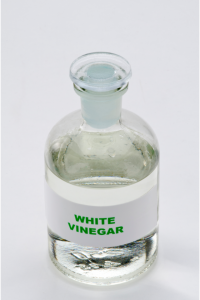
Yes, vinegar is safe for bare aluminum, but avoid it on anodized or coated items. Always dilute and rinse thoroughly to prevent etching or streaking.
What should I avoid when cleaning aluminum?
Do not use bleach, ammonia, oven cleaners, or abrasive scouring pads on aluminum. These can scratch or corrode the surface.
How do I remove black spots or pitting?
Black spots often result from food acids. Use a gentle baking soda paste to clean, and avoid harsh rubbing. If pitting persists, consult a professional.
Is aluminum dishwasher-safe?
Many aluminum items are not dishwasher-safe because the harsh detergents and high heat can discolor or warp them. Always hand-wash unless the manufacturer says otherwise.
How can I restore dull aluminum shine?
For bare aluminum, use a specialty polish or a mix of water and cream of tartar. For coated or anodized items, avoid polishes and stick to soap and water.
Can aluminum corrosion be reversed?
Minor oxidation can be cleaned away, but deep pitting or surface etching is usually permanent and requires replacement of the item.
Should I deep clean aluminum before moving out or hosting?
Yes – aluminum surfaces show stains and fingerprints, and a deep clean leaves the best impression. Schedule a move out cleaning or consult Airbnb cleaning services as needed.
Does Chicago’s weather affect aluminum in my home or office?
Absolutely – moisture and temperature swings, especially in Chicago, can speed up oxidation. Regular cleaning and drying help protect these surfaces year-round.
Is professional aluminum cleaning worth it for businesses?
Yes – for large or especially visible fixtures, such as storefront frames, kitchens, or fitness equipment, professional care delivers better and safer results, plus peace of mind with health compliance.
What’s the safest way to clean antique or decorative aluminum items?
Always test a cleaning product on an inconspicuous spot, use the gentlest method first, and avoid any acidic or abrasive products. If valuable, consult a restoration expert.
Conclusion: Keep Your Aluminum Surfaces Spotless the Easy Way
Mastering how to clean aluminum easily isn’t just about shiny appearances – it’s about lasting value, safety, and hygiene. By following the best practices in this guide, you can confidently maintain aluminum cookware, fixtures, and décor in your home or workplace. Remember to adjust frequency and methods for your unique situation, and never hesitate to contact Quick Cleaning if you need expert hands or tailored solutions for your next deep cleaning project.
About Quick Cleaning
Quick Cleaning is a trusted residential and commercial cleaning company based in Chicago, Illinois. Specializing in recurring house cleaning, deep cleaning, move out cleaning, office cleaning, and special facility cleaning, our trained staff use professional products, careful protocols, and thorough checklists to deliver consistent results. We’re committed to clear communication and long-term relationships, helping households and businesses keep their spaces clean, healthy, and welcoming year-round.
cleaning service chicago, professional house cleaning, house clean in chicago, Elgin house cleaner, house cleaning Norridge IL, North Riverside house cleaner, house cleaning company Morton Grove IL, Lake Forest house cleaner, house cleaning Matteson, house cleaning Westmont IL