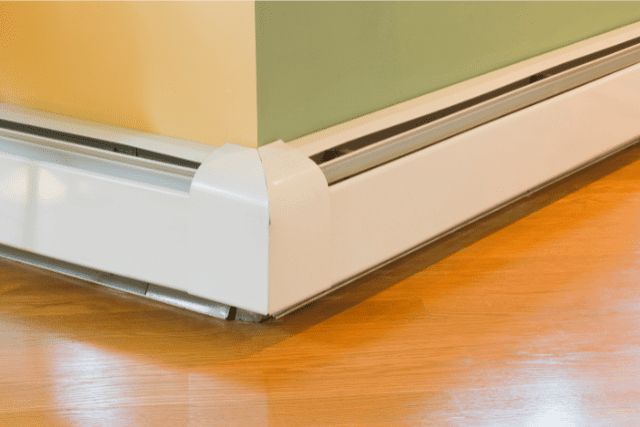
How To Clean Baseboards Like a Pro: Complete Steps & Expert Tips
If you’re looking to keep your space immaculate, mastering how to clean baseboards is a must. These often-overlooked surfaces gather dust, pet hair, and dirt over time, dulling the appearance of any room—whether it’s your home, office, or a commercial property. In this in-depth guide, you’ll learn the exact techniques, supplies, and decision points professionals use to maintain spotless baseboards, plus practical checklists, comparison of tools and cleaning solutions, and advice on frequency. Quick Cleaning shares trustworthy strategies designed for residents and businesses across Chicago and beyond.
The Importance of Clean Baseboards in Homes and Workplaces
Baseboards do more than frame your floors—they’re a key part of any well-kept interior. Ignoring them can lead to stubborn grime, allergens, and a less inviting environment. In high-traffic settings like entryways, kitchens, offices, retail shops, or apartment rentals, dirty baseboards can even affect first impressions or property value. Regular baseboard cleaning supports overall hygiene, reduces dust buildup, and complements other deep cleaning tasks. Neglect can allow permanent stains or microbial growth, which is especially important to avoid in facilities caring for children, food, or medical equipment.
What Supplies and Tools Are Best for Baseboard Cleaning?
- Soft microfiber cloths – Won’t scratch paint or wood
- Vacuum with brush attachment – Dislodges and lifts dust
- Bucket of mild soapy water – Safe for painted and wood surfaces
- Cotton swabs/toothbrush – Reaches groove and trim details
- Magic erasers or non-abrasive sponges – Tackles tough marks
- Extendable duster – Ideal for hard-to-reach spots
- Protective gloves – For chemical use or sensitive skin
- Surface-appropriate cleaner – (Eco-friendly options available for allergy-sensitive spaces.)
Professional cleaning companies like Quick Cleaning select their supplies based on surface type (painted wood, MDF, vinyl, etc.), level of soiling, and safety needs. Always test cleaning products on a small, inconspicuous area first.
Preparation: Clearing the Area for Efficient Baseboard Cleaning
- Move furniture and rugs from along the wall.
- Vacuum or sweep floors to prevent dust getting on freshly cleaned trims.
- Pull back curtains or blinds for clear access.
- Lay down a towel if cleaning with moisture to protect floors.
Preparation prevents water damage, speeds up the process, and allows you to spot any needed repairs, like scuffs or chipped paint, on your baseboards.
Step-By-Step Guide: How To Clean Baseboards Properly
- Dust Thoroughly: Run an extendable duster or vacuum with a brush attachment along the length of each baseboard.
- Wipe With Damp Cloth: Use a slightly damp microfiber cloth dipped in mild soapy water, wringing out excess moisture to avoid drips.
- Detail the Crevices: For grooves or corners, use a soft toothbrush or cotton swab.
- Tackle Stubborn Spots: Apply a bit more pressure with a sponge or a magic eraser, being gentle not to remove paint.
- Dry Immediately: Wipe with a dry, soft towel to prevent moisture stains.
This process minimizes streaks and keeps both painted and wooden baseboards looking their best.
Baseboard Cleaning for Different Materials: Tips and Cautions
| Material | Recommended Cleaner | Precautions |
|---|---|---|
| Painted Wood | Mild soap and water (no abrasives) | Test for colorfastness; avoid soaking edges |
| Stained/Sealed Wood | Wood cleaner/polish | No excessive moisture; buff dry |
| Vinyl/PVC | Gentle multipurpose cleaner | Avoid harsh solvents |
| MDF (Medium Density Fiberboard) | Lightly damp cloth only | Do not over-wet, prone to swelling |
- For historic or decorative trims, opt for the gentlest method first.
- If removing crayon, grease, or mysterious stains, try a baking soda paste (but rinse thoroughly).
For more on choosing safe products, see our post Are All House Cleaning Products Safe to Use?
How Often Should You Clean Your Baseboards?
The right frequency depends on lifestyle, climate, and space use:
- Homes with pets or children: Every 2–4 weeks
- High-traffic office or retail: Weekly or bi-weekly
- Standard residential spaces: Once a month
- Before/after special events or rental turnovers: as part of deep cleaning
Consistent cleaning prevents stubborn buildup and fits into long-term maintenance for homeowners and property managers. In facilities like daycare, medical clinics, or restaurants, regulations may require even stricter schedules (see Medical Office Cleaning Service).
Deep Cleaning vs. Maintenance Cleaning: What’s the Difference for Baseboards?
- Maintenance Cleaning: Regular removal of surface dust and light dirt.
- Deep Cleaning: Includes stain removal, attention to corners, behind furniture, and addressing signs of mildew or grease buildup.
Deep cleaning is recommended seasonally or during move-outs/renovations, and should be part of your house cleaning schedule. Maintenance cleaning prevents the need for harsh chemicals or repainting later.
Checklists: Supplies and Steps for Baseboard Cleaning in Different Settings
Residential Checklist
- Vacuum, microfiber cloth
- Bowl of mild soapy water
- Non-abrasive sponge/eraser
- Soft towel for immediate drying
Commercial & Office Checklist
- Commercial-grade duster/vacuum
- Extendable handles for long corridors
- Cleaning products approved for workplace allergens
- Procedure for moving obstacles (workstations, trash bins, etc.)
For facility-specific needs, such as spas or retail, consult with cleaning experts or see Commercial Cleaning Service.
Evaluating Cleaning Products: Eco-Friendly and Traditional Options
- Natural cleaners (like vinegar or plant-based solutions) are great for sensitive homes and contribute to sustainability—see the EPA’s advice on safe product use.
- For tough jobs, dilute professional-grade products with clear label instructions.
- Never mix ammonia-based and bleach cleaners.
Remember: What is effective for one baseboard might damage another, so always match the product to your material.
Addressing Special Challenges: Stains, Odors, and Damage
Removing Scuff Marks & Shoe Prints
- Use a magic eraser or baking soda paste on painted wood.
- For stubborn marks, apply minimal pressure to avoid finish removal.
Tackling Grease (Especially in Kitchens)
- Degreasing sprays approved for your baseboard type can help.
- Follow with a damp cloth and dry thoroughly.
Eliminating Odors
- Odors may signal mildew; treat with a gentle vinegar solution but avoid soaking, especially on MDF.
Repairing Damaged Sections
- Minor chips can be sanded and touched up with matching paint.
- Water-damaged or warped boards may require replacement.
Pro Tips for Tricky Spots: Corners, Behind Furniture, and Stairs
- Use an old sock over a yardstick to reach behind tight spots.
- Angle a handheld vacuum nozzle into stair corners.
- Spot check for grime in entry areas where shoes collect debris.
Focus on high-touch and hard-to-see spots during each session. For busy property managers or Airbnb hosts, including these areas in turnover cleaning makes a real difference (Airbnb Cleaning Service).
Comparing DIY vs. Professional Baseboard Cleaning
- DIY cleaning is cost-effective and suitable for regular touch-ups. However, it may be less efficient in large homes, offices, or for deep cleaning after construction/flood events.
- Professional teams bring specialized equipment, strict checklists, and surface-specific knowledge, increasing safety and efficiency—ideal for busy schedules or facilities with stricter hygiene needs.
If you struggle to remove long-standing stains or can’t dedicate time, consider consulting with a trusted local company.
Integrating Baseboard Care Into Your Overall Cleaning Strategy
Baseboard cleaning shouldn’t be a last-minute afterthought. Instead, schedule it as part of your overall routine—alongside wiping surfaces, dusting vents, and washing floors. Use checklists to ensure consistency and accountability in rental properties, offices, or during seasonal deep cleans. For more on structuring your routine, see our House Cleaning Schedule and How to Clean a Home Evenly.
Health and Safety Precautions When Cleaning Baseboards
- Always ventilate the area when using chemicals.
- Wear gloves if you have sensitive skin or allergies.
- Ensure liquids don’t pool at the base of walls to prevent water damage.
- Use step stools carefully when reaching high spots—never stand directly on a chair or unstable surface.
- Secure cords and move tripping hazards before starting.
Responsible safety practices protect both people and property during any cleaning campaign.
How Professional Cleaning Companies Ensure Spotless Baseboards
Companies like Quick Cleaning customize baseboard cleaning for each client, using checklists to guarantee coverage. Teams are trained to identify stains, avoid cross-contamination, and use EPA-recommended products when possible. Communication about any issues (e.g., suspected mildew, loose trims, or persistent stains) is shared transparently with property owners or managers.
- Detail cleaning every 6–8 weeks (or as requested)
- Quality checks on completion
- Clear pricing and feedback channels for client satisfaction
To include deep cleaning or specialized services in your maintenance plan, reach out for Deep Cleaning Services.
Eco-Friendly Strategies and Sustainable Practices
Many Chicago cleaning teams prioritize greener practices, such as reducing disposable wipes, using re-usable microfiber cloths, and minimizing chemical runoff. For tips on a more eco-friendly routine, see our Eco-Friendly House Cleaning Tips. You can also learn more about sustainable approaches in facilities via the International Code Council’s guidance on building maintenance.
When to Schedule a Professional Deep Clean for Baseboards
- After a renovation or major weather event
- Before listing properties for sale or rent
- During seasonal refreshes (spring/fall)
- In commercial settings with visible grime
Outsourcing deep cleans saves time, ensures consistent results, and supports longer-term property value.
Frequently Asked Questions About Baseboard Cleaning
- What’s the fastest way to clean baseboards in a large area?
- Use a vacuum with an extended brush, followed by a broad microfiber mop dampened with gentle cleaner. Work methodically around each room for efficiency.
- Is vinegar safe for all baseboards?
- No—while diluted vinegar is safe for most painted/base surfaces, it can damage unfinished wood or MDF. Always spot test first.
- Can baseboards be disinfected?
- Yes, but use surface-safe disinfecting wipes or sprays, and avoid soaking to prevent water damage—important in medical or childcare settings.
- How do I prevent dust from sticking to baseboards?
- Dust regularly and run a dryer sheet along the surface; this can reduce static and repel dust buildup for a few weeks.
- Are there any tools to help avoid bending or kneeling?
- Extendable dusters, baseboard-cleaning mops, and flexible vacuum attachments can reduce strain, making the job easier for everyone.
- Should I clean baseboards before or after floors?
- Clean your baseboards before mopping, so you can pick up any drips/dust that fall to the floor during baseboard cleaning.
- How do professionals handle baseboards in sensitive environments?
- Professionals use certified products for allergy- or immune-sensitive settings, wear gloves, and schedule at off-peak hours when needed.
- What should I do if I see mold on my baseboards?
- Address underlying moisture sources, clean small spots with vinegar/water solution, but consult a remediation specialist for extensive growth.
- How long does a professional baseboard cleaning take?
- For an average home, 45–90 minutes; commercial spaces vary by size/complexity. Deep cleaning may add additional time.
- Do I need to remove furniture for professional cleaning?
- Moving small items helps access, but cleaners can usually work around larger pieces safely and efficiently.
Summary and Next Steps
Clean baseboards make a striking difference in how fresh and well-kept your space feels—whether it’s your family home, apartment, office, or business. By using the right supplies, following a proven process, and keeping cleaning a regular habit, you’ll reduce allergens, protect finishes, and enjoy a more inviting environment. If you’re managing multiple units, a busy workplace, or specialized facility, bringing in seasoned professionals ensures both consistency and peace of mind. For more ways to step up your cleaning, explore our related resources or connect with Quick Cleaning directly.
About Quick Cleaning
Quick Cleaning is a trusted Chicago-based company specializing in residential and commercial cleaning services. Their highly trained teams handle everything from recurring house cleaning and deep cleans to move-outs, office cleaning, and specialized facility care. With a focus on transparent pricing, flexible scheduling, and consistent quality standards, Quick Cleaning helps households and businesses in Chicago, Illinois, and nearby areas maintain healthy, welcoming spaces. The company uses professional products matched to each surface and emphasizes attention to detail in high-touch zones for your peace of mind. For reliable results and excellent customer support, count on Quick Cleaning to elevate your environment.
cleaning product, chicago cleaning services, best house cleaning chicago, biweekly house cleaning, best house cleaning Forest Park IL, house cleaning company Elmhurst, house cleaning in Palos Hills, house cleaning in Bradley IL, best house cleaning Lockport, house cleaning company Dundee IL, house clean in Lake Villa IL