Expert-Backed Ways To Remove Grease At Home: Full-Scale Guide
Grease can quickly turn home cleaning into a serious challenge, especially on kitchen surfaces, fabrics, and appliances. Whether you’re a homeowner, tenant, or property manager in Chicago, knowing the proven ways to remove grease at home will save you time, protect your belongings, and create a healthier space. This comprehensive guide breaks down the key methods, step-by-step processes, product decisions, and professional insights to handle every common grease problem safely and thoroughly. You’ll find checklists, science-backed tips, and a framework for deciding when calling in experts like Quick Cleaning is your best choice. Let’s make grease removal manageable and effective for your home or workspace.
Understanding How Grease Accumulates in Homes and Offices
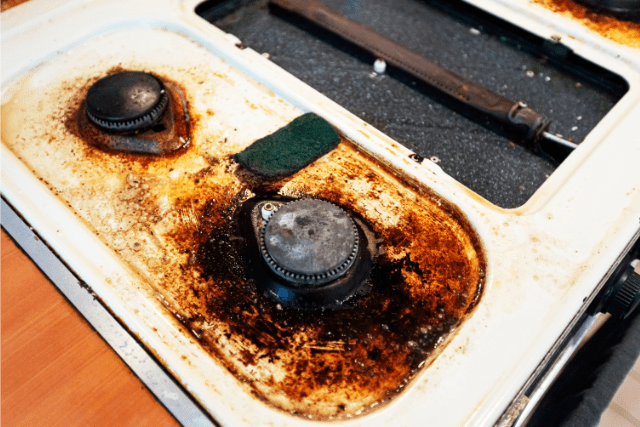
Grease is more than just a kitchen issue. It forms from cooking oils, motor lubricants, skin oils, and even airborne particles that settle onto various surfaces. Over time, these residues can harden, attract dust, and become stubbornly resistant to ordinary cleaning. In high-traffic spaces like rental properties, restaurants, or shared office kitchens, grease build-up happens faster and can trigger hygiene and safety concerns if left unchecked. Recognizing where and how grease accumulates is the first step toward addressing it efficiently.
- Common grease hotspots: Kitchen counters, stovetops, oven hoods, backsplashes, cabinet doors, laundry appliances, upholstery, and hard floors.
- Hidden grease zones: Ceiling fans, light switches, doorknobs, under appliances, and HVAC vents.
Identifying Different Types of Household Grease
All grease isn’t equal. The effectiveness of cleaning methods depends on understanding what type you’re dealing with:
- Cooking fats: Animal- and plant-based oils that stick to surfaces, becoming sticky over time.
- Industrial lubricants: More common in garages or workspaces, these require different removal agents.
- Skin and body oils: Collect on fabrics, upholstery, and high-touch surfaces.
Each type reacts differently to solvents and surfactants, so tailor your approach for best results.
Science Behind Degreasing: Why Grease Is So Hard to Remove
Grease molecules repel water and bond strongly to surfaces, making them stubborn for standard cleaners. Effective removal usually requires:
- Surfactants (in dish soaps and degreasers) to emulsify fats
- Heat to loosen and liquefy grease residues
- Mechanical agitation (scrubbing or wiping) to lift grease away
For DIYers and professionals, understanding these mechanisms is key to choosing the right products, tools, and techniques for each scenario.
Essential Tools and Products for Grease Removal
Assembling an effective cleaning kit can vastly improve your outcomes and reduce time spent scrubbing. Quick Cleaning recommends having these essentials on hand:
- Degreasing dish soap (preferably Safer Choice certified)
- Multi-purpose degreaser (read label for surface compatibility)
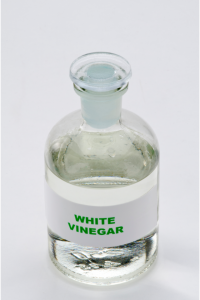
- Baking soda and white vinegar (for DIY solutions)
- Microfiber cloths and non-abrasive scrub pads
- Soft-bristle brushes for texture surfaces
- Protective gloves and adequate ventilation
Refer to the EPA Safer Choice database for certified safe, effective cleaning products appropriate for your home.
Key Steps: Removing Grease from Kitchen Surfaces Safely
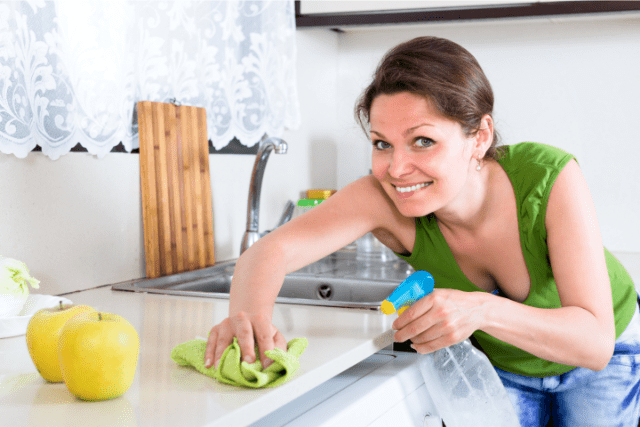
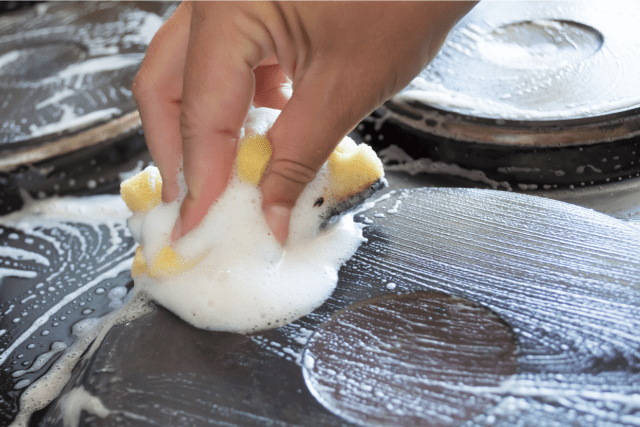
Kitchens are prime territory for grease buildup. Follow these step-by-step instructions for countertops, stoves, hoods, and backsplashes:
- Remove loose crumbs and debris with a dry cloth.
- Apply warm water with a grease-cutting dish soap to the area.
- Let sit for 2–5 minutes to soften hardened grease.
- Scrub with a non-abrasive pad or microfiber cloth.
- For stubborn spots, sprinkle baking soda and lightly scrub in circles.
- Rinse with clean water and dry thoroughly to prevent residue.
Safety Note:
Always check manufacturer instructions for specialty appliance finishes or stone surfaces to avoid etching or discoloration.
Handling Grease on Floors, Walls, and Ceilings
Grease spray and airborne particles can settle on unexpected surfaces. Here’s how to tackle them effectively:
- Floors: Use a mop with warm, soapy water first, then spot-treat with a diluted degreaser if necessary. Rinse and ensure surfaces aren’t slippery.
- Walls/Ceilings: Wipe gently with a soft sponge dampened with a mild degreasing solution. Avoid overwetting paint or plaster.
For important areas like commercial kitchens or retail stores with heavy grease, consider Restaurant cleaning services for periodic deep cleaning.
Comparison Table: Homemade vs. Commercial Degreasing Solutions
| Method | Effectiveness | Best For | Safety Considerations | Notes |
|---|---|---|---|---|
| Baking Soda & Vinegar | Moderate | Light grease, periodic upkeep | Safe on most surfaces | Minimal odor; eco-friendly |
| Commercial Degreaser (Safer Choice) | High | Heavy and old build-up | Test for sensitive finishes | Check product certifications |
| Diluted Dish Soap | Good for fresh grease | Kitchens, cookware | Very safe | Needs rinsing to prevent streaks |
| Ammonia-based Cleaners | Very strong | Tough industrial grease | Ventilate well & wear gloves | Do not mix with bleach |
Checklist: Prepping for Grease Removal – Safety and Prevention
- Wear gloves, especially with commercial degreasers.
- Test solutions on an inconspicuous spot first.
- Ventilate the room—open windows or use fans.
- Follow label instructions regarding dilution and dwell time.
- Keep children and pets out of the area until surfaces are dry.
- Dispose rags or paper towels safely after use to avoid accidental fire risk.
Always consult OSHA’s guide on hazardous chemicals if working with unfamiliar or potent cleaning agents.
Grease Removal for Appliances and Electronics: What Works and What To Avoid
Many kitchen and household appliances are magnets for greasy residue. Here’s how to handle them thoughtfully:
- Microwaves: Steam-clean by microwaving a bowl of water with lemon juice, then wipe with a microfiber pad.
- Stainless steel: Use a degreaser labeled safe for steel; always wipe with the grain to avoid scratches (find more in our stainless steel cleaning guide).
- Electronics: Never spray cleaner directly. Wipe only the outer surfaces with a barely dampened cloth.
For appliance cleaning dilemmas, refer to our tips on microwave cleaning and washing machine care.
Dealing With Grease on Fabrics, Upholstery, and Carpets
Removing grease from textiles requires a gentle approach:
- Blot as much grease as possible with paper towels—do not rub!
- Sprinkle cornstarch or baking soda on the stain and let it absorb oils for 15 minutes.
- Vacuum or brush away powder.
- Use a dish soap and water mixture, dab with a clean cloth.
- Rinse with cool water and repeat if needed.
For persistent issues or delicate upholstery, professional house cleaning services can restore fabrics with minimal risk.
Unique Challenges: Grease Removal in Rental Properties and Commercial Spaces
Turnover in rental units and high-volume use in businesses make grease an ongoing battle. Special considerations include:
- Scheduling periodic deep cleans to prevent accumulation
- Documenting before-and-after cleaning for rental inspections
- Choosing safe products for sensitive equipment
- Following legal or health-code requirements for food-service or childcare (learn more at Daycare cleaning and education facility cleaning)
When To Seek Professional Help for Grease Problems
DIY cleaning isn’t always ideal. Contact a reputable service like Quick Cleaning when:
- There’s heavy or hardened grease you can’t remove
- Large commercial kitchens need post-event or scheduled deep cleans
- You’re preparing for a move-out or looking to restore property value
- Health/safety requirements demand extra scrutiny
Professionals use safe, high-grade products and proven techniques, minimizing risks and time spent.
How to Prevent Future Grease Build-Up: Sustainable Habits
Regular maintenance and smart habits are the most effective weapons against greasy buildup:
- Wipe surfaces immediately after cooking
- Use splatter guards when frying
- Clean appliance filters and hoods regularly
- Vacuum and dust high areas to prevent airborne particles from settling
- Opt for microfiber cloths that attract and trap oily residues
For a full prevention plan, review our house cleaning schedule and smelling house secrets.
Spotlight: Eco-Friendly and Family-Safe Degreasing Alternatives
Many households in Chicago are turning to eco-friendly cleaning products. Plant-based degreasers, baking soda, and vinegar are safer for kids and pets. Always check for reputable certifications such as EPA Safer Choice before use. Avoid harsh chemicals unless absolutely necessary and ventilate thoroughly during and after cleaning.
Advanced Grease Removal Scenarios: Uncommon Surfaces & Stains
From painted walls to intricate tile grout, some grease stains require special handling:
- For natural stone, use only pH-neutral degreasers
- On wood, avoid over-wetting and stick to microfiber wiping
- Tile and grout may need a brush with baking soda paste
To protect your investment, see our guidance on wood flooring care and kitchen tile cleaning.
Grease Removal Decision Framework: DIY or Professional?
Use this flow to decide between handling grease yourself or hiring experts:
- Assess Severity: Light buildup? DIY usually suffices. Hardened or widespread? Jump to step 2.
- Surface Type: Delicate or high-value surfaces? Matched cleaning products are essential—pro advice may be needed.
- Time & Equipment: Short on time or lacking proper tools? Pros work faster and more safely.
- Health/Regulatory Needs: Facilities with strict standards should book regular professional cleaning.
Frequently Asked Questions: Grease Removal at Home
- What’s the fastest way to remove fresh grease from a surface?
Quickly blot, then clean with dish soap and warm water. Avoid spreading it by rubbing. - Are homemade cleaners as effective as commercial degreasers?
For light grease, they often suffice. Heavier build-up is better handled with specialized products or services. - Is it safe to use vinegar on all surfaces?
No—avoid it on stone, some metals, and electronics as it can cause damage. Always spot test first! - How often should kitchen grease traps be cleaned?
Every 1–2 weeks for households; more often for commercial operations. - Can I use steam cleaners on greasy tile?
Yes, if tile and grout are sealed and in good condition. Otherwise, stick to manual methods. - Should I use gloves when cleaning with degreasers?
Always wear gloves and ventilate rooms, as even mild degreasers can dry or irritate skin. - Where does grease tend to hide in rental properties?
Under stoves, exhaust hoods, inside appliance joints, and atop cabinet doors. - When should I hire a professional instead of doing it myself?
When stains are old/hardened, on specialty surfaces, or after major events/move-outs.
Conclusion: Bringing Clean, Grease-Free Living Into Reach
Treating grease stains and build-ups demands a multi-step approach—from understanding where grease collects, to choosing the right products, to smart cleaning frequency and prevention. Professional-grade results are possible at home by following these principles and maintaining your space regularly. For trickier or large-scale challenges, engaging a trusted cleaning team ensures both hygiene and safety. Ready for reliable support?
Discover Airbnb cleaning, schedule a deep cleaning, or explore your commercial cleaning options with Quick Cleaning’s flexible offerings.
About Quick Cleaning
Quick Cleaning helps households and businesses in Chicago, Illinois and nearby areas keep their spaces clean and healthy. Specializing in recurring house cleaning, deep cleaning, move out cleaning, office cleaning, and facility cleaning, our trained staff uses professional products, proven checklists, and top-tier equipment to tackle even the toughest grease and grime. Transparent communication and a focus on long-term relationships mean your cleaning needs are met on your schedule—always with quality and safety as our top priorities.
cleaning solution, chicago cleaning contractors, weekly house cleaning, best house cleaning chicago, house clean in Cicero IL, best house cleaning Lake Forest, Glen Ellyn house cleaning, house cleaning Norridge IL, house cleaning company Dundee IL, house cleaning in Bensenville, house cleaning Loop