What Is Industrial Cleaning? A Full Guide to Processes, Standards, and Choosing the Right Provider
Industrial cleaning is far more than tidying up a workspace—it’s the specialized process of maintaining health, safety, and operational efficiency in factories, warehouses, labs, and heavy-use facilities. If you’re researching what is industrial cleaning?, this guide demystifies the services, protocols, and standards that set it apart from both residential and basic commercial cleaning. QUICK CLEANING shares insider knowledge on processes, practical checklists, and how to identify a professional team in Chicago dedicated to delivering safe, compliant results in complex environments. Whether you operate a busy warehouse, manage facility operations, or simply want to understand how industrial cleaning supports workplace wellness, you’ll find trusted, actionable answers here.
Defining Industrial Cleaning: Scope and Essential Purposes
Industrial cleaning refers to the maintenance and deep sanitation of environments exposed to focused production, heavy machinery, hazardous materials, or unique operational risks. Unlike general office or residential cleaning, industrial cleaning uses advanced techniques to:
- Eliminate dust, debris, oils, and contaminants common in factories and plants
- Support regulatory and occupational health standards within an industry
- Prevent workplace accidents by removing trip, slip, and chemical hazards
- Prolong equipment lifespan and maintain operational efficiency
- Enable safe, uninterrupted production cycles
Many Chicago-area industries—manufacturing, storage, processing, research, or logistics—rely on specialized cleaning teams for these mission-critical outcomes.
Industrial Cleaning vs. Other Cleaning Types: A Comparative Look
When examining what is industrial cleaning, it helps to see how it diverges from commercial or residential cleaning. Here’s a practical comparison:
| Cleaning Type | Environments | Risks/Complexity | Methods | Certification |
|---|---|---|---|---|
| Residential | Homes, apartments | Low | Manual, consumer products | Not required |
| Commercial | Offices, retail, restaurants | Moderate (foot traffic, public hygiene) | Professional tools, periodic sanitation | Recommended |
| Industrial | Factories, warehouses, plants, labs | High (hazards, compliance) | Heavy equipment, specialized chemicals | Mandatory, strict standards |
For more about key differences, see this in-depth comparison of industrial and commercial cleaning.
Core Tasks and Processes in Industrial Cleaning
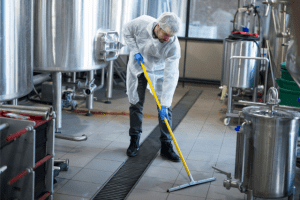
Industrial cleaning professionals tackle a unique set of tasks, including:
- Cleaning and degreasing machinery and conveyors
- High-level dust removal in beams, ductwork, and rafters
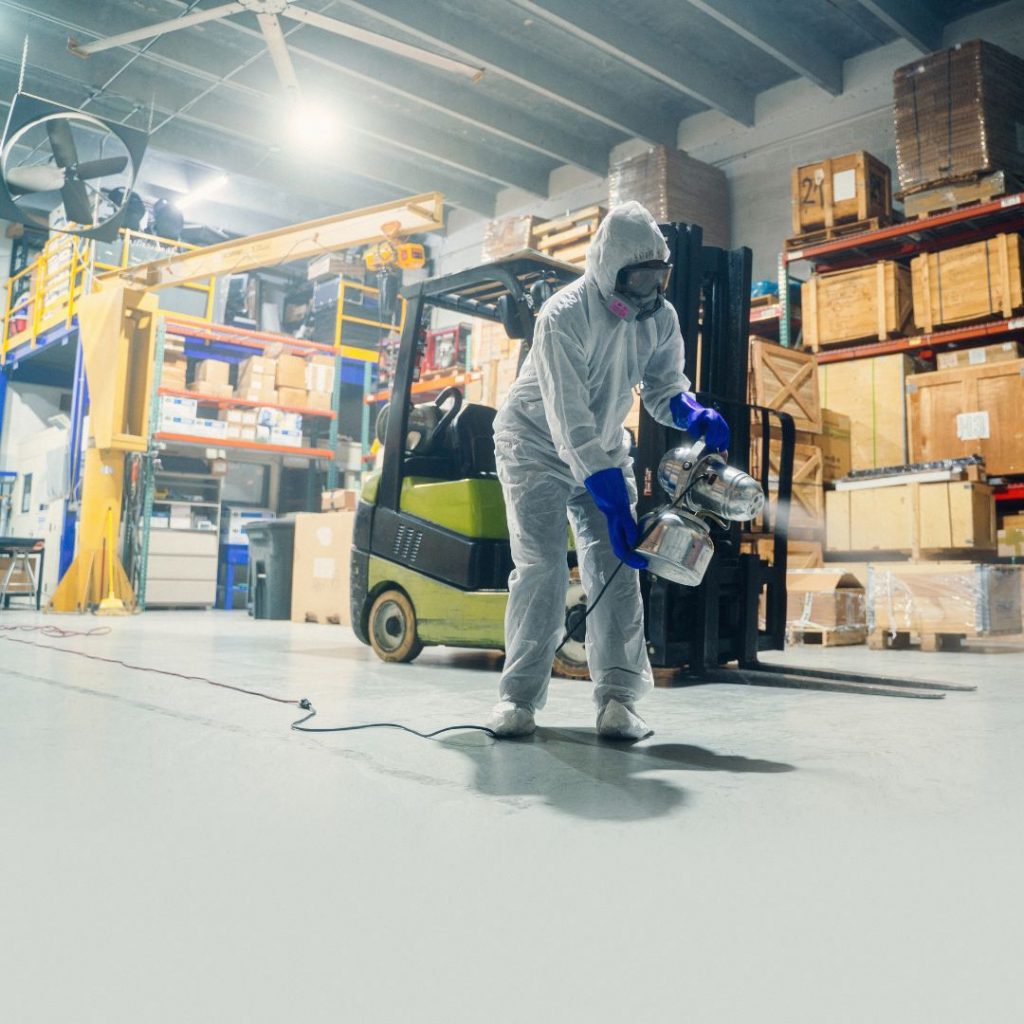
- Hazardous spill containment and decontamination
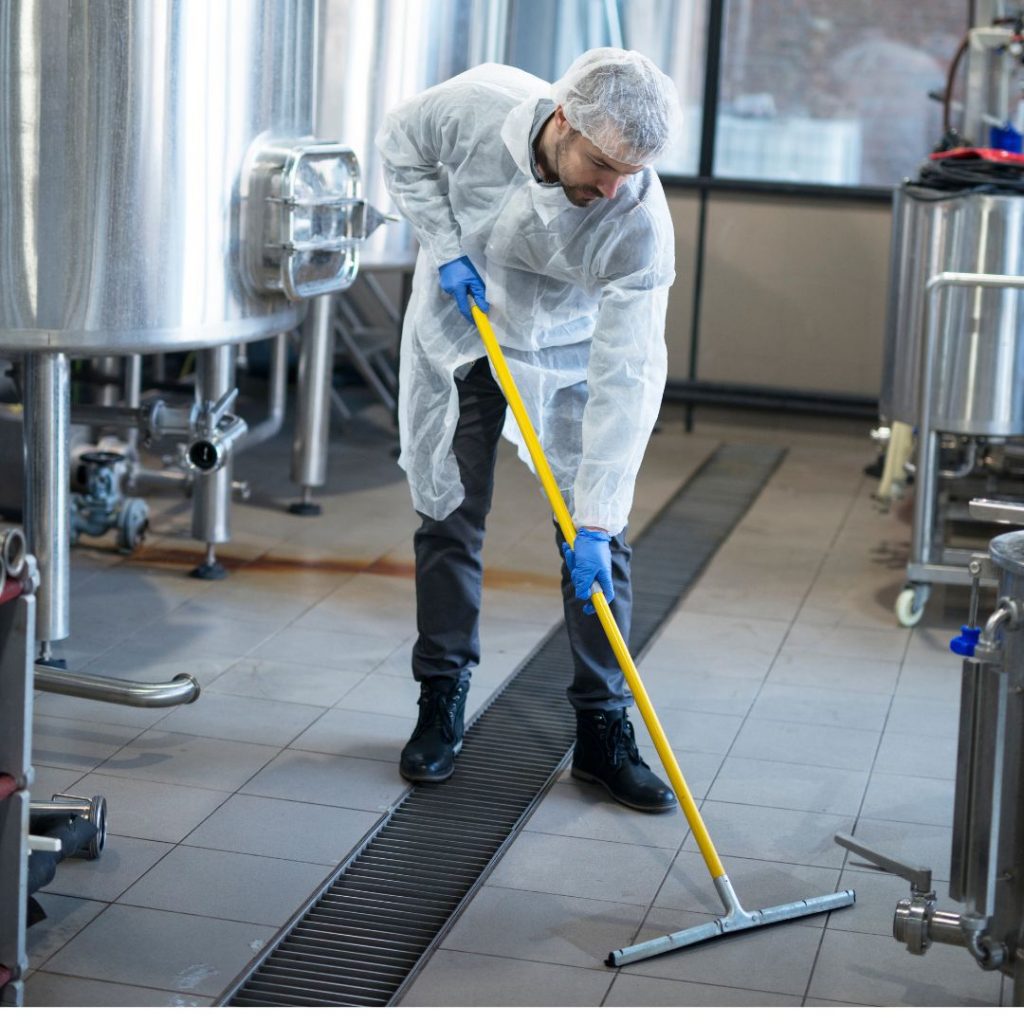
- Clearing floor debris and industrial grime
- Pressure washing storage tanks, loading docks, and exterior surfaces
- Implementing strict safety procedures before, during, and after cleaning
Each site receives a custom-tailored protocol based on floorplans, usage, foot traffic, and the presence of sensitive equipment or regulated materials.
Key Regulations and Industry Standards That Shape Industrial Cleaning
Compliant industrial cleaning in Chicago—and across the U.S.—is guided by a blend of government, industry, and client-specific standards. These can include:
- OSHA (Occupational Safety and Health Administration) regulations
- EPA (Environmental Protection Agency) guidelines on waste disposal
- ASTM and ANSI standards for cleaning processes and product approvals (see current ASTM news; ANSI online standards)
- Industry-specific certifications (e.g., food-grade, pharmaceutical)
Professional providers must document compliance and regularly update their practices to remain both effective and legal.
Typical Industrial Cleaning Checklist: What Gets Done?
While every facility requires a personalized approach, most industrial cleaning checklists include:
- Pre-cleaning safety assessment and lockout/tagout checks
- Dust and debris removal from all horizontal/vertical surfaces
- Degreasing of floors, work tables, and equipment
- Deep cleaning of restrooms, staff areas, and changing rooms
- Sanitization of production/assembly lines
- Waste containment and proper hazardous material disposal
- Post-clean inspection and documentation
The commercial cleaning checklist from QUICK CLEANING provides further insights, though industrial settings add greater safety and technical demands.
Equipment and Techniques Unique to Industrial Cleaning
Unlike routine janitorial cleaning, industrial environments often require:
- Ride-on scrubbers, sweepers, and industrial vacuums
- High-pressure and steam cleaners
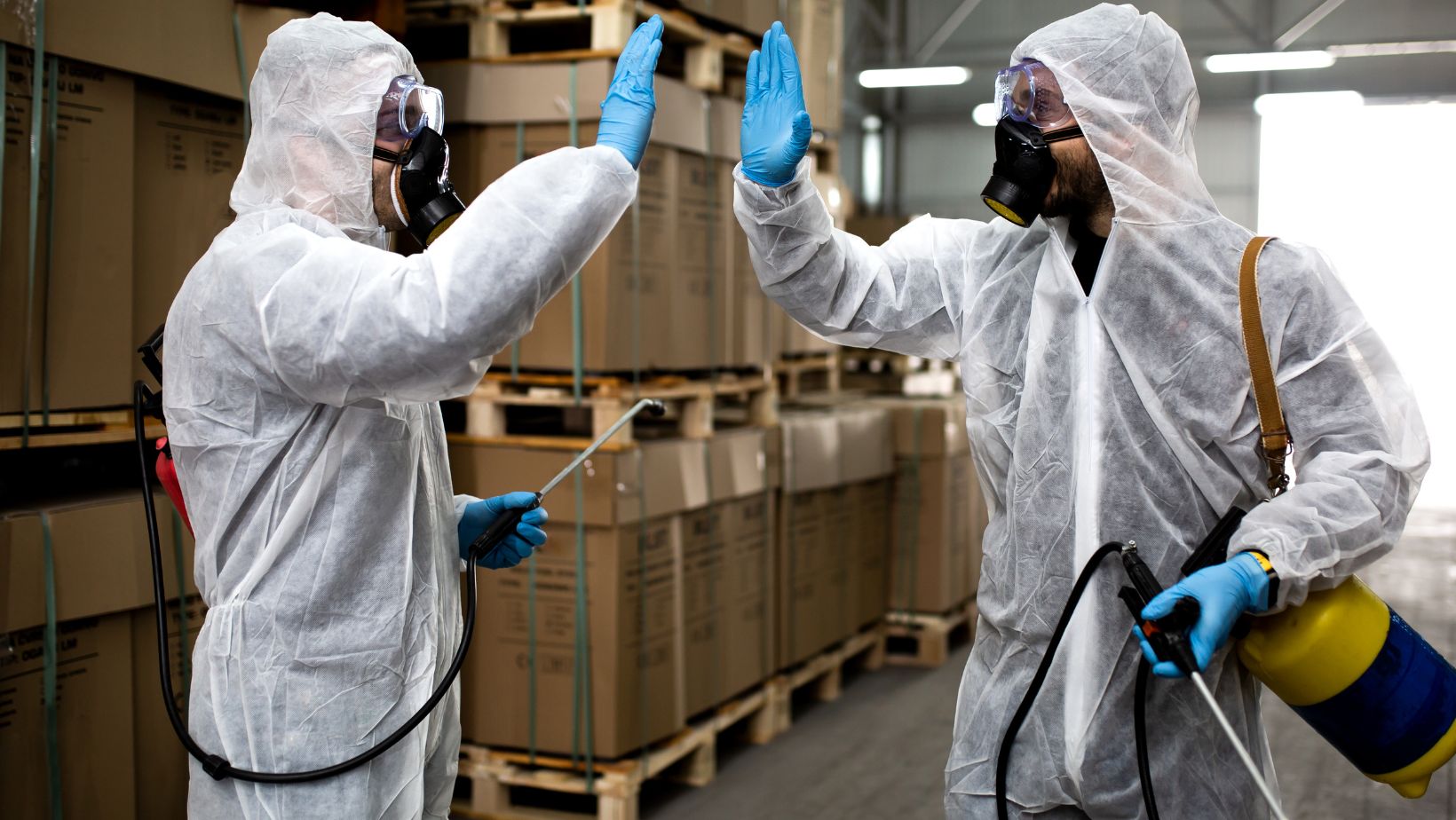
- Specialized PPE (personal protective equipment)
- HEPA filtration for hazardous dust
- Chemicals certified for purpose (degreasers, acid or alkaline cleaners, etc.)
- Advanced technology for confined spaces or height work (e.g., lifts, access systems)
Proper training in this equipment is essential for both quality and on-site safety.
Industries and Facilities That Require Industrial Cleaning
Not every business has industrial cleaning needs. Facilities that benefit most include:
- Manufacturing plants (automotive, electronics, textiles, food & beverage, etc.)
- Large warehouses and logistics centers
- Distribution hubs and cold storage facilities
- Laboratories and research centers
- Recycling, plastics, and metals processing plants
See which Chicago industries benefit from professional cleaning for contextual examples.
Main Safety Protocols: Protecting Workers and Facilities
Ensuring health and safety is paramount in industrial cleaning. Professional teams implement strict protocols, including:
- Job hazard analysis (JHA) before beginning work
- Lockout/tagout of live machinery
- Using required PPE: goggles, gloves, respirators, safety shoes, and high-visibility clothing
- Safe chemical storage, handling, and documentation
- Frequent team training and compliance checks
Rigorous procedures reduce the risk of injury and ensure cleaning never disrupts critical operations.
Green Cleaning Approaches in Industrial Settings
As sustainability becomes an industry standard, Chicago companies increasingly demand green cleaning. This involves:
- Selecting biodegradable or low-toxicity chemicals wherever feasible
- Water- and energy-saving cleaning equipment
- Safe disposal and recycling of waste
For more, read about green cleaning for a healthy environment and why it’s rapidly adopted in local businesses.
Industrial Floor Care: Techniques for Safety and Longevity
Floor cleanliness and integrity are major safety factors in warehouses and factories. Common methods used by industrial cleaners include:
- Deep scrubbing and power washing concrete floors
- Removing oil, grease, and chemical stains to prevent slips
- Applying protective coatings, sealants, or anti-slip treatments
- Scheduled stripping and re-coating for heavy-traffic zones
Learn more about maintaining safety and value with proper floor waxing and cleaning high-traffic floors.
Scheduling, Frequency, and Planning for Industrial Cleaning
How often should industrial cleaning occur? Frequency depends on:
- Type of production and risk (chemical, food, heavy goods, etc.)
- Volume of operations and shift patterns
- Seasonal maintenance requirements
- Specific compliance schedules (regulatory audits, inspections)
Best practices often involve: nightly maintenance for heavy-use areas, weekly deep cleaning of all workspaces, and monthly or quarterly specialized attention to confined or hazardous zones.
How to Prepare Your Facility for Industrial Cleaning
Client collaboration is key for safe, thorough outcomes. Before the cleaning team arrives:
- Notify operations staff about scheduled work
- Identify sensitive machinery or areas that require access or protection
- Remove materials/personal items from service zones
- Designate facility contacts for on-site questions or emergency protocols
- Review and approve cleaning site maps and chemical list, if required
What to Look For in a Professional Industrial Cleaning Partner
When evaluating providers, consider these criteria:
- Proof of insurance, licensing, and relevant certifications
- Experience with facility types and industry-specific needs
- Trained staff certified for equipment and chemical safety
- Transparent processes and detailed service checklists
- Sustainable practices and documented compliance records
Ask for references from similar facilities in the Chicago area for added assurance.
Red Flags and Common Pitfalls to Avoid
Poorly managed industrial cleaning can create risk and regulatory violations. Warning signs include:
- Lack of site-specific assessment or generic plans
- Non-compliance with PPE or hazardous material handling
- No clear communication or point-of-contact during service
- Failure to provide documentation post-cleaning
- “Lowest price” providers with no safety guarantees
For informed decisions, see common red flags in commercial cleaning and apply similar principles.
Integrating Industrial Cleaning Into Facility Management
Seamless facility operations require more than one-off cleaning. Integrating industrial cleaning into overall facility management allows for:
- Automated scheduling aligned with production calendars
- Ongoing feedback and performance tracking
- Responsive support for emergencies and special projects
Recurring services also offer better cost control and consistently safer, more productive environments.
Frequently Asked Questions About Industrial Cleaning Processes
What is industrial cleaning in simple terms?
It’s the deep-cleaning and sanitization of production-heavy spaces (like factories and warehouses) to maintain safety, hygiene, and regulatory compliance beyond standard office or janitorial cleaning.
How do industrial cleaning teams ensure safety?
By conducting risk assessments, using the right PPE, following OSHA and EPA guidelines, and documenting procedures before, during, and after cleaning.
What chemicals or products are used in industrial cleaning?
Products depend on the facility but often include professional degreasers, disinfectants, and purpose-specific agents approved by ANSI or ASTM standards.
Can regular janitorial staff perform industrial cleaning?
Not typically. Industrial cleaning requires specialized training, equipment, and certification—companies like QUICK CLEANING provide this expertise.
How often should industrial environments be cleaned?
Frequency varies by facility type, foot traffic, and compliance needs—ranging from nightly to quarterly, or even continuously for high-risk areas.
Does industrial cleaning include hazardous waste disposal?
Yes, properly licensed teams handle hazardous waste safely, providing necessary documentation and disposal by industry protocols.
What are signs a facility needs professional industrial cleaning?
Visible dust, oil, or debris build-up; regulatory inspection deadlines; recurring equipment malfunctions; or workplace safety incidents are all indicators.
Are green/eco-friendly options suitable for industrial settings?
Yes. Many sustainable, effective products and processes now meet industrial standards, supporting safety and environmental goals.
How are cleaning crews vetted for industrial work?
Through background checks, industry training programs, and certifications in chemical handling and occupational safety measures.
What documentation do clients receive after service?
Most receive a service report and checklist; some jobs (e.g., hazardous waste, food processing areas) require compliance certificates or logs.
Conclusion: Why Industrial Cleaning Demands Expert Attention
Understanding what is industrial cleaning? clarifies why expert providers are essential for complex workplaces. The process goes beyond a surface wipe-down—it’s about health, compliance, equipment longevity, and the smooth operation of critical facilities. Whether you run a factory, logistics hub, or laboratory, ask providers for custom checklists, verified compliance, and clear results tracking. Ready for professional support in Chicago? Consider industrial and commercial cleaning options with expert teams who put safety and quality first. For targeted services like facility deep cleaning or special project cleaning, explore solutions tailored to your business needs.
About QUICK CLEANING
QUICK CLEANING is Chicago’s trusted partner for advanced cleaning in homes, apartments, offices, industrial sites, and specialized facilities. Serving households and businesses throughout Chicago, Illinois and nearby areas, QUICK CLEANING provides recurring house cleaning, deep cleaning, move out cleaning, office and facility cleaning with a focus on trained staff, transparent communication, and industry-leading standards. Clients benefit from strict adherence to safety protocols, use of professional products and equipment, and a dedication to long-term results across all service types.
chicago cleaning contractors, Chicago Industrial Cleaning, Industrial Cleaning Services Chicago, commercial cleaning contractors in the city of Bannockburn, Montgomery commercial cleaning companies, Lockport commercial cleaning companies, commercial cleaning contractors in Homewood IL, commercial cleaning Itasca IL, commercial cleaning company Norridge, commercial cleaning companies in Aurora