When Post-Construction Dust Keeps Coming Back: Why It Happens and How Pros Stop It
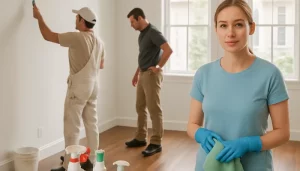
Finishing a construction or renovation project brings a welcome sense of accomplishment, but for many property owners in Chicago, a lingering issue remains: post-construction dust that just won’t disappear. If you’ve swept, vacuumed, wiped, and repeated, only to find fresh layers of fine dust reappearing on your surfaces, you are not alone. When post-construction dust keeps coming back, it’s frustrating, unhealthy, and can be especially concerning for people with allergies or respiratory conditions. In this practical guide, you’ll discover exactly why this type of dust persists, what makes it so difficult to remove fully, and the professional-level steps needed to restore lasting cleanliness—plus expert tips straight from the field. Whether you’re a homeowner, property manager, Airbnb host, or business owner, you’ll get actionable insights and a proven strategy to solve this stubborn problem for good.
The Nature of Post-Construction Dust: Why Is It So Persistent?
Post-construction dust is not your everyday household dust—it’s a complex blend of fine particles from drywall, plaster, sawdust, insulation fibers, concrete, and sometimes trace chemicals from paints and adhesives. Because the particles are microscopic (often below 10 microns), they float easily, settle everywhere (including HVAC ducts and behind trim), and can remain airborne for days. This explains why even after a thorough cleaning, you still see dust reappearing on flat surfaces, electronics, and vents.
- Composition: Gypsum, silica, wood fragments, insulation, paint powder, adhesives.
- Particle size: Finer than regular dust, sometimes invisible to the human eye.
- Behavior: Slower to settle, easily kicked up by movement or airflow.
Hidden Sources: Where Post-Construction Dust Lurks and Keeps Recirculating
Persistent post-construction dust isn’t just what’s visible on tabletops or window sills. It infiltrates hidden reservoirs in your space, creating a cycle of redistribution. Key hidden sources include:
- HVAC Systems & Ductwork: Dust settles inside ducts and can recirculate for weeks.
- Cracks, Gaps, & Crevices: Baseboards, door frames, electrical outlets, cabinet seams.
- Soft Furnishings & Textiles: Carpets, curtains, upholstery trap fine dust that is released with movement.
- Above-Eye-Level Surfaces: Fans, light fixtures, ledges, the tops of doors or cabinets.
- Behind and Beneath Appliances: Areas easily missed in a surface cleaning.
The professional approach starts with systematically identifying and targeting each of these dust reservoirs to stop the back-and-forth cycle.
Why Standard Cleaning Isn’t Enough for Post-Construction Dust
Typical cleaning routines—like quick mopping, sweeping, or basic vacuuming—often stir up, but do not truly capture, ultra-fine dust. Many consumer vacuums lack proper filtration for fine particles, resulting in dust being blown right back out. Feather dusters and dry cloths simply relocate the dust from one place to another. Professional-grade cleaning, in contrast, uses a layered process designed for post-renovation environments.
- HEPA Filtration: High-Efficiency Particulate Air vacuums trap particles as small as 0.3 microns, preventing recirculation.
- Wet Methods: Damp mopping and wiping reduce airborne particles and capture dust for real removal.
- Sequential Cleaning: Room-by-room, top-to-bottom, with attention to air movement and re-settling periods.
The Physics of Dust Re-Settlement: Why It Keeps Falling After Cleaning
Even with thorough cleaning, dust particles that remain airborne due to ventilation, movement, or cleaning processes can slowly settle hours or days afterward. This phenomenon, called dust re-settlement, is a primary reason new “film” appears soon after you finish wiping. Professionals combat this with repeated cleaning passes, controlled ventilation, and targeted air filtration throughout the dust removal process.
How Many Cleaning Passes Are Needed?
- Initial gross debris and dust removal
- Detailed secondary pass focused on surfaces, fixtures, and objects
- Final refinement and air scrubbing after dust has resettled
Phased Approach: How Professional Cleaning Tackles Persistent Construction Dust
Comprehensive post-construction cleaning is structured in specific phases to maximize dust capture and air quality improvements:
| Phase | Objective | Key Tasks |
|---|---|---|
| Rough Clean | Remove visible debris & heavy dust | Bulk trash, sweep/vacuum large particles, wipe obvious dust |
| Detailed Clean | Target fine dust & hidden areas | HEPA vacuuming, damp wiping, air vent cleaning, fixtures |
| Final Polish | Refinement & touch-ups | Spot checks on glass, chrome, paint; air filtration for airborne dust |
Special Attention Areas: Where Dust Returns Most Frequently
Certain areas are notorious for re-collecting dust even after initial cleaning efforts. Here’s where to direct extra diligence:
- HVAC vents and filters (replace or clean)
- Window sills and tracks
- High shelves and closet tops
- Carpets and rugs (use a HEPA vacuum, ideally professional-grade)
- Electronic equipment and chargers
For more structured insights, refer to the Post-Construction Cleaning Checklist.
Equipment and Products: What Pros Use vs. DIY Setups
Effective removal of post-construction dust requires specialized tools and supplies:
- Commercial HEPA Vacuums: True HEPA filters trap microscopic dust.
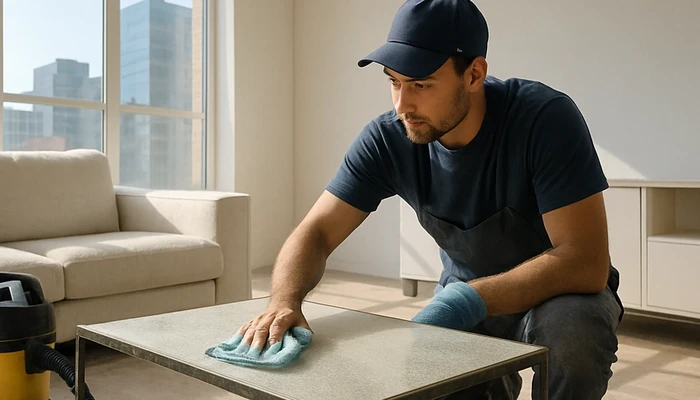
- Damp Microfiber Cloths and Mops: Capture dust rather than spreading it.
- Professional Cleaning Agents: Appropriate for each surface, non-damaging and residue-free.
- Air Scrubbers or Purifiers: Remove airborne particles during and after cleaning.
- Protective Gear: Masks and gloves ensure cleaner safety and prevent dust inhalation.
Quick Cleaning’s team in Chicago standardizes these tools to maximize removal and minimize resettling. Industry recommendations, such as best practices from healthcare cleaning authorities, emphasize HEPA technology and surface compatibility, highlighting why these investments matter.
Professional Cleaning vs. Deep Cleaning vs. Standard Cleaning: What Differentiates Results?
Not all cleaning services achieve the same outcome after construction work. Here’s a side-by-side breakdown:
- Standard Cleaning – Surface wipe-downs, sweeping, and usual tasks; not equipped for construction dust.
- Deep Cleaning – More comprehensive (cabinet interiors, scrubbing), but still not focused on ultra-fine dust removal.
- Professional Post-Construction Cleaning – Deliberate multi-phase process targeting dust in air, ducts, and invisible areas with HEPA filtration at every phase.
Property owners should clarify with any company which approach—and equipment—will be used to avoid disappointment or recurring dust.
Step-by-Step: Clearing Post-Construction Dust Once and for All
Here’s a professional sequence for conquering persistent post-construction dust in your home, office, or rental:
- Let Dust Settle: Wait 24–48 hours after major construction ends before your first cleanup pass.
- Ventilate: Open windows if weather allows, use fans to exhaust air outside (never toward other rooms).
- Start at the Top: Clean ceilings, light fixtures, shelves, and fans first.
- HEPA Vacuum Everywhere: Floors, walls, soft surfaces, and hidden nooks.
- Damp Dusting: Use microfiber tools to wipe every surface without redistributing dust.
- Change HVAC Filters: Install new filters post-cleaning to prevent ongoing recirculation.
- Repeat: Wait 24 hours and do another pass, focusing on areas that accumulate new dust.
Consistent, phased cleaning breaks the cycle and achieves lasting dust reduction.
Health Impacts: Why Persistent Construction Dust Is a Serious Concern
Repeated exposure to post-construction dust can irritate the eyes, nose, throat, and lungs. Vulnerable populations—children, seniors, people with asthma or allergies—are especially at risk. Even trace levels of dust can carry silica, spores, or VOC residues from building materials. That’s why experienced cleaning companies follow recommendations from trusted sources like healthcare and infection control experts when selecting cleaning agents and air control methods.
Special Property Types: How Persistent Dust Behaves in Homes, Offices, and Rentals
Persistent dust challenges differ depending on property use and structure:
- Homes & Apartments: More soft surfaces, furniture, and personal items to trap dust; need repeated soft-textile cleaning.
- Airbnb & Rentals: Guest turnover amplifies the need for rapid, reliable, visible cleanliness; attention to high-touch spots.
- Offices & Commercial Spaces: More hard flooring, larger air volume, HVAC-related redistributions; professional scheduling and certification may be required.
- Special facilities (gyms, medical, daycare): Additional protocols apply for safety, liability, and peace of mind.
Tailored post-construction cleaning strategies meet different use cases. Quick Cleaning provides specialized services for each type.
Dust-Proofing After Cleaning: Maintenance Tips to Stop Recurrence
Once you’ve achieved a thorough clean, these tips help prevent dust from returning:
- Change or upgrade HVAC filters regularly.
- Install door sweeps and seal cracks/gaps.
- Schedule routine dusting with damp microfiber tools, not dry ones.
- Vacuum carpets and textiles with a HEPA-filtered machine weekly (more during high use periods).
- Consider an air purifier for rooms hit hardest by dust, especially after recent renovations.
Warning Signs That More Than DIY Is Needed
If you notice the following, it may be time for professional help:
- Persistent “gritty” feel on surfaces after multiple cleanings
- Dust reappearing within hours, not days
- Allergy, coughing, or respiratory symptoms increasing post-renovation
- Visible dust blowing from HVAC vents
- Large properties, or work in hard-to-access areas (high ceilings, finished basements)
Professionals bring both the tools and knowledge to stop ongoing cycles and restore safe indoor air.
Evaluating Professional Post-Construction Cleaning Companies: What to Ask Before Booking
- What types of HEPA equipment do you use?
- How many cleaning passes are included?
- Is HVAC vent and filter cleaning part of the service?
- Do you handle hard-to-reach areas and specialty surfaces?
- Can you provide references or before/after examples?
- What safety protocols are in place for staff and client health?
Clear answers signal a quality-focused company. For more details, see the Post-Construction Cleaning Checklist.
Real-World Scenarios: Persistent Dust Challenges and Solutions
Case 1: Condo Renovation with Ongoing Dust in HVAC
Despite repeated surface cleanings, the owners found new dust settling daily. Professional cleaning included duct cleaning, three-stage HEPA vacuuming, and furniture upholstery care. Result: significant air quality improvement in less than a week.
Case 2: Commercial Office Buildout
The property manager struggled with gritty floors and dirty window sills a month post-project. Professionals used air scrubbers during cleaning, replaced all vent filters, and conducted repeat top-to-bottom detailing. Result: dust reappearance dropped dramatically after two visits.
Frequently Asked Questions: Persistent Post-Construction Dust
- Why does dust keep coming back even after several cleanings?
- Ultra-fine construction dust remains airborne and hidden in ductwork, soft furnishings, and crevices. If not targeted everywhere, it redistributes, especially as HVAC systems run and people move through the space.
- Is it dangerous to be exposed to leftover post-construction dust?
- Continued exposure can affect indoor air quality and may trigger allergies, asthma, or respiratory discomfort for some people. Prompt and thorough removal is important for health.
- Should I replace my HVAC filters after construction cleanup?
- Absolutely. Old filters will continue to circulate dust if not changed. New, high-grade filters are recommended immediately after post-construction cleaning.
- How long does it take before post-construction dust finally settles?
- Typically, major particles settle within 24–48 hours but fine dust can continue to resettle for up to a week, especially if air movement is ongoing or cleaning stirred up particles.
- What cleaning equipment actually works for ultra-fine dust?
- HEPA-filtered vacuums, damp microfiber mops, and air scrubbers are proven to capture and remove the smallest dust particles rather than just moving them around.
- Can routine cleaning staff handle post-construction dust?
- Not usually. Standard cleaning lacks the methodology and tools for post-construction environments. Trained pros are recommended for best results.
- How do professionals charge for post-construction cleaning?
- Pricing varies by property size, dust level, and included services like duct cleaning. Requesting a quote from a company such as Quick Cleaning is a good next step.
- What’s the difference between a deep clean and post-construction clean?
- Deep cleaning is detail-oriented but focuses on visible and routine buildup, while post-construction cleaning targets ultra-fine dust and hidden sources with specialized tools.
- How can I keep dust from coming back after the first professional clean?
- Continue to use HEPA-filter vacuums, seal entry points, replace filters, and follow a maintenance plan for the first several weeks.
Summary: The Path to a Dust-Free, Healthy Space
When post-construction dust keeps coming back, the solution isn’t more of the same—it’s a targeted, systematic approach rooted in professional know-how, advanced tools, and persistent attention to detail. By understanding what makes this dust so stubborn and implementing a phased cleaning plan, property owners in Chicago and beyond can reclaim truly clean spaces. For specific cleaning needs, consider partnering with experienced crews who bring hospital-grade protocols, HEPA filtration, and proven checklists. Clean once, clean right, and enjoy the safe, beautiful results—dust-free.
About Quick Cleaning
Quick Cleaning helps households and businesses in Chicago, Illinois and nearby areas keep their spaces clean and healthy. Our trained and professional teams specialize in recurring house cleaning, detailed deep cleans, move-out and move-in services, post-construction projects, office upkeep, and facility cleaning for special environments. We use advanced equipment, follow strict checklists, and prioritize transparent communication, clear pricing, and long-term relationships with every client. Quick Cleaning provides fully insured professionals, cutting-edge techniques, and a focus on health and safety, every time.
cleaning services chicago il, renovation cleaning Cleaning Chicago, construction cleaning, construction cleaning Lockport IL, after construction cleaning Joliet, new construction cleaning Harvey IL, post construction cleaning Fox Lake IL, after renovation cleaning Evergreen Park, dust removal cleaning Glenview, renovation cleaning West Loop