
Essential PPE For Dental Office Cleaning: Best Practices, Checklist & Safety Insights
When it comes to maintaining the highest standards of hygiene in dental offices, essential PPE for dental office cleaning is not just a safety protocol—it’s a necessity for protecting both patients and staff. This in-depth guide will walk you through the full spectrum of PPE selection, usage, and compliance specifically in the context of professional dental office cleaning. You’ll find practical checklists, regulatory perspectives, and answers to the most common questions about safety and quality assurance. Whether you’re a dental professional, office manager, or considering expert cleaning services for your dental practice, this post will give you a clear, confident path to a safer workspace.
Understanding PPE Needs in the Dental Cleaning Context
Proper use of PPE (Personal Protective Equipment) in dental office cleaning is central to limiting the spread of infectious agents, especially due to the unique risks present in environments where bodily fluids and bioaerosols are common. Unlike general office cleaning, dental settings demand higher vigilance because pathogens can easily transfer via surfaces or airborne particles. Recognizing why dental office hygiene is different helps prioritize which PPE is truly essential.
- Bioaerosol risk: High-speed tools produce fine droplets, increasing airborne contamination.
- Exposure to blood/saliva: Surfaces can harbor viruses and bacteria long after procedures.
- Regulatory requirements: OSHA and CDC guidelines specify minimum standards for dental staff and cleaning teams.
Key Components of Essential PPE For Dental Office Cleaning
PPE for dental cleaning extends beyond gloves and masks. This section examines the main elements and their roles in safeguarding health:
| PPE Item | Function | When to Use |
|---|---|---|
| Disposable Gloves | Barriers for hands | Anytime contact with potentially contaminated surfaces |
| Face Masks (surgical/N95) | Airborne droplet protection | During cleaning, in procedure areas |
| Protective Eyewear/Face Shields | Guards eyes from splashes | When spraying or wiping fluids/chemicals |
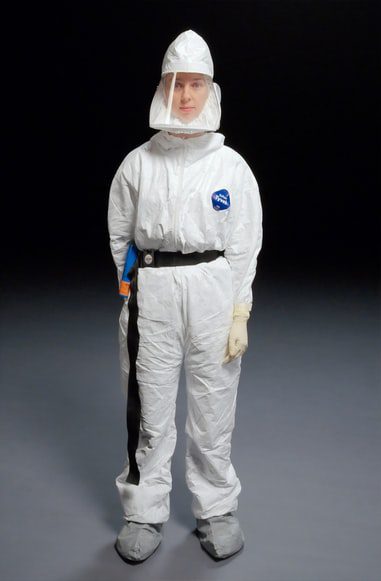
| Gowns or Lab Coats | Protects clothing/skin | High-risk, splash-prone zones |
| Shoe Covers | Reduces spread to/from shoes | In treatment rooms and high-traffic corridors |
| Hair Covers | Limits hair contamination | During deep or terminal cleaning cycles |
Selecting the Right PPE for Dental Cleaning Tasks
Different cleaning activities require varying levels of PPE. For each core task, consider the exposure risk and match PPE accordingly:
- Surface disinfection (operatory): Gloves, mask, goggles, gown
- Bathroom deep cleaning: Heavy-duty gloves, mask, gown
- Waiting areas: Masks, gloves (focus on high-touch points)
- Waste removal: Gloves, mask, eye protection, gown if soiling possible
Understanding which PPE is suitable for which area reduces unnecessary use, cuts costs, and maximizes safety compliance in your dental practice.
PPE Use and Removal: Safe Practices for Clinical Cleaning
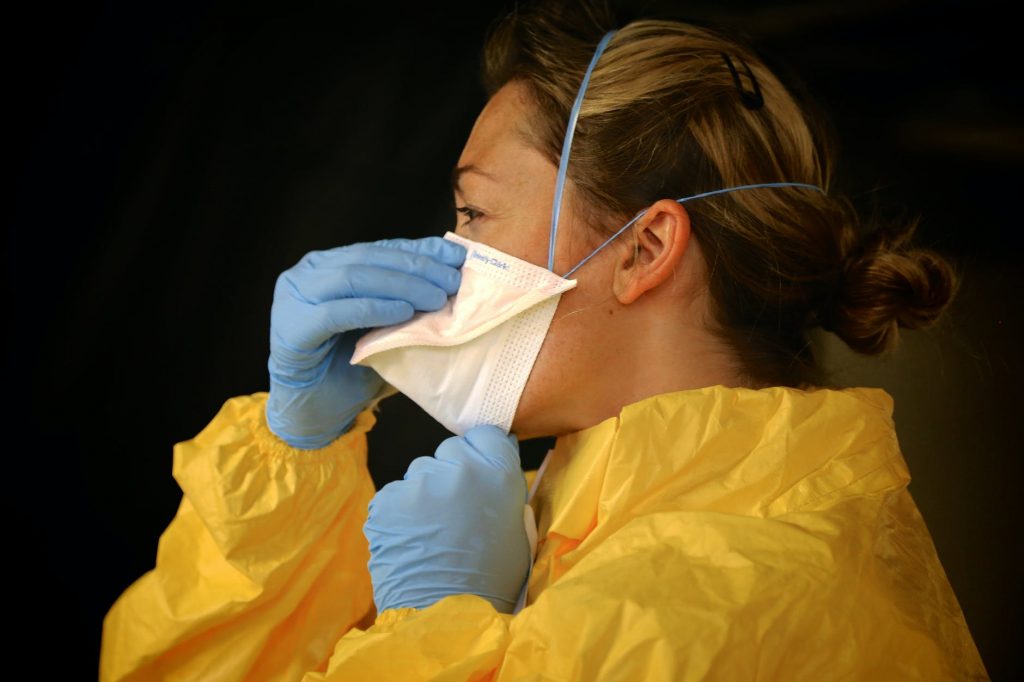
Using PPE for dental office cleaning requires following stepwise donning and doffing techniques to prevent contamination. Even experienced staff must routinely refresh their approach. Here’s a typical, actionable workflow:
- Wash hands thoroughly.
- Put on gown/lab coat.
- Apply mask and protective eyewear.
- Don gloves, ensuring wrist coverage over gown cuffs.
For safe removal:
- Remove gloves first—gripping only the outside, then dispose.
- Remove gown by peeling from shoulders, turning inside-out as you go.
- Remove eyewear.
- Remove mask (avoid touching front).
- Wash hands again immediately.
Improper removal is a common route for cross-contamination. Training all staff members on correct sequences reduces this risk substantially.
PPE Maintenance and Replacement in Dental Environments
Maintaining and replacing PPE is critical to its effectiveness. Proper protocols help ensure reliable protection for every cleaning cycle in your dental office:
- Disposable gloves/masks: Use once then discard; do not reuse.
- Reusable goggles/face shields: Clean and disinfect between uses.
- Gowns/lab coats: Launder after each use or switch to disposable if heavy soil anticipated.
- Inspect items before use: Look for tears or wear, especially on gloves and face shields.
Regulatory Guidelines and Best Practices for Dental PPE
Complying with federal and industry regulations is non-negotiable in dental office cleaning. The following frameworks guide what is considered “essential” in PPE:
- OSHA Bloodborne Pathogens Standard: Sets legal PPE requirements for dental cleaning staff.
- CDC Dental Healthcare Guidance: Regular updates on PPE for cleaning and disinfecting dental environments. For authoritative resources, visit the CDC’s cleaning and disinfection guidance.
- State/local agencies: May have extra rules beyond the federal minimum.
Always align your PPE protocols with the latest public health recommendations and maintain documentation for regulatory audits.
PPE and Chemical Compatibility: Avoiding Hidden Hazards
PPE selection must account for the types of cleaning products used in a dental office. For instance, some disinfectants can degrade latex gloves or fog up face shields, diminishing protection. Best practices include:
- Check manufacturer labels for chemical compatibility.
- Use nitrile gloves for alcohol-based cleaners; vinyl or latex for less aggressive agents.
- Choose splash-proof goggles if strong disinfectants are in use.
For advanced training on infection control in clinical cleaning, consult reputable education sources like APIC’s ambulatory settings training.
Building a Teamwide PPE Culture for Dental Office Safety
Ensuring every staff member understands the critical role of PPE for dental cleaning is as important as the equipment itself. Ways to foster a safety-first mindset include:
- Regular staff training sessions
- Visible reminders and signage at PPE stations
- Encouraging peer-to-peer PPE checks and reminders
A culture of shared accountability leads to higher compliance and fewer cleaning-related incidents.
Essential PPE Checklist for Dental Cleaning Teams
Before each cleaning round, verify the following equipment is readily available and in good condition:
- New disposable gloves (sufficient for each zone)
- Approved masks (fit-tested for aerosol-prone areas)
- Eye protection or face shields
- Gowns, aprons, or protective lab coats
- Chemical-resistant shoe and hair covers (for deep and terminal cleaning)
- Biohazard waste bags for safe disposal
Use this list daily and adapt as regulations or operational needs evolve.
Scenario Walkthroughs: PPE Decisions for Common Dental Office Situations
To illustrate real-world application, here are three scenarios with corresponding essential PPE recommendations:
1. Routine Exam Room Cleaning
- PPE Needed: Gloves, mask, eye protection
- Tip: Change gloves between rooms, dispose of wipes properly
2. Managing a Biohazard Spill
- PPE Needed: Double gloves, N95 mask, face shield, impermeable gown
- Tip: Use a spill kit and follow regulated hazardous waste disposal
3. After-Hours Deep Cleaning
- PPE Needed: Gown or apron, gloves, mask, shoe and hair covers
- Tip: Ensure all air circulation systems are off to prevent allergen spread
PPE Audits, Documentation, and Continuous Improvement
Effective dental office cleaning includes regular PPE audits and review processes:
- Conduct monthly checks for expired, depleted, or damaged PPE stock
- Log cleaning cycles and PPE use for regulatory records
- Review incidents or accidental exposures as team learning opportunities
PPE and Patient Confidence: Communication That Builds Trust
Transparent use of PPE during cleaning reassures patients about your commitment to their health. Practices can:
- Inform patients about daily cleaning protocols verbally and with signage
- Show visible PPE stations and clear staff usage
- Respond confidently to patient PPE or hygiene questions
Clear communication fosters long-term client relationships and elevates your practice’s public health profile.
Integrating PPE Protocols with Professional Dental Cleaning Services
If working with a professional team, like Quick Cleaning, it’s essential to verify they:
- Follow all OSHA/CDC dental-specific PPE protocols
- Document cleaning processes and PPE change cycles
- Provide ongoing staff training in line with dental facility requirements
Dental practices seeking a reliable partner for ongoing cleaning needs can trust teams committed to best PPE standards. For tailored dental cleaning solutions, explore the Dental office cleaning service options from specialists who understand these critical details.
PPE Innovations and the Future of Dental Office Cleaning
Technological improvements continue to enhance both PPE efficacy and comfort in dental environments. Innovations include:
- Advanced self-disinfecting glove materials
- Fog-resistant eyewear with built-in air flow
- Reusable barrier gowns to minimize environmental footprint
Staying up to date with new PPE technology contributes to a safer, more efficient dental office.
Special Focus: Adapting PPE Protocols for Unique Dental Environments
Not all dental offices are alike. Adaptation is key in settings such as pediatric clinics, multi-chair operatories, or surgical suites. For example:
- Pediatric practices: Use child-appropriate visual cues and signage for PPE, ease patient anxiety
- High-volume clinics: Stock up on high-turnover PPE; ensure robust waste disposal between shifts
- Surgical or sedation spaces: Apply stricter protocols with fluid-resistant gowns and N95 fit-testing
Assessment of your own facility’s needs is critical to customizing PPE choices and protocols.
Frequently Asked Questions About Essential PPE for Dental Office Cleaning
- What is the minimal PPE required for cleaning a dental operatory?
- At a minimum, disposable gloves, a face mask (surgical or N95), and protective eyewear are required. If splashes are anticipated, add a gown.
- How often should masks and gloves be replaced during cleaning?
- Gloves and masks must be changed after every room or cleaning segment and immediately if soiled or damaged.
- Can reusable gowns be used for dental cleaning?
- Yes, if the gowns are laundered after every use and are made from fluid-resistant material as per dental facility guidelines.
- What’s the best PPE choice for disinfecting high-touch dental equipment?
- Use gloves, a properly fitted mask, and eye protection. Gowns should be worn if splashes are possible or if handling soiled items.
- Does PPE usage differ between public and private dental offices?
- Generally, the essential PPE remains the same, though specific protocols may vary slightly based on the office’s size, services, and patient population.
- How should used PPE be disposed of in a dental office?
- PPE that is soiled or contaminated should be discarded in appropriately labeled biohazard waste containers.
- How are PPE needs for deep cleaning different from daily cleaning?
- Deep cleaning sessions often require more robust or extensive PPE, including shoe and hair covers, impermeable gowns, and reinforced eye protection.
- Are there specific brands of PPE recommended for dental cleaning?
- There isn’t a universal brand, but products approved by FDA/CDC and tested for chemical resistance are highly recommended.
- How do I ensure my cleaning service follows dental-specific PPE protocols?
- Request documentation of staff training and protocols, and observe compliance during initial visits. Reputable companies provide staff education and record-keeping as standard.
- Where can I find official guidance on dental cleaning PPE regulations?
- The CDC’s cleaning and disinfection guidance is an excellent reference for current PPE protocols and updates.
Summary and Next Steps
Essential PPE for dental office cleaning is more than a regulatory requirement—it’s a frontline defense for everyone who enters your practice. From glove selection to thorough documentation and patient communication, every aspect of PPE use contributes to cleaner, safer dental care. Develop a habit of continuous learning and adaptation—let your protocols evolve as guidance changes and new risks or products emerge. To ensure your workspace meets the highest standard, consider professional help attuned to dental-specific needs.
About Quick Cleaning
Quick Cleaning is a trusted provider of cleaning solutions for homes and businesses across Chicago, Illinois and nearby areas. Specializing in recurring house cleaning, deep cleaning, move out cleaning, office cleaning, and facility cleaning, Quick Cleaning brings trained professionals, modern equipment, and a commitment to transparent communication and long-term relationships. With a strong focus on safety and detail, the team is dedicated to delivering spotless spaces—especially in environments where health and hygiene truly matter.
cleaning services in chicago illinois, Dental Office Cleaning Services in Chicago, Dental Office Cleaning Chicago, dental clinic cleaning Bartlett, dental office cleaning in Western Springs, dentist office cleaning Skokie, dental office cleaning Palos Hills IL, dental clinic cleaning Bedford Park, dental office cleaning in Libertyville IL, dental clinic cleaning South Loop