Uncovering the Hardest Places to Clean at Home: A Pro’s Guide
Every home poses unique cleaning challenges. You might think that a regular mop and tidy-up keep your living spaces fresh, but the hardest places to clean at home often escape routine attention. From grimy baseboards to hidden HVAC vents, these neglected areas can harbor dirt and bacteria, impact indoor air quality, and even trigger allergies. In this expert guide, QUICK CLEANING breaks down where and why cleaning troubles lurk, how professionals approach these stubborn spaces, and what steps you can take to improve hygiene and comfort. By the end, you’ll have clear checklists, fresh insights, and the confidence to tackle (or delegate) those problem spots—so your entire home truly feels clean.
Why Are Some Places in Your Home So Difficult to Clean?
Certain areas in homes are naturally hard to access, accumulate hidden grime, or require specialized skills and products. Understanding the reasons behind these challenges makes targeted cleaning far more effective:
- Inaccessible spaces: Tight corners, high ceilings, or behind furniture often get skipped.
- Unseen buildup: Places like vents, under appliances, or inside cabinets collect dust and allergens unnoticed.
- Material sensitivity: Delicate finishes or specialty materials (like natural stone or stainless steel) need the right products to avoid damage.
- Complex fixtures: Chandeliers, blinds, or intricate tile grout require time, patience, and know-how for thorough cleaning.
Recognizing these obstacles is the first step to a truly clean, healthy home.
Top 12 Hardest Places to Clean at Home (and Why They Matter)
Here’s a focused journey through the often-missed pain points from a pro cleaner’s perspective:
- Behind and Under Appliances: Refrigerators, ovens, and washing machines trap dust, lint, and food debris, which can attract pests or cause odor.
- Baseboards and Trim: Prone to dust and scuffs, these low-lying areas need special tools and frequent wiping.
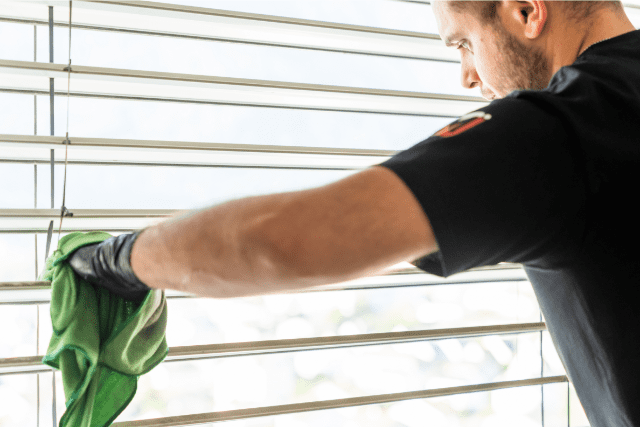
- Window Tracks and Blinds: Mold and dirt accumulate in these tiny tracks and slats, impacting air quality and appearance.
- Vent Covers and Air Duct Outlets: Dust-laden air passes through, affecting breathing and cleanliness.
- Ceiling Fans and High Light Fixtures: Out of sight, out of mind—until dust starts raining down.
- Tile Grout and Shower Corners: Moisture-prone spots grow mildew and soap scum without dedicated attention.
- Inside Kitchen Cabinets and Drawers: Crumbs, grease, and food residue accumulate gradually.
- Behind the Toilet and Bathroom Fixtures: Difficult access can allow grime, hard water stains, and germs to thrive.
- Carpet Edges and Under Rugs: Standard vacuuming misses the edges where dust and pet hair gather.
- Under Furniture and Beds: Narrow crevices accumulate fine dust and allergens—plus lost items.
- Mattresses and Upholstery: These soft surfaces absorb dust mites and allergens, often overlooked in regular routines.
- Pet Areas and Litter Boxes: Frequent use and lingering odors demand focused strategies for a truly clean home.
Professional Insights: How Cleaners Tackle Hard-to-Reach Places
Seasoned professionals at QUICK CLEANING follow a methodical process. For each “hard spot,” they factor in safety, access, the right tools, and proven products:
- Use of specialized attachments (crevice tools, microfiber dusters, and extendable poles).
- Eco-friendly and surface-safe cleaning agents for delicate finishes.
- Systematic rotation: Sequencing tasks by section and frequency.
- 2-person team strategies that allow moving heavy furniture safely and cleaning behind appliances.
- Thorough checklists to ensure no area is missed, refined by years of experience.
These steps help ensure consistent, comprehensive results—minimizing missed spots and reducing indoor pollutants throughout your home.
Room-by-Room Breakdown: Where Problems Hide
Every room presents its share of hidden cleaning challenges. Here’s what to look for in key zones:
- Kitchen: Under sinks, appliance gaps, vent hoods, and cabinet tops.
- Bathroom: Grout lines, under the rim of toilets, behind vanities, corners of the shower door tracks.
- Living Room: Baseboards, inside upholstery and under cushions, lamp shades, and electronics surfaces.
- Bedroom: Under beds, in closets, mattress seams, around window sills.
- Home Office: Behind monitors, keyboard crevices, and bookshelves collecting settled dust.
- Laundry & Utility Areas: Behind machines, dryer vents, utility sink faucets.
Conducting a room-by-room audit can reveal which places need extra attention in your next cleaning session.
Special Challenges: Materials, Fixtures, and Finishes
Certain materials add an extra layer of challenge and risk:
- Natural stone (countertops, floors): Susceptible to etching/staining from acidic or abrasive cleaners.
- Stainless steel: Shows fingerprint marks and streaks without the right cleaning technique.
- Hardwood floors: Water exposure can warp or dull finishes; specific products are required.
- Delicate textiles: Upholstery or drapery can be discolored or damaged if treated improperly.
- Chrome and metal fixtures: Water spots and buildup require regular, gentle polishing.
Knowing these risks informs your cleaning choices and helps prevent costly errors.
Cleaning Frequency and Maintenance: What the Pros Recommend
Not all hard-to-clean areas require the same treatment frequency. Professional insight makes a difference:
| Area | Pro Cleaning Frequency |
|---|---|
| Baseboards & Trim | Monthly |
| Behind Appliances | Quarterly |
| Window Tracks & Blinds | Monthly/Bi-monthly |
| Tile Grout | Monthly (spot), Yearly (deep) |
| Ceiling Fans & Fixtures | Monthly |
| Mattress & Upholstery | Quarterly (vacuum), Yearly (deep) |
| Pet Areas | Weekly |
Adopting a maintenance schedule like this balances deep cleans with manageable effort throughout the year.
Hidden Health Risks: Allergens, Mold, and Indoor Air Quality
Overlooked cleaning tasks often correspond to hidden health threats:
- Allergens: Dust mites, pet dander, mold spores accumulate where routine cleaning misses.
- Mold growth: High-moisture areas (bathrooms, window tracks, behind appliances) risk developing hidden mold.
- Indoor air quality: Dusty air vents, carpets, and upholstery can circulate particulates that aggravate allergies or respiratory conditions.
Strategic, regular attention to these hard-to-reach zones helps maintain a healthier home—especially for allergy-sensitive households.
Pitfalls of DIY: When to Call Professional Help
Some cleaning struggles are practical to tackle on your own; others demand professional equipment, expertise, or even specialized products (such as EPA-listed disinfectants—see EPA’s List N). You should consider a pro if:
- There is persistent or widespread mold, especially in bathrooms or basements.
- Pet smells, air quality, or hard water stains are not resolved by standard products.
- Delicate materials or finishes are at risk of damage.
- You’re moving out, preparing for a renter, or facing health-driven cleaning needs.
Professionals bring industrial-grade tools and systematic approaches, saving you hours and reducing risk when heavy-duty cleaning is needed.
Detailed Checklist: Cleaning the Hardest Places in Every Room
Apply this step-by-step list to get thorough results or to communicate exactly what you want from a cleaning service:
- Move light furniture away from walls to access baseboards and under-items dusting.
- Disassemble vent covers and run a vacuum hose on both sides before wiping clean.
- Vacuum window tracks first, then use a damp microfiber cloth for stubborn buildup.
- Lift removable stovetop grates and fridge drawers to clean underneath and behind.
- Use a crevice attachment along carpet edges and behind heavy appliances.
- Apply grout cleaner to tile, let sit, then scrub with a stiff brush in corners and seams.
- Dust fan blades using a pillowcase (to trap debris) and extendable microfiber duster.
- Launder or steam-clean all removable upholstery covers, and vacuum mattresses thoroughly.
- Clean under sinks, especially pipe junctions, for hidden leaks or mold.
- Finish by disinfecting high-touch handles and switches throughout the space.
This sequence ensures you won’t miss the most challenging and crucial areas during your cleaning routine.
Choosing the Right Cleaning Company for Your Hardest Home Challenges
Professional cleaning can save you time and bring peace of mind, if you know what to look for. When comparing cleaning companies in Chicago or elsewhere, focus on:
- Clear, published checklists: Ensure all difficult-to-clean areas are covered on each visit.
- Specialization: Ask about experience with deep cleaning, move-outs, or allergy-specific routines.
- Staff training: Only trust crews trained for safe handling of sensitive materials and surfaces.
- Product choice: Confirm use of professional, eco-friendly, and EPA-approved cleaning supplies. See resources like EPA Disinfectants for SARS-CoV-2.
- Communication: You should receive transparent scheduling, reminders, and up-front pricing.
For ongoing needs, look for recurring packages or options tailored to homes with pets, children, or allergy sufferers.
Spotlight: Deep Cleaning vs. Regular Cleaning—What’s Different?
Deep cleaning goes far beyond surface tidiness. While recurring (maintenance) cleaning covers bathrooms, kitchen, and common spaces, deep cleaning targets the hardest places to clean at home—from under appliances to inside fixtures and detailed grout work. Deep cleans typically include:
- Clearing and washing inside cabinets, drawers, and closets.
- Detailed cleaning of light fixtures, switches, air vents, and corners.
- Upholstery, mattress, and blind cleaning using HEPA filtrations for allergens.
- Sanitizing pet zones and children’s play areas.
Choose deep cleaning for move-in/move-out, seasonal resets, after renovations, or when it’s been several months since the last detailed service. For details on what’s included, deep cleaning services help set expectations.
How to Prepare Your Home for a Professional Deep Clean
Want the best results from a pro visit?
- Declutter major surfaces and floors for easy access.
- List any high-priority problem areas to tell your cleaners.
- Secure pets and children away from cleaning zones.
- Point out sensitive finishes, stains, or areas of health concern.
Preparation lets cleaners focus on labor-intensive tasks—so more “hard” places are expertly addressed.
Quick Reference: Table of Most-Overlooked Hard Cleaning Spots
| Area | Reason It’s Often Missed | Professional Approach |
|---|---|---|
| Behind Fridge | Heavy, difficult to move | Team lifts, coil vacuuming, disinfects floor/wall |
| Shower Door Tracks | Soap scum in crevices | Steam, brushes, limescale remover |
| Air Vents | Requires removal/tools | Vacuum, sanitizer, vent cover wash |
| Lamp Shades | Fragile, dust buildup | Microfiber, compressed air, gentle vacuum |
| Under Large Rugs | Bulky, rarely moved | Furniture sliders, vacuuming, mopping |
| Window Tracks | Tiny, irregular gaps | Detail brushes, vacuum, mildew spray |
| Mattress Seams | Hidden dust mites | HEPA vacuum, steam, fabric spray |
| Baseboard Corners | Low, awkward access | Duster edges, spot mop |
Homeowner Strategies: Keeping Hard Areas Cleaner in Between Visits
Between professional cleanings, you can extend cleanliness with a few manageable habits:
- Use microfiber dusters or cleaning cloths for quick baseboard and fan blade wipe-downs weekly.
- Vacuum floor edges and under furniture with crevice tools every two weeks.
- Spot clean shower corners and grout after use to prevent buildup.
- Launder removable slipcovers, pet bedding, and small rugs monthly.
- Establish a routine for wiping appliance exteriors and inside microwave or oven walls.
For more practical ideas, see upholstery cleaning tips or cleaning habits you should not have.
Professional-Grade Products & Tools: What Makes a Difference
Not all cleaning supplies are created equal. QUICK CLEANING uses:
- EPA-registered disinfectants (see EPA List N) for germ-prone areas.
- HEPA filtration vacuums for allergens and fine dust.
- Extendable dusters and specialty brushes for vents and tight corners.
- Non-toxic, residue-free solutions safe for families and pets.
For challenging spots like bed bugs (see EPA’s bed bugs resource), proper identification and treatment plans are essential.
Airbnb and Rental Homes: High-Touch, High-Challenge Cleaning Zones
Turnover cleanings for Airbnb or rental homes expose unique tricky areas:
- Under beds and sofas (where guests may check for missed items).
- Inside drawers, wardrobes, and mini-fridges—small crumbs or spills left behind.
- Light switches, remote controls, and door handles, which need extra disinfection between each guest.
A specialized Airbnb cleaning team follows precise checklists and focuses on these high-touch “hidden” problem spots to ensure guest-ready hygiene and confidence.
Frequently Asked Questions: Hardest Places to Clean at Home
What are the hardest places to clean at home and why?
Typically, it’s areas like behind appliances, baseboards, inside vents, mattress seams, under large furniture, grout lines, and window tracks due to inaccessibility, specialized products needed, or persistent buildup.
How often should you clean hidden or hard-to-reach spots?
It varies—baseboards and window tracks monthly; behind appliances and deep upholstery cleaning quarterly to yearly; pet and allergy-prone areas weekly or biweekly.
Are there special products or tools for these spaces?
Yes: Use crevice attachments, extendable dusters, grout brushes, and EPA-certified cleaning solutions for both effectiveness and surface safety.
What health risks come from ignoring the toughest places to clean?
Dust mites, mold, allergens, bacteria, and even pests can thrive, impacting air quality, comfort, and potentially triggering illnesses or allergies.
Can professional cleaners really make a difference for these spots?
Absolutely—trained crews use systematic approaches, advanced equipment, and detailed checklists ensuring deep, complete, and lasting results.
Should you move appliances yourself to clean underneath, or leave it to pros?
For safety and to prevent damage, let professionals handle heavy appliances; homes with delicate flooring or utilities should not risk DIY moving.
How can I keep my home cleaner in between deep cleaning appointments?
Develop weekly habits (quick wipes, targeted vacuuming) and address spills or mold in high-risk areas right away. See cleaning habits you should not have for pitfalls to avoid.
Do eco-friendly products work on the toughest cleaning jobs?
Many do—especially those approved by regulatory agencies like the EPA. Always match the product to the task and material, and consider professional guidance for best results.
What should I tell my cleaners about the hardest spots in my home?
Share your priority areas, note any allergy or pet issues, and alert them to delicate finishes needing extra care. Good communication ensures optimal results.
Next Steps: Making Tough-to-Clean Spaces a Thing of the Past
Permanently solving the hardest cleaning challenges means balancing a smart routine with timely help from the pros. Use this guide to spot overlooked trouble zones, set a better cleaning schedule, and—when needed—book a deep cleaning service. Remember, a healthier home is always within reach. For tailored packages, talk to the QUICK CLEANING team about your unique spaces and needs.
About QUICK CLEANING
QUICK CLEANING is a Chicago-based residential and commercial cleaning company specializing in recurring house cleaning, deep cleaning, move out and post-construction cleaning, office cleaning, and special facility cleaning. Our experienced staff utilizes strict checklists, proven eco-friendly products, and transparent communication to deliver spotless homes and offices—even in the hardest places to clean. QUICK CLEANING helps households and businesses in Chicago, Illinois and nearby areas keep their spaces clean and healthy. For more information or to discuss your toughest cleaning concerns, visit QUICK CLEANING.


good cleaning products, cleaning services chicago il, house cleaning, house cleaner near me, Gold Coast house cleaning, house cleaning Willowbrook IL, house cleaner Wheeling, house cleaning in South Holland, house cleaning Riverwoods IL, house cleaning South Loop, house clean in Niles