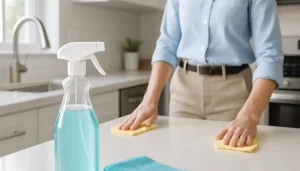

A Complete Framework for How To Clean the Windows of My House Effectively
Windows act as your home’s eyes to the world—but dirt, streaks, or haze can easily ruin the view and even impact air quality inside. If you’ve searched for how to clean the windows of my house effectively, you’re ready to go beyond basic surface wiping. This guide delivers the precise, step-by-step process used by professionals, including expert checklists, choosing the right products, when to handle jobs yourself versus calling in specialists, and what to expect if you want lasting clarity and hygiene. Whether you’re preparing for a special event, tackling spring cleaning, or just maintaining a healthy environment, you’ll find actionable advice for homeowners, tenants, Airbnb hosts, and property managers in Chicago and beyond.
Understanding Why Window Cleaning Requires More Than Just Glass Cleaner
To truly master cleaning the windows of your house effectively, you need to go beyond spraying and wiping. Dirt, dust, pollen, and pollutants settle on both interiors and exteriors. Unique materials—such as older wooden frames or coated glass—demand different cleaning methods. Additionally, poor technique or the wrong supplies can leave residue or even damage your windows. Learning the basics ensures superior clarity, prevents costly mistakes, and improves indoor light quality.
- Dirty windows can harbor allergens and block natural light.
- Incorrect product use may strip protective coatings or leave streaks.
- Neglected windows can deteriorate frames and seals.
Those who want the cleanest windows should learn why process matters as much as product choice.
Window Types and Materials: Adapting Your Cleaning Approach
Different windows require specialized care. Start by identifying what types you have:
- Single-pane or double-pane glass: Most homes use these—be gentle on seals.
- Vinyl frames: Durable but may show water spots if not dried properly.
- Wooden sashes: Require less moisture and special attention around painted areas.
- Aluminum or coated frames: Non-abrasive cloths are a must; check for oxidation.
- Specialty glass (tinted, coated, frosted): May need dedicated solutions recommended by the manufacturer.
Tailor your cleaning tools and products to the specific material for peak results. For guidance on aluminum cleaning methods, refer to the How to Clean Aluminum Easily internal resource.
Key Preparation Steps Before Window Cleaning
Proper prep prevents damage and helps you clean efficiently. Follow this checklist before getting started:
- Clear window sills, move furniture, and remove curtains/blinds.
- Have microfiber cloths, squeegee, bucket, extension pole, glass-safe cleaning solution, and ladder (if needed) on hand.
- Inspect windows for cracks, damaged seals, or mildew.
- Pick a mild, overcast day—cleaning in direct sunlight can cause streaks as solutions dry too quickly.
- Protect floors with towels or drop cloths.
For assembling the optimal cleaning supplies, see the House Cleaning Supplies & Products Checklist.
DIY vs. Professional Window Cleaning: When to Call in Experts
There are situations where hiring professional cleaners is not just more convenient, but also safer and more effective, especially for multistory homes, large glass panels, or when you want a lasting, streak-free result. Consider:
- DIY cleaning for regular interior windows, ground-level panes, and routine touch-ups.
- Professional window cleaning for:
- Hard-to-reach exterior windows (second floor or higher)
- Post-construction cleaning and paint removal
- Persistent streaks, mineral deposits, or chemical stains
- Specialty glass or complex window assemblies
- Seasonal deep cleaning—especially before events or property showings
A reliable service will use trained personnel, professional-grade squeegees, spot-free rinsing, and safety protocols. If you want one-time or recurring professional help, book a house window cleaning with our team at your convenience.
Choosing the Right Window Cleaning Solutions and Tools
Your selection of products and tools will determine your outcome. Professionals recommend:
- Cleaning solution: Mix distilled water with a few drops of dish soap or use a purpose-made window cleaner. Avoid ammonia on treated or tinted glass.
- Microfiber cloths: Trap dust and don’t leave lint. For extra detail on why they work, see the Advantages of Using Microfiber Cloths.
- Squeegee: Essential for streak-free finishes—always use a clean, undamaged rubber blade.
- Extension pole: For high windows; prevents accidents from standing on furniture.
- Soft brush or handheld vacuum: Ideal for tracks and sills before you wet-clean.
Do not use abrasive sponges, strong solvents, or high-pressure washers on home windows, as they may cause scratches or leaks.
Step-by-Step: The Process Professional Cleaners Use For Pristine Windows
- Dust and vacuum window sills, tracks, and screens to remove loose debris.
- Wash screens: Remove and gently scrub with soapy water; let dry before reinstalling.
- Apply cleaning solution: Wet glass with a sponge or spray bottle—do not flood wooden frames.
- Scrub gently: Use a microfiber cloth or soft sponge to loosen stubborn spots.
- Squeegee: Working top to bottom and side to side, wipe with overlapping strokes. Wipe blade after each pass.
- Dry and detail: Buff with a clean, dry microfiber towel along edges to catch any drips.
- Reinstall screens and wipe sills and frames clean.
This system ensures windows dry sparkling clear every time.
Checklist for Seasonal and Deep Window Cleaning
- Wash all window screens and inspect for holes or tears.
- Clean window tracks using a brush and damp cloth.
- Dust blinds and wash curtains where applicable.
- Inspect frames for peeling paint, mold, or damage.
- Address water spots or mineral deposits with a gentle vinegar solution (test a spot first).
- If weather permits, clean both inside and outside glass the same day for consistent results.
For a printable cleaning schedule to keep your home spotless all year, reference our House Cleaning Schedule resource.
Special Considerations for Chicago and Midwest Weather
Those living in Chicago and similar climates should consider unique challenges:
- Winter storms can spread road salt or grime on lower windows—rinse with clean water first.
- Pollen and dust accumulate heavily in spring—clean more regularly during these months.
- Humidity increases streaking—work on a cool, cloudy day when possible.
- Freezing temperatures make outdoor cleaning unsafe and risk damaging glass; plan major exterior cleans during spring or fall.
For eco-conscious cleaning alternatives or allergy-related concerns, see our Eco-Friendly House Cleaning Tips and Most Common Allergens at Home guides.
Safe Window Cleaning: Personal Safety and Environmental Precautions
- Always use secure ladders or extension poles for high windows—never stand on unstable surfaces.
- Keep cleaning solutions away from children and pets; ventilate the area.
- Do not lean far out open windows—if in doubt, hire professionals.
- Dispose of or recycle cleaning solution residue per local guidelines.
For authoritative hygiene and safety recommendations, see the CDC’s guide on cleaning and disinfecting the home.
Streak-Free Glass: Troubleshooting Common Window Cleaning Issues
- Streaks remain: Too much soap, inefficient squeegee technique, or dirty water—change your solution frequently.
- Cloudy appearance: Hard water stains; try using distilled vinegar diluted with water (never on special coatings).
- Lint left behind: Use microfiber only, and machine wash cloths without fabric softener.
- Persistent spots: Re-treat with solution and let sit briefly before scrubbing with a non-abrasive pad.
Professional deep cleaning may be best for long-standing issues or large exterior panes. For difficult stains elsewhere, our advice on removing stubborn residues may help.
Window Screens, Tracks, and Sills: Don’t Overlook the Details
Crystal-clear glass still looks grimy if screens, tracks, or sills are neglected. Effective cleaning here is different from glass. Checklist:
- Remove screens, wash with gentle soap and rinse thoroughly.
- Brush and vacuum tracks, then use cotton swabs for the edges.
- Wipe sills with a damp cloth; treat mold/mildew with a mild solution of water and vinegar.
- Dry completely before reinstalling to prevent mold growth.
This attention to detail prevents future dirt buildup and prolongs window life.
Frequent Maintenance vs. Deep Cleans: How Often Should You Clean House Windows?
| Window Area | Recommended Frequency |
|---|---|
| Interior glass | Every 2–3 months |
| Exterior glass | 2–4 times/year or after severe weather |
| Screens | Every 6 months |
| Tracks & sills | Monthly or as needed |
| Post-renovation | Immediately after works finish |
Realize these are guidelines; homes with pets, traffic nearby, or lots of trees might need more regular attention. For advice customized to your situation, speak with our apartment cleaning experts.
What Sets Professional Window Cleaning Apart
- Expert teams use ladders, fall-protection systems, and deionized water for spot-free results.
- Systematic checklists ensure frames, ledges, and hard-to-reach areas are never missed.
- Professional products cause no harm to window coatings or landscaping.
- Cleaning visits can be scheduled around your needs: recurring, deep, or even same-day if available.
- Professionals are insured and trained for efficiency and safety.
If you’re a business owner or have multi-unit properties, regular exterior window cleaning can boost curb appeal and hygiene. Book office window service for ultimate convenience.
Environmental and Health Benefits of Regular Window Cleaning
Beyond the obvious visual impact, clean windows help:
- Reduce the spread of dust mites, pollen, and mold spores inside your home.
- Increase natural lighting—lowering energy use and supporting mood and circadian rhythms.
- Spot problems early—such as mold or leaks that could impact health.
For more, explore our Health Benefits of Having a Clean Home resource.
How To Evaluate Window Cleaning Services (If You Outsource)
- Ask if staff are insured and background-checked.
- Confirm experience with your window type or property size.
- Request a clear, up-front quote; look for transparent communication on pricing.
- Check for use of professional-grade solutions and correct techniques (e.g., ladder safety).
- Read local reviews and check for prompt, flexible scheduling.
If you’re in Chicago, Quick Cleaning focuses on attention to detail, flexible visits, and trusted teams for homes and businesses alike.
Frequently Asked Questions: Window Cleaning at Home
- What’s the safest way to clean second-story windows?
Use extension poles for exteriors. If you lack access, professional cleaners are best for safety. - Can I use vinegar or homemade cleaners?
Yes, but never on tinted or specialty-coated glass. Always dilute vinegar and test on a small area first. - Should I use paper towels or newspaper?
Microfiber cloths are superior as they don’t leave lint or streaks. - How do I prevent streaks?
Work on a cloudy day, use a squeegee, and wipe the blade after each pass. - What’s the best way to clean screens?
Remove and gently scrub with soapy water, rinse, and air dry completely. - Do window tracks need cleaning every time?
Tracks gather dirt quickly—include every 1–2 months or more often if you open windows often. - What if I find mold on window frames?
Remove with a mild vinegar-water solution and keep the area dry. Severe infestations may require professional treatment. - How can I maintain results between deep cleans?
Spot clean fingerprints and dust monthly to preserve clarity. - Should I clean windows after every rain?
Not necessary—wait until dirt or streaks appear, but be ready to clean after storms. - Are there eco-friendly window cleaning options?
Yes. Use distilled water and a touch of plant-based soap. Check our eco-friendly cleaning tips for more ideas.
Bringing Clarity Home: Your Path to Brilliant Windows Year-Round
Achieving spotless, streak-free windows in your home isn’t about expensive gadgets—it’s about following a proven, detail-oriented approach. Whether you choose to clean your windows yourself or rely on a skilled professional, the right process, materials, and frequency will give you lasting clarity and healthier indoor air. Quick Cleaning’s expert frameworks and checklists are here to help homeowners, tenants, Airbnb hosts, and businesses in Chicago maintain window brilliance with confidence. Ready to brighten your space? Explore our professional Deep Cleaning options whenever you want a truly complete clean.
About Quick Cleaning
Quick Cleaning helps households and businesses in Chicago, Illinois and nearby areas keep their spaces clean and healthy. Our team specializes in recurring house cleaning, deep cleaning, move out cleaning, office cleaning, and special facility services. Each project is handled by trained staff following rigorous checklists, using professional equipment and effective cleaning solutions suitable for every material. We’re committed to transparent communication, flexible scheduling, and prioritizing safety and quality in everything we do. For reliability and detail-oriented results—from windows to every corner of your home—trust Quick Cleaning.



Vinegar, cleaning company, best house cleaning, best house cleaning chicago, house cleaning Algonquin, house clean service Bartlett, house cleaning in Vernon Hills, house cleaning company Bensenville, house clean service Western Springs, house clean in Palatine, house clean service Skokie